[pageLogInLogOut]

#Textile chemistry

BASF commissions new plant for oxidized polyethylene waxes at Ludwigshafen site

A new plant for the manufacture of oxidized polyethylene waxes went into operation at the BASF site in Ludwigshafen, Germany. The plant manufactures high quality oxidized waxes according to BASF’s own process. The new plant will improve the availability on oxidized polyethylene waxes now and in the future, for instance in plastics processing.

+Improved availability of oxidized polyethylene waxes +Integrated plant forms part of a sustainable production concept within the Verbund site that conserves resources

The new plant fits perfectly into the integrated supply network for raw materials and energy at BASF’s Ludwigshafen site. The low-density polyethylene wax that forms the basis of the oxidized waxes comes directly from the site’s own polymerization plants. “As well as extending the capacity, we have also invested in modernizing the existing plant for polyethylene waxes”, said Dr. Stefan Beckmann, Senior Vice President Home Care & Formulation Technologies Europe. “Demand for high-quality waxes and oxidized waxes is growing world-wide due to the increased production and processing of plastics”, said Dr. Beckmann. “We will be able to satisfy this increasing demand when the new oxidation plant for waxes in Ludwigshafen goes into operation.”

BASF supplies its high-quality waxes world-wide to markets with specialized demands. Waxes in the form of powder, fine powder, granules and pastilles are marketed under the Luwax® brand, and liquid emulsions are available under the Poligen® trademark.

Versatile range of applications

Oxidized polyethylene waxes are used as lubricants in the processing of plastics such as polyvinylchloride to prevent the plastic from sticking to the hot surfaces in the machinery, which saves energy and enhances the material properties of products such as PVC pipes and profiles.

Oxidized polyethylene waxes can also be emulsified in water. Wax emulsions are applied as finishes to textiles in order to obtain a smoother surface in order to make them easier to sew and to make them more resistant to linting and pilling. Polyethylene waxes are used in polishes applied to shoes, furniture, floors and car bodywork and wax emulsions to protect the surface, to provide gloss or to enhance safety by increasing the slip resistance. Addition of wax emulsions to the coating of glossy magazines protects the surface against ink rub-off. A thin layer of wax can also be applied to the skin of citrus fruit to prevent it from drying out and becoming bruised.

More News from BASF Aktiengesellschaft
Performance Chemicals for Textiles

More News on Textile chemistry

Latest News

#Recycled Fibers

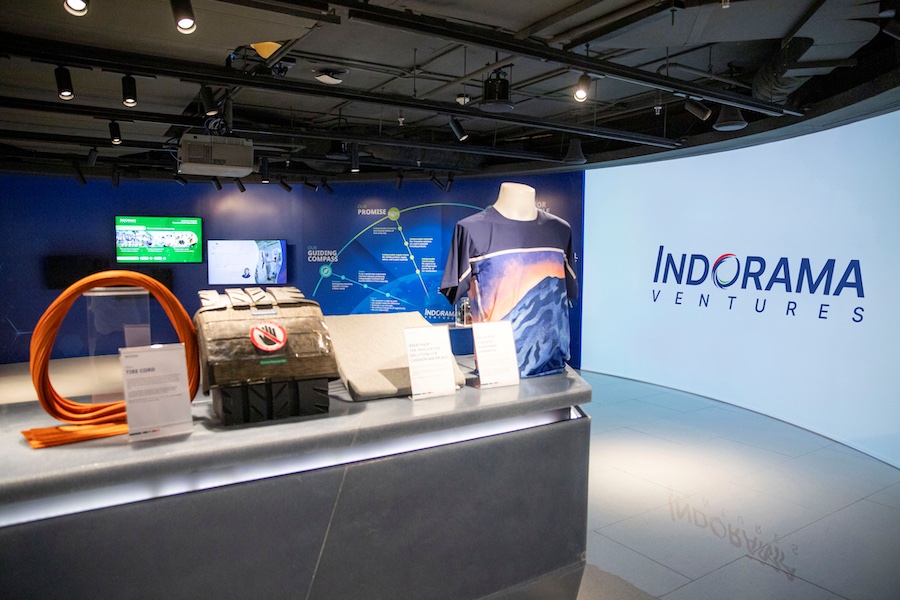
Indorama Ventures enables brands to scale circular textiles through proven, traceable supply chains

Indorama Ventures, a global leader in recycled polyester staple fibers and filament yarns, will exhibit at Textiles Recycling Expo in Brussels on June 24–25. At the event, the company will show how brands and textile manufacturers can build traceable, circular textile supply chains by working with proven partners who deliver recycled materials on an industrial scale.

#Recycled Fibers

RECOVER™ launches Recover™ Yarns to accelerate recycled cotton uptake

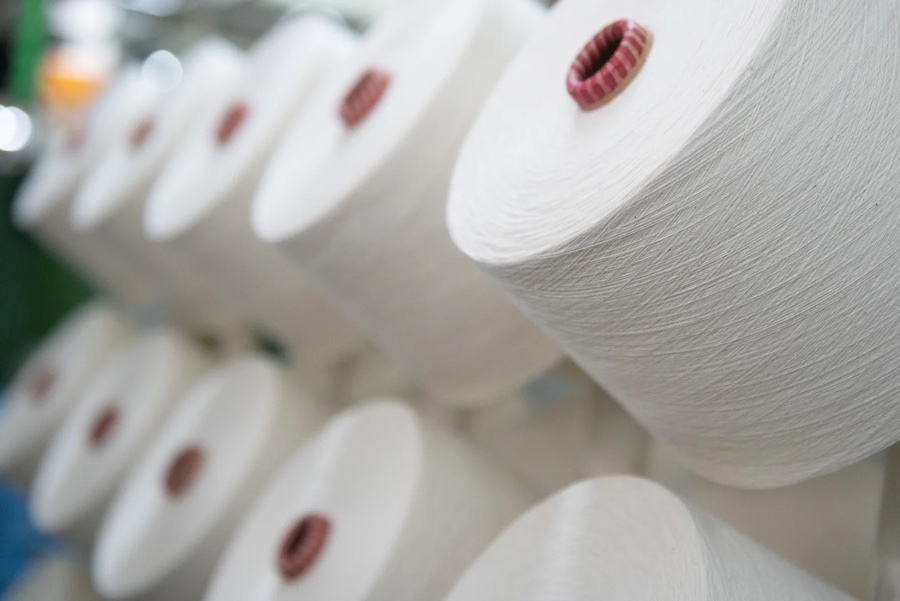
Recover™, a leading materials science company and one of the world’s largest producers of recycled cotton fiber, today announces the launch of Recover™ Yarns, a curated portfolio of ready-to-use yarn solutions designed to accelerate the adoption of recycled cotton across the apparel supply chain.

#Spinning

Barmag and Hitech Automation enter into partnership for an auto-doff system for texturing machines

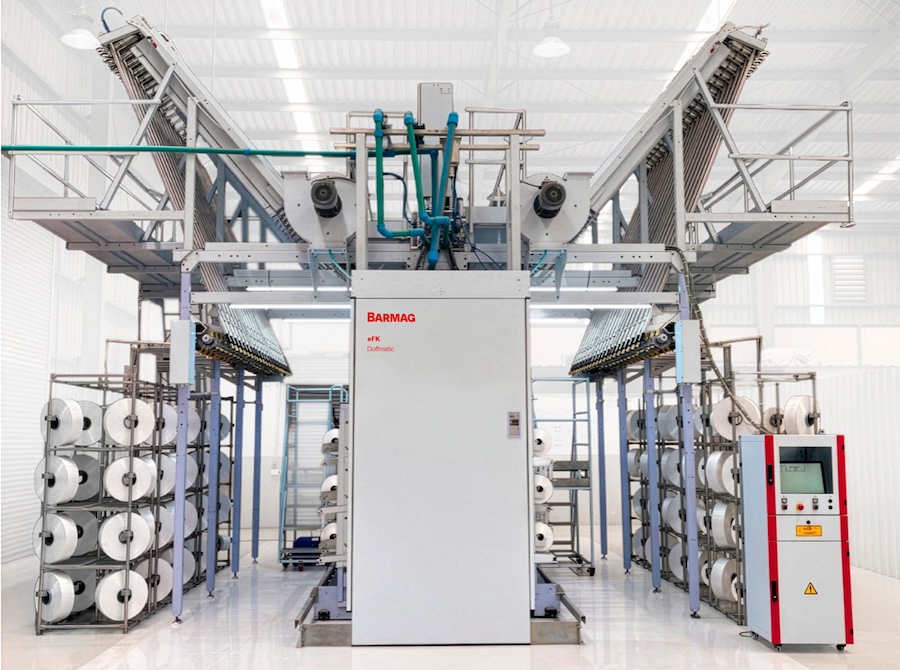
Barmag (Suzhou) Technology Co., Ltd. and Hitech Automation Solutions PVT LTD. of Surat, India, have agreed to an exclusive partnership to jointly market Hitech’s Doffmatic automation solution for Barmag’s proven manual eFK texturing machines. In many texturing facilities, manual doffing processes remain heavily operator-dependent – resulting in issues such as increased scrap, inconsistent quality, and limited productivity.

#ITM 2026

Uster’s new Recycling Opening Index guides spinners to the perfect blend

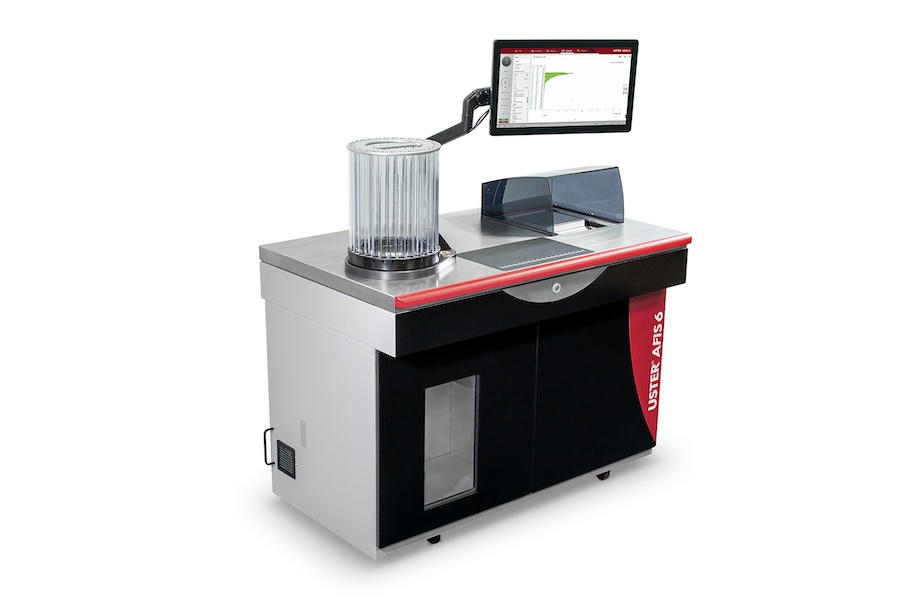
Uster AFIS 6 now offers the key data for better decisions when blending recycled fibers. Process control is decisive in determining the quality and economic outcome. The new R Recycling Module of AFIS 6 introduces the Recycling Opening Index (ROI), so spinners can optimize their circularity credentials. It was officially launched at ITM 2026 in Istanbul, Türkiye.

TOP