[pageLogInLogOut]

#Weaving

Getzner Textil steams ahead with energy savings

CASCADE by KARL MAYER leads to significant energy savings when used in the PROSIZE at Getzner Textil
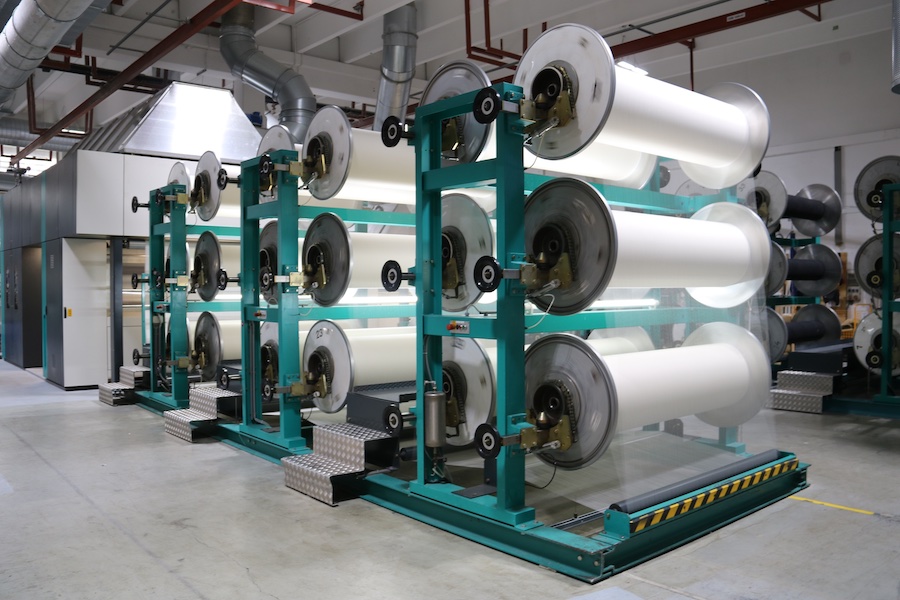
Prosize © 2025 KARLMAYER
Getzner Textil AG is always open to new ideas and committed to investment in innovative technological solutions. This has proven a highly successful approach for more than two hundred years now: founded in 1818 as a family business in Bludenz in the heart of Europe, the company is now one of the world’s leading manufacturers of fabrics for African fashion, shirts and blouses, corporate fashion, and technical textiles, with 1,550 employees, 710 weaving machines, seven locations, and an output of 73 million running meters per year.


It was only in the autumn of 2024 that Getzner installed a new PROSIZE staple fibre sizing machine by KARL MAYER in its warp preparation department. The sizing machine was delivered with the then newly launched CASCADE and raised expectations of greater sustainability and lower energy costs – and justifiably so, as the results of tests carried out during machine operation in August this year showed. The tests confirmed savings in steam consumption of up to 3.9% thanks to the steam and condensation system over a representative period of time. Peaks of up to 7% were measured at times.
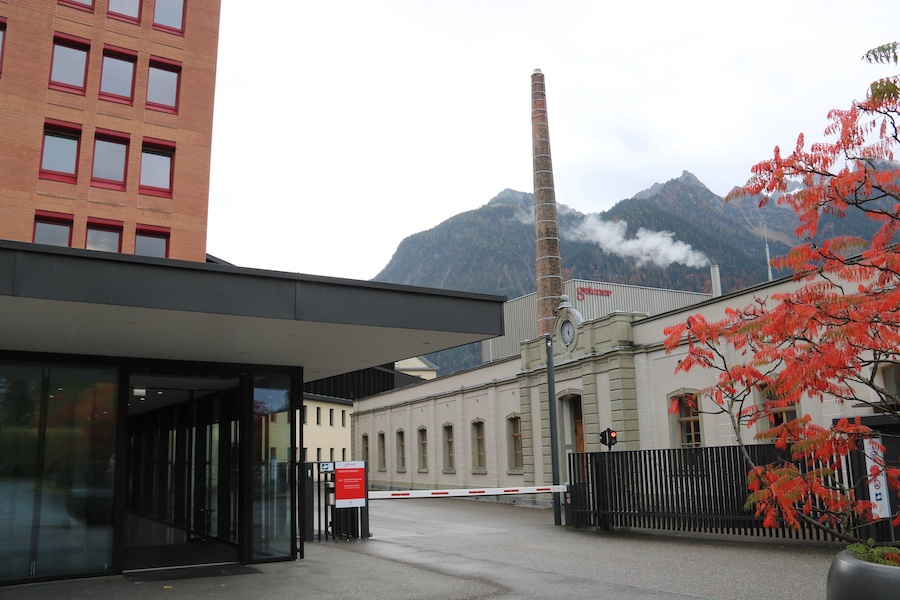
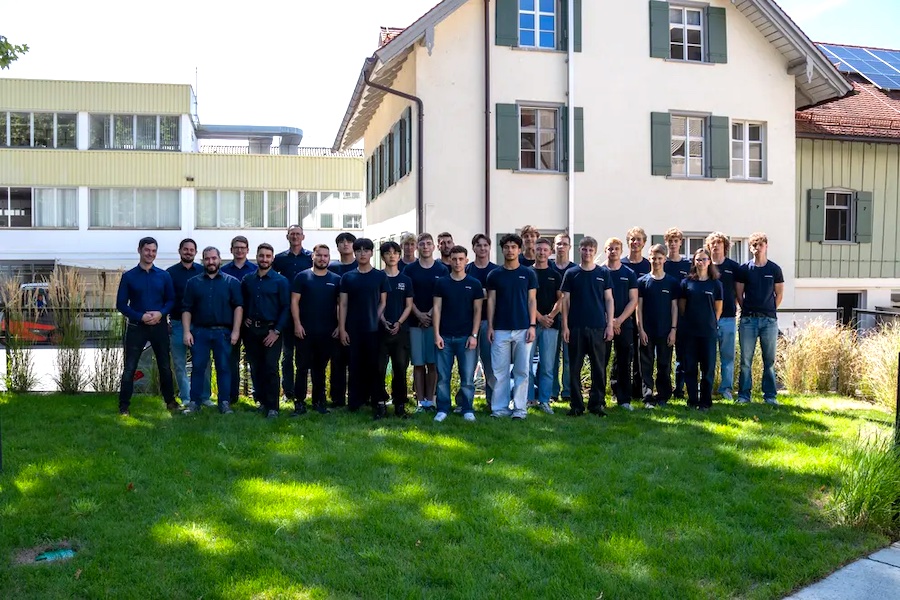
Getaner headquarter © 2025 KARLMAYER


Verifiable benefits

CASCADE recirculates part of the process steam produced during drying in cylinder dryers, enabling genuine, efficient energy recycling within the machine. Specific data on the recycling volumes achievable in practice was gathered in tests carried out at Getzner Textil in Bludenz. The tests looked at a drying line with ten cylinders during one shift and the production of seven weaving beams. The last four cylinders of the systems had been operating with a mixture of recycled flash steam from the first six cylinders and live steam. The respective supply quantities of recycled steam were measured. The results prove CASCADE’s effectiveness. At full machine load, 51 kg/h of the total 1,295 kg/h of steam required was obtained directly through the inline recycling of the CASCADE system.

As plant utilization declined, the potential savings in fresh steam decreased, but even at low-capacity utilization, reduction effects were evident. These are also influenced by the recipe, i.e., the process conditions. The following applies: the greater the temperature difference between the first and second cylinder sections, the greater CASCADE’s efficiency.

CASCADE thus opens up potential that can always be exploited without restrictions on the recipe. However, the magnitude of this potential can be influenced – unlike, for example, the eco mode in a car, which reduces performance and acceleration once activated.
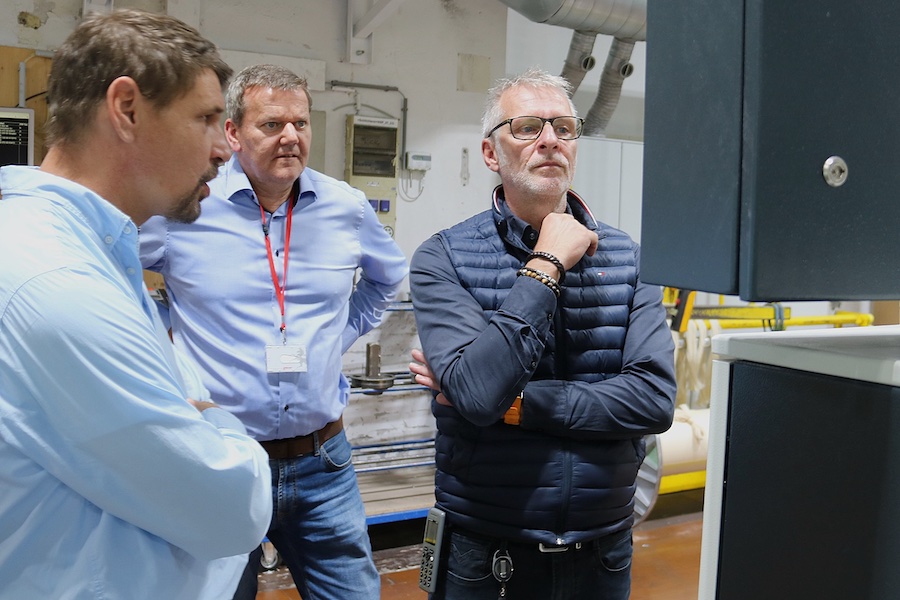
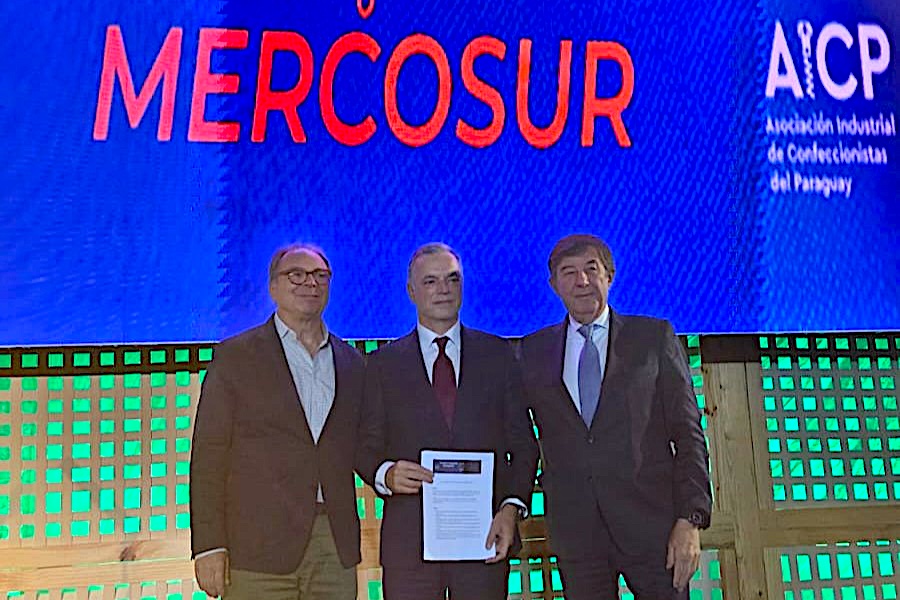
(f.l.t.r.) Thomas Rossi, Karl Heinz Vaassen and Werner Egger © 2025 KARLMAYER


Significant savings potential

The lower live steam consumption enables cost savings and a reduced carbon footprint. At full machine and production utilization – three-shift operation, 5,000 hours/year, 83% efficiency – and a steam price of €40/t, a cost reduction of around €8,500/year can be achieved under the representative practical conditions at Getzner Textil. In addition, in this specific example, it was possible to reduce the company’s environmental impact by 59 tons of CO2e/year.
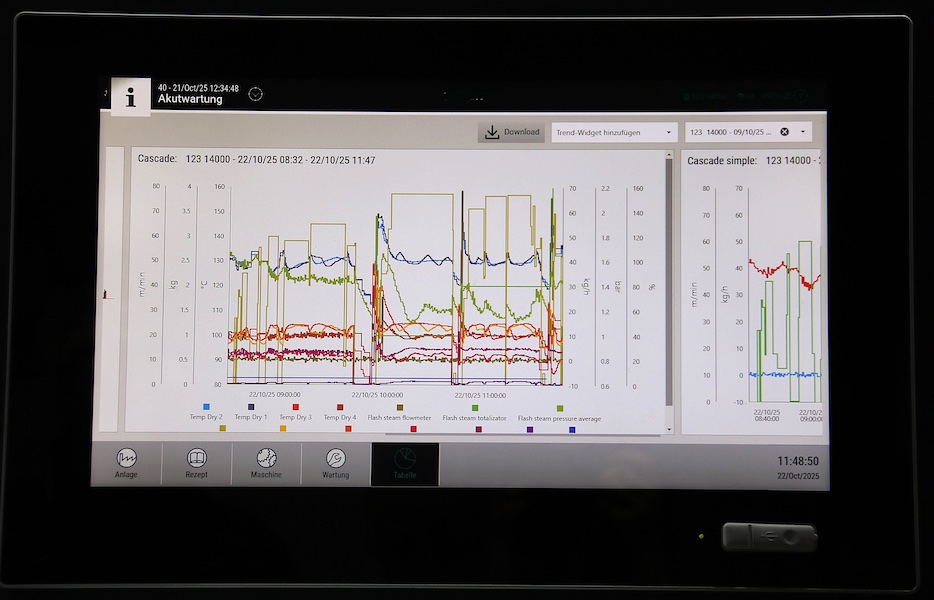
Display © 2025 KARLMAYER


Given the common practice of feeding condensate that is usually too hot for use in the boiler house back into the operating network, thereby losing thermal energy, every contribution from CASCADE pays off. For all customers who operate the feed water tank in the boiler house without pressure, any excess energy above a condensate temperature of 100°C is lost when it is fed back into the company’s own media network. The white steam clouds rising from the boiler house are a visible sign of this. With CASCADE, operators can minimize this loss of power without additional investments in machine peripherals.
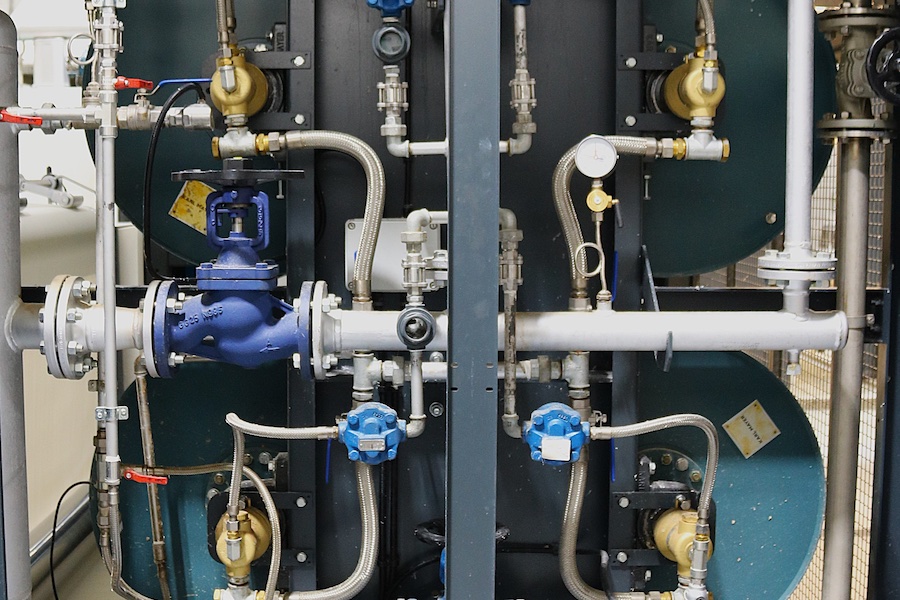
Steam System © 2025 KARLMAYER


More News from KARL MAYER Textilmaschinenfabrik GmbH

#Knitting & Hosiery

Live more beautifully and comfortably with Warp Knits

Knitted fabrics are the all-rounders among home textiles. They can be designed in many different ways and are used in mattresses, blankets and pillows as well as in terry towelling, curtains and upholstery fabrics to create trendy designs, constantly new products and good business.

#Knitting & Hosiery

The newcomers HKS 3-M EL ECO and HKS 4-M EL ECO set new standards in the tricot market

Short development cycles, frequent pattern changes, and maximum efficiency – even with small batch sizes: Today's global fashion and apparel market demands more flexibility than ever before. High-performance warp knitting machines with compound needles (HKS) and EL pattern drive are KARL MAYER's answer to this challenge.

#Knitting & Hosiery

KARL MAYER celebrates 35 years of EL pattern drive

KARL MAYER is celebrating an anniversary this year: on 30 November 1990, the first warp knitting machine with electronic guide bar control, the KS 4 EL, was delivered – another milestone for patterning. As early as 1980, the SU gearbox with the MRS42SU had initiated the transition from mechanical chains to digital data.

#ITMA Asia + CITME Singapore 2025

India becomes growth engine for the warp knitting industry

ITMA ASIA 2025 exceeded all expectations for KARL MAYER – above all thanks to the strong interest from India: around 30% of the qualified discussions were held with partners from this traditional textile country. The response underlines the growing importance of the Indian market, which could become the second largest sales region for KARL MAYER after China. The warp knitting industry in particular is developing dynamically.

More News on Weaving

#Weaving

Lindauer Dornier announces leadership transition in weaving machine business

After more than ten successful years at Lindauer DORNIER GmbH, Mr Wolfgang Schöffl will leave the family-owned company at the end of the year to enter well-deserved retirement.

#Research & Development

More safety and comfort for protective clothing thanks to auxetic fabrics

When everyday materials are pulled, they stretch or elongate in the direction of the pull and become narrower in cross-section. We can also observe this property in two-dimensional textiles. Auxetic structures behave differently here. They have the striking property of not changing under tensile stress or even increasing their width or thickness. These properties are advantageous, for example, in protective textiles or textile filter media. The DITF are researching auxetic fabrics for various applications.

#Weaving

Itema announces strategic partnership with Ivy Decarb to accelerate decarbonization in weaving process

Itema is pleased to announce the strategic partnership with Ivy Decarb, the digital platform helping textile companies measure and reduce their carbon footprint.

#Exhibitions & Events

Groz-Beckert showcases textile innovation at ShanghaiTex 2025

From December 16 to 19, 2025, the global textile industry will gather at ShanghaiTex at the Shanghai New International Expo Center (SNIEC), where Groz-Beckert will present its latest highlights and innovations across its five product areas – Knitting, Weaving, Nonwovens, Sewing, and Spinning – at Hall N3, Booth A05.

Latest News

#Knitting & Hosiery

Terrot introduces T-Frame platform to redefine stability and flexibility in large-diameter circular knitting

Terrot Textilmaschinen GmbH has unveiled the new T-Frame, a universal machine frame platform for large-diameter circular knitting machines. Designed to meet growing demands for flexibility, stability, and operational safety, the T-Frame provides a next-generation foundation for both current and future industrial knitting machines, combining German engineering expertise with a modular, future-ready design approach.

#Business

Canopy introduces a first-of-its-kind $2 billion USD investment blueprint to decarbonize global materials supply chains

Today, the global, solutions-driven not-for-profit Canopy joined partners at Davos to introduce a new finance model designed to accelerate the growth of low-carbon materials and transform the paper, packaging, and textile supply chains. The event was anchored by a keynote speech from Sri A Revanth Reddy, Hon’ble Chief Minister of Telangana, with India set to host the first iteration of the new investment blueprint.

#Yarns

Biella Yarn launches Collection “Reimagined” for Spring/Summer 2027 with fresh approach to fibre design

Biella Yarn, the flat knitting brand of Suedwolle Group, introduces its Spring/Summer 2027 collection “Reimagined” featuring refined yarn blends and advanced spinning technologies designed for contemporary summer knitwear. Under the motto “And the story goes on…”, Biella Yarn continues to push the boundaries of responsible yarn development, offering versatile materials that elevate modern craftsmanship.

#Recycled_Fibers

Circular progress: Trevira® CS Eco fabrics can now be made using textile-recycled, permanently flame-retardant fibers and yarns

Indorama Ventures, a global sustainable chemical company, takes an important next step toward making textiles more circular for homes and public spaces. To support fabric makers in creating a more sustainable version of the well-known flame-retardant Trevira CS fabric, the company now offers Trevira® flame-retardant fibers and filament yarns that contain 50% recycled textile material. First customers were introduced to the new offering during Heimtextil trade show mid-January in Frankfurt, Germany.

TOP