[pageLogInLogOut]

#Textile chemistry

Textil Santanderina launches authentic black denim collection based on Archroma’s eco-advanced DIRESUL® EVOLUTION BLACK sulfur dyestuff
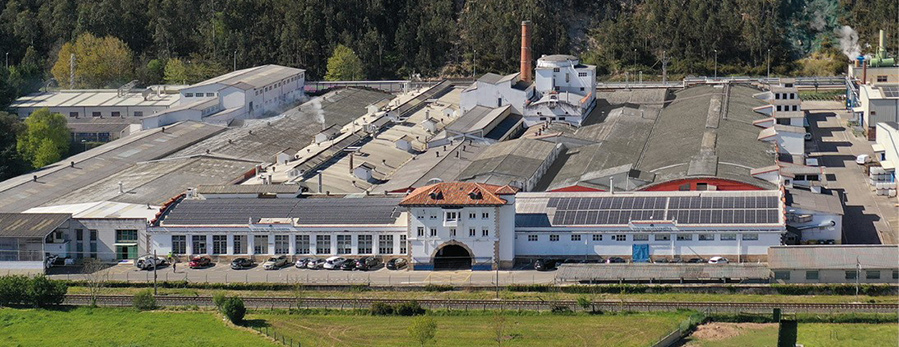
Textil Santanderina launches authentic black denim collection based on Archroma’s eco-advanced DIRESUL® EVOLUTION BLACK sulfur dyestuff. (Photo: Archroma)
Textil Santanderina, an innovator known globally for the manufacture of quality fabrics with controlled traceability, today launched its Advanced Black denim collection in collaboration with Archroma, a global leader in specialty chemicals towards sustainable solutions.

The Advanced Black collection by Textil Santanderina uses Archroma’s new DIRESUL® EVOLUTION BLACK LIQ dyestuff to produce on-trend authentic black denim apparel with industry-leading sustainability and resource savings. In addition to allowing fashion and apparel brands to choose eco-friendlier alternatives that demonstrate their commitment to protecting people and planet, Textil Santanderina’s new Advanced Black denim range also offers unique shade and wash-down effects for heightened consumer appeal.
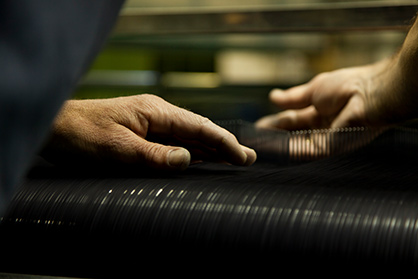
(Photo: Archroma)
(Photo: Archroma)


Based on cutting-edge synthesis technology developed by Archroma, DIRESUL EVOLUTION BLACK LIQ delivers an overall impact reduction to 57%*, measuring its effect on human health, ecosystems and resources compared to standard Sulfur Black 1 liquid. Unlike traditional synthesis processes, it does not produce any ammonia, sodium salts waste or liquid effluents, and water consumption in the synthesis process is reduced by 73% for massive savings. The new DIRESUL dyestuff, when adopted with the full Archroma coloration system, delivers a new black color with on-tone wash-down effect and cleaner effluent at the mill.

“For more than a century, the traditional Sulfur Black 1 synthesis process consumed substantial water and energy resources and produced unwanted effluents and residues. With the DIRESUL EVOLUTION BLACK LIQ, Archroma is rewriting the future of denim for market leaders like Textil Santanderina that want to produce more sustainable collections with high-value aesthetics and top fabric quality,” Umberto De Vita, Director, Denim Market Segment, Textile Effects Division, Archroma, said.

“With a commitment to quality, traceability and innovation, Textil Santanderina develops responsible textile solutions that meet real needs of customers and consumers. We are delighted to collaborate with Archroma once again to help our brand customers stand out in their markets with new and innovative denim looks and premium quality fabric based on a cleaner coloration system for outstanding resource savings,” Sr Ramón Ríos Quintana, Fashion General Manager, Textil Santanderina, S.A., said.

Textil Santanderina and Archroma previously collaborated to produce Textil Santanderina’s aniline-free** indigo denim collection with the use of DENISOL® PURE INDIGO.


The evolution of sulfur dyestuffs

Sulfur dyes are the most commonly used dyes for color denim, with Sulfur Black 1 dominating the market. Traditional sulfur dyes are being phased out worldwide due to the toxicity of the dyeing process and wastewater contamination that are difficult to treat.

Archroma has led the evolution of sulfur dyeing since 1980, when it introduced its low-sulfide DIRESUL RDT range. Subsequent innovations have included the eco-advanced Pad-Ox dyeing process, the innovative plant-based EarthColors® sulfur dyestuffs range and the new FiberColors® range of sulfur dyestuffs based on textile waste.

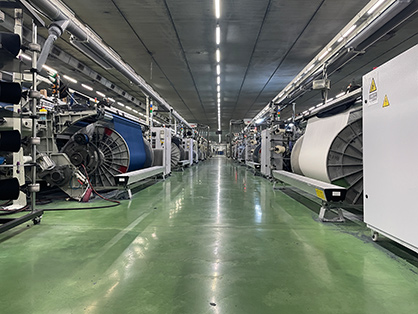
DIRESUL EVOLUTION BLACK LIQ is manufactured in Spain at a state-of-the-art production facility near Barcelona, where Archroma produces best-in-class sulfur dyestuffs for mills and brands in Europe and global markets.
(Photo: Archroma)
(Photo: Archroma)


*As determined by Ecoterrae, a leading Spain-based sustainability consulting firm, through a Life Cycle Analysis (UNE-EN ISO 14044:2006) at the synthesis stage, using the ReCiPe 2016 Impact calculation methodology.

**Below limits of detection according to industry standard test methods.

® Trademarks of Archroma registered in many countries.

© 2023 Archroma


More News from TEXDATA International

#Texprocess 2026

Texprocess 2026: Automation, digitalisation and AI redefine textile processing

Making investment decisions in textile processing has become significantly more demanding. Increasing energy costs, a shortage of skilled labour and ongoing geopolitical uncertainties are compelling companies to focus on technologies that deliver clear gains in efficiency and process reliability. This applies equally to apparel manufacturing and to the processing of technical textiles and high-performance materials. As a result, modernisation initiatives are assessed more carefully – even as the need to upgrade production systems continues to intensify.

#Techtextil 2026

Techtextil 2026: Between innovation pressure & market reality

From 21 to 24 April 2026, Techtextil in Frankfurt am Main will once again become the central meeting point for the international technical textiles and nonwovens industry. Running in parallel, Texprocess will focus on the industrial implementation of textile processing technologies as the leading platform in this field. Together, the two trade fairs form a closely integrated presentation and working platform along the entire textile value chain – from material development to finished applications.

#Techtextil 2026

Between geopolitical pressure and industrial resilience

In this interview, Dr. Janpeter Horn (VDMA) discusses the current challenges facing textile machinery manufacturers, shaped by geopolitical tensions, regulatory developments and subdued investment. He also outlines why innovation strength, integrated solutions and strategic positioning remain key to global competitiveness.

#Texprocess 2026

Between investment restraint and modernization pressure

Texprocess 2026 takes place in a complex market environment shaped by uncertainty and innovation pressure. In this interview, Elgar Straub (VDMA) explains why the trade fair is particularly relevant this year and which technologies are driving efficiency and competitiveness.

More News on Textile chemistry

Latest News

#Technical Textiles

Fifteen years of Autoneum – From spin off to global technology leader

What started as a strategic carve‑out has since become the success story of a global technology leader in acoustic and thermal management solutions for vehicles. Headquartered in Winterthur, Switzerland, Autoneum supplies leading automobile manufacturers worldwide with innovative, lightweight and increasingly sustainable solutions.

#Nonwoven machines

Kruger, Canada, orders first nonwovens line for sustainable wipes from ANDRITZ

International technology group ANDRITZ has received an order from newly established Kruger Nonwovens to deliver a complete WetlaceTM hybrid line for the Wayagamack mill in Trois-Rivières, Quebec, Canada. With this investment, pulp and paper producer Kruger is preparing to enter the nonwovens market with a new generation of plastic-free, chemical-free materials for sustainable wipes. The line is the first of its kind in Canada and is scheduled to start production in 2028.

#ITM 2026

Picanol to present its leading weaving technology at ITM 2026

Picanol is pleased to announce it will be participating in ITM 2026 in Istanbul. This is a key event for industry professionals to engage with the Turkish textile industry as well as the extensive international audience attending the fair. During the event, Picanol will present its latest innovations to the visitors in Hall 8, booth 802.

#Man-Made Fibers

The updated poster on biodegradable Polymers in various environments has been released

As part of the PerPlacsBio project, nova-Institute has updated its popular poster on the biodegradability of polymers in different environments. The updated version reflects current standards, certifications and the latest scientific findings. The poster can be used to assess biodegradable alternatives for use in agriculture and forestry, and it is now available in German for the first time.

TOP