[pageLogInLogOut]

#Textile chemistry

Huntsman’s ERIOPON® E3-SAVE advances sustainable polyester production

As global interest in sustainable textile production continues to soar, mills that have adopted Huntsman Textile Effects’ all-in-one ERIOPON® E3-SAVE textile auxiliary for polyester processing, which launched one year ago, have collectively saved more than 130 million liters of water.

130 Million liters of water saved in one year

Demand for polyester fabric is being driven by seemingly insatiable consumer appetite for sportswear and athleisure clothing. Sales in the sector have been on an upward trend for several years and are even proving resilient amid Covid-19 market disruption. However, dyeing of polyester and its blends has traditionally been resource intensive, time consuming and costly.

Huntsman Textile Effects’ next-generation ERIOPON® E3-SAVE textile auxiliary was engineered to address these challenges. It eliminates the need for separate pre-scouring, allowing pre-scouring, dyeing and reduction clearing to be combined in a single bath. Mills that use ERIOPON® E3-SAVE can thus dramatically shorten the polyester dyeing process and save water, energy and cost.

“Our innovations aim to help mills improve their productivity and competitiveness while also contributing to the textile industry’s shift to more sustainable practices and a reduced environmental footprint,” said Kerim Oner, Global Marketing Manager, Huntsman Textile Effects. “With ERIOPON® E3-SAVE, we have harnessed the unparalleled technical expertise and application know-how of our research and field teams to develop a product that is proven to reduce costs for mills and that meets current and anticipated industry sustainability standards.”

Dae Young Textile Vietnam Co., Ltd, a forerunner in sustainable textile production in Asia, was an early adopter of the ERIOPON® technology. Results from bulk production show that ERIOPON® E3-SAVE has reduced process time by over 20 percent and water consumption by over 50 percent, delivering annual cost savings of up to 30 percent.


© 2020 Huntsman
© 2020 Huntsman


“ERIOPON® E3-SAVE delivers a combination of best-in-class performance and value. It allows us to have the shortest possible processing cycle, which is key for us to deal with increasing industry pressure for faster turnarounds,” Jeong Won Oh, General Manager, Dae Young Textile Vietnam, said. “Alongside dramatic time savings, we are also saving water, energy and ultimately cost. Huntsman’s best-in-class products and high level of technical support help keep businesses like us productive.”

This unique polymer technology of ERIOPON® E3-SAVE promotes controlled exhaustion to ensure right-first-time level dyeing. It extracts oil and oil-based impurities from the fiber during processing and displays a high affinity to disperse dyes, enabling the rapid removal of unfixed surface dyes from the fiber during reduction clearing. The technology also enhances reproducibility and improves wet- and rub-fastness.

ERIOPON® E3-SAVE saves time, water, energy and cost in polyester dyeing by combining pre-scouring, dyeing and reduction clearing in a single bath. An advanced multi-action dyeing auxiliary in the dyEvolutionTM range, it delivers environmental and economic sustainability.

More News from Huntsman

More News on Textile chemistry

#Textile chemistry

PFAS restrictions drive innovation in waterproof breathable fabrics

Innovation in waterproof breathable fabrics and apparel is being driven by legislation restricting the use of per- and polyfluoroalkyl substances (PFASs) as manufacturers develop alternative membranes and finishes for use in outdoor apparel, according to “Waterproof breathable fabrics: changing legislation is driving innovation”, a 50-page report from the global business information company Textiles Intelligence.

#Techtextil & Texprocess 2028

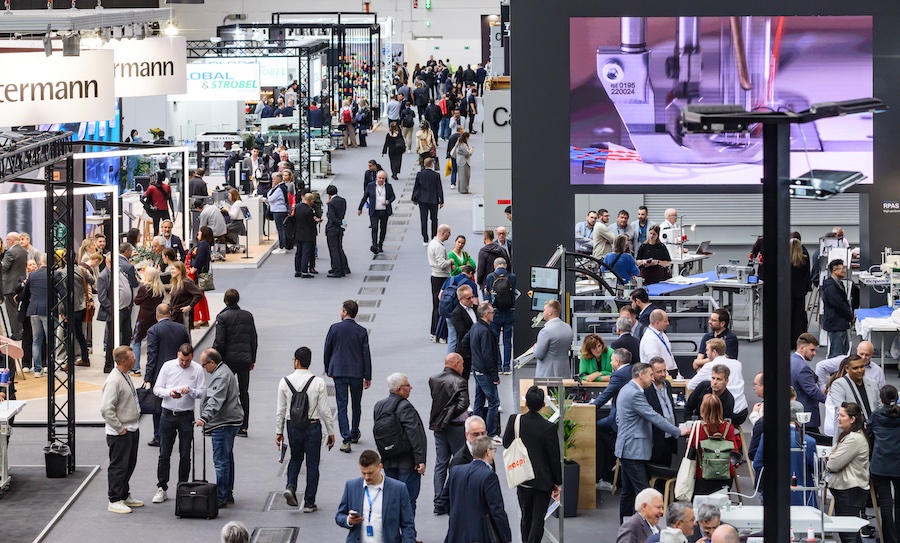
Techtextil and Texprocess 2028 strengthen networking and business opportunities along the textile value chain

Techtextil and Texprocess are preparing for their next editions from 4 to 7 April 2028 in Frankfurt with an optimised hall layout designed to strengthen connections across the textile value chain. The new structure brings materials, production technologies and processing solutions closer together, while several leading international companies have already confirmed their participation. Exhibitors can benefit from early-booking rates until 30 November 2026.

#Textile chemistry

Archroma and Prosperity Textile to collaborate on denim innovation

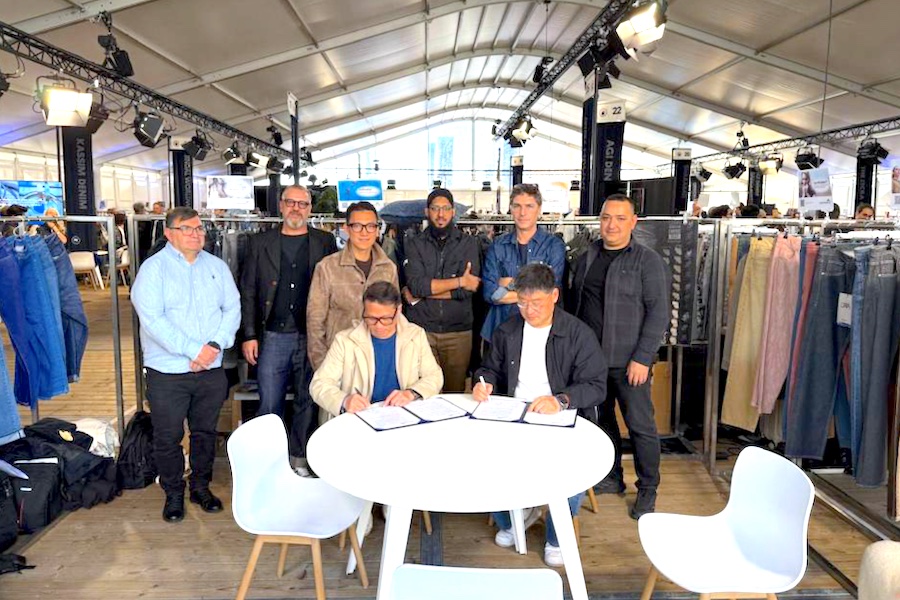
Archroma, a global leader in specialty chemicals, and Prosperity Textile, an international fabric manufacturer with production bases in China and Vietnam, have announced a partnership to drive denim innovation. They will collaborate to develop, evaluate and implement new approaches to improve denim aesthetics, durability and performance, with a shared commitment to sustainability.

#Textile chemistry

SANITIZED and RUDOLF join forces to extend textile performance and wearability

Long-lasting performance textiles require solutions that address a wide range of consumer expectations, from lasting freshness and comfort to reliable protection against the elements. SANITIZED and RUDOLF are highlighting their latest innovations, demonstrating how specialized textile technologies can support the functional durability and wearability of modern apparel.

Latest News

#India ITME 2026

Stäubli to introduce new S3292 dobby for high-speed weaving at ITME India 2026

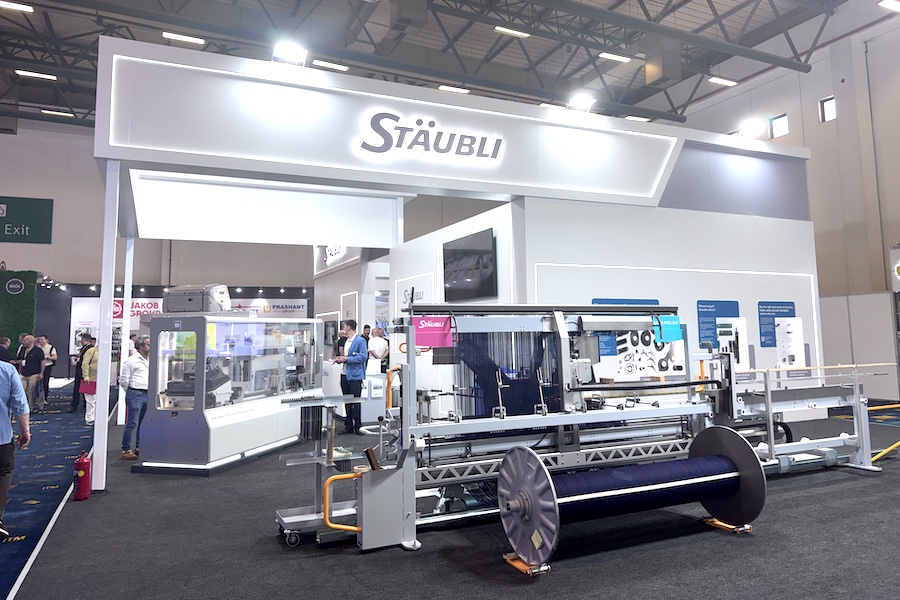
Stäubli will introduce its new S3292 dobby at ITME India 2026, taking place from December 4 to 9 at the India Expo Centre & Mart in Greater Noida, Uttar Pradesh. Designed for high-speed air-jet weaving, the new machine will be among the highlights of the company's presentation, which also includes warp preparation systems, cam motions, Jacquard technologies and digital services.

#Research & Development

DITF develops bio-based binding fibers for wood-fiber insulation materials

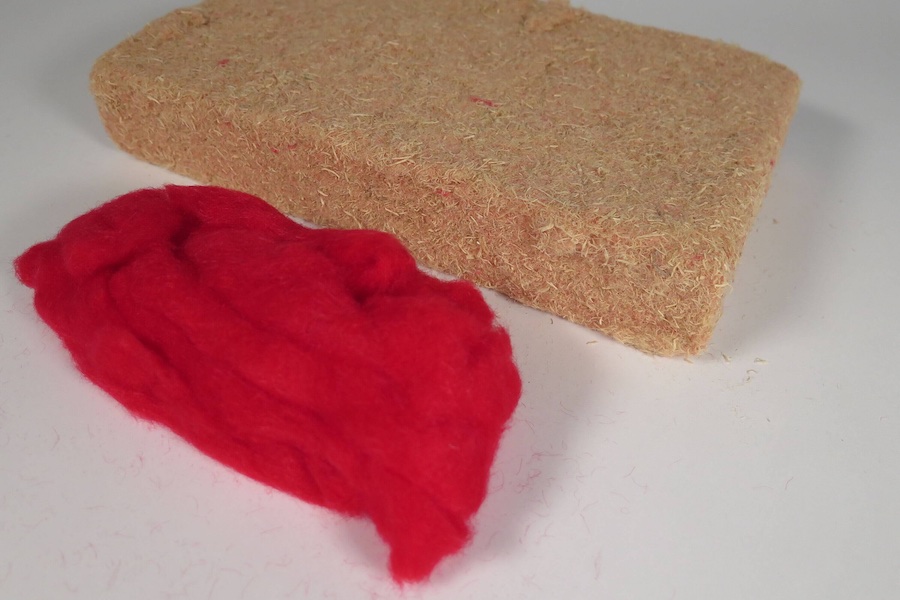
As part of the CelluWoodFlex project, the German Institutes of Textile- and Fiber-Research in Denkendorf (DITF) are developing bio-based cellulose ester fibers as alternative binding fibers for flexible wood fiber insulation materials. In addition to the spinning process and the production of suitable staple fibers, the institute is also investigating how wood and cellulose fibers can be separated and recycled at the end of their useful life.

#Recycled Fibers

Reju expands textile-to-textile recycling network with six international fabric manufacturers

Reju, a textile-to-textile regeneration company, is expanding its industrial network through collaborations with six fabric manufacturers in Europe and the Americas. The initiative aims to accelerate the integration of regenerated polyester into textile manufacturing and support the development of finished fabrics for commercial applications.

#Nonwovens

Magnera highlights HighPleat™ filtration media technology at FiltXPO 2026

At FiltXPO 2026, held on October 28–29 at the Minneapolis Convention Center in Minneapolis, Minnesota, Magnera highlighted advances in air filtration media architecture, with a particular focus on its HighPleat™ platform for MERV 8–10 applications. The technology combines a lofted fiber structure with optimized pore architecture to address the challenge of balancing filtration efficiency, airflow resistance and contaminant-holding capacity.

TOP