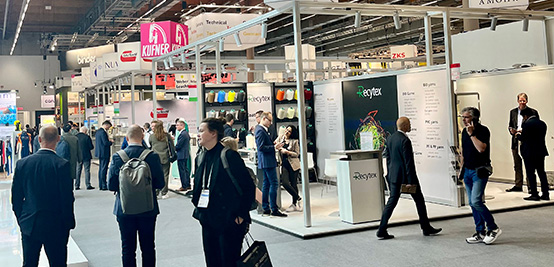
#Techtextil 2024
Filidea Technical Yarns at Techtextil
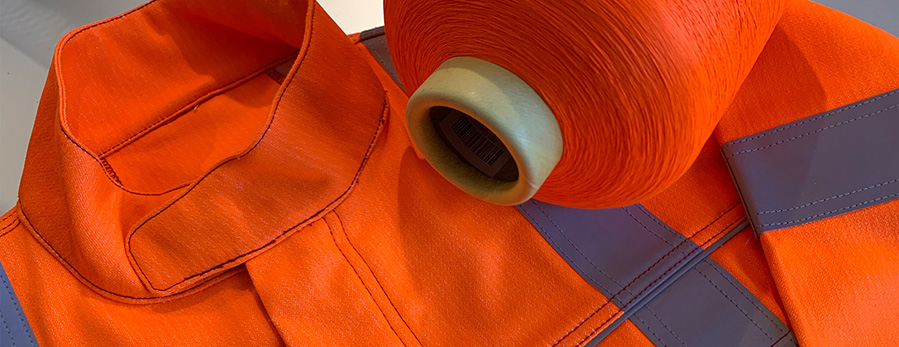
The specialist know-how of Filidea Technical Yarns is demonstrated by the intense R&D activities in the field of technical yarns, with focus on sustainability and technology for recycling fibres.
Numerous developments of innovative projects have been carried out in the last couple of years and range through various fields, with important partnerships with other players in the sector.
Protex F and state-of-the-art modacrylic yarns
The development of state-of-the-art modacrylic yarns - PROTEX F and SI - is in an advanced stage, being carried out in collaboration with Filidea’s major customers. The entry of these yarns onto the market, foreseen for the year 2025, will represent a step towards the conformity of this type of product with the most advanced standards required for certifications in the coming years.
The recycling of end-of-life garments to produce flame retardant yarns
Filidea collaborates with Kaneka Corporation, Japan, the manufacturer of the Protex flame retardant modacrylic range from Waxman Fibres LTD, in developing an innovative recycling process that uses textile waste (end of life garments) as raw material for chemical recycling. The chemical recycle process which is an innovative technology programme, reduced the end of life garments back into base gases, which are then used to produce acrylonitrile and subsequently used for the reproduction of modacrylic Protex fibres. The process is adaptable to various fiber blends, eliminating the need for a pre-cleaning treatment, and, with a conversion efficiency of 99%, represents a significant example of circularity and reduction of environmental impact from production.
Glacier Project in partnership with Lenzing
Speaking of the most advanced practices in circular economy, Filidea shares with the Marchi & Fildi Group a high-level expertise in the mechanical recycling of fibers. Because of this specialized skill, the Group was involved in the pilot phase of the Glacier Project, an initiative conceived and promoted by Lenzing, a leading company in the development of innovative fibers.
This international collaboration originates from the desire to preserve glaciers from melting by using geotextiles made of cellulosic fibers - which do not release microplastics - and continues, after the usage period, with a supply chain of excellence that breathes new life into these massive coverings.
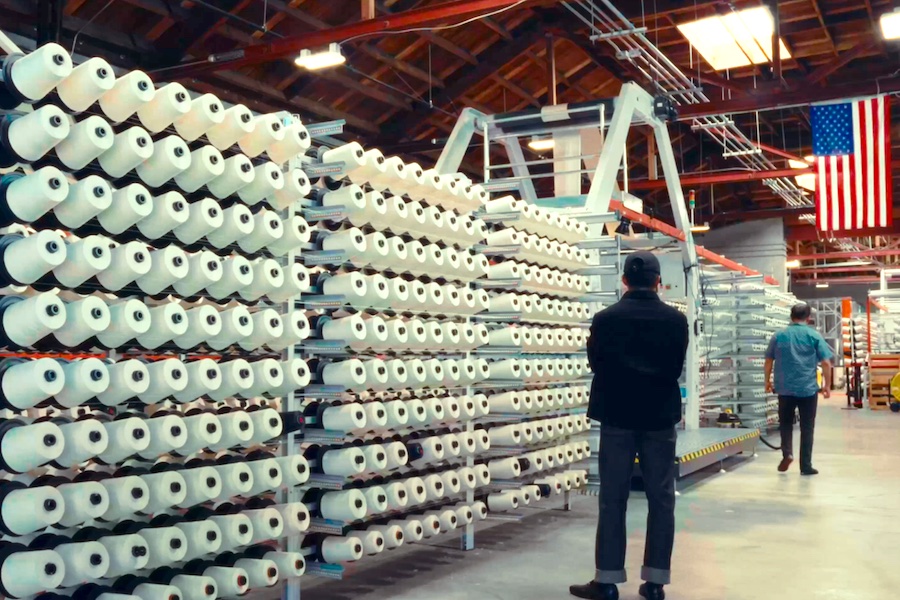
The know-how related to the mechanical recycling within the Group, which includes Filidea and Marchi & Fildi, allows the unraveling and re-composition of fibers into new yarn, which is then used for creating new fabric, available to brands and designers for the production of new clothing items.
MagnoLab, the network of companies for textile innovation
The path taken by Filidea Technical Yarns for the application of technologies and specialist mechanical recycling competences of fibres in the field of technical yarns has experienced a fundamental acceleration with the projects carried out at, MagnoLab, the network for textile innovation which develops new, concrete solutions characterised by sustainability. Located in a single facility, MagnoLab is a collection of pilot plants from companies covering the entire textile supply chain, and it now numbers among its partners various companies at different steps of this supply chain: Achille Pinto, DBT Fibre, DeMartini, Di.Vé, Filidea, Maglificio Maggia, Marchi & Fildi, Pattern, Pinter Group, Tintoria Finissaggio 2000.
New investments in the dyeing plant and reduced energy consumption
Filidea is continuing its investment in the optimisation of its production processes, with particular reference made to the dyeing shop, which represents one of the Group’s points of excellence, and it is also available for processing under contract.
In addition to conformity with European standards pertaining to use of, purification and emission of water based on the recent LCA (Life Cycle Assessment) study, the plant has registered savings of 48% of water necessary, 57% of energy and 48% of steam emission, for a consolidated saving of 37% of the resources forecast for the entire process.
With the commissioning at the beginning of April 2024 of the RHeX60 heat exchanger, provided by the company Pozzi Leopoldo, the plant has achieved a significant improvement in energy recovery, using the warmth of waste water to heat the cold water to be used in subsequent processes. This method is carried out without the necessity of any type of emission filtration, thus maximising thermal recovery.
The most relevant results of the investment derive from the ability to employ shorter dyeing cycles, reduce gas consumption and contain emissions connected to the dyeing process into the atmosphere.