[pageLogInLogOut]

#Sustainability

Fashion For Good launches fibre fragmentation project: Behind the break
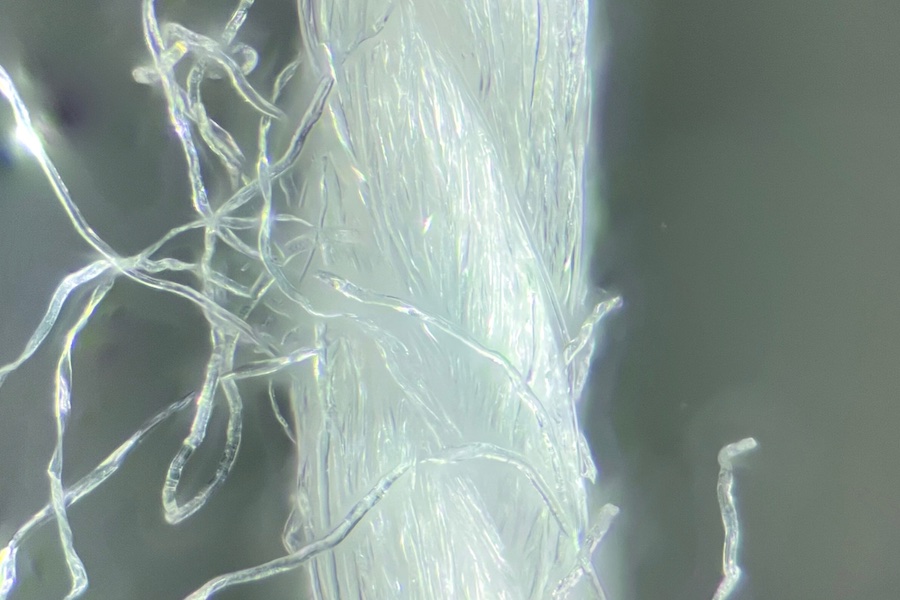
AMSTERDAM - Fashion for Good and The Microfi bre Consortium launch 'Behind the Break: Exploring Fibre Fragmentation,' a landmark study investigating the key drivers of fi bre fragmentation. The research aims to challenge root causes and assumptions, address data gaps, and validate test methods. Tackling the issue at the source, this project will advance the industry knowledge needed to mitigate fi bre fragment pollution.
© 2025 Fashion for Good


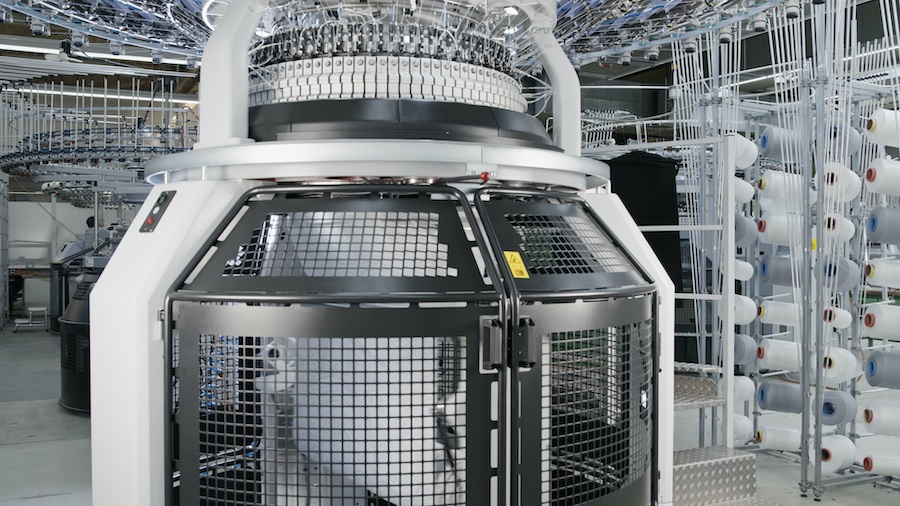
The project brings together major fashion brands and manufacturers including adidas, Bestseller, C&A, Inditex, Kering, Levi Strauss & Co., Norrona, ON, Paradise Textiles, and Positive Materials, with Under Armour joining as a project partner. Testing will be conducted across three laboratories - Paradise Textiles, Under Armour, and IMPACT+ Network from Northumbria University - to analyse fi bre fragmentation in cotton knit, cotton woven, and polyester knit fabrics.

[P class="MsoNormal" style="margin: 0cm; font-size: medium; font-family: Aptos, sans-serif; caret-color: rgb(0, 0, 0); color: rgb(0, 0, 0); text-align: start;":Behind the break: Data required to understand root causes of fragmentation

Fibre fragmentation is a signifi cant topic of concern across the industry, with studies highlighting the potential threat to ecosystems and human health. This underscores the urgent need for the development of effective strategies aimed at mitigating the negative impact of fi bre fragments.

In recent years, several domestic and industrial mitigation efforts have been developed to capture fi bre fragments before they enter air, water, and soil. However, the focus lies in reducing fi bre fragments from entering the environment downstream, rather than tackling the problem at the source.

It is pivotal for the industry to better understand the root causes and mechanisms of fi bre fragmentation. Therefore, under this initiative, Fashion for Good and The

Microfibre Consortium are launching:

? A new report, which aims to offer a snapshot of the issue of fi bre fragmentation through the lens of the textile and fashion industry, unpacking various aspects of this complex issue (defi nition, sources and pathways, root causes, analytical test methods, solution portfolio, biodegradation, toxicity and regulation).

? “Behind the Break: Exploring Fibre Fragmentation” project, identifying root causes of fi bre fragmentation within manufacturing processes (such as different dye methods) and how these infl uence fi bre fragmentation. It will focus on three different fabric types - cotton knit, cotton woven and polyester knit. The project includes various testing methods, leveraging the expertise of project partners Under Armour, Impact+ and Paradise Textiles. You can learn more about the testing details here.

"Fibre pollution is a challenge that the industry faces as a whole, so we are partnering with The Microfi bre Consortium to contribute to the foundation of data that will help us better understand the root causes of fi bre fragmentation. The focus on different testing methods will allow us to reduce uncertainty, take a common direction and set priorities for future research and initiatives within the industry”, said Katrin Ley, Managing Director at Fashion for Good.

Kelly Sheridan, CEO at The Microfibre Consortium, said: "Partnering with Fashion For Good has helped to unite the project partners behind the ongoing need for alignment on closing fi bre fragmentation knowledge gaps. With this rallied support, we can build on the existing state of knowledge and make great strides in addressing urgent topic challenges for a future of informed, science-led and integrated mitigation action.” 

This initiative aims to identify the most effective approaches to tackling fi bre fragmentation at the source through the following insights:

? Enhancing Test Methods: Validate and refi ne testing techniques to ensure accuracy, reliability, and alignment with industry standards.

? Strengthening Data Correlation: Compare results across methods to identify variations, uncover discrepancies, and establish clearer data connections.

? Driving Improvements: Address limitations in current methods, expand databases, and support better design and supply chain practices.

? Supporting Stakeholders: Equip partners and industry players with practical strategies to reduce fragmentation through improved design and manufacturing.

? Informing Policy: Provide valuable insights into contamination and fi bre structures to shape effective regulations and policies.

To read the report and learn more about the project click here:

https://www.fashionforgood.com/case-study/behind-the-break/


Lucie Anne Martinol, Textile Innovation Lead at ON, said: "By conducting this study, we are taking a proactive approach to addressing microfi bre release. Our goal is to leverage data-driven insights to improve our processes, product design, and sourcing practices, thereby contributing to a less polluting industry. Collaboration across stakeholders is crucial to accelerating our progress toward a more sustainable future.” 

And Lewis Shuler, Head of Innovation at Alpine Group/Paradise Textiles, said: "At Paradise Textiles, we recognise that the future of the fashion and textile industry hinges on our ability to address challenges like fi bre fragmentation head-on. By partnering with Fashion for Good and The Microfi bre Consortium, we're bringing collective insights together to validate theories on the root causes of fi bre fragmentation. Our objective is to identify processes and strategies that mitigate fi bre pollution through informed textile design and manufacturing processes. We're excited about continuing this critical work and pioneering innovative technologies that can reshape the industry for the better.” 

“Positive Materials believes that reducing fi bre fragmentation requires innovation at every stage. Our partnership with Fashion for Good and The Microfi bre Consortium on Behind the Break is critical because we're not just aiming to reduce shedding; we're making sure our materials maintain the high standards our customers depend on. It’s about fi nding that balance where environmental responsibility drives innovation, not compromises it”, stated Elsa Parente, Co-CEO & CTO of Positive Materials.


More News from Fashion for Good

#Recycling / Circular Economy

Fashion for Good releases open-source blueprint for near-net-zero textile manufacturing

Fashion for Good launches the first open-source blueprint for near-net-zero textile manufacturing, tackling one of fashion’s biggest emissions hotspots. Developed under the Future Forward Factory project, the blueprint offers Tier 2 manufacturers in India five practical, financially viable pathways to reduce carbon emissions by up to 93%.

#New Materials

From premiums to parity: How Fashion for Good is rewriting the economics of new materials

Fashion for Good launches Price Parity Toolkit: developed with support from Laudes Foundation, Canopy and Finance Earth, the framework introduces an innovative financing approach (premium decoupling) to remove price premiums from the supply chain and unlock faster adoption of lower-impact materials across the industry.

#Natural Fibers

Fashion For Good launches “Beyond50 Denim” to address hemp integration barriers in global denim production

Fashion for Good, together with leading global brands BESTSELLER, C&A, PDS Limited, Reformation, and Target, launched Beyond50 Denim: Combining Cottonised Hemp and Green Chemistry, a project accelerating the use of hemp as an alternative to conventional cotton in denim. By combining two pioneering innovations (SEFF’s Nano-Pulse™ cottonised hemp fibres and FIBRE52™’s proprietary chemistry formulations with soft handfeel), the project seeks to demonstrate that hemp-based denim can match or even surpass cotton in both performance and appeal.

#Sustainability

Fashion For Good unveils “The Next Stride”, a new footwear project to replace fossil fuel mate-rial with bio-based sole innovation

Fashion for Good today announced the launch of The Next Stride: Bio-Based Materials for Footwear Soles, a 12-month project to transform the $400 billion footwear industry¹ by reimagining one of its most impactful components: the sole. In partnership with adidas, Target, and Zalando, alongside leading material innovators Algenesis Labs, Balena, Evoco, KUORI, and Yulex, the initiative will test and validate bio-based polymers as high-performance alternatives to the fossil fuel–derived materials that dominate footwear production. By focusing on the sole (the foundation of every shoe), The Next Stride aims to accelerate the industry’s shift toward scalable, circular solutions.

More News on Sustainability

#Sustainability

VAUDE eliminates PFAS from all products

PFAS (per- and polyfluoroalkyl substances) are now detectable worldwide – in drinking water, soil and the human body. These so-called “forever chemicals” are considered hazardous to health and potentially carcinogenic, as they do not break down and remain in the environment permanently. Despite these risks, PFAS are still used in a wide range of products. More than 15 years ago, VAUDE made a strategic decision to gradually eliminate PFAS from all product categories.

#Sustainability

OEKO-TEX® chooses TextileGenesis to advance digital traceability for organic cotton

OEKO-TEX® today announced a full collaboration with TextileGenesis, a Lectra company, to digitally trace and authenticate organic cotton, strengthening fraud prevention across the supply chain. This announcement follows a successful pilot and brings together OEKO-TEX®’s certification expertise and closed testing system with TextileGenesis’ digital traceability platform to deliver a secure, end-to-end solution for managing certified organic cotton flows.

#Europe

ICAC to support European Commission on pending PEF legislation

The International Cotton Advisory Committee (ICAC) is proud to announce that it has been included as a member of the European Commission’s Technical Advisory Board (TAB) on the Product Environmental Footprint methodology. The Commission developed the Product Environmental Footprint (PEF) to assess and communicate the life cycle environmental performance of products and organizations.

#Nonwovens

ENDURANCE Program: Driving operational sustainability at Magnera

As Magnera enters a new year, the company is reflecting on a key sustainability milestone from 2025: the launch of ENDURANCE, its global, employee-led initiative focused on waste reduction and sustainable innovation. Launched on Earth Day 2025, this initiative has generated more than 250 improvement submissions from team members across Magnera’s global operations, demonstrating strong engagement and shared accountability for sustainability across the organization.

Latest News

#Functional Fabrics

“Action helps us change what we do!”

DAY 0 takes place deliberately before PERFORMANCE DAYS begins. It is conceived as a space for reflection, dialogue and active engagement — a moment to pause before the fair, rethink established systems and address sustainability not as a trend, but as a fundamental transformation challenge. Under the guiding metaphor “Turn the Tap Off”, DAY 0 focuses on root causes rather than symptoms, systemic change rather than isolated solutions, and collective responsibility rather than individual silos.

#Textiles & Apparel / Garment

Pets in fashion: functional and sustainable textiles find new market at Intertextile Apparel

China’s pet economy is booming, especially amongst younger generations, and pet apparel – from designer outfits to functional garments – was a RMB 3.5 billion (over USD 500 million) market in 2024, growing more than 20% annually¹. To help exhibitors harness this trend, Intertextile Shanghai Apparel Fabrics – Spring Edition 2026 will launch the Pet Boutique, presenting a range of innovative, sustainable materials that prioritise both functionality and comfort for pets.

#Man-Made Fibers

Lenzing AG to become majority owner of TreeToTextile AB and accelerates industrialization of new fibers

The Lenzing Group is taking another strategic milestone by acquiring a controlling majority in the Swedish innovation company TreeToTextile AB. This step strengthens Lenzing’s position as a leading provider of sustainable, wood‑based specialty fibers and expands its innovation pipeline with a highly scalable, patent‑protected technology platform. The transaction is executed through the issuance of new shares.

#Raw Materials

Better Cotton Initiative marks certification anniversary with progress update and accreditation

One year since becoming a certification scheme, the Better Cotton Initiative (BCI) has announced that more than 3,000 supply chain actors have been certified. At farm level, more than 30% of farms and producer units supplying BCI Cotton have received a positive audit outcome.

TOP