[pageLogInLogOut]

#Sustainability

Sustainable Apparel and Textiles Conference: driving positive impacts on the route to net-zero

On the 25th and 26th April, the Sustainable Apparel and Textiles Conference (SATC) took place in Amsterdam, where participants addressed various issues related to sustainable fashion and textiles. This year’s theme was ‘Towards industry alignment’ and included multiple panel discussions and breakout sessions on how brands can transform supply chains, scale circularity, and drive positive social impacts on the route to net-zero.

Nowadays, aligning and adapting practices to deliver on growing stakeholder expectations is increasingly becoming a topic of core focus for those involved in the textiles industry. This includes setting credible targets for emissions reduction and demonstrating progress through transparent reporting.
© 2023 U.S. Cotton trust Protocol


Throughout the conference, speakers emphasized the importance of reducing emissions across the value chain and educating consumers about sustainable fashion. They underlined the significance of forming alliances with like-minded partners across the value chain to achieve these goals. The need for a clear definition of “sustainable fashion” was also highlighted, as the use of technical terms and jargon could alienate customers who find it hard to understand such language. Brands were advised to use simple language and provide scientific evidence to support their green claims.

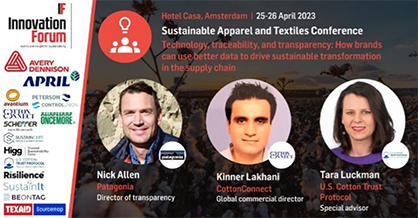
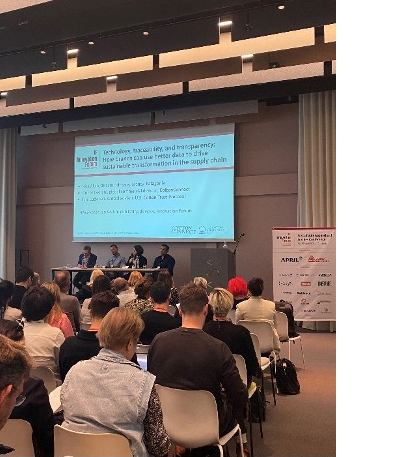
On the second day of the conference, Advisor to the U.S. Cotton Trust Protocol, Tara Luckman, had the opportunity to speak at a panel session on ‘technology, traceability and transparency’, during which she highlighted how brands and retailers can use better environmental data to drive sustainable transformation in the supply chain. 
© 2023 U.S. Cotton trust Protocol


In particular, Tara noted that such insights and analyses should help form a strong basis for better sourcing decisions, where it is important to not only engage with brands but also to learn and grow from the farmers on the ground feeding self-declared data into the system on how they grow cotton more sustainably.


SATC showcased the importance of data and traceability in the fashion industry, where there is a growing need for technological solutions to improve the products’ chain of custody. Participants highlighted the importance of upcoming EU and global initiatives on ecodesign requirements, green claims and corporate sustainability reporting, which are seen as crucial to promote transparency across the textile supply chain. The Trust Protocol is actively engaged on these topics and looks forward to continuing having fruitful discussions about them.
© 2023 U.S. Cotton trust Protocol


More News from TEXDATA International

#ITM 2026

ITM 2026: The new geography of textile production

New production hubs are emerging across North Africa and Central Asia, while Türkiye is accelerating its transformation toward higher-value, technology-driven and more sustainable textile manufacturing.

#Research & Development

“Production is a product”

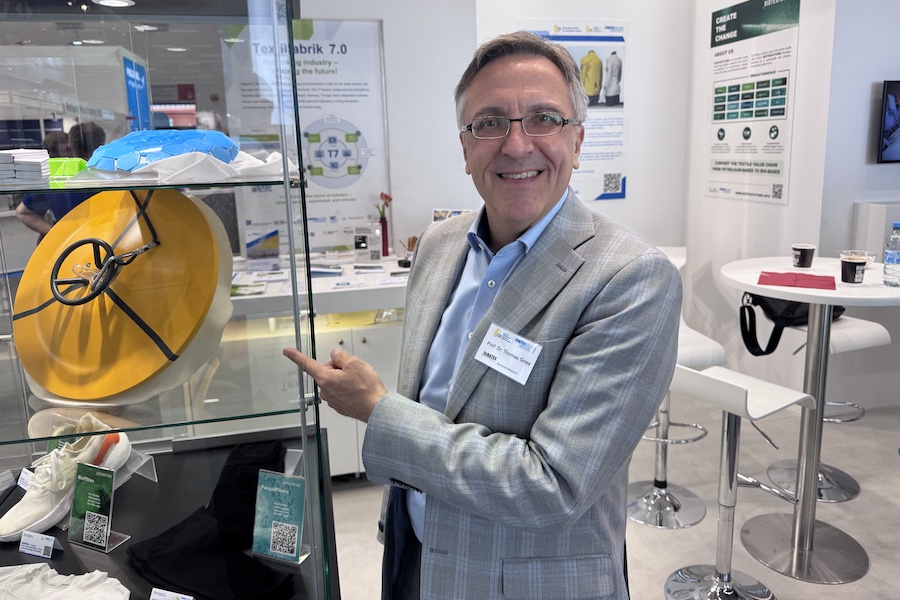
From technical textiles and AI-driven robotics to the limitations of textile circularity: Professor Dr Thomas Gries looks back on more than two decades of development at ITA Aachen. In the interview, he explains why production technology remains a decisive success factor, discusses international collaborations and innovation ecosystems, and shares his views on the transformation of production landscapes and the challenges facing an increasingly regulated industry.

#Knitting & Hosiery

“We need to move away from the price trap and return to a value-driven mindset.”

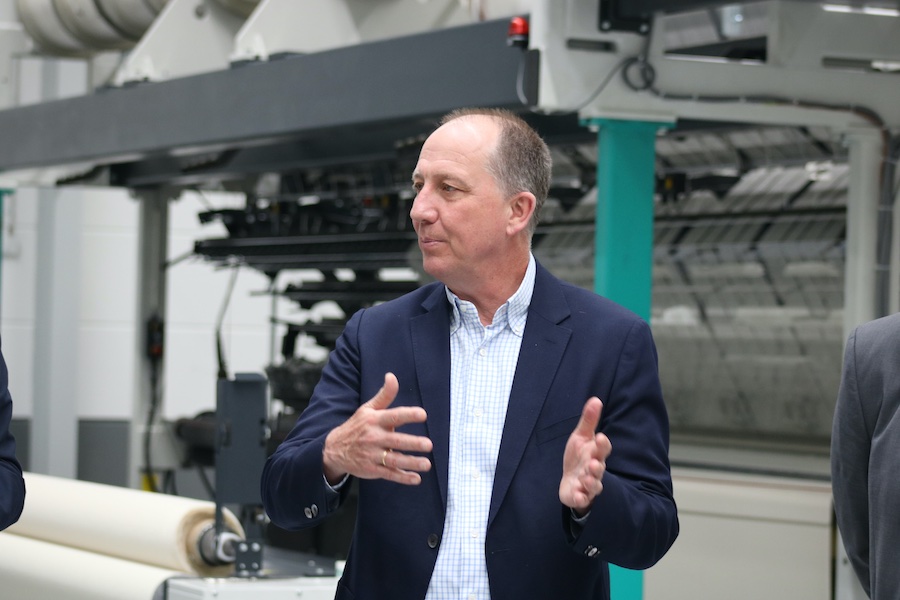
With its new Textile Innovation Center, KARL MAYER is sending a strong signal for innovation, collaboration, and the future of textile applications. In this interview, Karl Josef Mayer discusses new opportunities in warp knitting, the processing of staple fibres, recycling, the changing role of machinery manufacturers, and why the textile industry must once again focus more strongly on the value of textiles. by Oliver Schmidt

#Associations

“Innovation, resilience and international experience remain the great strengths of the Swiss textile machinery industry”

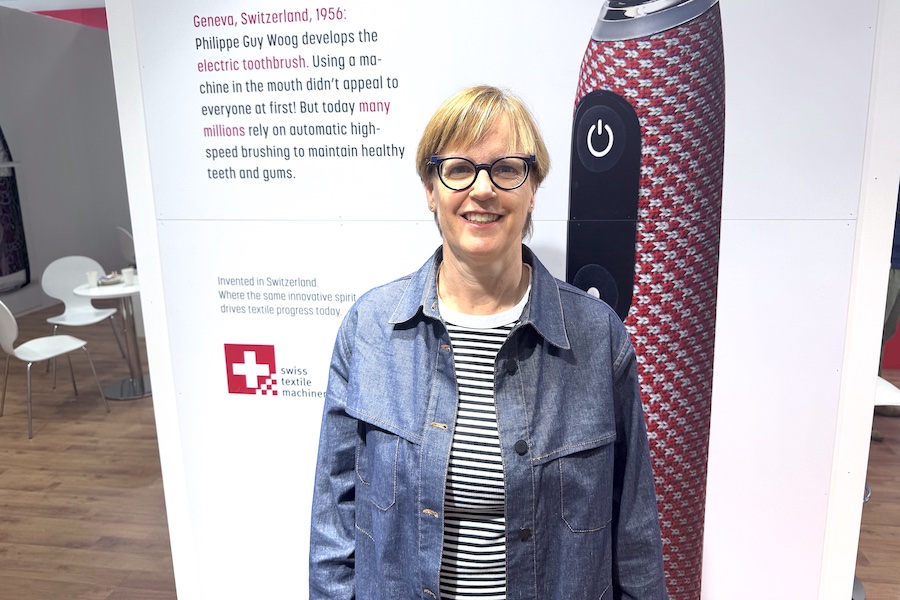
Geopolitical uncertainty, growing competitive pressure from China, new free trade agreements and the shift towards a circular economy are currently reshaping the global textile industry. In this interview, Cornelia Buchwalder discusses the current mood within the Swiss textile machinery sector, the industry’s distinctive innovative strength, new market opportunities in India and Asia, and the technological trends that could shape the upcoming trade fair cycle leading up to ITMA 2027.

More News on Sustainability

#Sustainability

Textile Exchange reports growth in certifications and industry engagement

Textile Exchange has published its 2025 Annual Report, highlighting continued growth in certified sites, industry participation and the development of its standards and membership structure. According to the report, more than 100,000 sites worldwide are now certified to Textile Exchange standards, more than three times the number recorded in 2020. Preliminary figures also indicate 12% year-on-year growth across the organization's current standards, including the Global Recycled Standard (GRS), Recycled Claim Standard (RCS) and the Responsible Animal Fiber standards.

#Textile chemistry

bluesign updates chemical reference lists with stronger PFAS restrictions

bluesign has published the 2026 editions of its three core chemical reference lists, introducing updated substance limits and testing requirements in line with the latest scientific findings and regulatory developments.

#Sustainability

GOTS releases Version 8.1 with clarifications and editorial updates

Global Standard has released Version 8.1 of the Global Organic Textile Standard (GOTS), following the publication of Version 8.0 in March 2026.

#Sustainability

bluesign appoints Hanane Taidi as CEO to lead next phase of global impact

bluesign, which partners with the textile industry to reduce adverse impact across the value chain, appoints Hanane Taidi as Chief Executive Officer, marking a pivotal moment as the company builds on its leadership amid rapid industry change.

Latest News

#Functional Fabrics

PERFORMANCE DAYS announces new focus topic & forums for October 2026

With its upcoming October 13–14, 2026 edition, PERFORMANCE DAYS is placing the spotlight on one of the textile industry’s most important transformations: “Bio-Based Materials – From Fiber to Fabric”, a two-part Focus Topic exploring the future of bio-based innovation across the textile value chain. Part 1, presented in October 2026, will focus on fibers and next-generation material developments, while Part 2 at the March 2027 edition will shift the perspective toward dyeing, finishing, additives, and processing technologies.

#Nonwoven machines

MENANG rapidly resumes production with new ANDRITZ airlay line after major fire

MENANG, a Malaysian manufacturer of nonwoven automotive components, has resumed production after a major fire severely damaged its airlay line in mid-March 2026. A new airlay line supplied by ANDRITZ enabled production to restart within only four months.

#Exhibitions & Events

Febratex 2026 to be the largest edition of the leading textile trade fair in the Americas with 10 exhibition halls

Febratex 2026 will be the largest edition in the history of the leading textile trade fair in the Americas. Dedicated to the textile and apparel manufacturing industries, the event will take place from August 18–21, 2026, in Blumenau, Santa Catarina, Brazil, with a strong focus on technology, sustainability, and business generation.

#Raw Materials

Cotton Brazil Dialogues field trip brings international stakeholders closer to Brazil’s cotton production chain

How do you build trust across the global textile value chain? By opening the farm gates. This is the principle behind the Cotton Brazil Dialogues. At the end of July, the programme welcomed its first group of international participants for a five-day immersion into Brazilian cotton production, combining field visits with technical workshops to showcase the quality, sustainability, innovation and traceability behind one of the world’s leading cotton origins.

TOP