#Sustainability
DuPont Biomaterials and Lenzing collaborate to launch new sustainable fabric collection

The new certified mill-collection will expand the future of sustainable textiles for designers to use in various applications, including active wear, ready-to-wear, intimate apparel and denim.
With a rich history of textile innovation, DuPont has invented groundbreaking fibers such as nylon, Lycra®, DuPont™ Kevlar® and rayon. Its Sorona® brand – made from 37 percent renewable plant-based ingredients – offers a high-performing, responsibly sourced material option.

Lenzing has 80 years of experience producing high-quality fibers with environmentally responsible and innovative technologies that help preserve the planet’s natural resources. TENCEL™, Lenzing’s textile specialty brand, is derived from sustainably sourced natural raw material wood. TENCEL™ branded fibers are produced via an environmentally responsible production processes, and are compostable and biodegradable, which defines a new evolutionary step of sustainability and natural comfort for everyday use.
“The future of fibers belongs to the companies that are putting performance and sustainability at the forefront of everything they do,” said Renee Henze, Global Marketing Director, DuPont Biomaterials. “Our collaboration with Lenzing’s TENCEL™ branded fibers will allow more apparel brands the opportunity to weave sustainable comfort into their products and achieve the ultimate blend of comfort, eco-efficiency and performance. Together, DuPont and Lenzing address tomorrow’s challenges through renewably sourced fiber materials without compromising performance and value.”
The blend of DuPont™ Sorona® fibers and TENCEL™ Lyocell and TENCEL™ Modal fibers encompasses an entire range of constructions, colors and weights. There are many stretch fabrics in this collection offering designers spandex-free options. Sorona® polymer fibers offer the perfect comfort stretch performance without breaking down overtime, due to heat, UV rays, or chlorine exposure meaning clothes continue to look, feel and perform great each time you wear them.

Offering vibrant, soft and breathable fabric material options, the first versatile collection will include various applications:
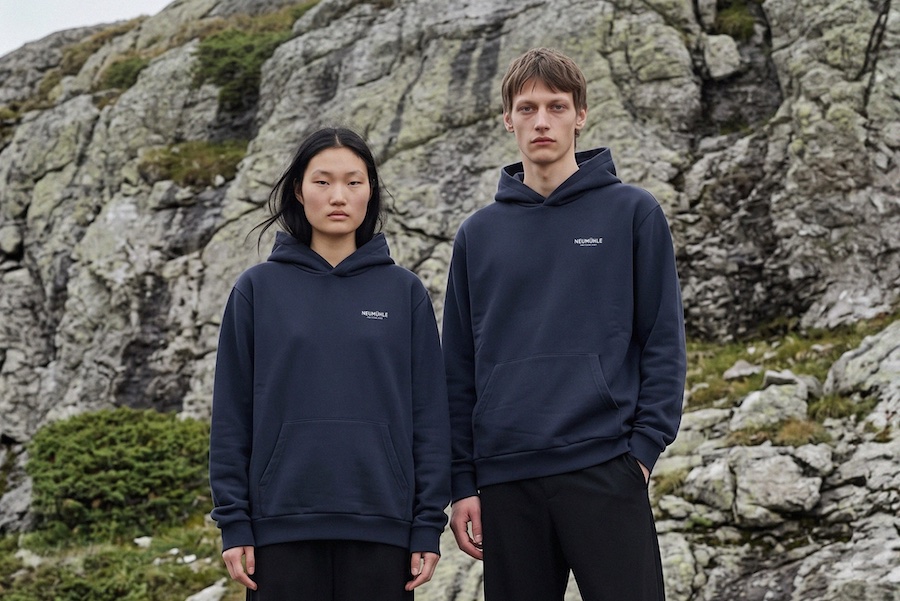
- Intimate apparel: Exceptionally soft knitted blends of TENCEL™ Modal fibers and Sorona® fibers create a blend of long-lasting luxurious softness and cozy comfort that creates a barely there feel.
- Active wear: TENCEL™ Lyocell and Modal fibers together with Sorona® fibers create knitted fabrics that can keep the body pleasantly cool and dry with their natural comfort and versatility, enabling freedom to move with confidence.
- Ready-to-wear: TENCEL™ Lyocell and Modal fibers and Sorona® fibers combine to form a comfortable woven collection that enable natural comfort, softness, smoothness, color performance, moisture management, stretch, recovery and dimensional stability that is catered for everyday use.
Both TENCEL™ Lyocell and TENCEL™ Modal fibers have similar product benefits in terms of softness, smoothness, color performance, moisture management, are derived from the natural raw material wood, and are produced in environmentally responsible production processes. What the DuPont™ Sorona® polymer based fibers brings to the table is stretch without spandex, recovery and dimensional stability giving the exceptional soft and comfortable constructions allowing for movement and resilience for going the extra mile.
“As a specialty fiber business with a strong focus on innovation and quality, sustainability plays an integral role in what we do. With the introduction of the TENCEL™ brand last year, we are moving beyond fiber types and characteristics and moving toward everyday use and benefits that brands and consumers value. By joining forces with another industry leader, we are enabling the acceleration of textile innovation through developing new environmentally responsible solutions,” said Andreas Guertler, Head of Global Business Development – Active and Outerwear, Lenzing AG. “Both DuPont and Lenzing share a rich heritage which is engrained in sustainability and innovative thinking. The combination of Sorona® fibers with TENCEL™ branded fibers will enable us to introduce next-generation fabrics that combine natural comfort, color performance, versatility, smoothness, softness and moisture management, exceed consumer expectation and enable them to ‘feel so right’.”
Discover the feeling of nature and experience the new collection for yourself. For additional information about Sorona® fibers, visit https://www.sorona.com. To learn more about TENCEL™, visit https://www.tencel.com.