[pageLogInLogOut]

#Spinning

China expands HMLS capacities

Demand for high-performance yarns on the rise
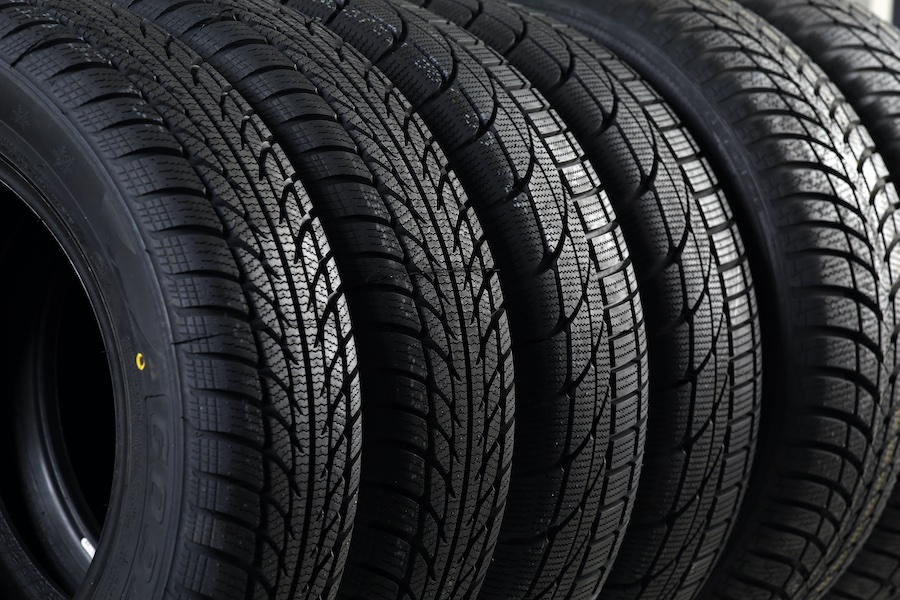
Reinforced with dimensionally stable HMLS yarn, tires remain dimensionally stable even under load and temperature © 2025 Barmag
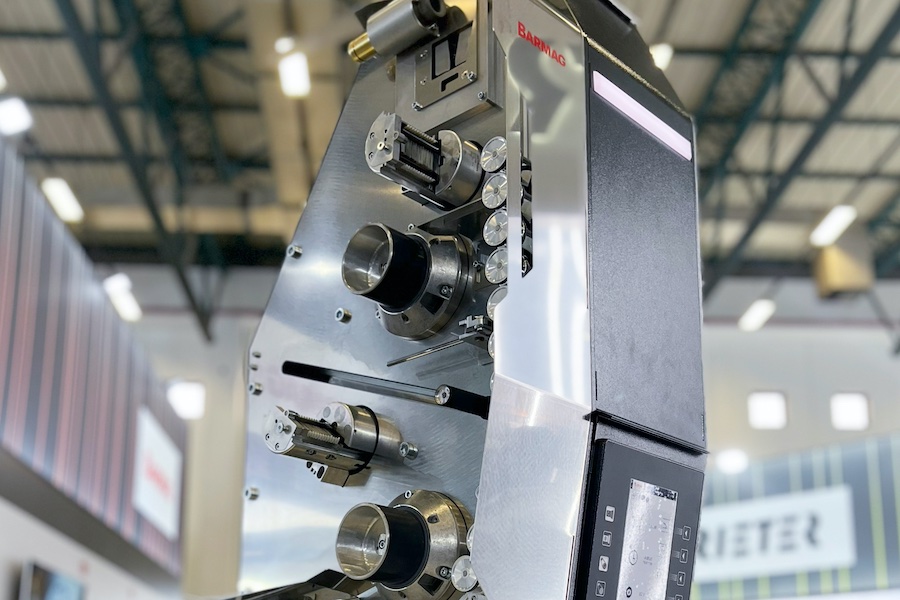
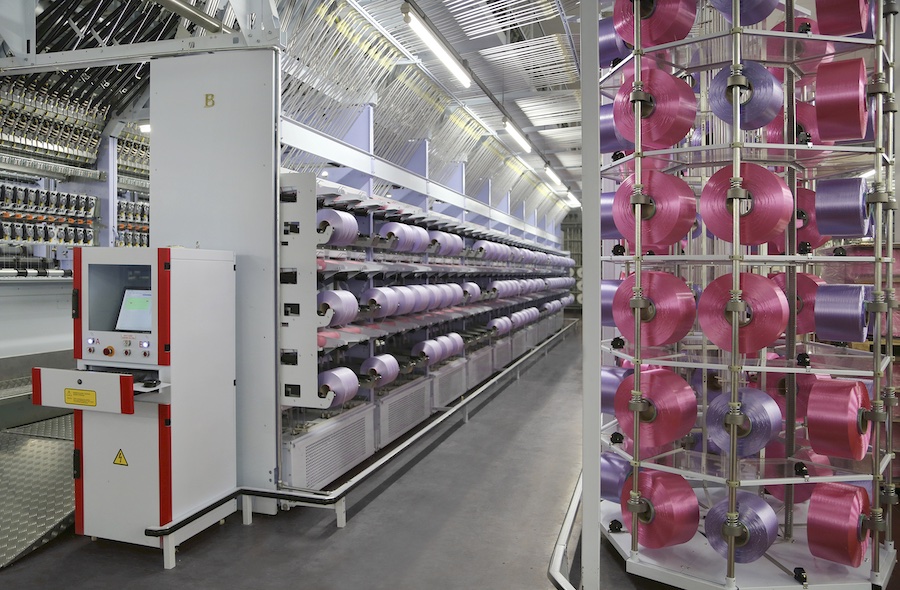
Barmag, a subsidiary of the Swiss Oerlikon Group, will commission three HMLS yarn systems with a total of 30 stations at renowned technical yarn manufacturers in China over the next three months.

Particularly noteworthy: among them are two HMLS producers who had previously purchased from competitors. "They were convinced by our process technology, which guarantees the economic production of HMLS yarns of the very best quality," says Sales Director Oliver Lemke, who, together with his colleagues on site, provides support to customers in the field of technical yarns. The sophisticated material obtains its special properties during the spinning process. High speeds in the production process guarantee a stable arrangement of the molecules within the polymer that forms the actual thread. The internal structure of the molecular chain, in turn, is decisive for the dimensional stability of the final yarn.

Growing demand for HMLS yarns

The industry expects demand for HMLS yarns to increase in the coming years. This is mainly due to the trend toward lighter tires. Whereas high-modulus polyester yarn (HMLS) was previously used mainly in high-speed tires, its properties now also allow the tire carcass of small vans to be converted from steel cord to polyester. HMLS yarn is extremely tear-resistant, yet highly elastic and temperature- and dimensionally stable. 

Another factor is the steadily increasing number of vehicle registrations worldwide. In China in particular, the production of local car brands has increased rapidly in recent years, which explains the expansion of capacity in the country.
More News from Oerlikon Barmag, Zweigniederlassung der Oerlikon Textile GmbH & Co. KG

More News on Spinning

#Spinning

Rieter responds to higher raw material prices

Global political and economic developments have been leading to rising raw material and energy costs for some time. The textile machinery industry is also affected by this trend. Rieter machines and components consist to a large extent of steel, copper, aluminum and electronics. These materials in particular have seen higher demand and higher prices in recent months.

#ITM 2026

The hub of smart and sustainable transformation in yarn technologies: ITM 2026

With global fiber production projected to reach 169 million tons by 2030, yarn manufacturing is becoming one of the most strategic fields within the textile machinery industry. Located in Halls 6, 7, and 10, the Yarn Hall at ITM 2026 is set to bring together industry professionals with innovative solutions developed around automation, energy efficiency, digitalization, and circular production.

#Spinning

Perfect quality through collaboration: Machinery from Trützschler, Toyota and Murata at Zirve Tekstil

In today’s textile industry, excellence is not achieved by chance – it’s the result of deliberate decisions, technical expertise, and the courage to go beyond conventional paths. The Turkish company Zirve Tekstil has done just that: by combining the best technologies from Trützschler, Toyota and Murata, they’ve created a production setup that delivers outstanding yarn quality – recognized worldwide.

#Spinning

Rieter completes acquisition of Barmag

Rieter has successfully completed the acquisition of Barmag as of February 2, 2026. This strategically important acquisition makes Rieter the world’s leading system provider for natural and synthetic fibers.

Latest News

#Sustainability

Ying McGuire becomes new CEO of Cascale

Cascale today announced the appointment of Ying McGuire as Chief Executive Officer, effective June 1, 2026.

#Technical Textiles

Sustainable, lightweight, and sound absorbing: Polyester-based front trunk solution for BEVs

As car manufacturers look to further reduce their carbon footprint, Autoneum has developed an innovative front trunk solution for battery electric vehicles (BEVs), made entirely from polyester-based textile. The Ultra-Silent Frunk offers significant weight reduction, improved acoustic and thermal insulation, and uses up to 70 percent recycled material, supporting sustainable and efficient vehicle design. Autoneum, global technology leader in acoustic and thermal management for vehicles, has already received orders for the new frunk from three major OEMs in Asia and Europe to be built in three BEV models. Series production for two BEVs has been underway in China and Germany since last year.

#Raw Materials

Modern testing methods for raw cotton

The 38th International Cotton Conference Bremen will take place from 25 to 27 March 2026 at the Bremen Parliament. This conference has traditionally stood for in-depth expertise and international exchange. The program will focus on technical innovations, market trends, and regulatory frameworks across the entire value chain – from agriculture to the circular economy. With high-profile speakers, the conference is regarded as the key meeting point for the global cotton industry. Today’s focus: Cotton quality and testing methods.

#Weaving

Stäubli demonstrates how innovation translates into real benefits for weaving mills at SITEX 2026

One of India’s most prominent textile industry events, SITEX 2026, is held from February 21 to 23 in Surat. Committed to empowering Indian weaving mills with state‑of‑the‑art solutions tailored to regional needs, Stäubli will present a selection of solutions designed for performance, reliability, and power efficiency. Through its weaving preparation, cam and dobby shedding solutions and Jacquard technologies, Stäubli highlights its global expertise tailored to the specific needs of the local market.

TOP