[pageLogInLogOut]

#Spinning

UHMWPE fibres – FET’s game changer for the biomedical market
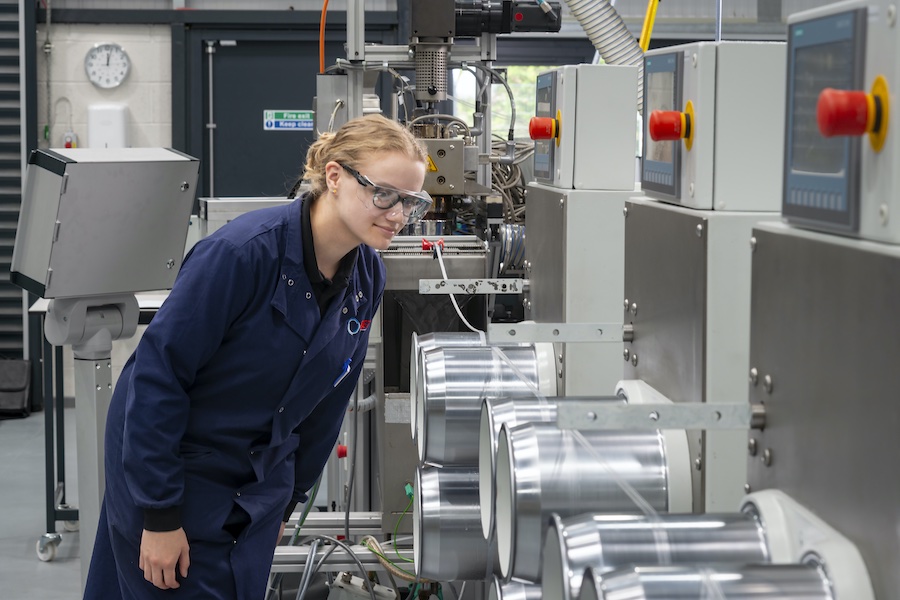
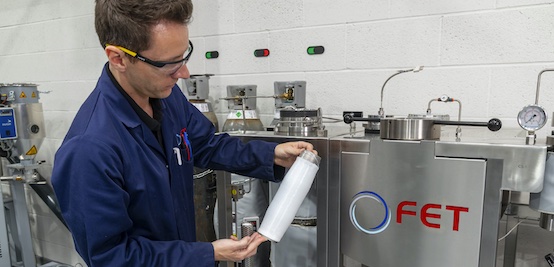
FET is launching the FET-500 Series of gel spinning systems in a move that could revolutionise the research and development of UHMWPE fibres.
© 2025 FET
© 2025 FET


Fibre Extrusion Technology Ltd (FET) of Leeds, UK, has built a reputation in medical fibre extrusion technology and innovations, designing and delivering high-performance equipment for a range of precursor medical products, including bespoke extrusion systems for the production of both resorbable and non-absorbable sutures. FET’s equipment supports small-scale, adaptable production and rapid new product development. 

In recent years, there has been a growing demand for R&D of UHMWPE fibres. These fibres are prized in many industries due to their extraordinary properties. However, current production processes are complex and focused on the large-scale output of existing fibre grades. This rigid supply chain has stifled innovation in this untapped product market.

The FET-500 gel spinning systems will address this gap in the market. The FET-500 enables a flexible and consistent process, able to produce quality fibres with less than 100 grams of polymer, while avoiding the harsh processing chemicals that were historically associated with gel spinning. The key to unlocking this lab and pilot scale flexibility is the use of supercritical carbon dioxide as a green solvent in a patent-pending process.

Gel spinning starts with extrusion, but the additional washing and drawing technology to produce finished yarn is critical to the overall performance characteristics. An example of the wide range of features and benefits can be shown in the Washing process, with Patent Pending technology using Supercritical Carbon Dioxide:

Extract carrier oil without using toxic, environmentally harmful chemicals such as Hexane and DCM

+++ CO2 is green, cheap, abundant, and significantly safer to work with

+++ CO2 efficiently dissolves carrier oils without affecting the polymer yarn

Reduced operational costs

+++ 9-Vast reduction in solvent use (CO2 vs Hexane/DCM)

+++ Comprehensive oil recovery and recycling

+++  Zero solvent waste is generated, unlike the hexane route

Compact and efficient batch washing system

+++ Recipe controlled plug and play technology

+++ Scalable and adjustable to customer needs

+++ Carrier oil is recovered and fed back to the extrusion process

+++ 80% reduction in factory footprint vs hexane route

FET’s Fibre Development Centre is critical to the inception and success of the FET-500. Having this facility located in Leeds where the manufacturing takes place allows FET to offer a gateway to de-risk, develop and demonstrate the system’s capabilities. FET houses a full demonstration line of the FET-500 to allow customers, existing and new, to visit and experience the system operating from start to finish. We can also aid in developing new products and operating parameters through R&D trials, giving you the confidence and knowledge to transfer a new product offering onto a production line.
More News from Fibre Extrusion Technology Ltd.

More News on Spinning

#Spinning

Graf at EXINTEX – Strengthening presence in Latin America

Graf successfully participated in EXINTEX, one of the leading textile exhibitions in Latin America, together with its local agent Eurotecnica. The exhibition provided an excellent platform to engage with customers, partners and industry experts across the region.

#Spinning

Temco launches a new DTY all-in-one solution

Temco introduces the DTY All-in-One Solution – a fully harmonized set of components engineered to give customers a highly stable, low maintenance and reproducible process environment. The solution reduces interruptions, extends component lifetimes and supports consistent yarn quality across all machine positions. All-in-One Solution – a fully harmonized set of components engineered to provide maintenance and reproducible process environment.

#Techtextil 2026

DIENES at Techtextil 2026: Flexible pilot lines for bio-based fiber development

The growing relevance of bio-based materials in technical textiles is accompanied by increasing demands for reproducibility, high-quality data, and scalable process routes. Especially when working with cellulose and its derivatives, chitosan, lignin-based approaches, or bio-based PAN as a carbon-fiber precursor, R&D teams face variable feedstock quality, tighter process windows, and the need for reliable comparability across trials. This calls for flexible, data-driven experimental setups that can be reconfigured efficiently when recipes, solvents, and raw-material batches change.

#Techtextil 2026

RETECH showcases high-precision godets for high-performance fiber processing at Techtextil 2026

RETECH designs and manufactures godets and draw frames for heated, ambient and cooled processes, enabling precise heat treatment and consistently high yarn quality for a wide range of polymers and applications, with process temperatures of up to 400 °C for high-performance fibers. The company’s key competence lies in exact and stable temperature and speed control, individually adapted to the specific material and process requirements.

Latest News

#Composites

KARL MAYER strengthens partnerships in the composites industry at JEC World 2026

KARL MAYER further strengthened its role as a reliable and competent partner to the composites industry at JEC World 2026. The global market leader in textile machinery manufacturing used the trade show to meet key customers, establish numerous new contacts, and engage in in-depth technical discussions.

#Recycling / Circular Economy

ABB and Syre partner to explore technologies for industrial-scale textile recycling

ABB has signed a Memorandum of Understanding (MoU) with Swedish textile impact company Syre to jointly explore technologies to support the development of Syre’s first textile-to-textile recycling plant in Vietnam. The agreement establishes a framework for collaboration to investigate how ABB’s automation, electrification and digital technologies could contribute to safe, efficient and scalable operations. It will also explore how these capabilities could further optimize process and quality control performance as Syre advances its ambition to produce circular polyester at industrial scale.

#Techtextil 2026

From Nature Performance to Circular Economy: Techtextil 2026 focuses on the future market for technical textiles

Alternative materials and recycling technologies are one of the most important future segments and drivers of innovation in technical textiles. Sustainability goals and regulatory requirements increase their relevance, while advances in performance and economic viability enhance their market competitiveness. Taking place from 21 to 24 April 2026, Techtextil reflects this key industry trend with a growing number of specialised exhibitors. With the new “Nature Performance” label, the leading global trade fair bundles relevant market offerings and facilitates access to new solutions – from natural fibres and yarns to bio-based materials and circular approaches.

#Research & Development

Textile cascade filter for removing microplastics from wastewater

Microplastics are now found almost everywhere, even in remote regions of Antarctica. They enter the human body through the food chain. Studies indicate that microplastics may have negative effects on the human health.

TOP