[pageLogInLogOut]

#Spinning

Uster Technologies marks 150 years of empowering quality excellence
Uster Technologies marks 150 years of excellence – a milestone that reflects continuous adaptation to customer needs and industry change. Over the decades, Uster has evolved from manufacturing quality testing instruments into a trusted partner shaping the future of textile production.
© 2025 Uster Technologies


From precision instruments to end-to-end solutions

Moving forward, Uster can be compared to a ‘family doctor’ with strategic advice and end-to-end solutions optimizing mill performance. With its ‘Think Quality – Next Level’ vision, Uster empowers customers beyond just data and devices towards intelligent decision-making. This transition sets the course for a more sustainable, efficient, and impactful textile industry.

Reaching 150 years is an achievement for any company, especially in the modern era of rapidly changing business conditions. For Uster Technologies, it has been a process of continuous development, shifting its core competence from origins manufacturing telegraphy equipment to its 21st Century role as global leader in textile quality systems and solutions.

Today, that progression sees Uster taking on a new mission – customer-focused, with a business model offering end-to-end solutions for quality management and business profitability.

The family doctor

A customer once said that Uster Technologies could be compared to a family doctor. It’s a powerful metaphor, and it suggests that Uster should go further than being a provider of instruments such as yarn clearers and evenness testers. Excellent as these are for measuring and controlling quality, their role typically ends at that point – comparable with the medic’s simple thermometer.

Taking the family doctor analogy further, Uster wants to understand in detail the context of each spinning mill – its operations, goals, and market environment – to advance from simply delivering data towards actively helping mills improve. In this way, Uster is evolving to make a much bigger impact, as a trusted partner – like the family doctor, who monitors health but also provides insights, guidance, and long-term care.

The trusted strategic partner

This concept opens the door to a new level of value creation. Rather than offering isolated instruments, Uster can empower mills to achieve more, by providing integrated, end-to-end solutions. This requires understanding the mill’s entire production chain, identifying opportunities for improvement, and aligning quality management with the mill’s broader business goals.

‘Think Quality – Next Level’ is Uster’s shift from product supplier to strategic partner. It's about helping customers move from reactive quality control to proactive quality assurance and optimization. This approach allows mills to unlock higher efficiency, better performance, and increased profitability.

The value chain manager

The ultimate goal is satisfaction for the customer’s customer, in a way that is profitable for the spinning mill. Uster has the preconditions available, with what’s called the ‘solution stack’. That means Uster has the sensing points connecting hardware and managing parameters across the spinning mill and along the value chain. These cloud-connected instruments feed data to the Uster 360Q platform. This is where the problem-solving happens, the ultimate enabler for decision-making, action and optimization with a comprehensive mill overview. Applying AI here, the result is greater automation and performance, uniquely combined with the support of top Uster textile advisors to integrate all the key data for the outcome the spinner wants. Superior sensors, intelligent analysis and unrivaled human expertise create the Uster magic that is greatly valued but rarely matched.

Uster is at the start of this transformation, but the direction remains clear and unchanged – as long as it continues to meet the needs of our customers. The Uster FiberQ raw material management solution has already been proven in practice – and another new solution will be introduced at ITMA Asia + CITME 2025. The full impact of ‘Think Quality – Next Level’ might be found in a mill in the year 2035, when a mill can correlate data from the bale laydown with fabric quality parameters. Collating all this information and even connecting the data with mills across the world, can be massively influential, giving spinners early optimization potential with a clear view of the ultimate quality impact. The sheer power of this ‘Next Level’ is amazing.

The pioneer

A sustainable textile industry should be part of a better planet for all. Stakeholders today expect Uster to take on the kind of pioneering role it had when launching the first evenness tester in 1948. While textile recycling is still in its infancy, there is a clear call for Uster to lead the way in developing innovative quality management approaches quality management approaches that support and accelerate recycling efforts in collaboration with stakeholders. The adoption and scale-up in use of recycled fibers will see this segment evolve from a 1% niche of production to something notably bigger. In that sense, sustainability is very important, so Uster is currently developing many technologies to fit with ongoing ecological trends.

As with all Uster policies, this goal is aligned with the company’s purpose statement: “We empower people to create a better future for the textile industry through quality and innovative end-to-end solutions. ”A purpose is of universal importance, driving and directing the company and focusing on the basic principles – especially in tough times. It’s the way to build resilience for the company and for its people, and is the foundation for the optimism that Uster will continue to achieve significant milestones on into the next 150 years.

More News from Uster Technologies AG

#ITMA Asia + CITME Singapore 2025

Uster presents novelties at ITMA Asia + CITME 2025

There’s news from Uster Technologies to be announced for the industry’s upcoming event in Singapore. The Uster 360Q universe is growing with new products, solutions and services. Innovation developments can also be recorded in the fields of man-made fiber testing and fabric inspection. Uster innovations address the industry’s trending topics as mill management and process control, optimization of delivered fabric quality and yield.

#Recycling / Circular Economy

Challenges of making yarn from recycled fibers

What does it take to spin quality yarn from recycled fibers? Uster Technologies brought textile industry leaders together to discuss the role of technology, data and automation – as well as the current challenges in using recycled raw material. Experts from Rieter, Säntis Textiles, Otto Yarns, and TVU commented on the current situation and looked into the future of spinning in a panel discussion organized at Uster headquarters.

#Spinning

Uster Technologies wins another infringement lawsuit

In a ‘victory for innovation in China’ Uster Technologies has secured a decisive judgment in a patent infringement lawsuit against a competitor. The final ruling by the Supreme People’s Court of PR China confirms that the competitor’s actions in copying the patented yarn feeder of the Uster Tester 6 constitute unlawful infringement.

#Spinning

Uster Technologies introduces its new fiber process control system

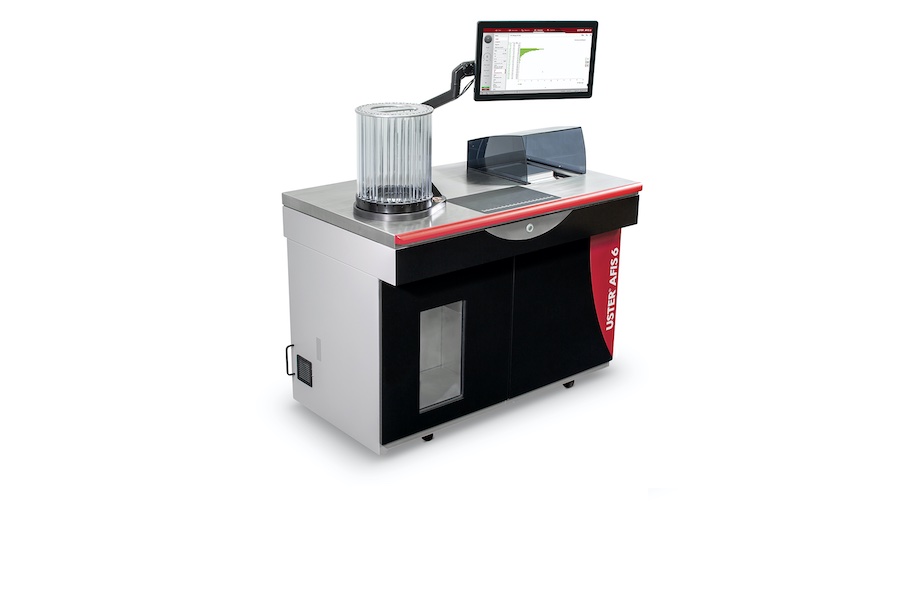
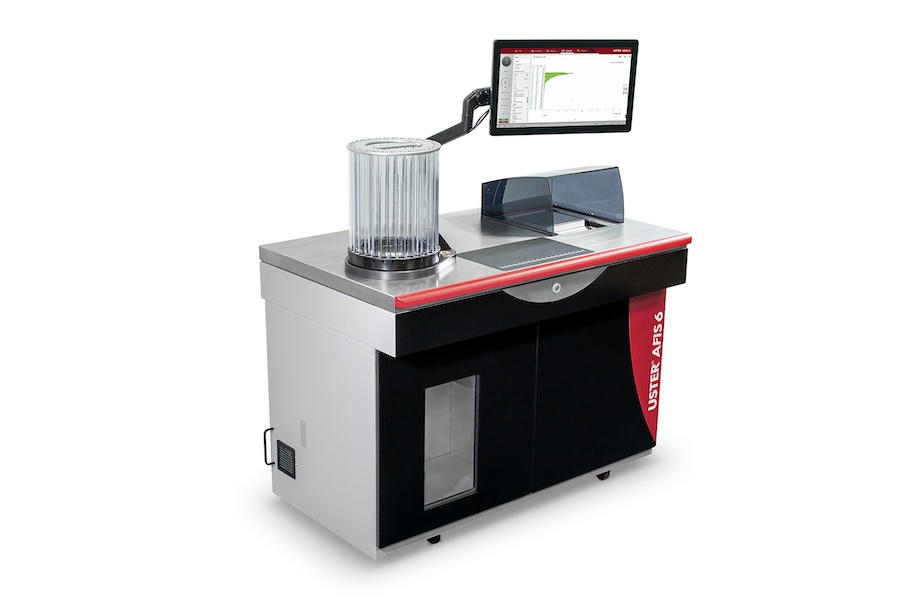
Uster, Switzerland, 15th May 2025 – Fiber quality measurement in spinning preparation is crucial for optimizing waste and meeting yarn quality specifications. The brand-new Uster AFIS 6 – the next-generation laboratory instrument from Uster Technologies – uniquely tests man-made fiber properties in addition to cotton. It provides critical data to optimize fiber process control for cotton, man-made fibers, and blended yarns.

More News on Spinning

#Spinning

Rieter responds to higher raw material prices

Global political and economic developments have been leading to rising raw material and energy costs for some time. The textile machinery industry is also affected by this trend. Rieter machines and components consist to a large extent of steel, copper, aluminum and electronics. These materials in particular have seen higher demand and higher prices in recent months.

#ITM 2026

The hub of smart and sustainable transformation in yarn technologies: ITM 2026

With global fiber production projected to reach 169 million tons by 2030, yarn manufacturing is becoming one of the most strategic fields within the textile machinery industry. Located in Halls 6, 7, and 10, the Yarn Hall at ITM 2026 is set to bring together industry professionals with innovative solutions developed around automation, energy efficiency, digitalization, and circular production.

#Spinning

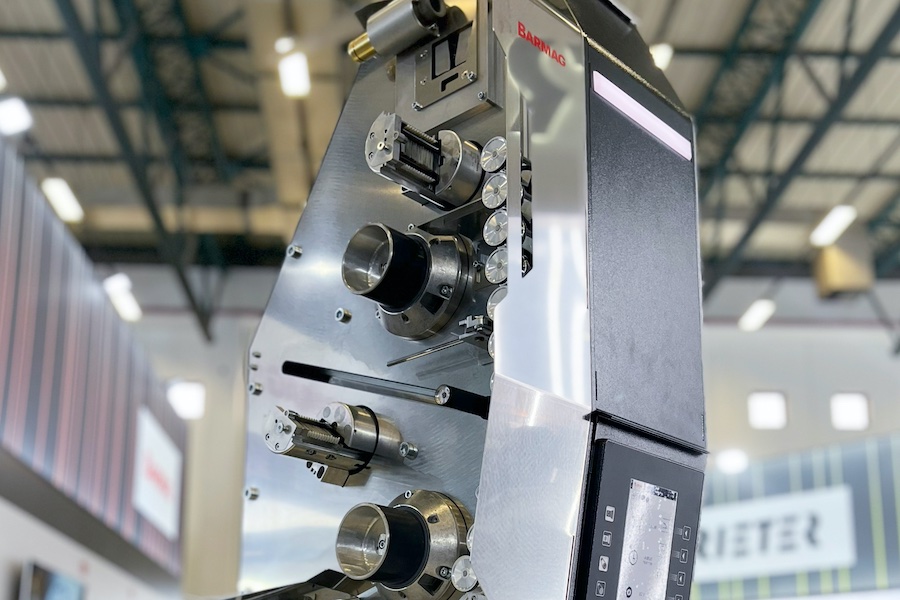
Barmag: DTY efficiency for the future of fancy yarns

Fancy yarns continue to gain importance in the textile market: Whether in fashion, home textiles or the automotive industry - the trend towards individuality is fueling the demand for textured, haptically differentiated and at the same time comfortable yarns.”

#Spinning

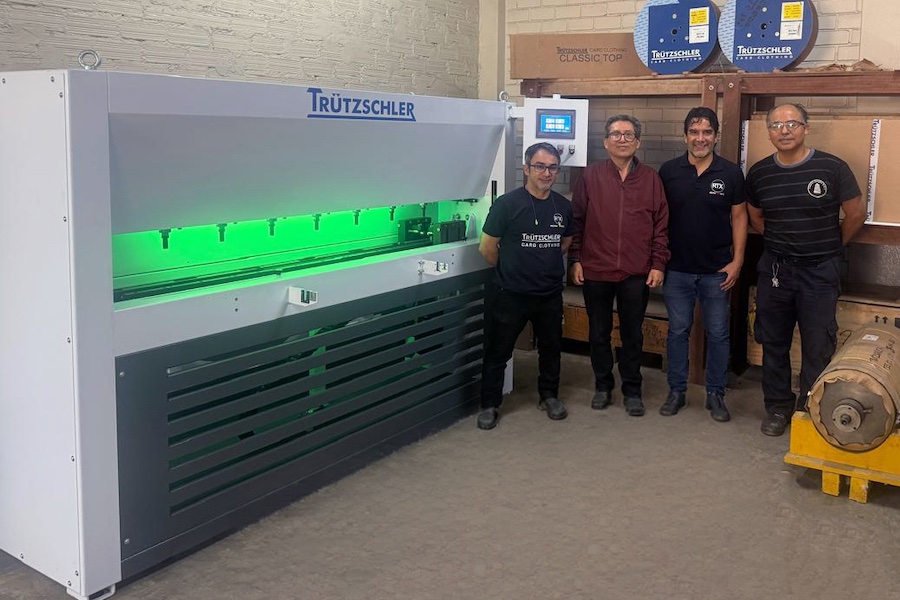
Perfect quality through collaboration: Machinery from Trützschler, Toyota and Murata at Zirve Tekstil

In today’s textile industry, excellence is not achieved by chance – it’s the result of deliberate decisions, technical expertise, and the courage to go beyond conventional paths. The Turkish company Zirve Tekstil has done just that: by combining the best technologies from Trützschler, Toyota and Murata, they’ve created a production setup that delivers outstanding yarn quality – recognized worldwide.

Latest News

#Textiles & Apparel / Garment

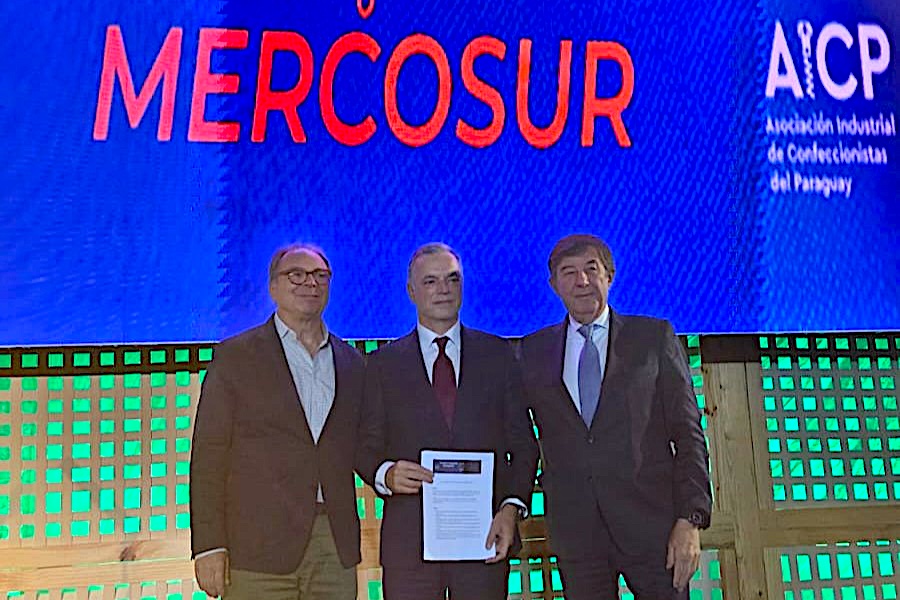
VIATT 2026 to debut German Pavilion, strengthening European participation alongside key Asian textile hubs

Vietnam’s textile and garment sector continues to be a major contributor to the country’s economic growth, with export revenues expected to reach USD 46 billion in 2025, a 5.6% increase from 2024 . From 26 – 28 February, the Vietnam International Trade Fair for Apparel, Textiles and Textile Technologies (VIATT) is set to contribute to economic growth opportunities by accelerating digital transformation and green transition across the entire textile value chain. The upcoming edition will respond to the rising demand for advanced technologies and sustainable materials with the introduction of the German Pavilion, alongside strong exhibitor participation from key Asian sectors, as well as several high-profile fringe events.

#Sustainability

Ying McGuire becomes new CEO of Cascale

Cascale today announced the appointment of Ying McGuire as Chief Executive Officer, effective June 1, 2026.

#Technical Textiles

Sustainable, lightweight, and sound absorbing: Polyester-based front trunk solution for BEVs

As car manufacturers look to further reduce their carbon footprint, Autoneum has developed an innovative front trunk solution for battery electric vehicles (BEVs), made entirely from polyester-based textile. The Ultra-Silent Frunk offers significant weight reduction, improved acoustic and thermal insulation, and uses up to 70 percent recycled material, supporting sustainable and efficient vehicle design. Autoneum, global technology leader in acoustic and thermal management for vehicles, has already received orders for the new frunk from three major OEMs in Asia and Europe to be built in three BEV models. Series production for two BEVs has been underway in China and Germany since last year.

#Raw Materials

Modern testing methods for raw cotton

The 38th International Cotton Conference Bremen will take place from 25 to 27 March 2026 at the Bremen Parliament. This conference has traditionally stood for in-depth expertise and international exchange. The program will focus on technical innovations, market trends, and regulatory frameworks across the entire value chain – from agriculture to the circular economy. With high-profile speakers, the conference is regarded as the key meeting point for the global cotton industry. Today’s focus: Cotton quality and testing methods.

TOP