[pageLogInLogOut]
USTER Think Quality

#Spinning

The most efficient basic yarn clearing

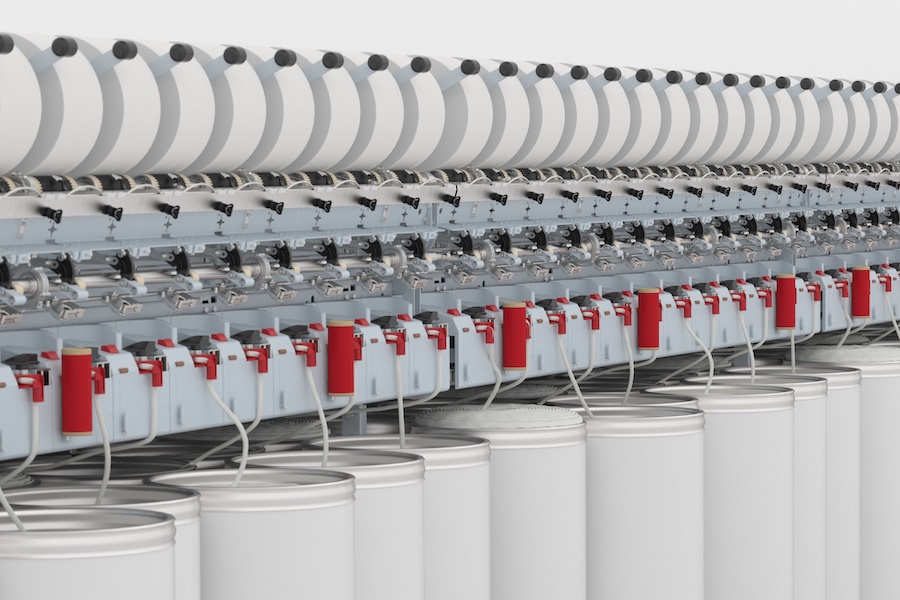
PRISMA’s simultaneous dual measurement is the most effective way to detect basic faults in yarn quality control. Providing spinning mills with the best yarn quality while reducing waste, splice cycles and energy consumption. PRISMA's optical infrared and mass sensors work in harmony, combining the two outputs into one signal. This ensures the most accurate fault detection and the most precise cut execution.

Prisma simultaneous dual measurement

The sensor takes into account factors like raw material, type of fault, length of the fault, and even hairiness, which results in the best recognition and classification of faults by length and intensity.

Spinning mills that rely on PRISMA can be sure of the highest profitability at all times.

Why invest in dual measurement technology?

Every sensor technology possesses its strengths and limitations. Even with an incorporated yarn clearing system, there may still be defects in the yarn that could result in potential complaints. Through the utilization of yarn clearers, equipped with both optical and capacitive measurements, spinning mills are investing in comprehensive quality control. It's crucial to note significant variations exist among dual measurement technologies available today.

With the launch of PRIMSA in 2019, Loepfe was the first to bring dual measurement to the market.

This innovative system utilizes two powerful sensor technologies and unique software for simultaneous signal processing. As a result, PRISMA's dual measurement capabilities remain unparalleled in today's market.


The benefits of a clever software

The clever PRISMA software ensures yarn excellence and straightforward handling at all times. Both sensors monitor the yarn concurrently, fusing their outputs into a single signal before classifying the detected fault according to its length and strength. The clearing system assesses exclusively this combined output rather than individual signals - guaranteeing the identification of every type of defect regardless of volume, mass or size.

By utilizing the exceptional blend of both signals, spinners can rest assured that any type of fault will be detected. The sensors and the software consider aspects such as raw material, type of fault, length of the fault and hairiness. PRISMA also offers the NSLT Cluster feature that can detect irregular accumulations and periodical faults.


By utilizing the PRISMA system, operators can easily track the length and combined intensity of each defect in the provided cut history for every spindle. This eliminates the need for separate reporting since all issues are measured through a comprehensive system. With these detailed insights about the yarn properties, decisions based on accurate data can be made.

PRISMA’s simultaneous dual measurement © 2023 Loepfe


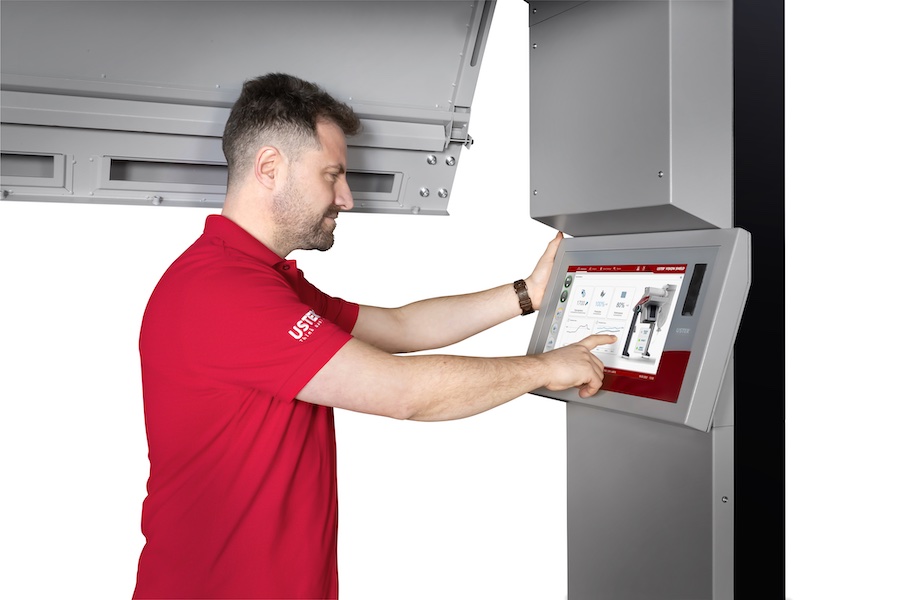
The simultaneous dual measurement technology is exceptionally user-friendly. There's no need for the user to be concerned with configuring or combining the two sensors, nor choosing which sensor should take precedence in evaluating and determining whether a fault needs cutting or not. The smart functionality of the PRISMA clearer system guarantees an optimal setup is always achieved.

PRISMA clever yarn cleaning © 2023 Loepfe


More News from LOEPFE BROTHERS LTD.

More News on Spinning

#ITMA Asia + CITME 2026

Saurer showcases flexible spinning solutions from bale to yarn at ITMA ASIA + CITME 2026

At ITMA ASIA + CITME 2026 in Shanghai, Saurer will demonstrate how its advanced technologies enable maximum flexibility across the entire spinning process, from bale to yarn and twisting. Visitors to hall 6.1, booth A58, can explore solutions designed to optimise production, improve efficiency and help mills respond quickly to changing market demands. Saurer's experts will be available to discuss individual production challenges and tailored solutions.

#India ITME 2026

Uster to present novel solutions at India ITME 2026

Tackling contamination is a critical quality target in yarn production – and Uster now enables spinners to make the right choices for optimized profitability, with top technology, precise data and integrated analysis across the entire process. The new Uster Contamination Control solution and latest Uster Vision Shield 3i put spinners in command of contaminant removal, ensuring yarn quality, minimizing waste and protecting profits. These exciting developments – and even more news – will be featured at India ITME 2026.

#ITMA Asia + CITME 2026

Murata Machinery to showcase AIcone winding and high-speed VORTEX spinning at ITMA ASIA 2026

Japanese textile machinery manufacturer Murata Machinery will present its PROCESS CONER AIcone automatic winder and VORTEX 870 EX spinning machine at ITMA ASIA + CITME 2026. Under the theme “Right Choice, Bright Future”, the company will highlight technologies for efficient yarn manufacturing, combining energy-saving winding solutions with high-speed air-jet spinning. Visitors can meet Murata Machinery in Hall 5, Booths E01 and E02.

Latest News

#Associations

Christoph René Holler to succeed Uwe Mazura as managing director of textil+mode

Christoph René Holler will take over as managing director of textil+mode, the German textile and fashion industry confederation, on 1 January 2027. He succeeds Uwe Mazura, who has led the association for 13 years and will remain in charge of collective bargaining policy through the next round of negotiations before retiring.

#Heimtextil 2027

Heimtextil and The Florentin showcase the role of textiles in hotel design

Heimtextil has partnered with Frankfurt hotel The Florentin by Althoff Collection for its new Interior.Architecture.Hospitality campaign. The collaboration will give architects, interior designers and other contract-sector professionals a closer look at how textiles were used in the hotel. The two studios behind the project will discuss their work at Heimtextil on 14 January 2027 in Hall 4.1.

#EU Textile Strategy

EU Commission proposes advanced materials agenda with targets for 2035

The European Commission has proposed an Advanced Materials for Europe agenda to accelerate the development, production and adoption of safer and more sustainable advanced materials. The proposal sets three benchmarks for 2035 and calls for closer coordination among EU member states to help move new materials from the laboratory into industrial production.

#Research & Development

Empa develops liquid-core fibre for insecticide-treated mosquito nets

Empa researchers have developed a liquid-core fibre for mosquito nets that can incorporate insecticides unsuitable for conventional melt spinning. The fibre gradually releases the active ingredient through a polymer sheath. The team developed and tested the yarn over three years in the Innosuisse project MalCoFil with Swiss industry partners Vestergaard and Monosuisse.

TOP