[pageLogInLogOut]

#Spinning

New TC 19i delivers outstanding results

Only a few months after its launch, the new intelligent Truetzschler card TC 19i has proven its performance in customer applications in key textile markets. TC 19i achieved up to 40% less yarn imperfections and new potentials for productivity increase for customers. At the same time, TC 19i demonstrated significant raw material savings of up to 2% at a consistent yarn quality level. Several hundreds of intelligent cards sold since January demonstrate that Truetzschler is answering some of the most pressing challenges for yarn manufacturers: Producing consistent quality and reducing cost of ownership.
  • Up to 40% less yarn imperfections
  • Up to 2% raw material savings
  • Several hundreds of intelligent cards sold since launch in January

Intelligent functions improve quality, productivity and raw material utilization

“With the new intelligent card, we can achieve consistently high quality and productivity with very little effort”, confirms MD Moshiur Rahman, General Manager at Badsha Textiles Ltd. in Bangladesh. Badsha Textiles Ltd. is a leading textile conglomerate and producer of a range of high-quality carded, ring and open-end yarns in state-of-the-art spinning mills. The company trusted Truetzschler to deliver on its promises regarding the performance of TC 19i – and has not regretted its decision yet. In a production of cotton ring yarn, for example, the TC 19i achieved a reduction of yarn imperfections of minus 35% at a production of 90 kg/h. MD Moshiur Rahman explains: “The gap between cylinder and flats is crucial to ensure quality. In conventional machines, the minimum gap which we could get was 3 thou (thousandth of an inch). The TC 19i makes it possible to get 1 thou.“ Keeping such narrow carding gaps, which are thinner than a piece of paper, is decisive to achieve maximum quality and productivity, especially in processing cotton. Moreover, this process has become fully automatic: “Before using TC 19i, skilled technicians had to optimize the gap after dismantling the machine. But now it is done using software efficiently and precisely. The advantage of quality adjustment in a running carding machine was quite unimaginable before. With TC 19i it can be done effortlessly“, says MD Moshiur Rahman.

At the same time, the new card allows raw material savings of up to 2% - and this by just one click on the card’s display. “Before we worked with TC 19i, my team spent quite some time on inspecting the card waste regularly and adjusting the knife settings” reports MD Moshiur Rahman. This is now a thing of the past: The TC 19i with WASTE CONTROL monitors the carding waste, gives recommendations and adjusts the knife automatically. 
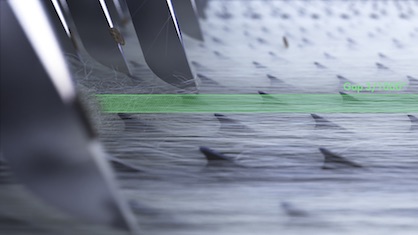

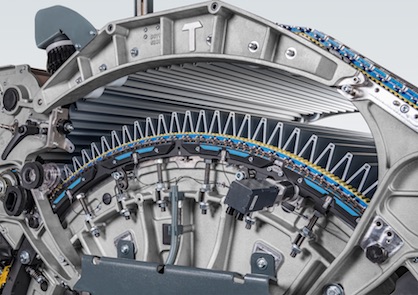
The carding gap between cylinder and flats: In processing cotton, keeping a precise and narrow carding gap is decisive to achieve maximum quality and productivity (c) 2020 Truetzschler


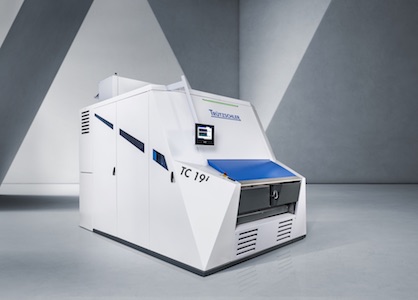
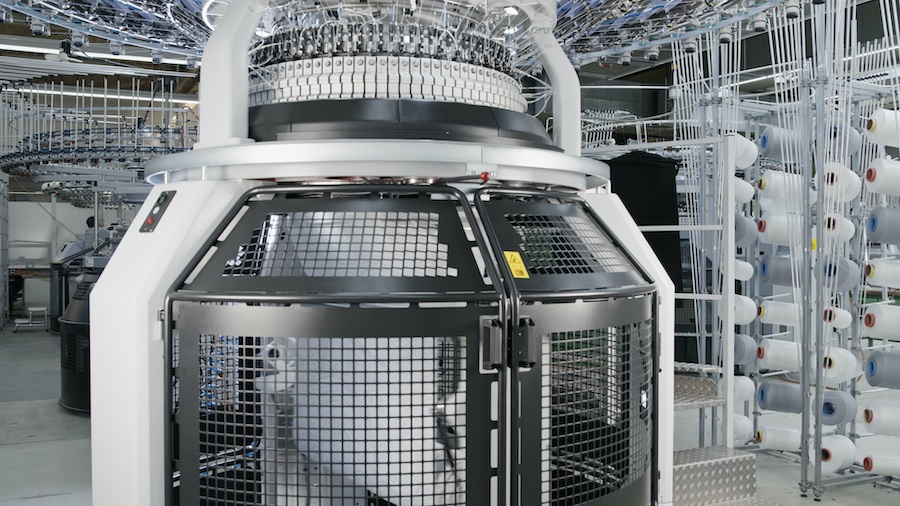
The intelligent Truetzschler Card TC 19i (c) 2020 Truetzschler

In other key textile markets, such as Turkey, Uzbekistan, and Mexico, the TC 19i demonstrated similar significant advantages in terms of quality, productivity, raw material savings and handling and energy efficiency. It showed up to 40% less yarn imperfections in carded ring yarn, and even more than 50% less yarn imperfections in combed ring yarn and rotor yarn manufacture – and this at high production levels between 75kg/h and 100 kg/h. 

“We observe that our customers create more value from their raw material with the TC 19i, and are able to increase productivity and quality flexibly” reports Markus Wurster, Global Sales Director at Truetzschler. “Moreover, the results are independent of technician, temperature, wire condition or production rate”. Only a few clicks on the display are necessary, and the intelligent card sets and keeps the ideal carding gap automatically and permanently. 
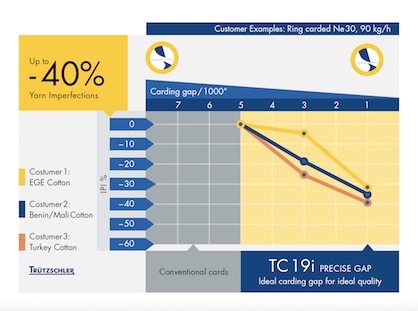
By narrowing the carding gap to 1/1000” – for comparison: 3/1000” is thinner than a piece of paper – yarn imperfection were reduced by up to minus 40% in these carded ring yarn productions (c) 2020 Truetzschler


Advanced sensor technology: T-GO gap optimizer

“At the heart of the intelligent card is the T-GO gap optimizer” explains Armin Leder, Director of Truetzschler’s global R&D department. “In combination with our T-CON sensor system it enables our card to know and adapt the real carding gap at all times during operation and under changing production conditions. No competitor card can achieve this. The TC 19i is the first intelligent card and an economic and ecologic solution for the demands of state-of-the-art spinning preparation.”
More News from Truetzschler GmbH & Co. KG

#Spinning

Perfect quality through collaboration: Machinery from Trützschler, Toyota and Murata at Zirve Tekstil

In today’s textile industry, excellence is not achieved by chance – it’s the result of deliberate decisions, technical expertise, and the courage to go beyond conventional paths. The Turkish company Zirve Tekstil has done just that: by combining the best technologies from Trützschler, Toyota and Murata, they’ve created a production setup that delivers outstanding yarn quality – recognized worldwide.

#Spinning

Details matter: How Trützschler cylinder wires boost efficiency in Pakistan’s spinning sector

Pakistan’s textile industry, especially its spinning sector, is the backbone of the national economy and a vibrant hub of innovation. Today’s spinning mills face growing demands for efficiency, quality, and sustainability. From the serene northern valleys to the vibrant port city of Karachi in the south, mills like Suraj Cotton Mills, Liberty, and Nishat Chunian are turning to advanced solutions.

#ITMA Asia + CITME Singapore 2025

T-CAN – Revolutionizing can transport

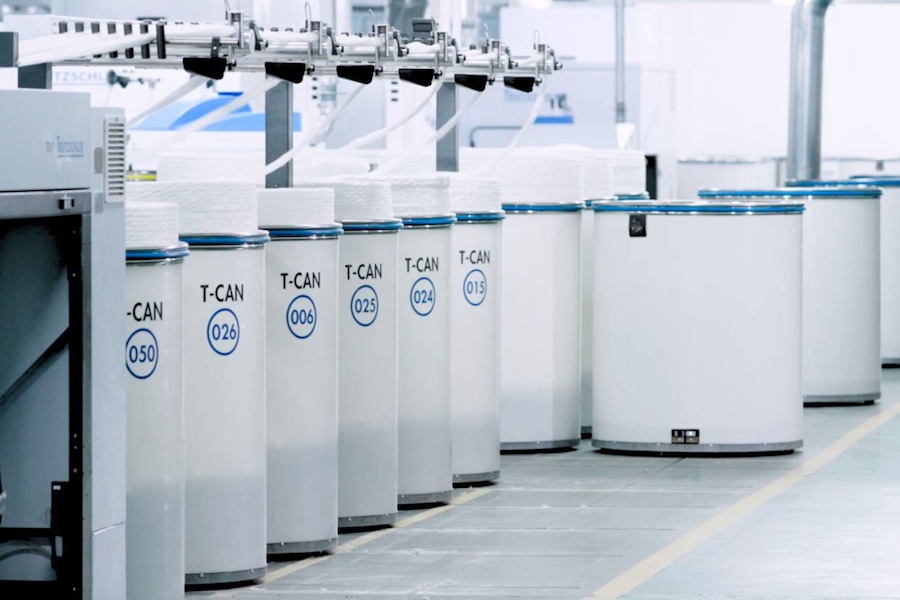
In virtually all spinning mills, transporting sliver cans is still done manually. Rising labor costs, lack of operators and increasing quality requirements make this a growing challenge. With T-CAN, Trützschler introduces a practical solution: a fully automated can transport system that will be presented live at ITMA ASIA 2025 in Singapore.

#Spinning

Pre-Cleaner CL-X: The future of cotton cleaning

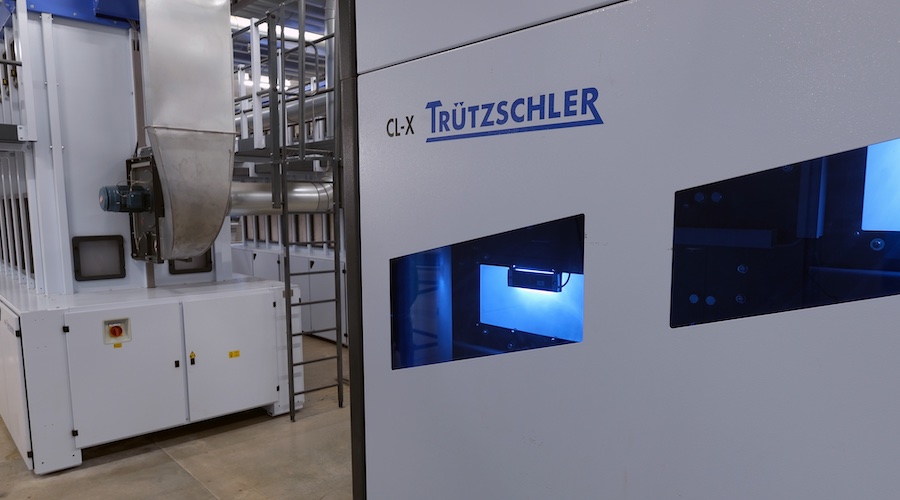
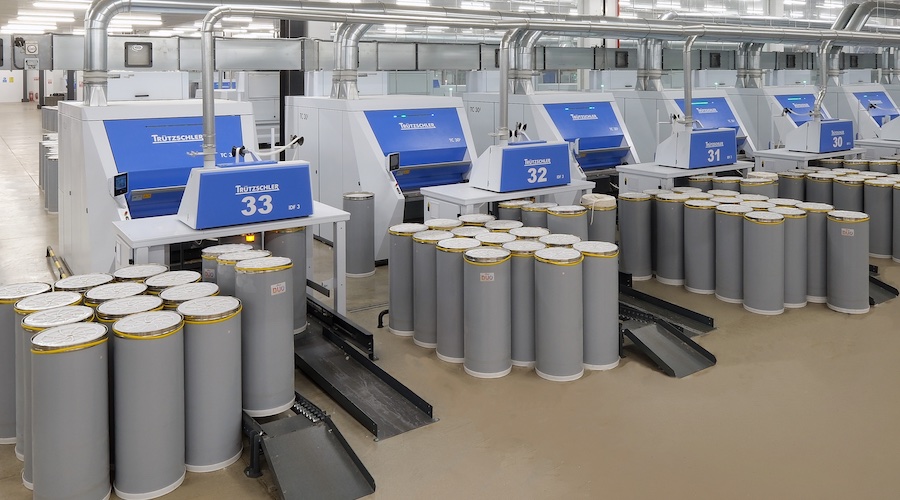
What if the future of cotton cleaning was already here – setting a new standard for cleaning efficiency, productivity and energy savings? That future has a name: CL-X. Since its market launch in 2022, the Pre-Cleaner CL-X has become a true bestseller, proving its value in several hundred customer applications worldwide. Now, new results from Türkiye demonstrate again how the Pre-Cleaner CL-X outperforms the competition.

More News on Spinning

#Spinning

Rieter advances strategic repositioning amid market volatility

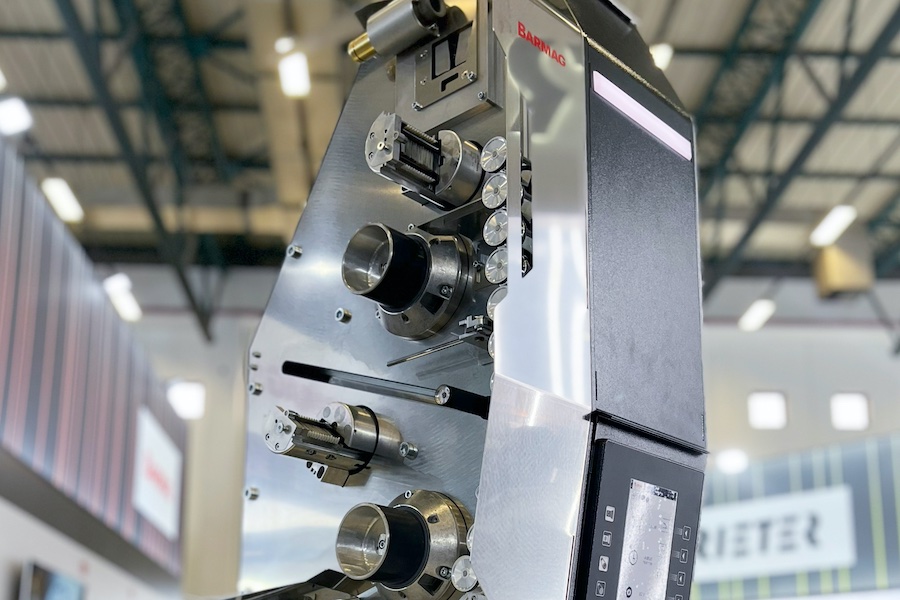
Rieter successfully completed the acquisition of Barmag on February 2, 2026, and reached an important milestone in the company’s repositioning. Barmag will be integrated into the Rieter Group as the “Man-Made Fiber” Division. With this strategically transformative acquisition, Rieter is expanding its core business beyond the short-staple fiber business in a targeted way. This positions Rieter as the global market leader along the entire value chain for natural and man-made fibers. In addition, as a complete systems supplier, Rieter is further strengthening its technological leadership in the areas of automation and digitization.

#Spinning

Measure and control the fiber – optimize yarn quality

Producing consistent yarn quality is an everyday challenge – and a very difficult one. Detailed knowledge and understanding of the fiber raw material is absolutely critical to achieving the best possible quality in the yarn. To help spinners, Uster experts have put together guidelines for avoiding yarn irregularity claims, in a special edition of the Uster News Bulletin.

#Spinning

A breakthrough innovation for diaper manufacturers

Developed and manufactured by Mesdan, Italy, the Loop knotter type 093E is a special version of the well-known Loop knotter, specifically designed to join hygiene-grade spandex yarns used in the personal care industry.

#Spinning

Rieter responds to higher raw material prices

Global political and economic developments have been leading to rising raw material and energy costs for some time. The textile machinery industry is also affected by this trend. Rieter machines and components consist to a large extent of steel, copper, aluminum and electronics. These materials in particular have seen higher demand and higher prices in recent months.

Latest News

#Composites

JEC World 2026 returns with an unprecedented content program

Recognized worldwide as the leading trade exhibition for composite materials and their applications, JEC World returns on March 10-12, 2026, at Paris Nord Villepinte as the most ambitious edition to date, in line with its motto “Pushing the limits”. As the must-attend event for the composites industry, JEC World will offer an unprecedented program, blending conferences, markets insights, technical sessions, awards, and above all, a unique experience and invaluable connections.

#Raw Materials

Beyond the wardrobe – innovative cotton takes the spotlight

Cotton can do more – a lot more. Cutting-edge textiles and high-tech products made from 100% cotton prove just how powerfully performance and sustainability can come together. That very surge of innovation is front and centre at the 38th Bremen Cotton Conference, taking place March 25–27, 2026, at Bremen’s Parliament on the historic market square – culminating in a bold and dedicated closing session on Friday. In the spotlight: performance upgrades for pure cotton, smart strategies for circular textile waste solutions, and pioneering concepts for demanding technical applications. From natural fibre–reinforced composites to highly effective flame-retardant solutions, cotton steps out of the closet and shows the future potential woven into every fibre.

#Digital Printing

Keeping print inclusive: Empowering women in the print industry

Across all industries, cultivating a diverse and inclusive workplace is increasingly recognised as valuable and essential to long-term success. However, despite the print industry’s significant advancements in technology and innovation, visible representation of women remains limited. As the sector grapples with low recruitment, it’s important to challenge outdated perceptions. Creating real change, however, requires collective effort - no single company can do it alone.

#Texprocess 2026

Texprocess 2026: market overview for strategic future investments

At Texprocess 2026, 200 exhibitors from 28 countries will be represented. In a challenging market environment, the leading trade fair is a constant and reflects progress in textile processing – driven by automation, digitalisation and AI. In addition, international start-ups present their ideas and meet partners from industry and research. Techtextil takes place in parallel with an optimised hall layout.

TOP