[pageLogInLogOut]

#Smart Textiles

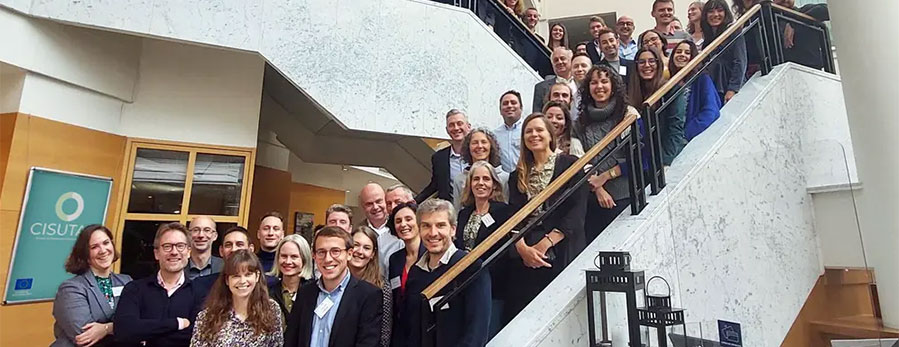
Textile ETP at the CISUTAC kick-off meeting in Ghent, Belgium
© 2022 Textile ETP
This week, the CISUTAC consortium met in-person in Ghent, Belgium, for the kick-off meeting of the project. An opportunity to discuss the different aspects of CISUTAC.

CISUTAC is a Horizon Europe project, co-funded by the European Union. It started on 1 September 2022 and will last for 48 months. At the kick-off meeting on 27-28 September, the consortium partners:

  • discussed the needs and requirements to design the future pilots that will demonstrate the industrial application of new technologies for textile circularity
  • discussed how to develop the capacity and infrastructure for circular textiles, and to support a large scale sector-wide uptake
  • started working on building a better understanding of the textile actors (stakeholders and consumers), in order to later give them insights on the value of circular textiles

Textile ETP introduced the Textile Circularity Multiplier Initiative, the upcoming community of EU projects related to textile circularity that amplifies each other's research and results to pave the way to more sustainability in the textile sector. We also launched the communications activities (by presenting the visual identity, website, and social media channels), and presented the quality manual (to ensure transparent, clear and efficient project procedures, and a timely and high quality implementation of the project and its deliverables). Finally, Lutz Walter, Secretary General of the Textile ETP, was presented as the Quality Manager of the CISUTAC Steering Committee, which is responsible for the overall management of the project.


Led by Centexbel, the Belgian research centre for textiles and plastics, the CISUTAC consortium is EU-wide, and includes global leading brands and companies, Civil Society Organisations, Research and Technology Organisations and EU associations. The diversity within the consortium allows CISUTAC to cover all required expertise and infrastructure over the full novel circular value chain.

More information CISUTAC's activities and work packages here:

https://www.cisutac.eu/activities


More News from TEXDATA International

#Texprocess 2026

Texprocess 2026: Automation, digitalisation and AI redefine textile processing

Making investment decisions in textile processing has become significantly more demanding. Increasing energy costs, a shortage of skilled labour and ongoing geopolitical uncertainties are compelling companies to focus on technologies that deliver clear gains in efficiency and process reliability. This applies equally to apparel manufacturing and to the processing of technical textiles and high-performance materials. As a result, modernisation initiatives are assessed more carefully – even as the need to upgrade production systems continues to intensify.

#Techtextil 2026

Techtextil 2026: Between innovation pressure & market reality

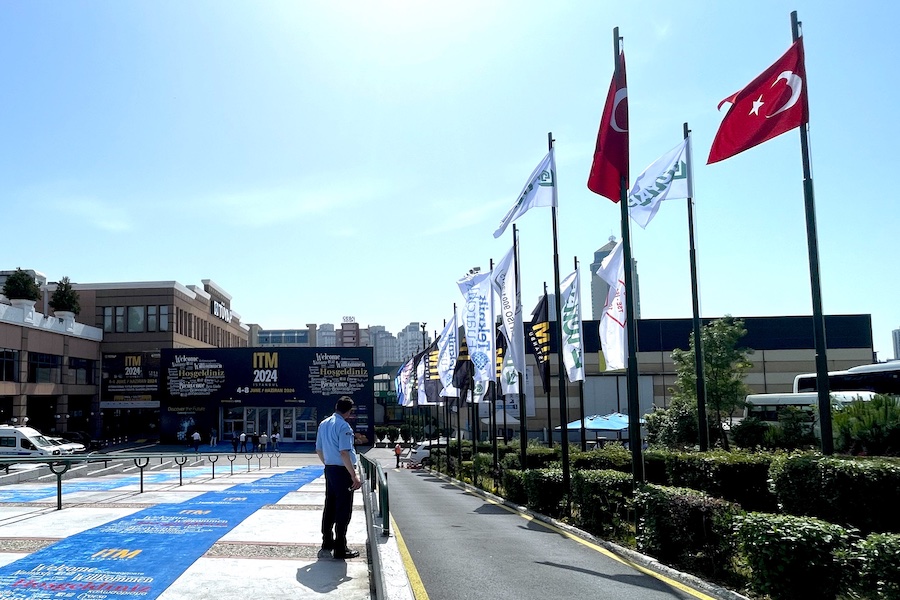
From 21 to 24 April 2026, Techtextil in Frankfurt am Main will once again become the central meeting point for the international technical textiles and nonwovens industry. Running in parallel, Texprocess will focus on the industrial implementation of textile processing technologies as the leading platform in this field. Together, the two trade fairs form a closely integrated presentation and working platform along the entire textile value chain – from material development to finished applications.

#Techtextil 2026

Between geopolitical pressure and industrial resilience

In this interview, Dr. Janpeter Horn (VDMA) discusses the current challenges facing textile machinery manufacturers, shaped by geopolitical tensions, regulatory developments and subdued investment. He also outlines why innovation strength, integrated solutions and strategic positioning remain key to global competitiveness.

#Texprocess 2026

Between investment restraint and modernization pressure

Texprocess 2026 takes place in a complex market environment shaped by uncertainty and innovation pressure. In this interview, Elgar Straub (VDMA) explains why the trade fair is particularly relevant this year and which technologies are driving efficiency and competitiveness.

More News on Smart Textiles

#Smart Textiles

Covestro, FILK Freiberg, and OUT e.V. develop flexible, conductive polymer smart textile system

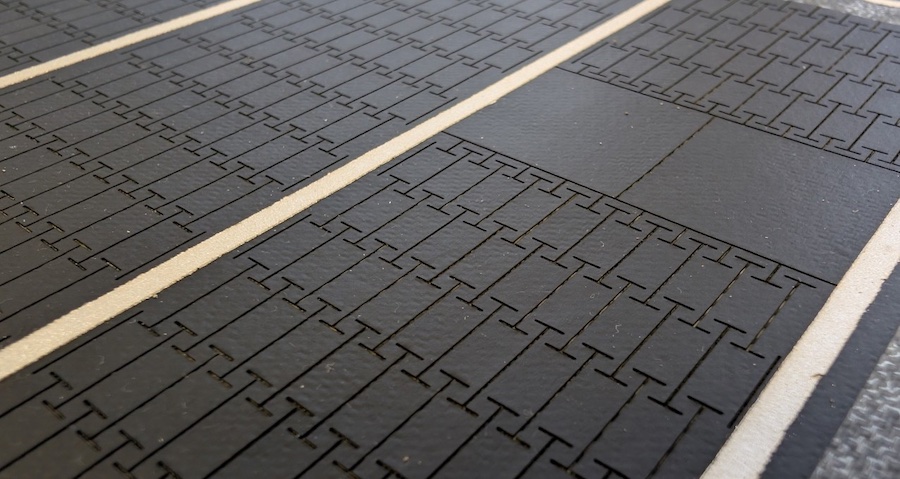
As the smart textiles market continues to grow across healthcare, personal protection, sportswear, and automotive applications, developers are seeking new ways to integrate electronic functionality directly into textiles, without the rigidity and complexity of conventional wiring. To address this challenge, FILK Freiberg Institute, an independent research institution with expertise in polymer coatings for textile applications, collaborated with Optotransmitter-Umweltschutz-Technologie (OUT) e.V. The joint project, funded under the German Industrielle Gemeinschaftsforschung (IGF) program of the Bundesministerium für Wirtschaft und Energie (BMWE), focused on developing flexible, conductive polymer surfaces for next-generation smart textiles.

#Research & Development

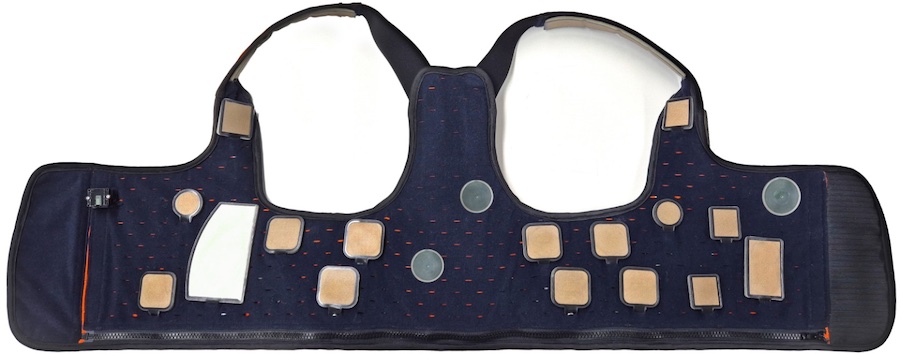
Catching heart disease early with AI-based sensor system

It slips on like a normal vest: Fraunhofer IZM has created a smart sensor system in cooperation with the Charité and the Technical University of Berlin. The vest records a vast array of cardiovascular parameters, which an AI-based system uses to support medical diagnostics and spot potentially dangerous developments.

#Research & Development

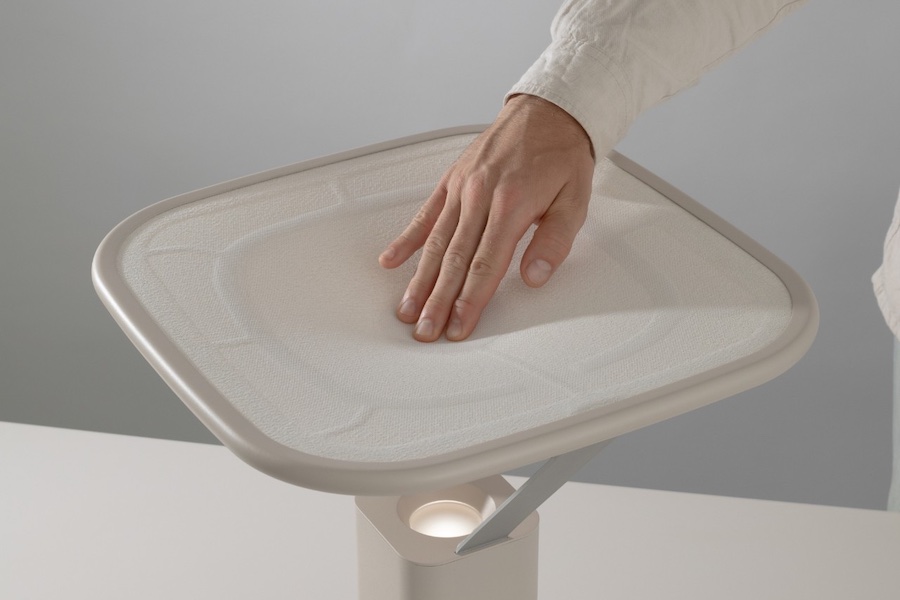
Soft interfaces: Textile-integrated light switches, made possible by printable Liquid Metal Ink

A gentle tap on the knitted lampshade is enough to switch on the light. The lamp developed by Fraunhofer IZM in cooperation with WINT Design Lab works with a revolutionary conductive ink. Visitors can find out more and try the lamp themselves at the Berlin Science Week on November 1st and 2nd.

#Smart Textiles

Intelligent textiles for construction, architecture and mobility: Smart Textiles User Forum in Stuttgart

When textiles are equipped with electronic components, conductive yarns and textile sensors, the application possibilities are almost unlimited. These high-tech textiles are a global growth market. In Stuttgart, manufacturers, users and researchers presented amazing examples of applications in construction, architecture and mobility. The appropriate standards ensure quality and safety.

Latest News

TOP