[pageLogInLogOut]

#Smart Textiles

Smart surfaces create smarter HMIs, finds strategy analytics

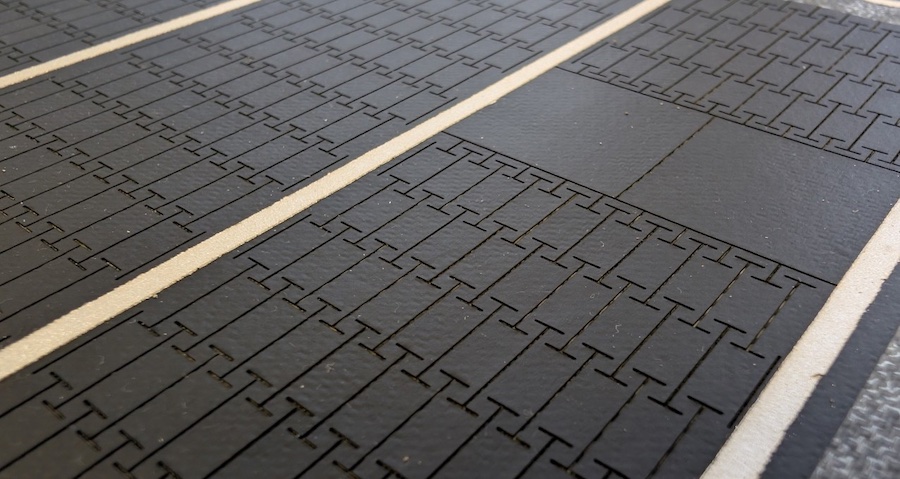
Figure 1. BAPV Smart Wall (Image Source: Wikipedia)
Strategy Analytics - Smart surfaces and materials are the building blocks to smart buildings, smart transportation and smart cities. By integrating technology directly into the fabric of everyday objects such as walls, clothing and vehicles, the environment in which consumers operate will become inherently intelligent. While applications of smart technology can be far reaching, most focus is currently found within transportation, construction and healthcare industries.

Employing Smart Surfaces Maximizes Efficiencies of Operation in Construction, Transportation and Healthcare Industries

A new report from the Strategy Analytics’ User Experience Strategies (UXS) service, “Can smart surfaces create smarter HMIs? Advances & use cases”, highlights broad and specific advancements in smart surfaces and materials which have the most impact on future use cases for personal devices, smart home devices, the automotive industry, and as the technology continues to evolve.

Commented Diane O’Neill, Director UXIP and report author, "Smart surfaces and materials have the ability to collect information from embedded sensors that can be used to feed into AI, support big data and facilitate machine learning. All this working towards the goal of automating life and making the world a more efficient, safer and sustainable place to live. So, in almost every application, the purpose of a smart surface or textile is to save space, save cost, or simplify a process. Employing smart surfaces to replace cumbersome additions has opened new opportunities and many more use cases such as enabling advanced HMI, generating energy, and enabling infrastructure for ‘new’ technologies such as 5G, AI, cloud and edge computing. 


Continued O’Neill, “Moreover, the application of smart surfaces in all industries works to enhance UX. This includes improving aesthetics, maximizing efficiencies of operation, self-cleaning, and privacy/sound reduction. Smart surfaces may also alleviate fears around usability, safety, and manufacturability through touch sensors with haptic feedback.

Added Lisa Cooper, Director UXS, “All new technologies take time to proliferate. But the forerunners of smart technology are wearables and touchscreens and specifically, the way in which users interact with these devices. Innovations around these concepts have resulted in the popularity of devices with specific HMI, and this lends itself perfectly to the acceptance and proliferation of future more innovative technologies that may be inherently ‘smart’.”



More News from TEXDATA International

#People

Happy Holidays!

Dear reader, the year 2025 is drawing to a close. We are entering what we hope will be a peaceful holiday season, spending time with our families and taking a moment to pause and reflect. We hope we have been able to support you once again this year with relevant news and articles, and we look forward to surprising you with many innovations in the coming year. Enjoy the festive season, stay healthy, and we wish you a happy and joyful holiday season.

#Recycling / Circular Economy

textile.4U publishes special edition “Top 100 Textile Recycling Companies 2025”

With a comprehensive 176-page special edition, textile.4U is dedicating its latest issue entirely to one of the most dynamic and influential topics in today’s textile industry: textile recycling. The new issue, published exclusively in high-quality print, presents the Top 100 textile recycling companies researched and selected by TexData – organizations that already play a key role in the transition to circular textiles or are expected to have a significant impact in the near future.

#Recycling / Circular Economy

Responsible Textile Recovery Act of 2024 signed by Governor

Senator Josh Newman (D-Fullerton) is proud to announce that Senate Bill 707 (SB 707), the Responsible Textile Recovery Act of 2024, has been signed into law by the Governor of California, Gavin Newsom. This groundbreaking legislation establishes the country’s first Extended Producer Responsibility (EPR) textile recycling program, marking a significant step forward in the state’s efforts to combat waste and promote sustainability.

#Textiles & Apparel / Garment

Modtissimo promotes sustainability with 28 coordinates in the Green Circle

Modtissimo is proving more and more to be a textile and clothing show that delivers the latest innovations in the area of sustainability, with the iTechStyle Green Circle being the main showcase for companies' creations. In this 60+4 edition, taking place on 12 and 13 September, 28 coordinates will be exhibited in a section organised by CITEVE and curated by Paulo Gomes.

More News on Smart Textiles

#Research & Development

Catching heart disease early with AI-based sensor system

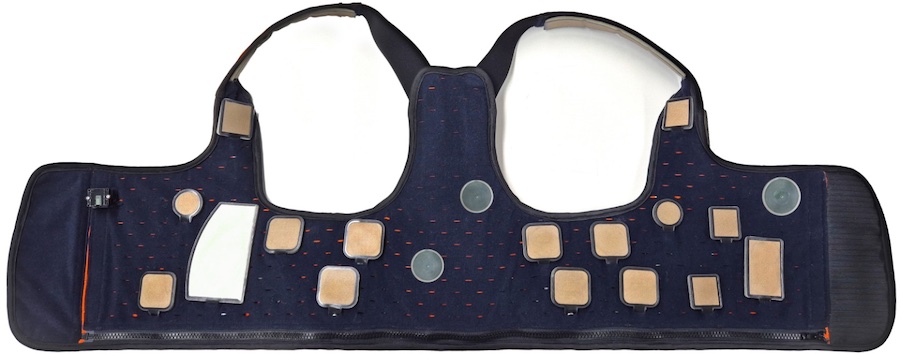
It slips on like a normal vest: Fraunhofer IZM has created a smart sensor system in cooperation with the Charité and the Technical University of Berlin. The vest records a vast array of cardiovascular parameters, which an AI-based system uses to support medical diagnostics and spot potentially dangerous developments.

#Research & Development

Soft interfaces: Textile-integrated light switches, made possible by printable Liquid Metal Ink

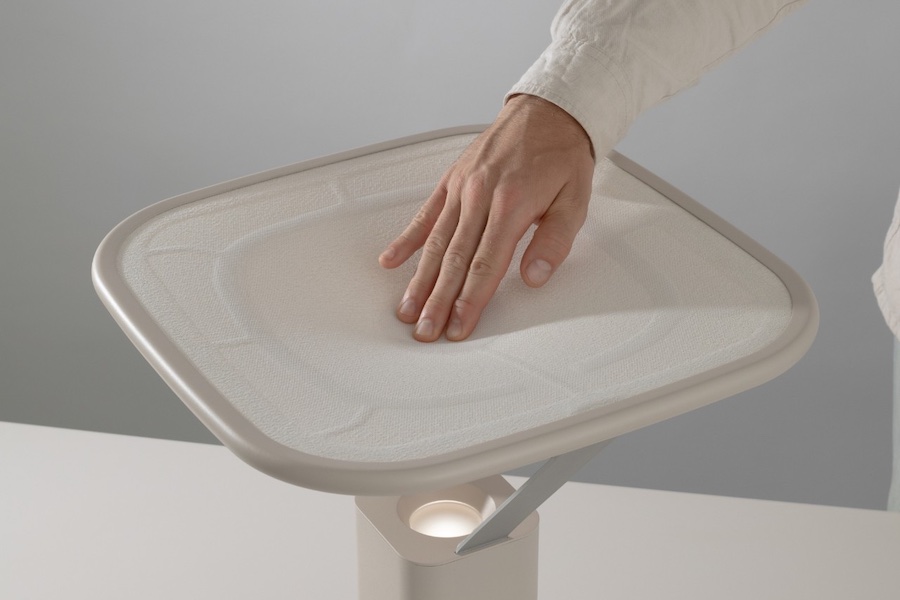
A gentle tap on the knitted lampshade is enough to switch on the light. The lamp developed by Fraunhofer IZM in cooperation with WINT Design Lab works with a revolutionary conductive ink. Visitors can find out more and try the lamp themselves at the Berlin Science Week on November 1st and 2nd.

#Smart Textiles

Intelligent textiles for construction, architecture and mobility: Smart Textiles User Forum in Stuttgart

When textiles are equipped with electronic components, conductive yarns and textile sensors, the application possibilities are almost unlimited. These high-tech textiles are a global growth market. In Stuttgart, manufacturers, users and researchers presented amazing examples of applications in construction, architecture and mobility. The appropriate standards ensure quality and safety.

#Smart Textiles

Innovations with smart textiles

The second free online masterclass of the AddTex project will take place on March 5 from 15:30 to approx. 17:00. Industry partners and textile researchers will present the latest innovations in the field of functional and smart textiles.

Latest News

#Weaving

Lindauer Dornier announces leadership transition in weaving machine business

After more than ten successful years at Lindauer DORNIER GmbH, Mr Wolfgang Schöffl will leave the family-owned company at the end of the year to enter well-deserved retirement.

#Heimtextil 2026

Texpertise Focus AI: Messe Frankfurt puts Artificial Intelligence centre stage at its international textile and apparel trade fairs

Under the banner 'Texpertise Focus AI, Messe Frankfurt will place a strong emphasis on Artificial Intelligence (AI) across its international textile and apparel trade fairs from 2026 onwards, setting a future-shaping signal for the industry. The initiative highlights the responsible use of AI along the entire textile value chain, from fibre production to the point of sale. The programme will launch at Heimtextil in Frankfurt in January 2026.

#Technical Textiles

Autoneum and Polestar set new benchmarks for passenger experience and sustainability

As the global market leader in sustainable acoustic and thermal management, Autoneum is a key supplier of interior and exterior components for the highly anticipated Polestar 5 model. The successful collaboration between Autoneum and Polestar marks a significant milestone in sustainable automotive engineering: the electric grand tourer sports car features several innovations in lightweight, fully recyclable polyester-based components that ensure a superior driving experience. Polestar 5 was revealed at the IAA Mobility 2025 in Munich and is available in 24 markets.

#Natural Fibers

Cashmere producers stress the importance of The Good Cashmere Standard®

At the invitation of the Aid by Trade Foundation (AbTF), over 70 experts from the cashmere production and supply chain, as well as other specialists, met at the GCS Unit Meeting in Shanghai, China to discuss the progress and new objectives of The Good Cashmere Standard (GCS). The meeting focused on implementation and verification of the standard, important aspects of animal welfare and the importance of the standard in the global textile market.

TOP