#Research & Development
NIRI strengthens fibre, filament and fabric extrusion capabilities with the appointment of Dr. Javier Vera Sorroche
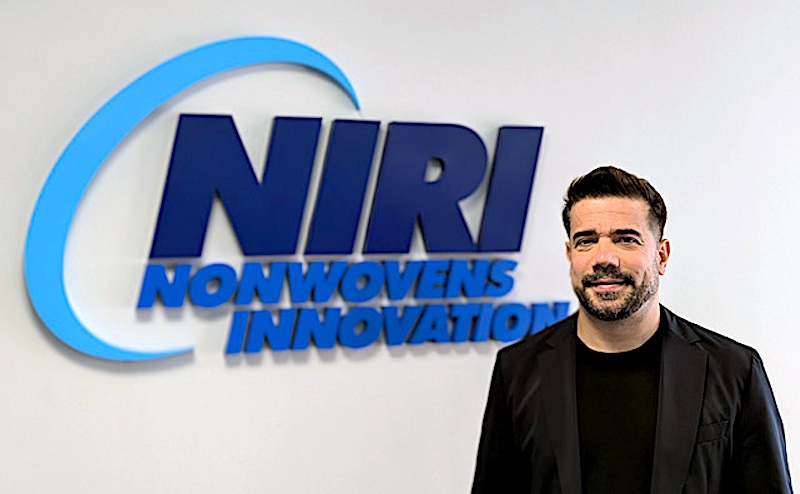
Prior to joining NIRI, Javier managed the Polymer Business Unit at CETI, overseeing advanced extrusion lines. Leading a team of engineers and technicians to deliver innovative advancements for the fibre and nonwovens industries, his work focused primarily on reducing environmental impacts through circular business models – topics that are becoming increasingly important for NIRI’s clients. His responsibilities included implementing chemical recycling processes for cellulose, casein, and keratin fibres and developing eco-friendly methods for products containing fibres and nonwovens. Previously, Javier was an assistant professor at UMass Lowell, managing R&D projects with the U.S. Department of Defence, AFFOA, and ANTEA GROUP. He holds a PhD in Thermoplastics Extrusion from the University of Bradford and a Master's Degree in Chemical Engineering from the University of Murcia, with expertise in single screw extrusion of polymers, extrusion scale-up, and rheometry.
Focus at NIRI: Javier will enhance NIRI’s extrusion capabilities by integrating advanced know-how and techniques into the company’s research and development projects, driving significant progress in NIRI’s capabilities to provide enhanced support to clients. He will lead projects to refine processes and develop products for both high-value and commodity-based industries. Javier’s work will focus on sustainable textile processes, including developing new methodologies for circular business models within the textile industry. His extensive network of industry contacts and deep understanding of textile recycling and sustainable practices will be crucial to these projects. Javier comments,
"I am thrilled to join NIRI, the industry's leading innovation partner. Their unmatched expertise and capability to develop next-generation products set them apart. NIRI's approach to innovation and sustainability aligns perfectly with my values. I look forward to working with their talented team to tackle industry challenges and drive sustainable solutions.”
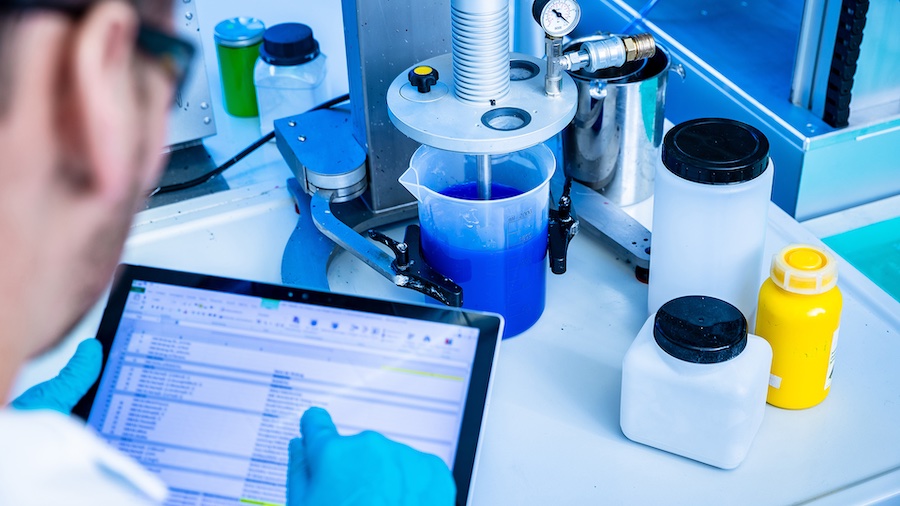
At the forefront of extrusion innovation: Javier’s expertise aligns with NIRI’s focus on improving extrusion capabilities to meet future customer requirements, including process development of new biopolymers and biodegradable polymers; development of fabrics (spunbound and meltblown), filaments (mono and bico), and stable fibres (mono and bico); development of new masterbatches; lightweighting and replacing multi-layers with innovative single layers, and thermo-mechanical and chemical recycling of polymers.
Dr Matthew Tipper, CEO at NIRI, said, "We are delighted to welcome Dr. Javier Vera Sorroche to NIRI. His expertise in polymer extrusion and sustainable textiles will be invaluable as we continue to expand our capabilities. Javier's addition to our team reflects our dedication to attracting top talent and staying at the forefront of industry innovation."
To find out more about NIRI’s services and capabilities, please visit NIRI’s website.
https://www.nirigroup.com/