[pageLogInLogOut]

#Recycling / Circular Economy

DSM and Clariter partner to pursue chemical recycling solution for Dyneema®-based end-products

DSM and Clariter partner to pursue chemical recycling solution for Dyneema®-based end-products. (Photo: DSM Protective Materials: DSMPMPR005)
Royal DSM, a global science-based company in Nutrition, Health and Sustainable Living, and Clariter, an international clean-tech company, today announced a strategic partnership to pursue a next-generation chemical recycling solution for products based on DSM’s Dyneema®, an ultra-high-molecular-weight polyethylene (UHMWPE) fiber.

As a first step, sample products – including ropes, nets, and ballistic materials made with Dyneema® – were successfully converted at Clariter’s pilot plant in Poland, demonstrating the recyclability potential of Dyneema® and underlining the active commitment of DSM Protective Materials to shape a more sustainable world.

In line with its ambitious sustainability targets, and following the successful launch of bio-based Dyneema® (mass balance), DSM Protective Materials is actively pursuing reuse and recycling solutions for end-of-life Dyneema®-based products. To drive technical recycling solutions, DSM Protective Materials and Clariter partnered to test the feasibility of using Dyneema® as a feedstock in Clariter’s chemical recycling process. Sample products made with Dyneema® were used in Clariter’s tests at its pilot plant in Poland.
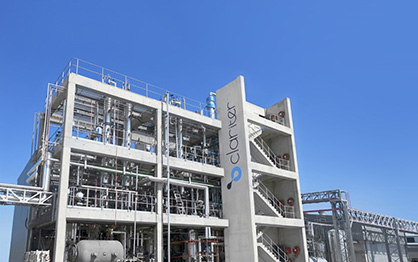
Clariter's Industrial-scale Plant, East London, South Africa. (Photo: DSM Protective Materials: DSMPMPR005)


The positive results confirm the technical viability of transforming Dyneema®-based end-products into high-value, industrial grade, product families: oils, waxes, and solvents via Clariter’s patented 3-step chemical recycling process. These can be further used as ingredients to manufacture new end- and consumer products.

Moving forward, DSM Protective Materials and Clariter will continue to drive this initiative to shape a more sustainable world. Specifically, building on the success of the lab-scale trial, Clariter has scheduled commercial-scale trials at its facility in South Africa for 2021, with the aim to use Dyneema®-derived feedstock in its full-scale European plants that will be built in the coming years. In addition, DSM will continue to actively explore the possibilities of reducing the environmental impact of Dyneema® across all product life stages.


Petra Koselka, Clariter Chief Operations Officer, said: “To stretch and explore boundaries of the next circular solution requires courage, foresight, and tenacity, which DSM has demonstrated with abundance. Looking at the logistics challenge to collect many tons of used marine ropes, nets, and ballistic materials is daunting. However, when an economical route presents itself, suddenly the next horizon seems within reach. We are pleased to work with DSM to perform R&D on what we have dubbed 'exciting exotics', and plan to use it as part of our raw materials in the full-scale plants we will build in Europe."

Roeland Polet, President DSM Protective Materials, said: “Following our successful efforts to introduce bio-based Dyneema® (mass balance), these results mark the next important step on the circularity journey of DSM Protective Materials. Recyclability is key to us, our customers, and society at large and achieving it requires cross-value chain efforts. To this end, we’re looking forward to continue building our partnership with Clariter, and to continue using our science-based capabilities to deliver on our purpose of creating brighter lives for all.”


DSM and Clariter partner to pursue chemical recycling solution for Dyneema®-based end-products. (Photo: DSM Protective Materials: DSMPMPR005)


More News from DSM Dyneema B.V.

More News on Recycling / Circular Economy

#Recycling / Circular Economy

Industrial scale meets verified governance: RE&UP is now B Corp™ certified

RE&UP, the circular-tech transforming global textile waste into high-volume Next-Gen materials, has officially become a Certified B Corporation™. The milestone establishes the industrial recycler among a select group of manufacturing infrastructure providers verified as meeting B Lab Standards for social and environmental performance, transparency, and accountability.

#Recycled Fibers

Recover™ and Ünteks Group partner to scale recycled cotton in knitwear

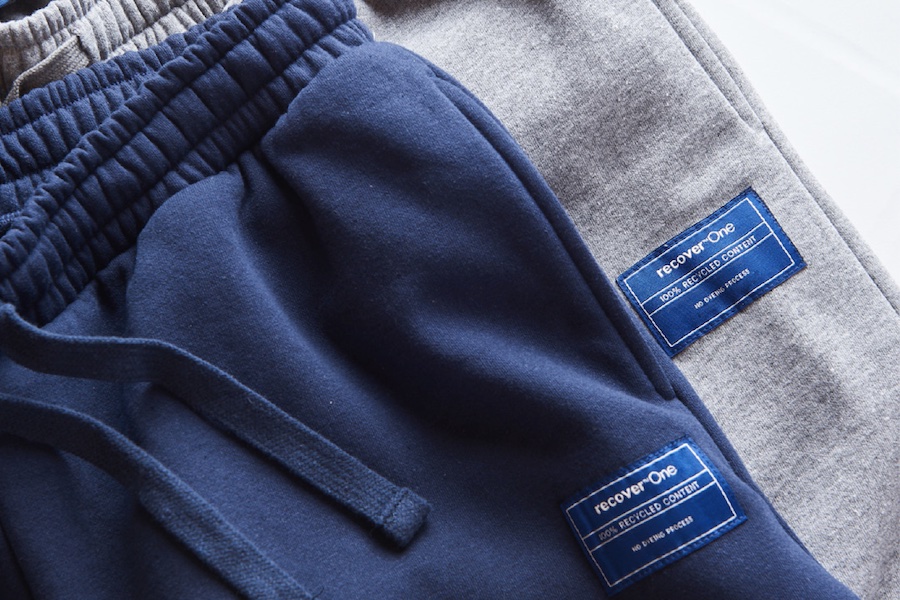
Recover(TM), a global producer of low‐impact, high‐quality recycled cotton fiber, announces a new partnership with Ünteks Group, a vertically integrated textile manufacturer based in Turkey. The collaboration focuses on the development of circular knit fabrics and garments, combining Recover’s recycled cotton fiber with Ünteks Group’s integrated capabilities across knitting, dyeing, printing, and garment production.

#Research & Development

ALADIN paves the way for circular and demand-driven textile production in Europe

Textile production can be organized sustainably by utilizing short supply chains and preventing overproduction. This can already be achieved today by intelligently connecting and efficiently utilizing existing infrastructure. At the same time, production becomes circular when innovative technologies and materials are used that enable high-quality recycling. The ALADIN research project, launched in May 2026 and co-funded with five million euros under the EU Horizon Europe program, is creating the conditions for this.

#Recycling / Circular Economy

Ence and ShareTex begin initial testing of the ATENEA innovation project to promote textile recycling in Spain

Ence and ShareTex are making progress on the Atenea R&D project, which aims to develop a complete value chain for textile recycling in Spain. Specifically, the goal of the ATENEA project—which is funded by the Center for Technological Development and Innovation (CDTI)—is to connect all the necessary stages for the recovery of textile waste, from collection and management, through recycling and transformation into new raw materials, to their incorporation into new textile products.

Latest News

#Spinning

Rieter sees Barmag integration on track as orders and sales rise

The first half of 2026 was shaped by the successful completion of the largest acquisition in Rieter’s history. The Man-Made Fiber Division enables entry into the growth segment of man-made fibers and sustainably strengthens Rieter’s market position in the Asia region. The expanded Group is now the world’s leading system supplier for the processing of natural and man-made fibers. In the first half of the year, initial cost savings in material costs and operating expenses have already been realized. The targeted synergies are expected to amount to at least CHF 20 million by the end of the 2028 financial year. Due to the completion of the acquisition on February 2, 2026, the first half of the year for the Man-Made Fiber Division only amounts to five months.

#Knitting & Hosiery

Groz-Beckert at Igatex 2026

From October 15 to 18, 2026, Groz-Beckert will present its latest innovations and solutions across the product areas of Knitting, Weaving, Sewing and Spinning at Igatex in Pakistan (Hall 1, Booth A-1-08).

#Natural Fibers

Better Cotton Initiative multistakeholder event in US unpacks regenerative agriculture potential

The Better Cotton Initiative (BCI), in collaboration with Texas-based partner, Quarterway Cotton Growers, will expand upon its annual US field event to relay the vast potential of regenerative agriculture through an immersive experience of tours and demonstrations.

#Sustainability

bluesign appoints Hanane Taidi as CEO to lead next phase of global impact

bluesign, which partners with the textile industry to reduce adverse impact across the value chain, appoints Hanane Taidi as Chief Executive Officer, marking a pivotal moment as the company builds on its leadership amid rapid industry change.

TOP