[pageLogInLogOut]

#Recycling / Circular Economy

Nylstar introduces yarn made from INVISTA recycled nylon 6.6 polymer with Global Recycled Standard (GRS) Certification

The new Meryl® Recycled yarns are part of the global strategy from Nylstar to provide Circular Economy solutions to the textile industry.

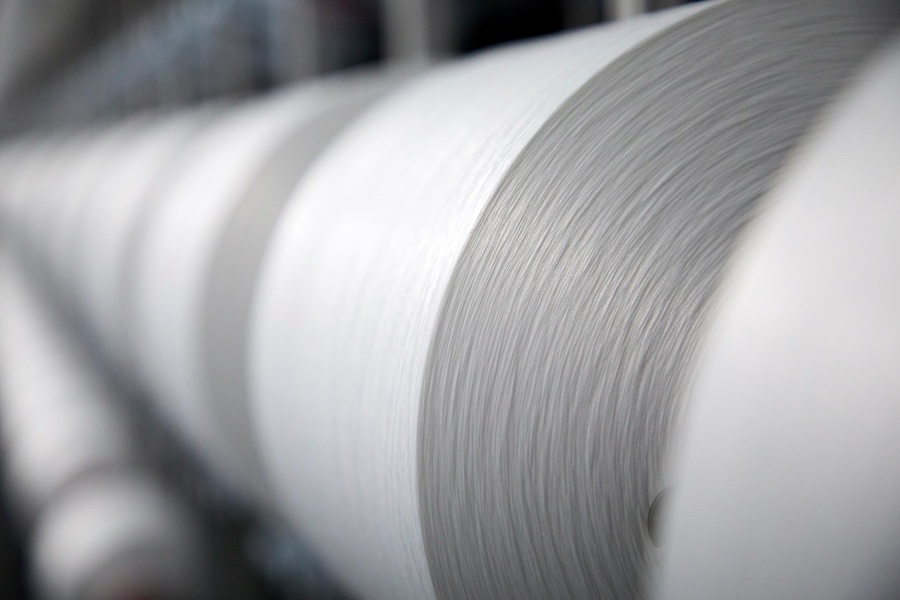
Meryl® yarn can now be produced with the Global Recycled Standard (GRS) certification using INVISTA recycled nylon 6.6 polymer. Though containing 50% or more recycled content, the yarn will retain the world-renowned quality for which Meryl® is known.

INVISTA sources post-industrial nylon 6.6 material from its plant in Kingston, Canada, where fibers for airbags and carpets are produced. Through its proprietary process, INVISTA converts post-industrial fiber waste to pellet form and supplies it to Nylstar for spinning, enabling some of the world’s top fashion houses to deliver sustainable garments to the market. According to Alfonso Cirera, CEO and president of Nylstar, “We, through our Research Center for Advanced Recycled Materials, are the first to commercialize these recycled materials for use in fine denier yarns for the athleisure market."

Recycled Meryl® yarns are available with additional sustainability solutions, including dope-dye colors, solvent and silicone-free, zero microplastic pollution, and natural stretch without elastane. These yarn technologies were born from Nylstar's commitment to reduce or eliminate the use of water, energy, and chemicals while promoting 100% recyclability in garment production. Nylstar is also currently working with retailers to rapidly develop collection and processing infrastructure to promote post-consumer recycling of garments made with Meryl® yarns.


According to Mark Delaplane, Vice President of Product Line Strategy at INVISTA, "Nylstar has the knowledge and technology to convert recycled polymer into specialty yarns. This is an exciting example of a win-win solution and preferred customer relationship that promotes environmental stewardship while delivering high quality products to the fashion industry.”  Cirera added, “Thanks to our work with INVISTA, we can now offer our brand partners a new way to transition to closed-loop solutions without compromising the performance, hand-feel and durability consumers expect from Meryl® yarns.”
(c) 2020 Global Recycled Standard


More News from INVISTA (International) Sàrl

#Man-Made Fibers

INVISTA, Epoch Biodesign sign MoU to advance development of post-consumer recycled Nylon 6,6

INVISTA, a global leader in the manufacture of chemical intermediates, polymers and fibers for the nylon and polypropylene value chains, and Epoch Biodesign, the global leader in enzymatic plastic recycling technology, today announced the signing of a Memorandum of Understanding (MoU) aimed at advancing the development of post-consumer recycled nylon 6,6.

#Yarns

INVISTA proposes plant closures and production shift to strengthen global competitiveness

INVISTA announced a set of proposed strategic actions intended to strengthen its global operating footprint and position the business for long-term competitiveness. The proposal includes closing its precision machine shop in Martinsville, Virginia; discontinuing production at its Gloucester, England site; transitioning operations to its Kingston, Canada facility, which will continue to serve customers in North America and Europe; and continuing to explore various investment opportunities for expanding capabilities at select advantaged sites, including its Anlon site in Shanghai, China.

#Man-Made Fibers

CORDURA® Advanced Fabrics forges ahead with launch of next-gen flame resistant fabric solution at A+A

CORDURA® Advanced Fabrics is paving the way for new possibilities at A+A in Düsseldorf with the launch of CORDURA Comfort FR™, its new range of flame resistant (FR) fabric solutions. The CORDURA® team will be exhibiting in Hall 16, A48 where they will showcase how the new fabric marks a significant breakthrough in flame resistant (FR) performance fabrics, thanks to the combination of lightweight comfort, durability, and lower total cost of ownership.

#Man-Made Fibers

INVISTA unveils new direct-to-mold Nylon product offerings

INVISTA, a global leader in the manufacture of chemical intermediates, polymers and fibers for the nylon and polypropylene value chains, unveiled three new direct-to-mold nylon product offerings today at K Fair in Germany.

More News on Recycling / Circular Economy

#Recycling / Circular Economy

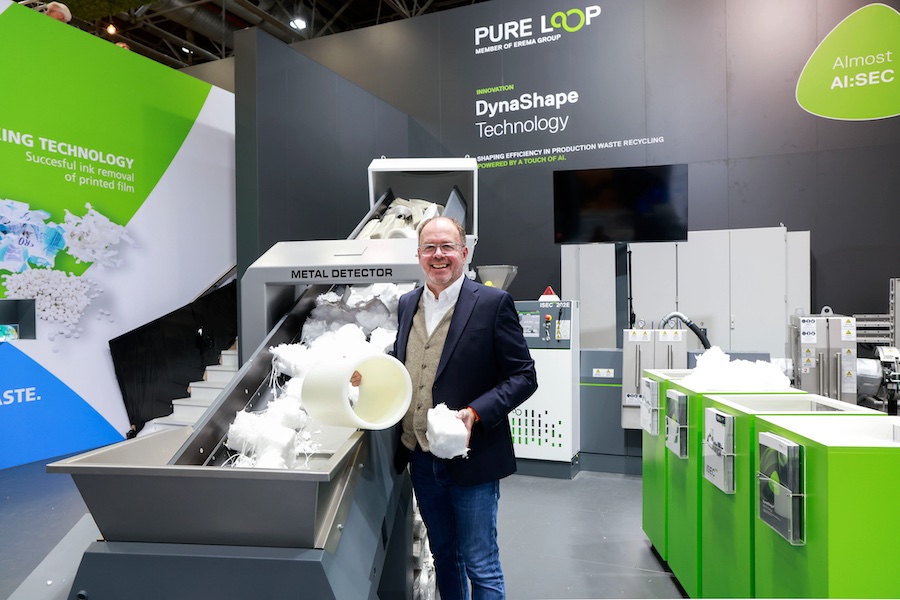
PURE LOOP's DynaShape® automation increases recycling productivity by up to ten percent

The intelligent automation solution for the ISEC evo recycling machine automatically adjusts operating parameters to changing input materials, improving throughput, melt quality and process stability while reducing operator workload.

#Recycling / Circular Economy

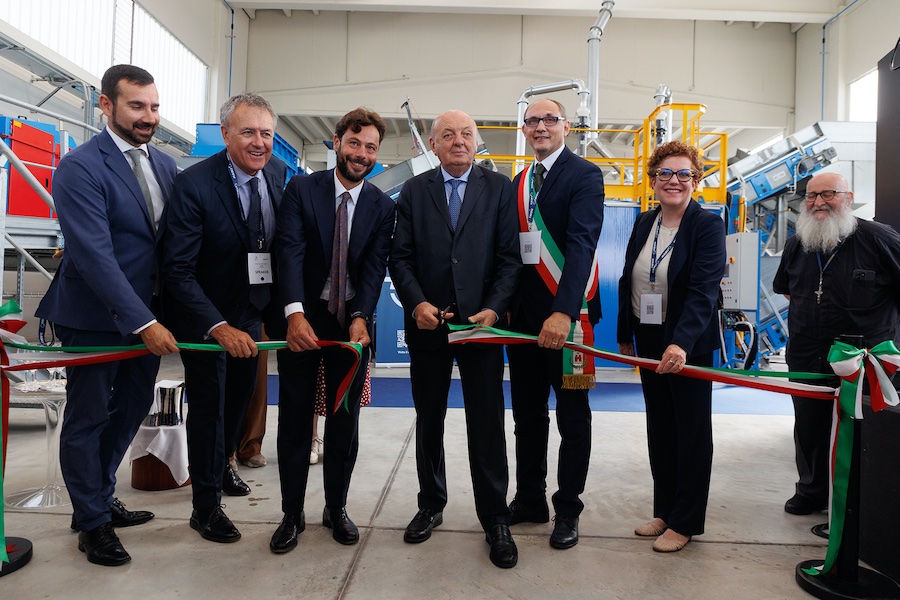
From textile waste to spinning-grade fiber: STADLER Group engineers integrated sorting solution for IGERS in Italy

As technology partner, STADLER worked alongside IGERS on its new plant in San Pietro Mosezzo, Novara, from the first process discussions to the final layout – integrating key treatment equipment into one system and supplying the fully automated sorting line. Together, the two companies have taken IGERS' patented textile recycling process from vision to industrial reality.

#Recycled Fibers

Toray develops Polyester-Nylon fiber containing at least 93% recycled material by mass

Toray Industries, Inc., announced today that it has developed a polyester-nylon fiber with at least 93% recycled content by mass, based on the total weight of the raw yarn. This percentage applies to the newly developed raw yarn and does not represent the recycled content of the finished fabric or garment.

#Recycling / Circular Economy

Canopy shifts focus towards recycling and traceability in updated Hot Button criteria

Environmental non-profit organisation Canopy has introduced revised criteria for its annual Hot Button Report, which evaluates producers of man-made cellulosic fibres (MMCFs), including viscose, lyocell and acetate. The updated framework places greater emphasis on scaling alternative fibre sources, improving supply chain traceability and supporting forest conservation, while maintaining responsible sourcing as a central requirement.

Latest News

TOP