[pageLogInLogOut]

#Recycling / Circular Economy

adidas and Parley for the Oceans celebrate the 5th anniversary of their partnership

adidas x Parley concept shoe - 2015 (c) 2020 Adidas
On the day that marks the fifth anniversary of their partnership, adidas and Parley for the Oceans are renewing their commitment to their mutual mission of helping to end the global plastic crisis, bringing eco-innovation and change to the industry, and driving the Material Revolution to replace plastic altogether.

Partners re-confirm their vision of bringing change to the industry and expanding their collaboration to drive the Material Revolution.

adidas becomes founding partner of the Parley Institute for Material Science, which identifies, evaluates and funds material replacements for plastic.

To celebrate the anniversary, partners release the special edition adidas Parley UltraBOOST DNA - inspired by the prototype which launched the movement in 2015. For every pair of this special edition shoe purchased between June 26th - 29th, adidas will contribute 30 USD / EUR to support Parley. 

The partnership was originally announced at the 2015 Parley ‘Oceans. Climate. Life.’ event at the United Nations in New York, where Cyrill Gutsch, the founder and CEO of Parley, introduced an ambitious vision: to end marine plastic pollution with the strategy called Parley AIR. This approach is based on three pillars of action: Avoid plastic where possible. Intercept plastic debris from the environment and turn it into Ocean Plastic, when plastic can’t be avoided. Redesign plastic by inventing new materials.  

(c) 2020 Adidas
(c) 2020 Adidas


It was on that occasion that the adidas and Parley unveiled a concept shoe with an upper made of yarns and filaments reclaimed and recycled from ocean waste and illegal deep-sea fishing nets – a first for the industry.


Since then, the partnership has driven eco-innovation within the industry, creating a global ocean movement through the power of sport.

“We are not just focused on changing how we do business; we are dedicated to changing how our industry does business”, says James Carnes, adidas VP Brand Strategy.

In the last five years, adidas has gradually eliminated virgin polyester from its products and by the end of 2020 more than 50% of all the polyester used in the company’s products will be recycled. These achievements put adidas well on track to achieve its goal of phasing out virgin polyester in its products by 2024.

With Primeblue, the partners jointly developed a high-performance yarn for the sports industry, made with Parley Ocean Plastic. By the end of 2020, adidas will have made more than 30 million pairs of shoes with Parley Ocean Plastic.

“Today is the day to look back and evaluate, to dive deep into our consciousness and ask ourselves if we did enough, if we used the time wisely, if we lived up to what we promised ourselves, what we promised our network and the general public. With the scale of the problems we’re up against, it never feels like we’re doing enough, or moving fast enough. Looking back, what we’ve achieved together with adidas feels like a miracle. In the last five years we delivered the proof of concept for our Parley AIR Strategy. Now is the time to drive the Material Revolution like never before. We have 10 years left to end the Toxic Age we created. The path to survival is to unite as a species and collaborate with nature”- says Cyrill Gutsch, CEO and Founder of Parley.

Moving forward, adidas and Parley will work on developing, testing and implementing new materials to replace plastic for good. Adidas joins the Parley Institute for Material Science as a founding Partner; the Institute identifies, evaluates and funds material replacements for plastic and other harmful, toxic or exploitative materials.

To celebrate the anniversary of the partnership, adidas and Parley released the adidas Parley UltraBOOST DNA, a shoe that is inspired by the historic prototype presented in 2015. For every pair of this limited-edition shoe purchased between June 26th and 29th, adidas will contribute 30 USD / EUR to support Parley.

Moving forward, we will continue working together with Parley on

More News from TEXDATA International

#Digital Printing

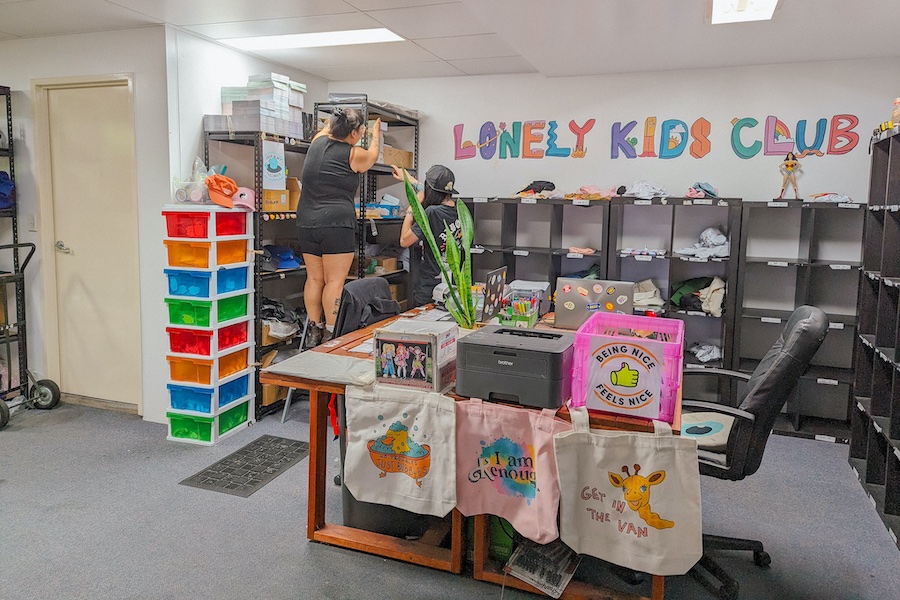
From a bedroom startup to 3,000 designs: How Lonely Kids Club built its business with DTG printing

Founded in Sydney in 2011, independent clothing label Lonely Kids Club has grown from a bedroom startup into a business offering around 3,000 graphic T-shirt designs. With its own production studio, direct-to-garment printing and a demand-driven manufacturing model, the company demonstrates how smaller apparel brands can combine creative independence with flexible production – while navigating the everyday challenges of quality control, workflow efficiency and sustainability.

#India ITME 2026

India’s textile industry: Current position, growth targets and industrial development

With ambitious export targets, major investments in manufacturing infrastructure and new international trade agreements, India is pursuing a comprehensive development strategy for its textile and apparel industry. An overview of the industry’s current position, government initiatives, progress achieved and challenges ahead.

#Weaving

“A complex design is only useful if the machine can reproduce it consistently”

Andreas Schnabel, Head of R&D for Technical Weaving Systems at Stäubli, discusses how 3D weaving can create textile reinforcements tailored to the loads within a composite component, where near-net-shape weaving can reduce processing steps and material waste, and what it takes to produce complex structures reliably and economically. He also explains how manufacturers can adapt Stäubli’s modular TF weaving platforms to new applications and how the company’s centre of excellence in Bayreuth supports the transition from research to industrial production.

#India ITME 2026

India ITME 2026: Textile technology meets India's investment ambitions

With ambitious growth targets, government incentive programmes and industrial development initiatives already underway, India is preparing for the next stage of its textile transformation. Against this backdrop, the 12th India ITME, taking place in Greater Noida from 4 to 9 December 2026, arrives at a particularly important moment for machinery manufacturers and textile producers alike.

More News on Recycling / Circular Economy

#Recycled Fibers

Recover and SUPIMA partner to develop recycled Pima cotton fibers and yarns

Recover and SUPIMA have partnered to turn waste from SUPIMA cotton production into a new line of recycled fibers and yarns. The collaboration will explore how recycled American-grown Pima cotton can be used in a wider range of yarns and garments for the premium market.

#Recycling / Circular Economy

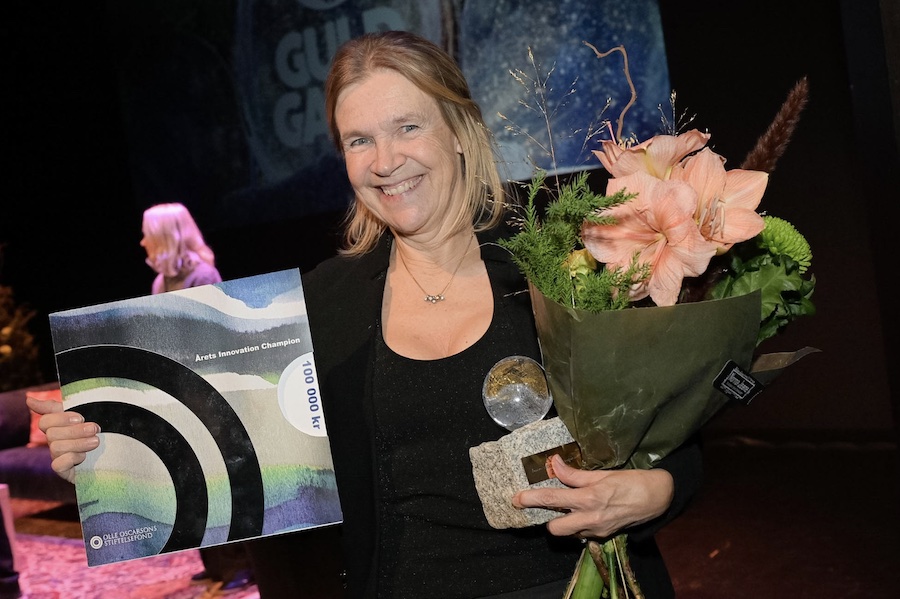
ReSpin founder Åsa Strandberg receives Innovation Champion of the Year 2026 award

Åsa Strandberg, founder and CEO of Swedish textile recycling company ReSpin AB, has been named Innovation Champion of the Year 2026. The award recognises her development of RespinJenny, a patented technology designed to recycle textile waste into new, high-quality fibres without using water, chemicals or additional virgin raw materials. The distinction was presented by the Olle Oscarsson Foundation and Axera Inkubator at Guldgalan in Sweden.

#Recycling / Circular Economy

Circulose resumes recycling of discarded cotton textiles and appoints interim CEO

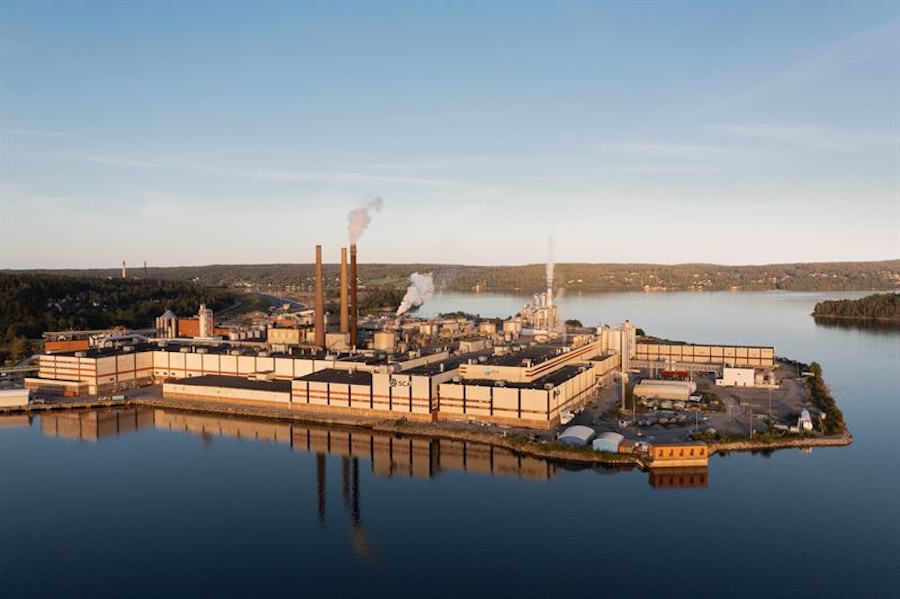
Circulose today announced its restart of commercial-scale production plant at Ortviken in Sundsvall, Sweden, marking a significant step in scaling next-generation materials for the global fashion industry. The Ortviken plant is the world’s first commercial-scale chemical textile recycling facility. Its restart demonstrates that the fashion industry is seeking ways to scale proven solutions that move beyond pilots and into commercial production.

#Recycled Fibers

Reju expands textile-to-textile recycling network with six international fabric manufacturers

Reju, a textile-to-textile regeneration company, is expanding its industrial network through collaborations with six fabric manufacturers in Europe and the Americas. The initiative aims to accelerate the integration of regenerated polyester into textile manufacturing and support the development of finished fabrics for commercial applications.

Latest News

#Heimtextil 2027

Heimtextil and The Florentin showcase the role of textiles in hotel design

Heimtextil has partnered with Frankfurt hotel The Florentin by Althoff Collection for its new Interior.Architecture.Hospitality campaign. The collaboration will give architects, interior designers and other contract-sector professionals a closer look at how textiles were used in the hotel. The two studios behind the project will discuss their work at Heimtextil on 14 January 2027 in Hall 4.1.

#EU Textile Strategy

EU Commission proposes advanced materials agenda with targets for 2035

The European Commission has proposed an Advanced Materials for Europe agenda to accelerate the development, production and adoption of safer and more sustainable advanced materials. The proposal sets three benchmarks for 2035 and calls for closer coordination among EU member states to help move new materials from the laboratory into industrial production.

#Research & Development

Empa develops liquid-core fibre for insecticide-treated mosquito nets

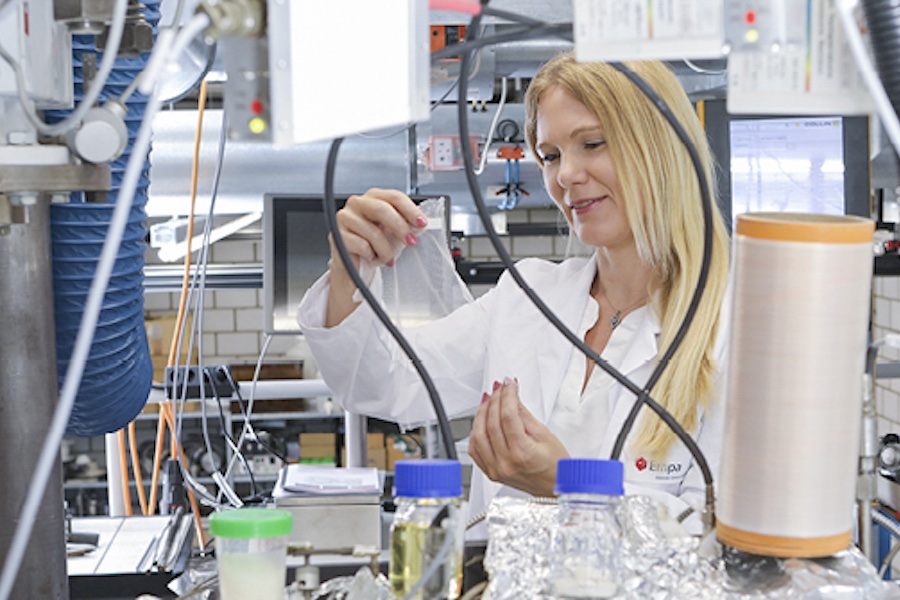
Empa researchers have developed a liquid-core fibre for mosquito nets that can incorporate insecticides unsuitable for conventional melt spinning. The fibre gradually releases the active ingredient through a polymer sheath. The team developed and tested the yarn over three years in the Innosuisse project MalCoFil with Swiss industry partners Vestergaard and Monosuisse.

#Raw Materials

Sourcing of traceable BCI cotton rises 43.5% to 33,000 tonnes

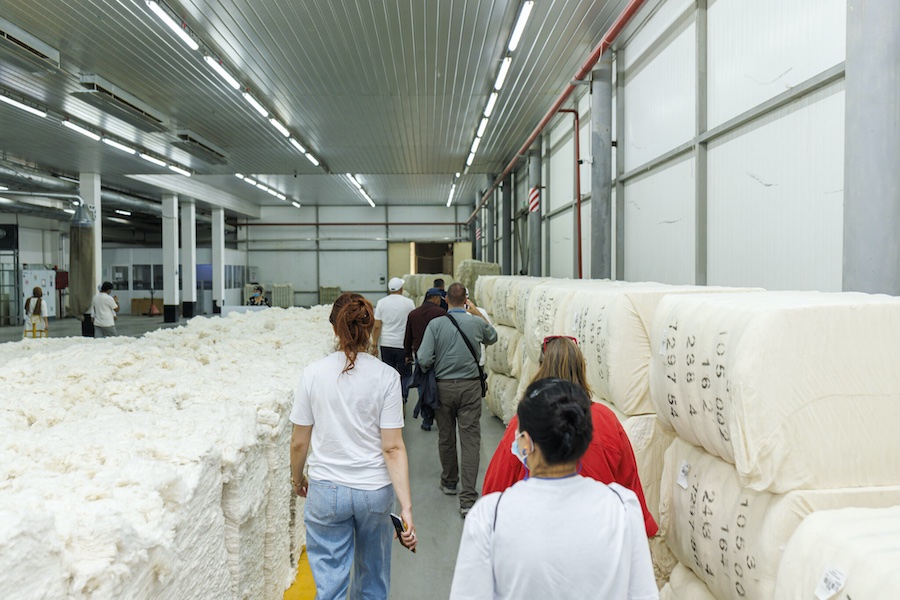
Retailers and brands sourced a record 33,000 metric tonnes of Traceable BCI Cotton over the past year, up 43.5% from 23,000 tonnes in 2024–2025, the Better Cotton Initiative (BCI) reported on 17 November 2026.

TOP