#Recycling / Circular Economy
Holma and ReSpin establish Sweden’s first industrial spinning line for recycled textile fibres
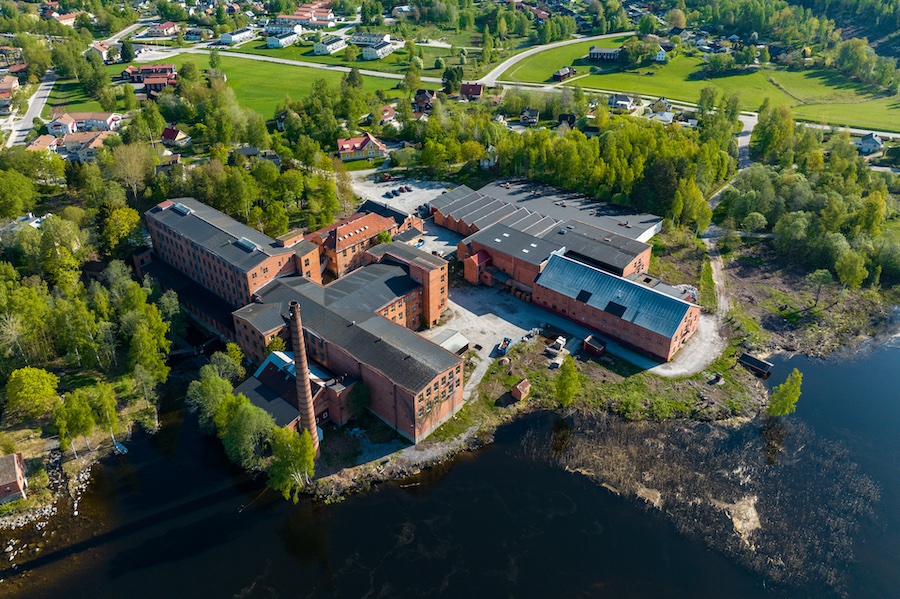
The company is owned through Holma Helsingland Förvaltning AB, in which ReSpin, developer of technology for mechanical fibre-to-fibre recycling of textiles, is a co-owner.
The initiative combines Holma Helsingland’s long industrial experience in spinning, twisting, dyeing and yarn production with ReSpin’s technology for mechanically recycling textile waste into new fibres without water or chemicals, using low energy consumption and with a strong focus on preserving fibre quality.
The project, titled “From Waste to Yarn”, will enable large-scale production of new fibres and yarns from textile waste and contribute to the development of circular textile flows in Sweden and Europe.
Globally, the textile industry accounts for significant greenhouse gas emissions and extensive use of virgin raw materials. Developing circular material flows and fibre-to-fibre recycling is therefore considered a critical part of the transition toward a more sustainable textile industry.
“This is an important investment for the Swedish textile industry. By combining our established spinning expertise with new recycling technology, we are creating new opportunities for the future of circular textile production. We also see this initiative strengthening Gävleborg’s role as an industrial hub for sustainable textile manufacturing,” says Pär Eriksson, CEO of Holma Helsinglands.
“This investment is an important step in scaling fibre-to-fibre recycling industrially and demonstrating that circular textile materials can be produced on a larger scale with low climate impact. For us, this is about building the next generation textile industry, where recycling and production are integrated into the same value chain,” says Åsa Strandberg, CEO of ReSpin AB.
Klimatklivet (The Climate Leap) is the Swedish Environmental Protection Agency’s investment support programme for local and regional initiatives that reduce greenhouse gas emissions. The programme supports investments with substantial climate benefits and strong potential for technology diffusion and industrial transition. In its decision, the Swedish Environmental Protection Agency highlights the project’s potential to contribute both to technology dissemination and market introduction within the climate transition.
The project is scheduled to be completed no later than 31 December 2028.