[pageLogInLogOut]

#Recycling / Circular Economy

Building Circular Systems, next phase of work to create scale in textile-to-textile recycling systems

Accelerating Circularity is proud to announce the launch of the next phase of work, Building Circular Systems (BCS). The goal is to expand our work on circular textile-to-textile systems that will enable the reduction of the textile industry’s GHG impacts and reduce the volume of textiles going to landfill and incineration.

Previous Accelerating Circularity textile-to-textile (T2T) trials have demonstrated the successful replacement of virgin fibers in yarns and fabrics that targeted a minimum of 40% recycled cotton or recycled polyester. Each of the new materials were run at standard industry minimum order quantities.

ACP’s Building Circular Systems (BCS) objectives are to significantly increase volumes of materials, develop new tools and expand circular system education based on the learnings from the previous work. This next phase will include more collaborations with additional partners and a wider geographic scope. BCS provides the opportunity for participants to benefit from; witnessing 1st hand the capabilities and challenges of circular systems, collectively building the tools necessary to commercialize at industry scale T2T and connecting with peers on T2T regulations and transition pathways. Ultimately this work will enable companies to better meet their own goals of incorporating recycled materials and GHG reduction targets.


There are 3 main workstreams:

  • Building Markets through expanded trials in both the United States and European Union.
  • Creating the Textile Hierarchy Tool that outlines pathways for used textiles to maximize resource savings and reduce environmental impacts.
  • Educating and providing access to information and available tools on circular T2T systems.

“This milestone marks a major step forward in ACP’s efforts to build commercial circular textile-to-textile systems, provide industry tools and deliver on education and knowledge allowing companies to transfer learnings to their sourcing strategies. ” said Karla Magruder, founder, and president of Accelerating Circularity. “We are driving positive change in the supply chain through collaboration and leading the way toward our vision of a world where textiles are no longer wasted.”

More News from Accelerating Circularity

More News on Recycling / Circular Economy

#Recycling / Circular Economy

Non-refundable grant issued for R&D project ReNaTe

matterr is pleased to announce that the ReNaTe project has received funding approval from the European Regional Development Fund (ERDF) and the State of Lower Saxony.

#Recycling / Circular Economy

Creating a circular economy for fashion and textiles in the UAE

As the United Arab Emirates (UAE) accelerates its shift towards a circular economy, the Ellen MacArthur Foundation is working to co-design and deliver a national textiles circularity policy framework as part of the country’s wider Naseej initiative, a Presidential-level programme to create a circular economy for fashion and textiles.

#Recycling / Circular Economy

Indorama Ventures strengthens Packaging business through strategic circular PET partnership

Indorama Ventures Public Company Limited, a global sustainable chemical company, today announced a strategic partnership through Indovida, Indorama Ventures’ packaging business segment, with Suntory Holdings Limited, Suntory PepsiCo Beverage (Thailand) Co., Ltd. and Iwatani Corporation, to bring commercial-scale circular PET packaging to Thailand. The collaboration further strengthens Indorama Ventures’ downstream packaging platform while expanding its leadership in circular packaging solutions.

#Recycling / Circular Economy

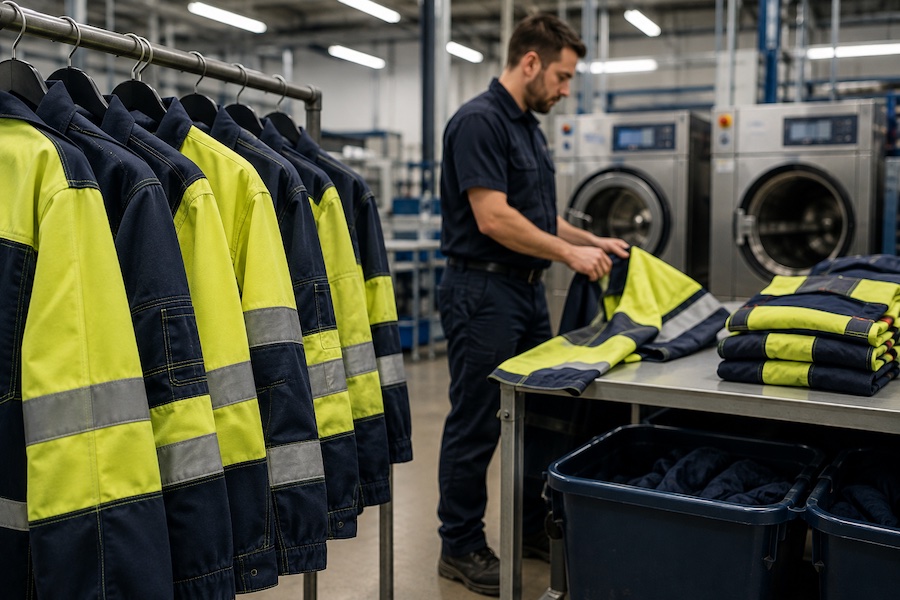
Managed workwear services are providing a blueprint for the circular textile economy

Managed workwear service providers are demonstrating how commercial success and circularity can go hand in hand by extending garment lifespans through repair, laundering, reuse and recycling, according to “Managed workwear services—a circular textile economy ahead of the game”, a new 14‑page report from the global business information company Textiles Intelligence.

Latest News

#Raw Materials

Brazil sets new cotton export record and consolidates global leadership

Brazil ended the 2025/26 commercial year with a new record, consolidating its position as the world’s largest cotton exporter. Between August 2025 and July 2026, the country shipped 3,373,941 tonnes of the fiber, 19% more than in the previous cycle, and reached record revenue of US$5.3 billion. The result represents a milestone in Brazil’s expansion in the international market and reinforces the country’s role as a strategic supplier to the global textile industry.

#Raw Materials

Better Cotton Initiative partners with Avalo in AI plant breeding for climate-resilient cotton

The Better Cotton Initiative (BCI) has partnered with agriculture solutions company Avalo, whose platform accelerates the speed at which plants with key resiliency traits may be developed.

#Man-Made Fibers

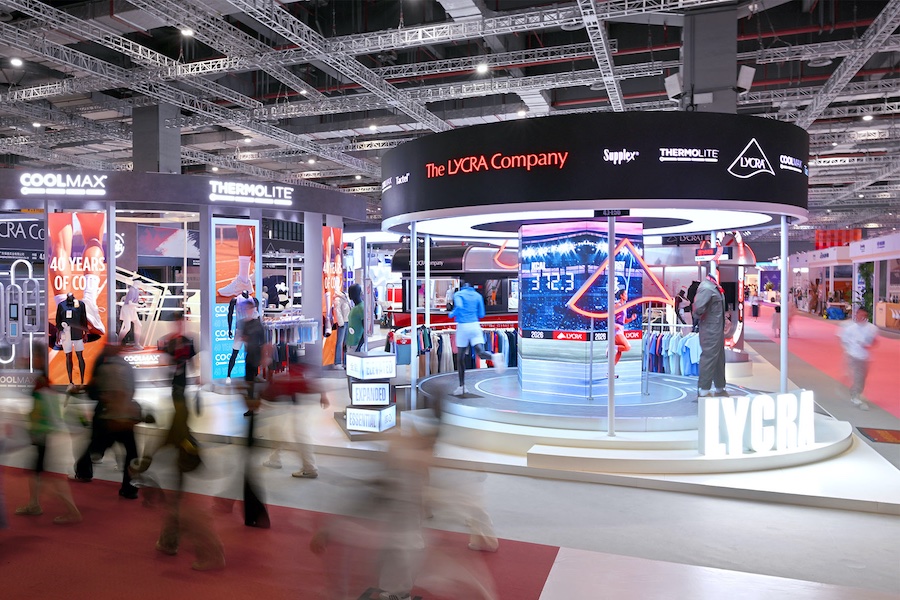
The LYCRA Company expands its co-creation vision through an immersive Lifestyle District at Intertextile Shanghai.

The LYCRA Company, a global leader in fiber and technology solutions for the apparel industry, is reimagining the trade show experience at Intertextile Shanghai Apparel Fabrics Autumn Edition, which opened today in China. Building on the success of last year's ALL IN concept, the company has expanded its co-creation vision into a 356-square-meter Lifestyle District featuring partners Jingzili New Material, JYT Textile, Lianxingfa Knitting, and Trend Textile. The district is part of a larger 895-square-meter pavilion showcasing a total of 19 co-exhibitors. Together, they demonstrate how innovations in fiber, fabric, and garments can be combined to create compelling solutions for both work and play.

#Natural Fibers

Plastic-free stretch technologies drive new direction for denim innovation

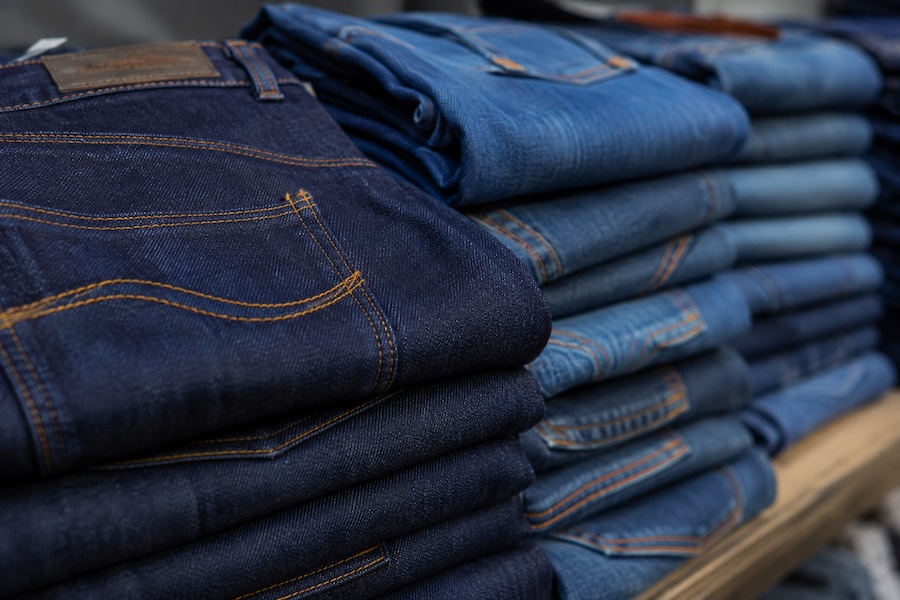
As the denim industry looks for ways to reduce its reliance on synthetic fibres, plastic-free stretch technologies are gaining momentum. Developments based on mechanical fabric construction and natural rubber are demonstrating that comfort and stretch can be achieved without conventional elastane, supporting both recyclability and circular product design.

TOP