[pageLogInLogOut]

#Raw Materials

Cotton Incorporated celebrates the benefits of authentic cotton denim for 151st birthday of Blue Jeans

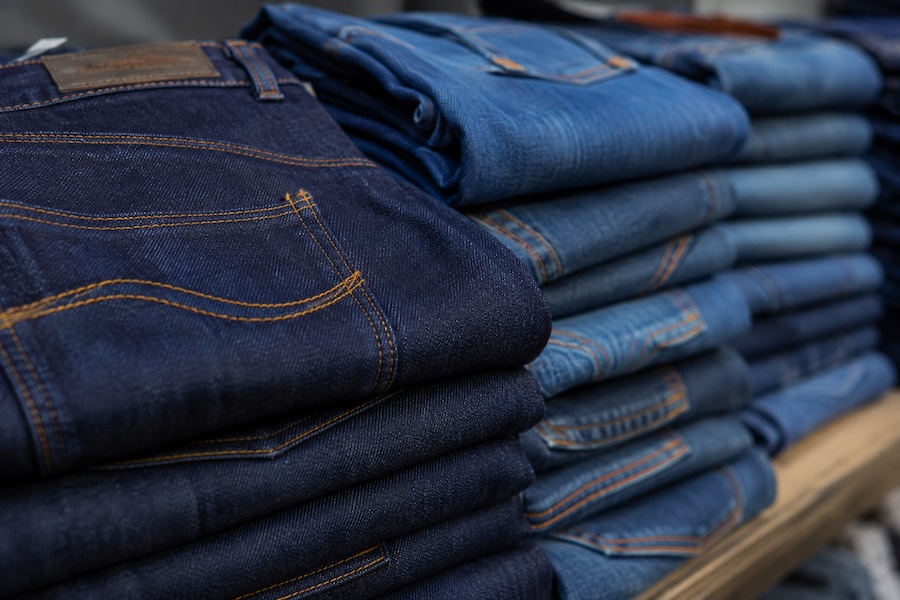
Cotton Incorporated encourages consumers to commemorate the 151st anniversary of the birth of blue jeans, an iconic symbol of American fashion and innovation. One way to participate is recycling cotton denim, and learning more about circularity of cotton and it uses beyond fashion. So, on this special occasion, we encourage readers to participate in our nationally recognized Blue Jeans Go Green ™ program.

On this day in 1873, the landscape of apparel was forever changed when the first blue jeans were patented. “The invention of blue jeans marked a pivotal moment in the history of fashion,” said Andrea Samber, Director of Brand Partnerships, Cotton Incorporated. “From their humble beginnings as functional work attire to becoming a global fashion staple, blue jeans have captured the imagination of people across generations and cultures.” 

In addition to celebrating the rich history of blue jeans, Cotton Incorporated highlights the Blue Jeans Go Green™ program, which collects denim to be recycled in creative ways – from building efforts, pet bed inserts, thermal food packaging, and more. Since its inception, the Blue Jeans Go Green™ program has diverted millions of pounds of denim from landfills and provided insulation for over 2,000 homes across the United States. Over 5,200,000 pieces of denim and 2,630 tons have been recycled through the program.

Through the Blue Jeans Go Green™ initiative, we can extend the lifespan of denim while providing sustainable solutions for communities in need, said Samber. “It’s a testament to the enduring impact of blue jeans beyond the realm of fashion.”

Since 2006, over 100 brands and retailers have collaborated with the program.

The Blue Jeans Go Green™ program is just one of the ways consumers can close the loop on cotton sustainability. Denim recycling is possible because it’s made from cotton, which is a sustainable, natural fiber. Through resale, renewal and upcycling, consumers can help keep the lifecycle of cotton going.

Well-made cotton apparel is durable, making it a perfect match for the blossoming secondhand market where it can be reused repeatedly. Textiles made of 100% cotton can be recycled and may be used to create new products. After it can no longer be reused or recycled, cotton products can be discarded. Cotton can degrade in industrial compost, wastewater, salt water and freshwater environments, and it also degrades faster than manufactured cellulosic fibers like rayon and oil-based synthetics, according to Cotton Incorporated’s Cotton Circular Lifecycle.

https://www.cottonworks.com/wp-content/uploads/2020/09/Cotton-Circularity_Final.pdf

As they celebrate the 151st birthday of blue jeans, Cotton Incorporated invites individuals to join them in supporting the Blue Jeans Go Green™ initiative. By recycling old denim, you can contribute to environmental sustainability and the community.

For more information about Cotton Incorporated, the Blue Jeans Go Green™ program, and how to get involved, please visit https://bluejeansgogreen.org/

More News from Cotton Incorporated

#Natural Fibers

Cotton ConneXions Insight to Impact brings supply chain leaders together around cotton innovation

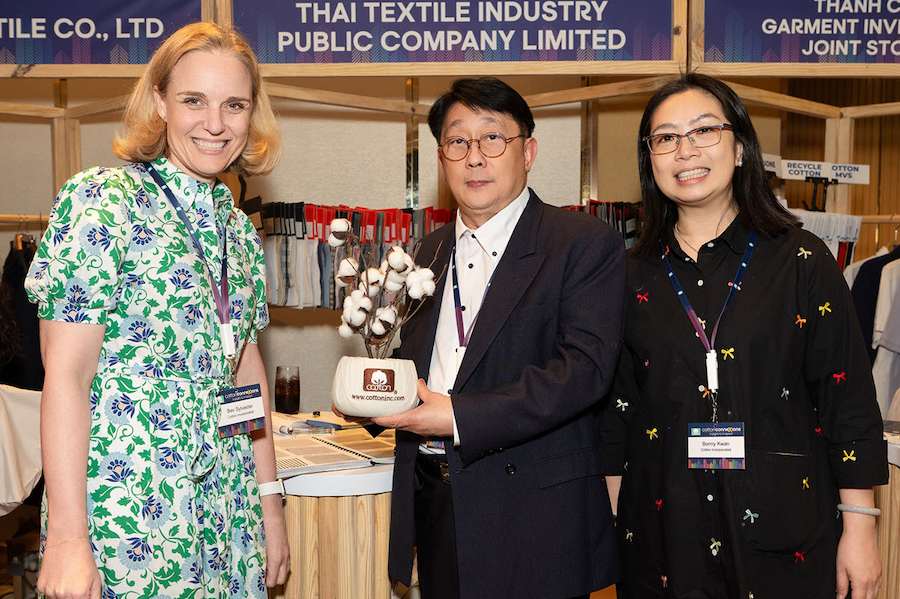
Cotton Incorporated’s Cotton ConneXions Insight to Impact brought together more than 300 industry leaders from 140 companies across 10 countries, including more than 45 top global brands and sourcing organizations, underscoring strong global interest in cotton-rich product development, sourcing and supply chain collaboration.

#Raw Materials

New U.S. cotton study uses real-world grower data to reveal where fiber impacts occur

Cotton Incorporated has released a critically reviewed life cycle assessment (LCA) of U.S. cotton fiber production that examines how cotton’s environmental impacts are measured and where meaningful improvements can be made across the value chain. The new data, grounded in real‑world grower inputs, measures what drives U.S. cotton’s environmental footprint from field to gin.

#Natural Fibers

Dr. Jane Dever inducted into the 2025 Cotton Research and Promotion Hall of Fame

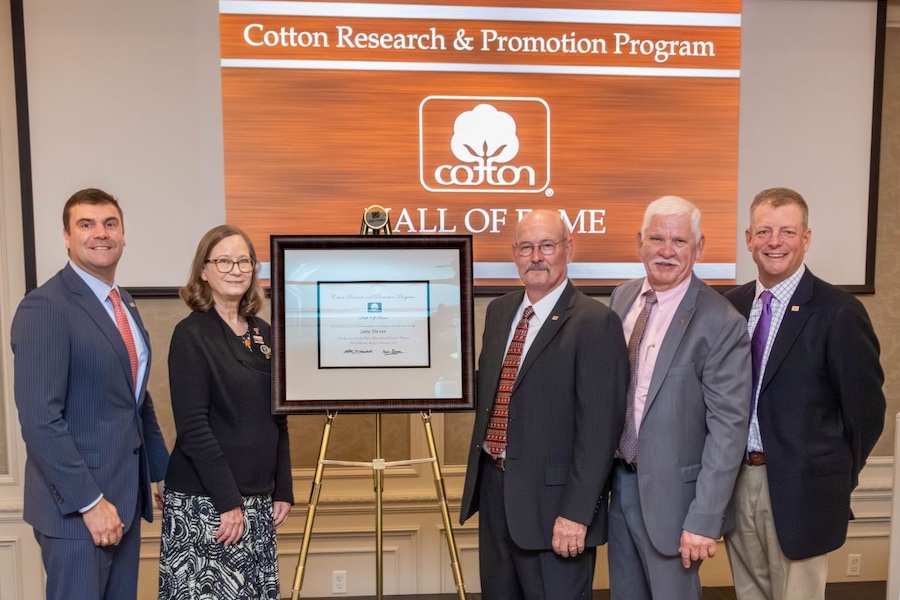
Dr. Jane K. Dever, a recognized leader in cotton breeding and fiber quality research, was inducted into the 2025 Cotton Research and Promotion Hall of Fame during the joint Cotton Incorporated/Cotton Board Annual Meeting held on December 9 in New Orleans, LA.

#Natural Fibers

Cotton Incorporated unveils reimagined CottonWorks platform

Cotton Incorporated today announced the launch of a reimagined CottonWorks™ website, an ambitious digital transformation designed to meet the evolving needs of today’s global textile professionals across every stage of the value chain. The new platform is more than a redesign – it is an intuitive, fashion-forward platform built to support compliance, product development, sourcing, and education across the textile industry.

More News on Raw Materials

#Raw Materials

ICAC International Seminar in Taipei to explore strategic synergies across the textile supply chain

The International Cotton Advisory Committee (ICAC) — together with the Taiwan Textile Federation (TTF), under the guidance of the Ministry of Economic Affairs and the Ministry of Foreign Affairs of Taiwan — will bring international cotton and textile leaders together in Taipei on September 10 for the ICAC International Seminar 2026.

#Raw Materials

Aid by Trade Foundation presents annual report for 2025: Market position and impact of sustainably verified natural fibres strengthened

Despite global supply chain challenges, the Aid by Trade Foundation (AbTF) was able to further expand its international role in promoting sustainably verified natural fibres in 2025. In doing so, the foundation remains true to its fundamental approach of leveraging market forces. Last year, it generated total revenues of EUR 7.8 million; this included EUR 6.7 million collected through the successful marketing of four standards: Cotton made in Africa (CmiA), CmiA Organic, The Good Cashmere Standard (GCS), and the Regenerative Cotton Standard (RCS). AbTF invested the resulting income in projects aiming to protect biodiversity, support women, increase transparency in the textile supply chain, and implement its verification system.

#Raw Materials

Cotton Brazil Dialogues field trip brings international stakeholders closer to Brazil’s cotton production chain

How do you build trust across the global textile value chain? By opening the farm gates. This is the principle behind the Cotton Brazil Dialogues. At the end of July, the programme welcomed its first group of international participants for a five-day immersion into Brazilian cotton production, combining field visits with technical workshops to showcase the quality, sustainability, innovation and traceability behind one of the world’s leading cotton origins.

#Raw Materials

World Cotton Day 2026 to bring global cotton and textile community to Tashkent on October 7

The Government of Uzbekistan and the International Cotton Advisory Committee (ICAC) will host the official World Cotton Day 2026 Partners Conference at the Hyatt Regency in Tashkent, Uzbekistan, on October 7.

Latest News

#Weaving

"Dynamic markets do not only create uncertainty – they also create opportunities."

Volatile markets, increasingly complex materials and growing demands for flexibility are changing the weaving industry. At the same time, new opportunities are emerging in technical textiles, filtration, composites and many other specialised applications. Since taking over as Head of DORNIER's Weaving Machines Product Line at the beginning of 2026, Yvonne Schuberth has been helping to shape this development. In this interview with TexData, she explains why process stability and customer proximity remain the foundation of innovation, how digitalisation is transforming weaving mills, and why she believes the future belongs to technologically demanding applications.

#Dyeing, Drying, Finishing

Ready for the future: PI Cottex chooses Brückner again for reliable quality and efficiency

PI Cottex, based in Ludhiana in the Indian state of Punjab, has developed into a leading manufacturer of high-quality knitted fabrics in recent years. Thanks to consistent vertical integration, modern pro-duction technologies and a clear focus on quality, the company supplies renowned national and inter-national clothing brands. In this interview, the team at PI Cottex talks to Brückner about its market strategy, future growth plans and its long-standing partnership with the German premium machinery manufacturer.

#Textiles & Apparel / Garment

Hong Kong strengthens position as Asia's leading sustainable fashion hub

Hong Kong's position as one of Asia's most prominent sustainable fashion hubs has been further strengthened, with the HKTDC ESG Index 2026 released by the Hong Kong Trade Development Council (HKTDC) for the fashion industry rising to 65.5 in 2026, up 2.3 percentage points from 2025. The increase reflects growing industry confidence in Hong Kong as a premier platform for sustainable fashion development and ESG-related business opportunities.

#Man-Made Fibers

Capturing malodor rather than masking it: Indorama Ventures presents innovative odor capturing technology at Dornbirn Global Fiber Congress

Indorama Ventures, a global leader in fibers and nonwovens serving customers in hygiene and technical markets, will present its latest technological innovation in odor management at the Dornbirn Global Fiber Congress.

TOP