[pageLogInLogOut]

#Raw Materials

Next level apparel and Grupo M partner to provide nearshore production
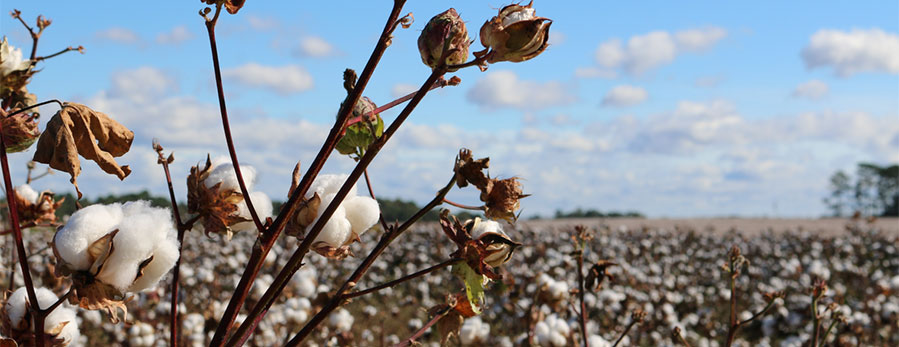
Next Level Apparel has moved to 100% U.S. cotton for its entire line (Photo: Business Wire)
Next Level Apparel (“NLA” or “the company”) today announced an exciting new partnership with Grupo M, a leading textile manufacturer, to provide nearshore production while supporting NLA’s move to 100% U.S. cotton for its entire apparel line.


Collaboration allows Next Level Apparel to continue its transition to nearshore sourcing and further advance longstanding commitment to responsible sourcing, transparency and quality

With this strategic move, NLA – one of the largest designers, manufacturers, and suppliers of premium blank apparel as well as an industry leader in responsible sourcing – will be able to bring production closer to home for improved speed-to-market, decreased geo-political risk and increased supply chain transparency, including upstream traceability of the cotton it uses.

This innovative partnership is a natural move forward for NLA and Grupo M as they are aligned on key priorities: providing global partners and customers with apparel that prioritizes ethical and sustainable production.

“With our premium products, our customers not only look good, but they also can feel good about how those products are sourced,” said NLA CEO Randy Hales. “As part of our ethos, we seek like-minded suppliers who prioritize sustainability and uphold equally high standards. This exciting partnership with Grupo M is another step forward in our longstanding commitment to supply chain visibility and accountability.”


“We are thrilled to collaborate with NLA to offer nearshore production while furthering our shared visions of innovation and transparency,” said Grupo M President Fernando Capellán. “We appreciate Next Level Apparel’s passion, enthusiasm and diligence in bringing the highest quality products to its customers while being equally committed to ethical and responsible sourcing.”

NLA has been committed to quality and socially conscious operations since its founding in 2003. The company recently announced a partnership with Oritain to provide origin verification for its worldwide cotton program through cutting-edge science. NLA is an approved member of the Fair Labor Association, committed to upholding its Principles of Fair Labor and Responsible Sourcing throughout its global supply chain. The company has also partnered with Better Work – a comprehensive program bringing together all levels of the garment industry to improve working conditions – on a factory, national and international level, and has received Worldwide Responsible Accredited Production (WRAP) certification for its factories. 



More News from TEXDATA International

#ITM 2026

ITM 2026: The new geography of textile production

New production hubs are emerging across North Africa and Central Asia, while Türkiye is accelerating its transformation toward higher-value, technology-driven and more sustainable textile manufacturing.

#Research & Development

“Production is a product”

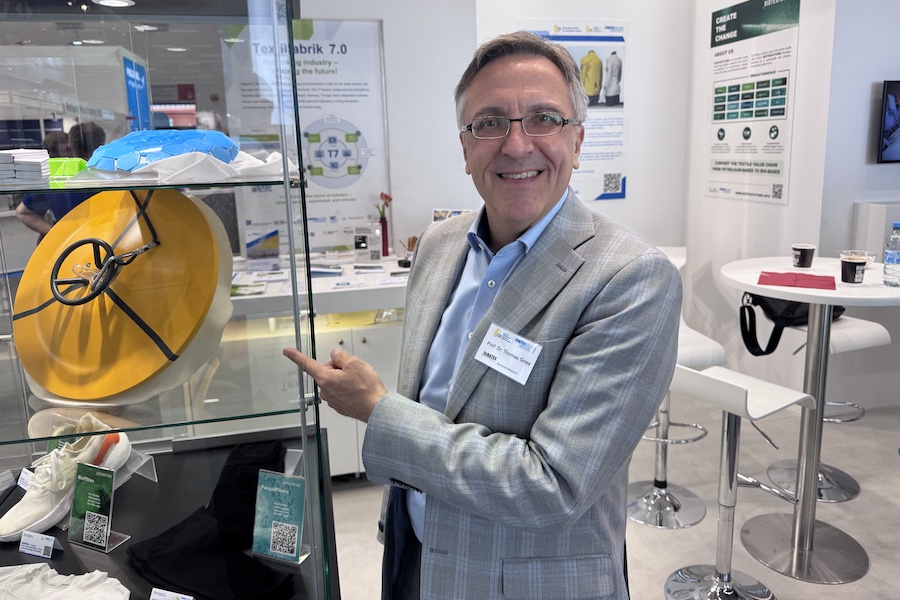
From technical textiles and AI-driven robotics to the limitations of textile circularity: Professor Dr Thomas Gries looks back on more than two decades of development at ITA Aachen. In the interview, he explains why production technology remains a decisive success factor, discusses international collaborations and innovation ecosystems, and shares his views on the transformation of production landscapes and the challenges facing an increasingly regulated industry.

#Knitting & Hosiery

“We need to move away from the price trap and return to a value-driven mindset.”

With its new Textile Innovation Center, KARL MAYER is sending a strong signal for innovation, collaboration, and the future of textile applications. In this interview, Karl Josef Mayer discusses new opportunities in warp knitting, the processing of staple fibres, recycling, the changing role of machinery manufacturers, and why the textile industry must once again focus more strongly on the value of textiles. by Oliver Schmidt

#Associations

“Innovation, resilience and international experience remain the great strengths of the Swiss textile machinery industry”

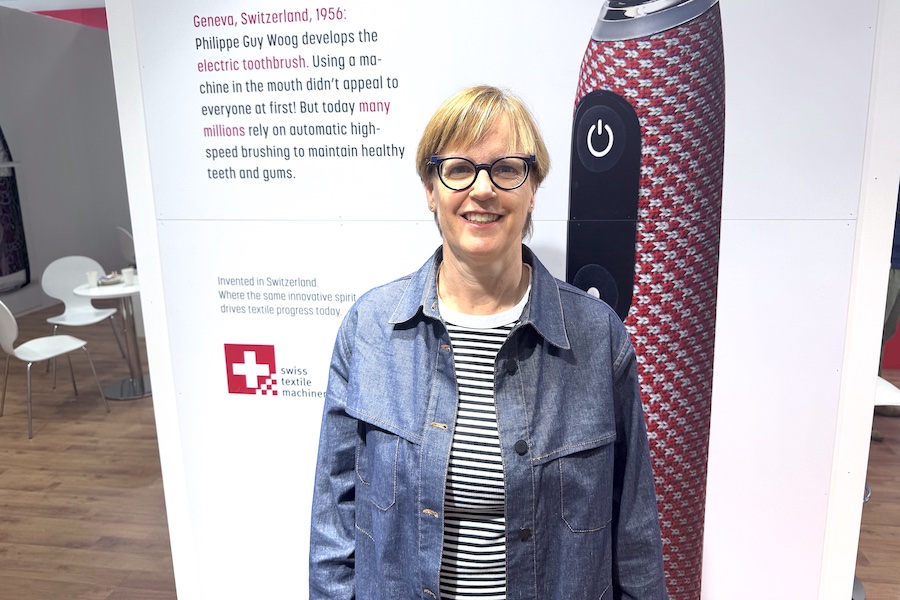
Geopolitical uncertainty, growing competitive pressure from China, new free trade agreements and the shift towards a circular economy are currently reshaping the global textile industry. In this interview, Cornelia Buchwalder discusses the current mood within the Swiss textile machinery sector, the industry’s distinctive innovative strength, new market opportunities in India and Asia, and the technological trends that could shape the upcoming trade fair cycle leading up to ITMA 2027.

More News on Raw Materials

#Raw Materials

CSITC adds ABRAPA as a round trial sample provider

Beginning with the Q2 2026 Round Trials, the ICAC's Committee on the Commercial Standardization of Instrument Testing of Cotton has expanded its sample provision framework by adding the Brazilian Cotton Growers Association (ABRAPA) as an official sample provider.

#Raw Materials

Dr N Vigneshwaran is named 2026 ICAC Researcher of the Year

The International Cotton Advisory Committee (ICAC) is pleased to announce the selection of Dr N Vigneshwaran, Principal Scientist and Head of the Chemical and Biochemical Processing Division at the ICAR–Central Institute for Research on Cotton Technology (ICAR-CIRCOT), Mumbai, India, as the ICAC Researcher of the Year 2026.

#Raw Materials

Global Cotton area and production are projected to decline in the 2026/27 Season

The June 2026 issue of Cotton This Month projects a modest contraction in global cotton area, production, and trade during the 2026/27 season, reflecting weaker demand sentiment, rising production costs, and shifting environmental factors across major producing nations.

#Raw Materials

New U.S. cotton study uses real-world grower data to reveal where fiber impacts occur

Cotton Incorporated has released a critically reviewed life cycle assessment (LCA) of U.S. cotton fiber production that examines how cotton’s environmental impacts are measured and where meaningful improvements can be made across the value chain. The new data, grounded in real‑world grower inputs, measures what drives U.S. cotton’s environmental footprint from field to gin.

Latest News

TOP