[pageLogInLogOut]

#Nonwovens / Technical Textiles

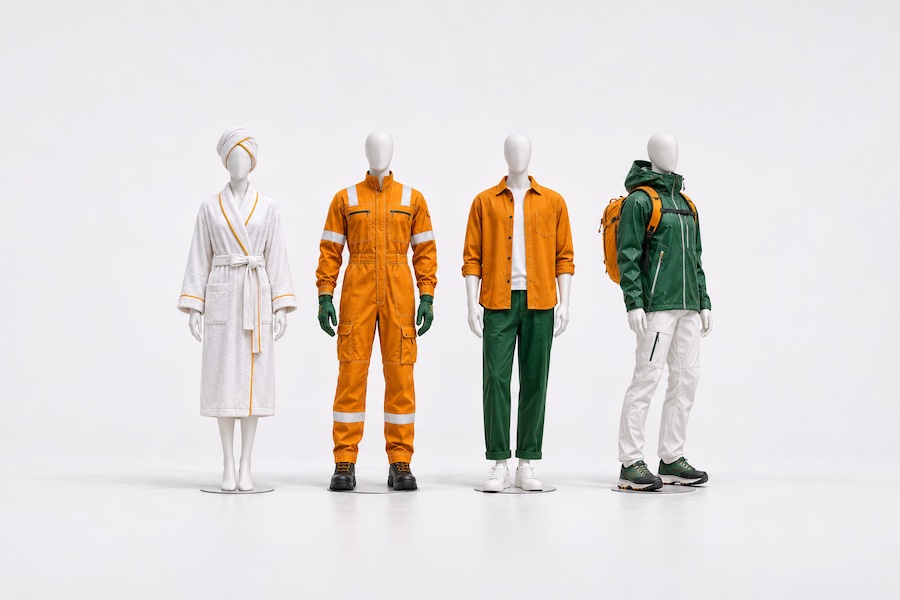
Livinguard launches apparel line employing odor-neutralizing tech with revolutionary ability to kill bacteria

Livinguard, the company that developed protective face masks with COVID-19-deactivating properties, announced today it is launching a line of odor-neutralizing t-shirts and polos in the U.S. employing its groundbreaking hygiene technology. This launch, putting these innovative, durable products into the hands of workers, travelers and others looking for comfortable clothing that remains odorless and hygienic over extended use and infrequent laundering, comes as a new study performed by Hohenstein Labs confirms that Livinguard’s Technology can kill bacteria at >7 log10 rate (99.99999%).

Hohenstein Labs confirms that Livinguard Technology used in new t-shirt line eliminates 99.99999 percent of bacteria introduced during testing

Livinguard’s proven ability to increase bacteria elimination at this scale is a watershed development in the hygiene and textile industry sector. And the odor-neutralizing properties of Livinguard t-shirts and polos are a boon to outdoor enthusiasts and weekend warriors, and uniquely suited for use by the textile industry in the manufacture of uniforms such as those used in restaurants and industry.

Made with patented non-leaching formulations that capture and kill odor-causing bacteria, the shirts can be worn multiple times before laundering, staying protected and smelling fresh longer while saving energy and water

“The COVID-19 pandemic has underscored the importance of hygiene technology in protecting the health of people across the world, and we continue to adapt our Livinguard Technology to new consumer products, including shirts with permanent antiviral and bacteria-fighting properties,” said Sanjeev Swamy, Livinguard’s Founder and CEO. “Over the past year, the world at large has learned what we at Livinguard have always known -- we must commit to embracing hygiene innovation in products we use in all aspects of our daily lives, from the clothing we wear and the linens we use, to the carpets we install and the protective products our frontline workers continue to rely on.”

“The recent findings by Hohenstein Labs reaffirms our position as an innovator in the hygiene space,” Swamy said. “Our bacteria-killing properties can save lives and have a significant impact in real-world applications.”


The principle underlying the Livinguard Technology is the deactivation of microbes including bacteria and viruses. The technology applies a positive charge at the molecular level to textile surfaces, making them more powerful than the negative charge of microbes. Therefore, microbes are deactivated when they encounter textiles treated with Livinguard Technology.

Textiles treated with Livinguard Technology have also been proven to deactivate viruses, including SARS-CoV-2* (the virus that causes COVID-19) by researchers at the Freie Universität Berlin and the University of Arizona. Furthermore, Livinguard Technology is safe for humans and the environment.

Livinguard continues to advance its technology through its own consumer products, as well as through strategic partnerships with governments, retailers, transit companies, food packaging businesses and hospitals around the world. Leveraging the turn-key Livinguard Technology, companies can transform their products with antiviral and bacteria-killing hygienic surfaces.

For information about Livinguard and its groundbreaking technologies please visit www.livinguard.com. To find Livinguard products please visit shop.livinguard.com.

Follow @livinguardtech on Facebook and Instagram to stay updated on how the company is working towards protecting the health and well-being of millions with the power of permanent disinfection.

More News from TEXDATA International

#Digital Printing

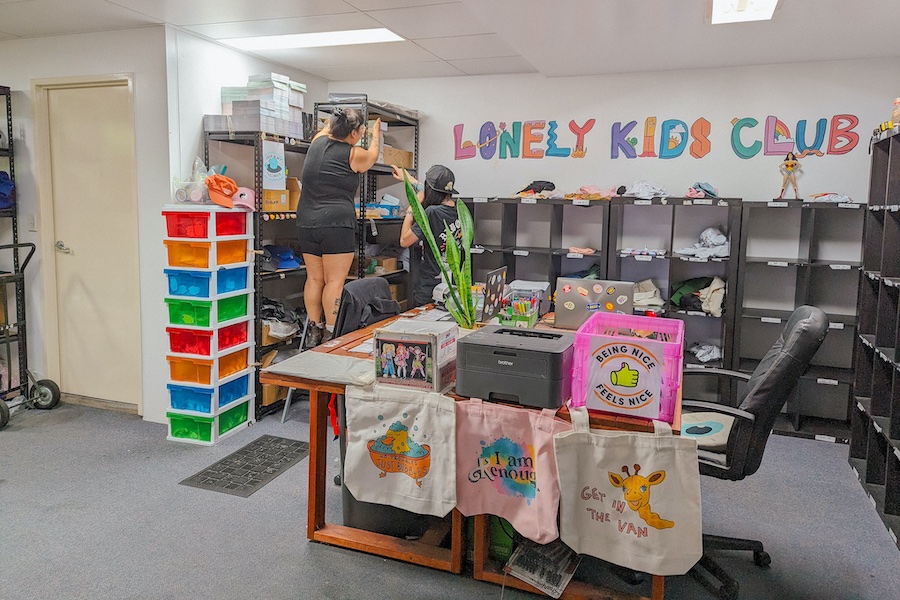
From a bedroom startup to 3,000 designs: How Lonely Kids Club built its business with DTG printing

Founded in Sydney in 2011, independent clothing label Lonely Kids Club has grown from a bedroom startup into a business offering around 3,000 graphic T-shirt designs. With its own production studio, direct-to-garment printing and a demand-driven manufacturing model, the company demonstrates how smaller apparel brands can combine creative independence with flexible production – while navigating the everyday challenges of quality control, workflow efficiency and sustainability.

#India ITME 2026

India’s textile industry: Current position, growth targets and industrial development

With ambitious export targets, major investments in manufacturing infrastructure and new international trade agreements, India is pursuing a comprehensive development strategy for its textile and apparel industry. An overview of the industry’s current position, government initiatives, progress achieved and challenges ahead.

#Weaving

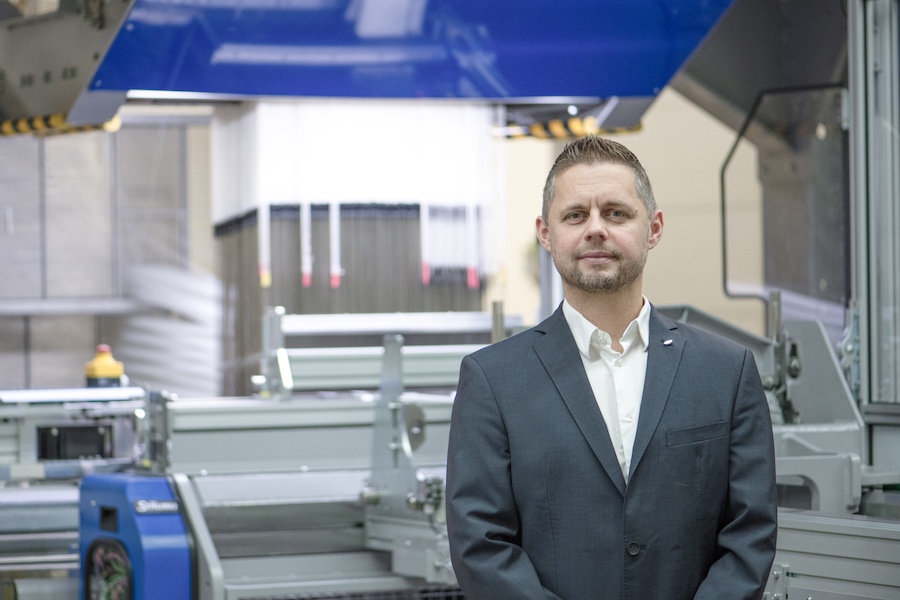
“A complex design is only useful if the machine can reproduce it consistently”

Andreas Schnabel, Head of R&D for Technical Weaving Systems at Stäubli, discusses how 3D weaving can create textile reinforcements tailored to the loads within a composite component, where near-net-shape weaving can reduce processing steps and material waste, and what it takes to produce complex structures reliably and economically. He also explains how manufacturers can adapt Stäubli’s modular TF weaving platforms to new applications and how the company’s centre of excellence in Bayreuth supports the transition from research to industrial production.

#India ITME 2026

India ITME 2026: Textile technology meets India's investment ambitions

With ambitious growth targets, government incentive programmes and industrial development initiatives already underway, India is preparing for the next stage of its textile transformation. Against this backdrop, the 12th India ITME, taking place in Greater Noida from 4 to 9 December 2026, arrives at a particularly important moment for machinery manufacturers and textile producers alike.

More News on Nonwovens / Technical Textiles

#ITMA Asia + CITME Singapore 2025

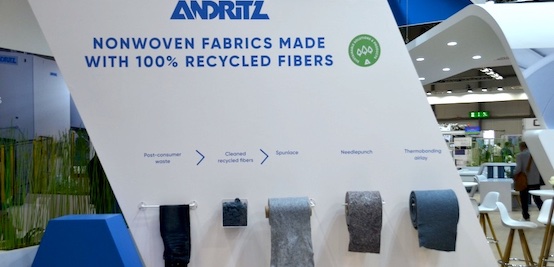
ANDRITZ sets focus on textile recycling and durable nonwoven production technologies at ITMA Asia 2025

International technology Group ANDRITZ will be presenting its innovative nonwovens production and textile solutions at ITMA ASIA + CITME 2025 in Singapore, from October 28 to 31, 2025 (Hall 2, D106). ANDRITZ will showcase its MMCF production plants, textile sorting and recycling, bast fiber processing, needlepunch, airlay, and life-cycle service technologies, with a focus on sustainable solutions. Discover how these innovations can grow your business opportunities and support a greener future.

#ITMA Asia + CITME Singapore 2025

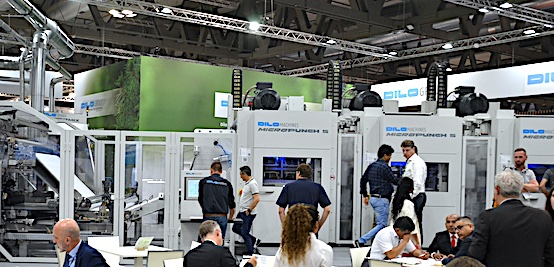
Dilo Group at ITMA ASIA Singapore 2025

At ITMA ASIA Singapore, the Dilo Group will exhibit at Booth No. H2 – D202. Together with Kansan Materials, Izmir, the company will present its latest developments and looks forward to welcoming visitors to exchange ideas and explore innovations in needling technology.

#Nonwovens

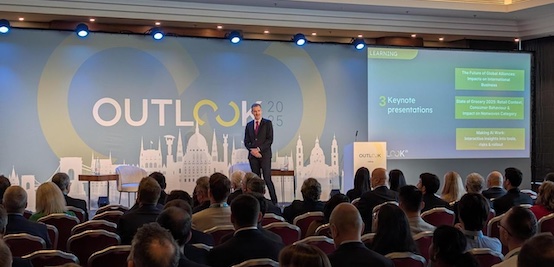
OUTLOOK™ 2025: Charting a sustainable and innovative future for the Nonwovens Industry

EDANA concluded its flagship event, OUTLOOK™ 2025, last week, marking it as a major success and addressing the biggest questions facing the industry. The three-day conference highlighted the urgent need for a unified approach to sustainability, regulation, and innovation in the absorbent hygiene and wipes sectors.

#Nonwovens

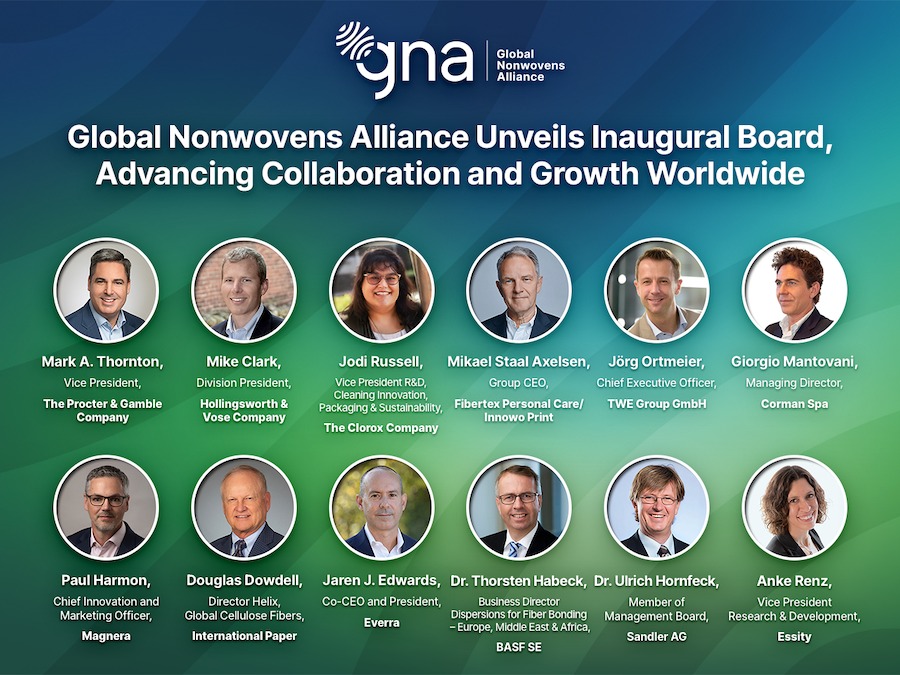
Global Nonwovens Alliance unveils Inaugural Board, advancing collaboration and growth worldwide

The Global Nonwovens Alliance (GNA), a tax-exempt federation jointly founded by INDA, the Association of the Nonwoven Fabrics Industry, and EDANA, the Voice of Nonwovens, announces the appointment of its founding Board of Directors. This group of leaders represents some of the most influential executives across the nonwovens value chain and reflects GNA’s mission to foster global collaboration, innovation, and growth in the industry.

Latest News

#CINTE Techtextil China 2027

Cinte Techtextil China confirms 2027 dates with focus on high-value technical textiles and nonwovens

Cinte Techtextil China will return to Shanghai from 31 August to 2 September 2027, reaffirming its role as a major platform for the technical textiles and nonwovens industry in Asia. In 2026, the exhibition welcomed over 300 exhibitors from 15 countries and regions and recorded nearly 19,000 visits from 86 represented markets. The upcoming edition will focus on high-growth application areas, technological innovation, sustainability and targeted business networking.

#India ITME 2026

BRÜCKNER combines premium technology with cost efficiency at India ITME 2026

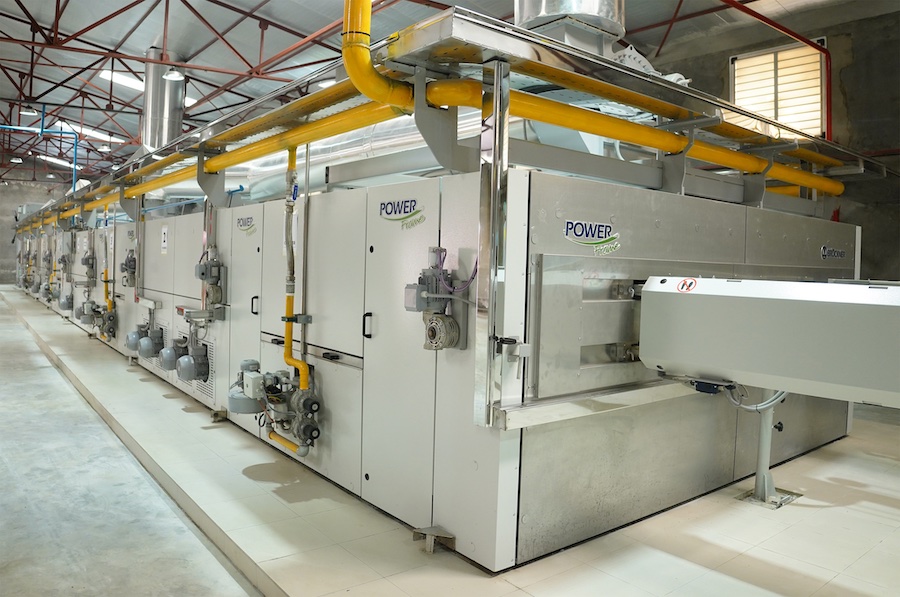
At India ITME 2026 in Greater Noida, BRÜCKNER will showcase its advanced technologies for textile finishing and coating in Hall 16, Booth A29, with a particular focus on its POWER-FRAME SFP-2 product line. The German machinery manufacturer is specifically addressing customers who demand high standards of quality and efficiency while also placing great importance on cost-effective investment and long-term economic competitiveness.

#ITMA Asia + CITME 2026

KARL MAYER reports strong customer response at ITMA ASIA 2026 and Product Show in Changzhou

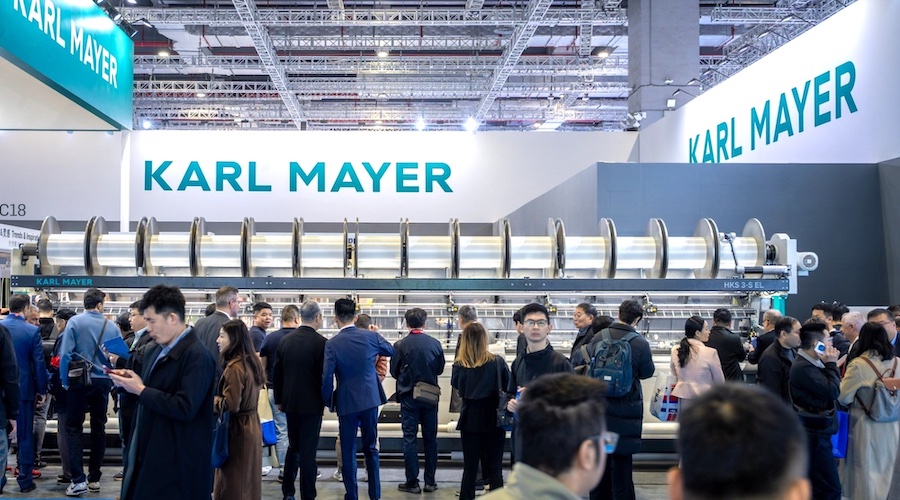
KARL MAYER has reported strong customer interest during the first days of ITMA ASIA + CITME 2026 in Shanghai and its accompanying Product Show in Changzhou. With two exhibition booths (Hall 4.1, Booth C18 and Hall 3, Booth A24) and a total of eleven machines demonstrated live across its presentations, the company has received positive feedback on its strategy of combining local market proximity, advanced machine technology and textile innovation.

#Textile processing

Jeanologia combines digitalisation, laser and ozone technology to strengthen China’s textile competitiveness

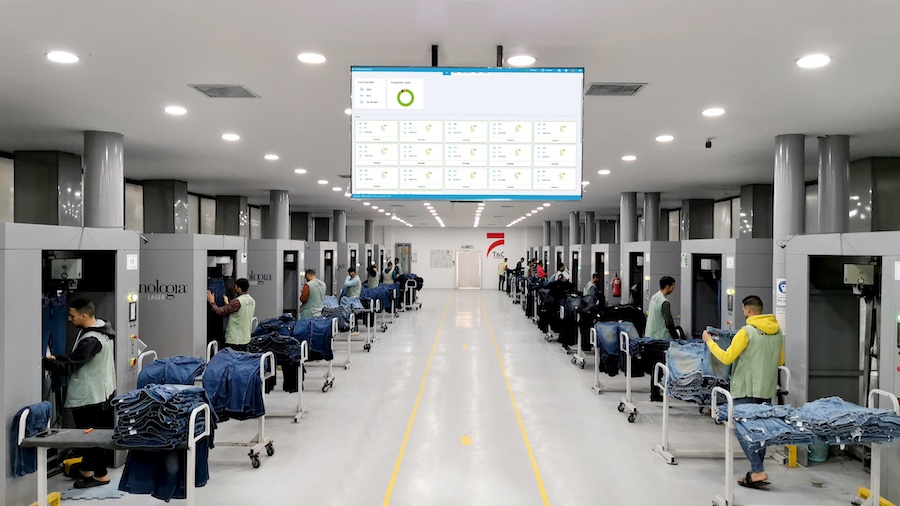
At ITMA Asia + CITME 2026 in Shanghai, Jeanologia showcased how the combination of digitalisation, laser technology and G2 Ozone can help China’s textile industry improve productivity, speed, quality and efficiency. With its Compact Super Flash laser system and integrated production concepts, the Spanish technology specialist demonstrated how connecting product development and industrial production can enable faster, more automated and sustainable manufacturing processes.

TOP