[pageLogInLogOut]

#Nonwovens / Technical Textiles

Renowned meltblown specialist invests in Oerlikon nonwoven line

For Oerlikon Nonwoven, the IDEA, taking place between March 25 and 28 in Miami Beach, Florida USA, kicked off with the signing of a contract. The customer, a renowned European meltblown specialist, invested in a two-beam, stand-alone meltblown system from the Neumünster-based plant manufacturer in order to meet its strongly increasing demand.

In the future, the system will be deployed to manufacture meltblown nonwovens for various application, especially from the filtration and wipes sector. The commercial production launch is scheduled for the first half of 2020.

Meltblown technology as stand-alone or as upgrade solutions for even better product quality

The market for meltblown nonwovens is expanding by an average of 6% per annum. The Oerlikon Nonwoven meltblown technology enables the cost-efficient manufacture of high-end meltblown and SMS (spunbond-meltblown-spunbond) products. Stand-alone monocomponent and bicomponent melt-blown plants produce nonwovens for a whole range of filtration, insulation and sorption applications. 
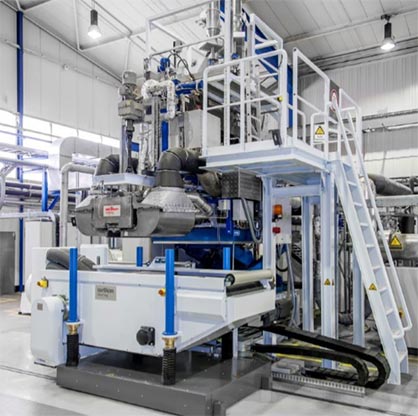
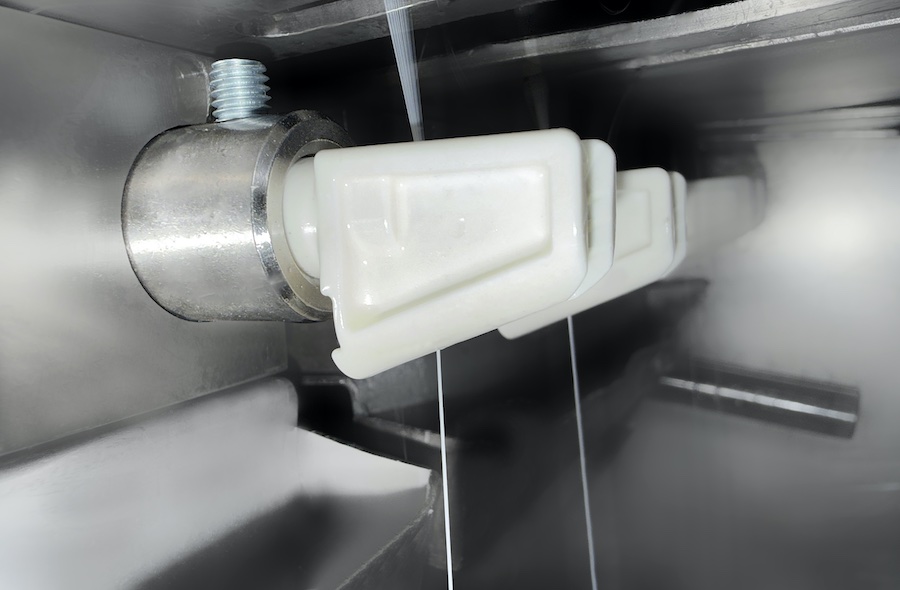
Oerlikon nonwoven meltblown plant solution. (c) 2019 Oerlikon


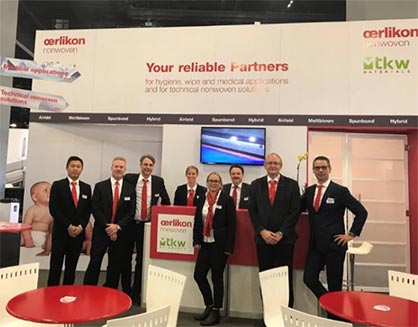
Our Oerlikon team at the Idea in Miami 2019. (c) 2019 Oerlikon


As ‘plug & produce’ installations in already existing and new third-party composite systems, the meltblown technology is deployed for a whole range of medical and hygiene products. This solution permits the cost-efficient upgrading of new or existing spunbond systems and offers nonwoven manufacturers ac- cess to markets with especially high-quality requirements. In addition to standard polymers, such as polyester and polypropylene, for example, promising polymers such as fluoropolymers can also be optimally processed.
More News from Barmag GmbH & Co. KG

More News on Nonwovens / Technical Textiles

#ITMA Asia + CITME Singapore 2025

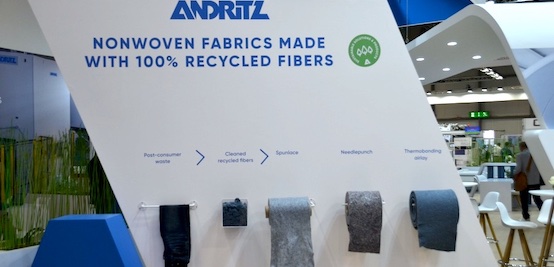
ANDRITZ sets focus on textile recycling and durable nonwoven production technologies at ITMA Asia 2025

International technology Group ANDRITZ will be presenting its innovative nonwovens production and textile solutions at ITMA ASIA + CITME 2025 in Singapore, from October 28 to 31, 2025 (Hall 2, D106). ANDRITZ will showcase its MMCF production plants, textile sorting and recycling, bast fiber processing, needlepunch, airlay, and life-cycle service technologies, with a focus on sustainable solutions. Discover how these innovations can grow your business opportunities and support a greener future.

#ITMA Asia + CITME Singapore 2025

Dilo Group at ITMA ASIA Singapore 2025

At ITMA ASIA Singapore, the Dilo Group will exhibit at Booth No. H2 – D202. Together with Kansan Materials, Izmir, the company will present its latest developments and looks forward to welcoming visitors to exchange ideas and explore innovations in needling technology.

#Nonwovens

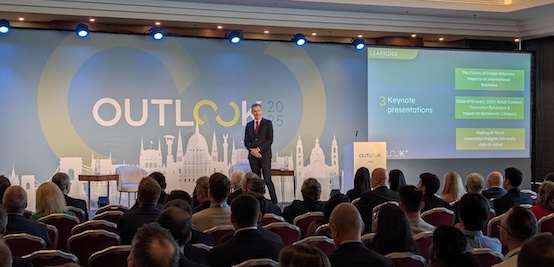
OUTLOOK™ 2025: Charting a sustainable and innovative future for the Nonwovens Industry

EDANA concluded its flagship event, OUTLOOK™ 2025, last week, marking it as a major success and addressing the biggest questions facing the industry. The three-day conference highlighted the urgent need for a unified approach to sustainability, regulation, and innovation in the absorbent hygiene and wipes sectors.

#Nonwovens

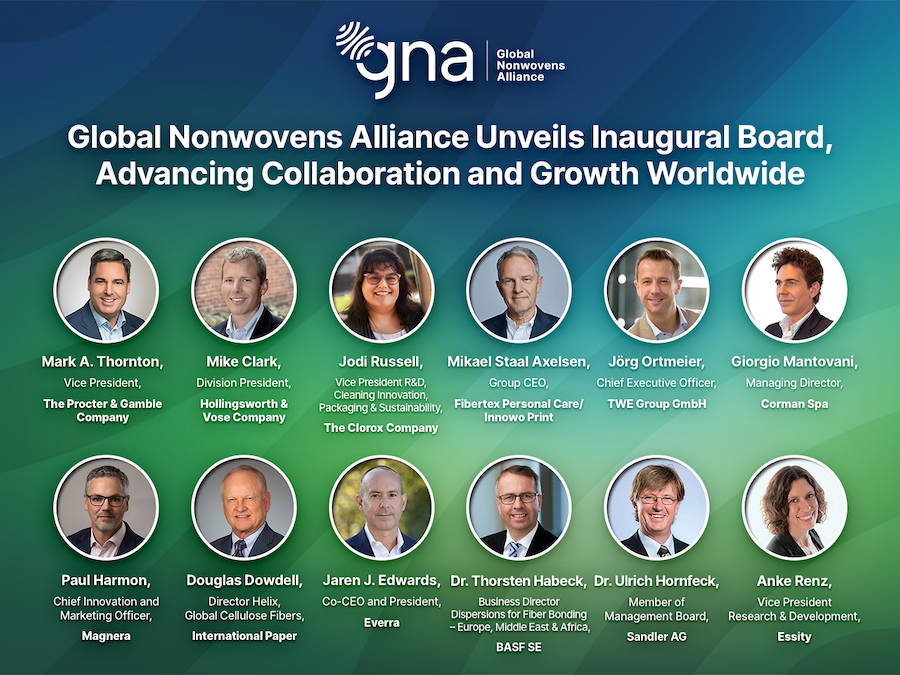
Global Nonwovens Alliance unveils Inaugural Board, advancing collaboration and growth worldwide

The Global Nonwovens Alliance (GNA), a tax-exempt federation jointly founded by INDA, the Association of the Nonwoven Fabrics Industry, and EDANA, the Voice of Nonwovens, announces the appointment of its founding Board of Directors. This group of leaders represents some of the most influential executives across the nonwovens value chain and reflects GNA’s mission to foster global collaboration, innovation, and growth in the industry.

Latest News

#Knitting & Hosiery

The new RDJ 7/3 defines the design footprint of modern athletic shoes

Stylish, functional, and efficient to produce – spacer fabrics are the all-arounders among textile materials. These versatile fabrics are particularly in demand in the sports and casual footwear sector, as they combine comfort, breathability, and design freedom. At the same time, this industry is trend-driven, dynamic, and price-sensitive like few others. Innovations are therefore a decisive factor for success. With the RDJ 7/3, KARL MAYER offers a solution specifically tailored to these requirements. The particular strength of the new double raschel machine: its exceptional flexibility, thanks to its three jacquard bars.

#Research & Development

Smart textiles reversibly change shape in an energy-efficient manner in response to ambient temperature

Self-actuating textile structures are used in a wide range of applications, such as medical technology, automation, architecture, agriculture, and the apparel industry. An example is the use of shading nets in greenhouses, which can be deployed and retracted depending on the sunlight intensity. The German Institutes of Textile and Fiber Research Denkendorf (DITF) are developing textiles based on shape-memory polymers with reversibly controllable geometry.

#Spinning

Pre-Cleaner CL-X: Proven in cotton cleaning – creating value beyond the spinning mill

Since its market launch, the CL-X has firmly established itself in blowroom lines worldwide. Hundreds of installations confirm its ability to deliver superior cleaning efficiency, lower waste, higher productivity and significant energy savings. Now, new customer applications show that the CL-X not only continues to excel in spinning preparation – it is also entering a completely new field of application: ginning.

#Natural Fibers

2026 ICAC report projects World cotton trade to reach 10.3 million tonnes by 2028/29

The International Cotton Advisory Committee has released the 2026 World Cotton Trade Report, which provides analysis of global cotton trade patterns, key trading relationships, import and export trends, and the geopolitical and policy developments shaping cotton trade flows.

TOP