[pageLogInLogOut]

#Knitting & Hosiery

Successful collaboration: Groz-Beckert and Santoni develop innovative INNOTAS knitting system

In recent years, Italian circular knitting machine manufacturer Santoni (part of the Lonati Group) and Groz-Beckert have worked together to develop a new self-cleaning knitting system for the INNOTAS circular knitting machine.

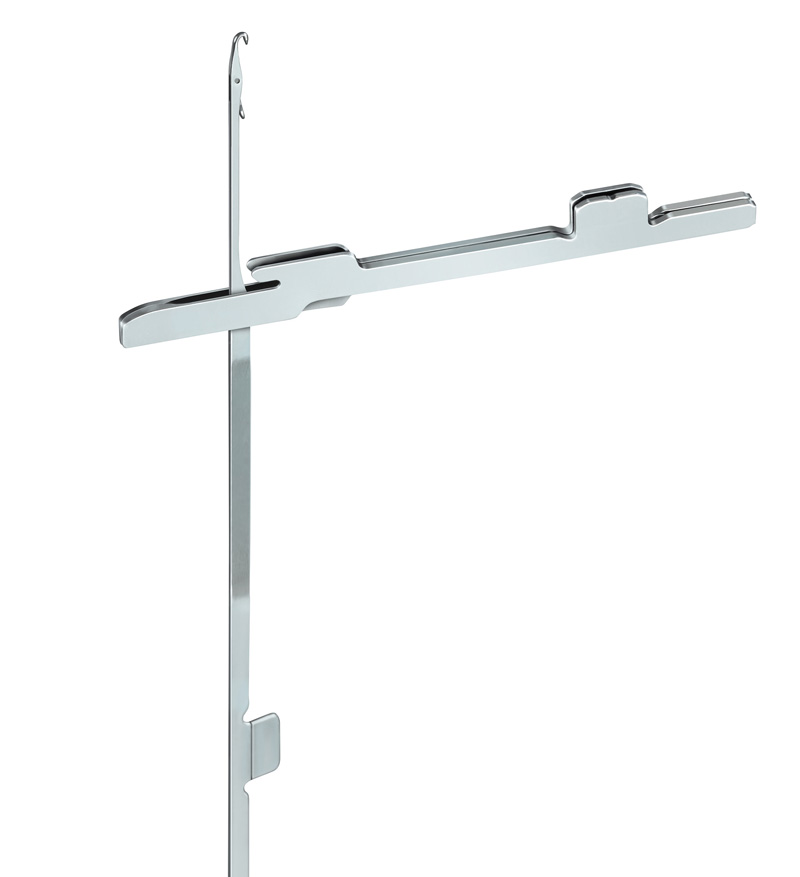
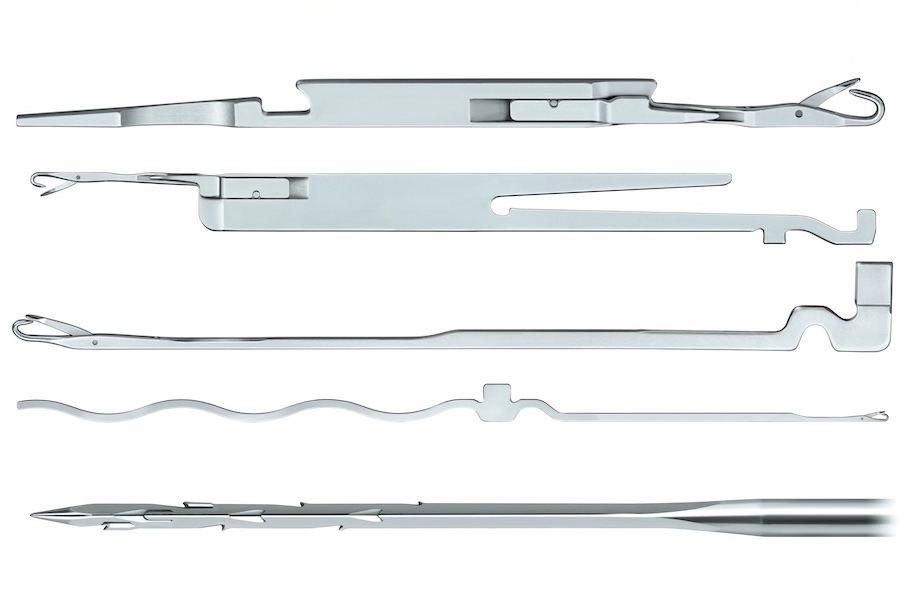
The knitting system is also called INNOTAS and consists of the circular knitting machine needle SAN™ DUO and the corresponding sinker SNK DUO-OL.

Driven by the increasing demands on sustainability aspects and the desired increases in efficiency, Groz-Beckert had the goal of developing a new, energy-efficient knitting system. Groz-Beckert approached Santoni with a corresponding cooperation request. Following various preliminary investigations, the go-ahead was finally given in January 2015 for the joint development of a self-cleaning system in the needle area with side-by-side needles and a low shank.

The circular knitting machine needle SAN™ DUO with the sinker SNK DUO-OL was developed to meet the desired requirements. The special feature: In the innovative knitting system, there are two needles in the needle channel and two sinkers in one sinker channel. The benefits became apparent in initial field trials with experienced end customers in 2016. In the following years, the knitting system was continuously analyzed and further optimized.

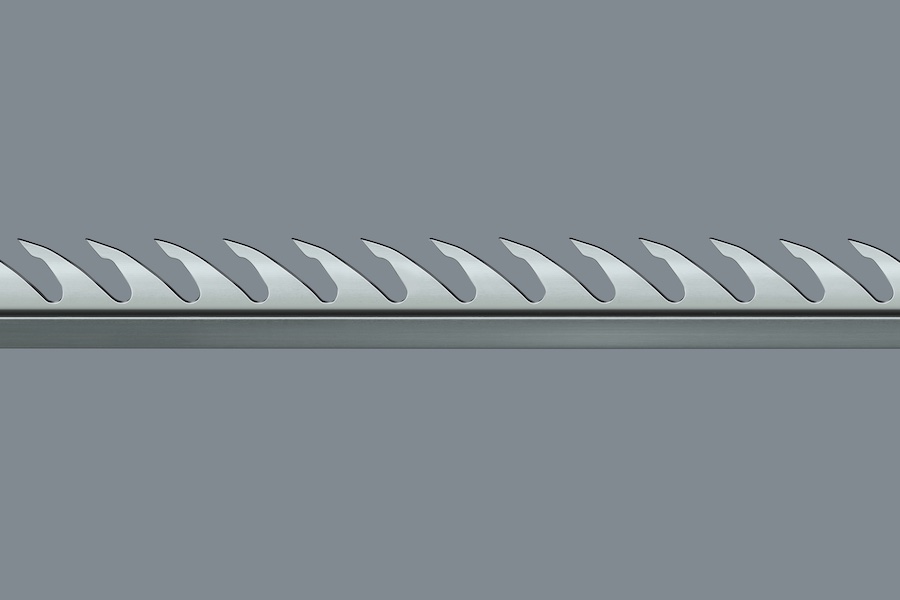
The double filling in the needle channel significantly reduces soiling. In addition, the further developed shape of the knitting system ensures that any yarn lint is automatically removed from the machine during the knitting process. This extends the cleaning interval, making work more time-efficient and increasing productivity.
(c) 2024 Groz-Beckert


Both the needle SANTM DUO and the sinker SNK DUO-OL are characterized by a particularly low shaft with a predetermined breaking notch. The low shank minimizes soiling, while the predetermined breaking groove enables controlled needle breakage in the event of wear at the desired point. This reduces errors in the knitting process and machine downtimes.

Groz-Beckert offers interested machine builders various cooperation opportunities to jointly develop new products or improve existing ones. Groz-Beckert's Technology and Development Center (TEZ) can provide the appropriate framework for co-development projects. The cooperation with Santoni has resulted in joint patents from which both companies benefit.
More News from Groz-Beckert KG

More News on Knitting & Hosiery

#Knitting & Hosiery

SHIMA SEIKI to showcase flat knitting and digital design solutions at Egypt Stitch & Tex

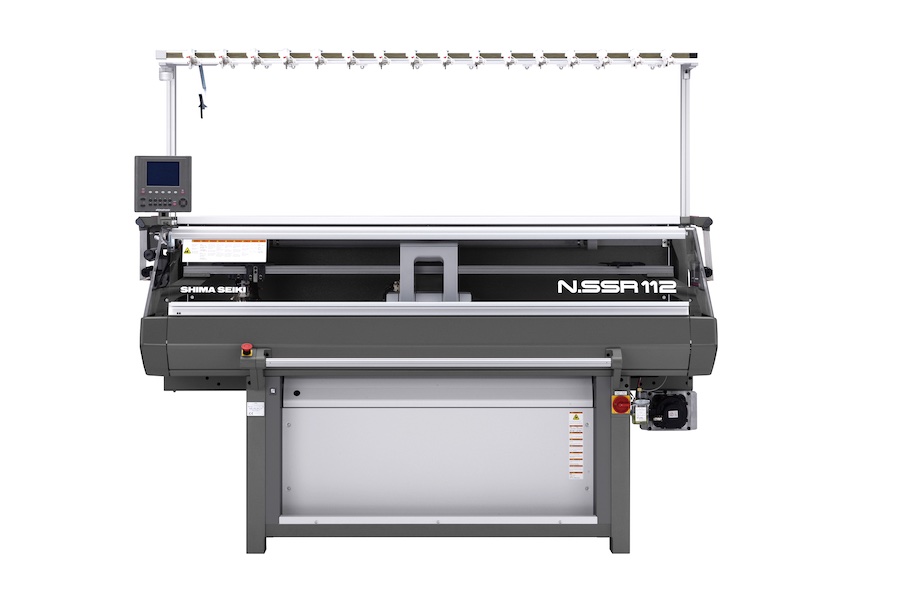
Leading Japanese computerized flat knitting technologist SHIMA SEIKI MFG., LTD. of Wakayama, Japan, together with its sales representative in Egypt, TTS (EL MASRIA FOR TRADE & TECHNICAL SERVICES), will participate in the upcoming 24th International Exhibition for Textile & Carpet Machineries, Printing Technologies and Accessories (Egypt Stitch & Tex) to be held in Cairo, Egypt this month.

#Knitting & Hosiery

KARL MAYER launches extra-wide HKS 3-M EL for increased productivity

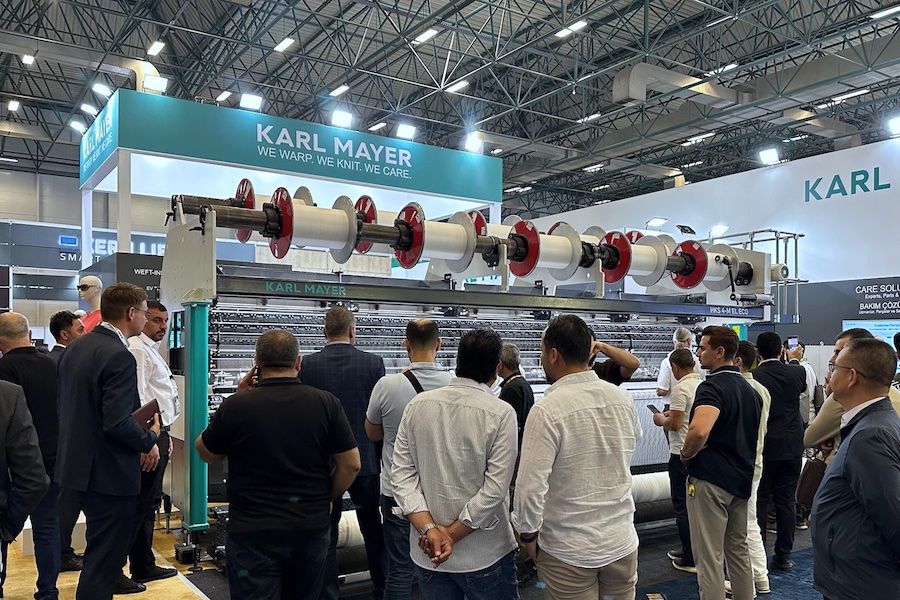
KARL MAYER has launched a new extra-wide version of its HKS 3-M EL tricot machine, designed to increase productivity particularly in the manufacture of textiles for sports, activewear and athleisure applications.

#ITMA Asia + CITME 2026

Three stages, multiple customer benefits: KARL MAYER during ITMA ASIA 2026

At ITMA ASIA in Shanghai, KARL MAYER will once again demonstrate that it understands the challenges facing the Asian textile industry – and will present tailor-made solutions.

#Technical Textiles

RDJ 6/2 in E 32: Finesse in Motion

The appearance of sports and casual shoes is as diverse as their applications, ranging from sporty to stylish and from functional to fashionably practical. In particular, spacer fabrics produced on highly flexible KARL MAYER double needle bar raschel machines with Jacquard technology are in high demand for manufacturing these trendy shoes. These efficient production machines enable attractive designs with integrated multifunctional zones on one or both fabric surfaces, such as breathable mesh structures. Flexible in size and positioning, these features enhance both aesthetics and wearing comfort.

Latest News

#Associations

HeiQ & Archroma and Lenzing & Armedangels win ITMF International Collaboration Awards 2026

The International Textile Manufacturers Federation (ITMF) has named two industry partnerships as winners of the ITMF International Collaboration Awards 2026. The awards go to collaborations between HeiQ and Archroma as well as Lenzing and Armedangels, highlighting joint approaches to innovation and sustainability across different parts of the textile value chain.

#Research & Development

180 years of TESTEX: From Zurich silk testing to global certification

For 180 years, TESTEX has developed alongside the textile industry while maintaining the same underlying purpose: creating trust through independent and reliable measurement. Founded in Zurich in 1846 as the Zurich Silk Conditioning Institute, TESTEX has grown from a local institution serving the silk trade into an international Swiss testing and certification institute for textiles and leather.

#Recycling / Circular Economy

Moving Advanced Recycling from Innovation to Implementation

The Advanced Recycling Conference 2026 explores technologies, markets, financing and scale-up of innovative recycling solutions for waste streams including mixed plastic waste, textiles and PVC. Europe’s chemical and materials sector faces growing pressure to close carbon loops, strengthen raw-material safety and resilience and meet increasingly ambitious EU recycling targets. Against this backdrop, the Advanced Recycling Conference (ARC) will bring together industry leaders, technology providers, researchers, innovators and policy-makers on 17–18 November 2026 in Cologne, Germany.

#Associations

German textile industry and retailers form alliance to shape textile EPR system

Germany’s textile and fashion industry and retail sector have joined forces to establish the “Alliance for Textile Circularity” (Allianz für textile Kreisläufe). Initiated by the German Textile and Fashion Industry Association (Gesamtverband textil+mode) and the German Retail Federation (HDE), the alliance aims to contribute industry expertise to the development of Germany’s future Extended Producer Responsibility (EPR) system for textiles and footwear.

TOP