[pageLogInLogOut]

#Europe

Commission proposes to purchase up to 300 million additional doses of BioNTech-Pfizer vaccine

The European Commission today proposed to the EU Member States to purchase an additional 200 million doses of the COVID-19 vaccine produced by BioNTech and Pfizer, with the option to acquire another 100 million doses.

This would enable the EU to purchase up to 600 million doses of this vaccine, which is already being used across the EU.

The additional doses will be delivered starting in the second quarter of 2021. 

The EU has acquired a broad portfolio of vaccines with different technologies. It has secured up to 2.3 billion doses from the most promising vaccine candidates for Europe and its neighbourhood.  

In addition to the BioNTech-Pfizer vaccine, a second vaccine, produced by Moderna, was authorised on 6 January 2021. Other vaccines are expected to be approved soon.  


This vaccine portfolio would enable the EU not only to cover the needs of its whole population, but also to supply vaccines to neighbouring countries.
More News from TEXDATA International

#ITM 2026

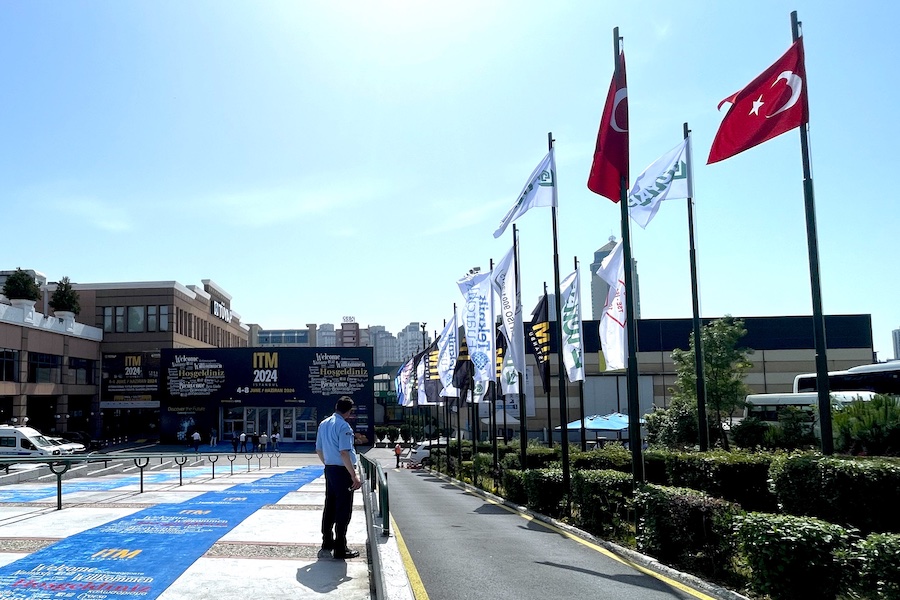
ITM 2026: The new geography of textile production

New production hubs are emerging across North Africa and Central Asia, while Türkiye is accelerating its transformation toward higher-value, technology-driven and more sustainable textile manufacturing.

#Research & Development

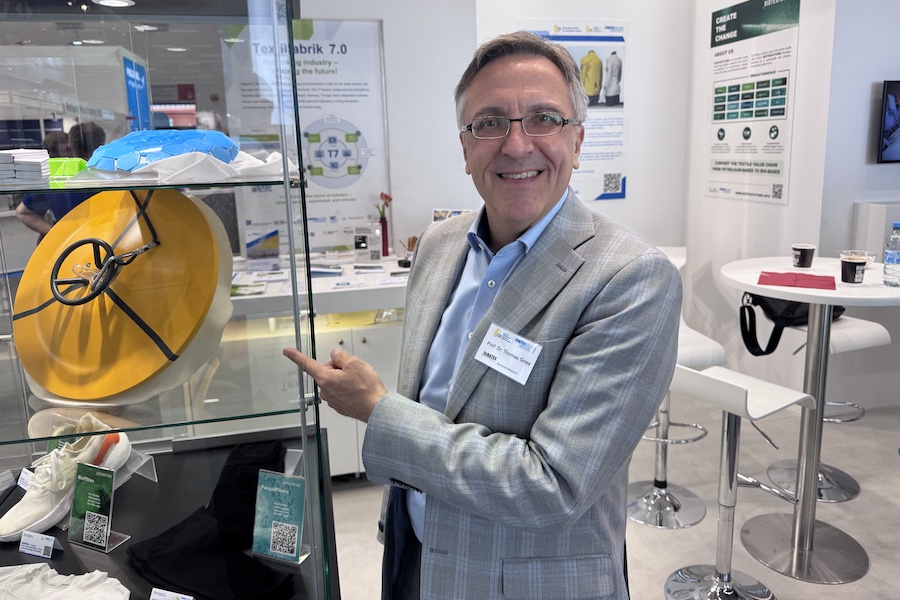
“Production is a product”

From technical textiles and AI-driven robotics to the limitations of textile circularity: Professor Dr Thomas Gries looks back on more than two decades of development at ITA Aachen. In the interview, he explains why production technology remains a decisive success factor, discusses international collaborations and innovation ecosystems, and shares his views on the transformation of production landscapes and the challenges facing an increasingly regulated industry.

#Knitting & Hosiery

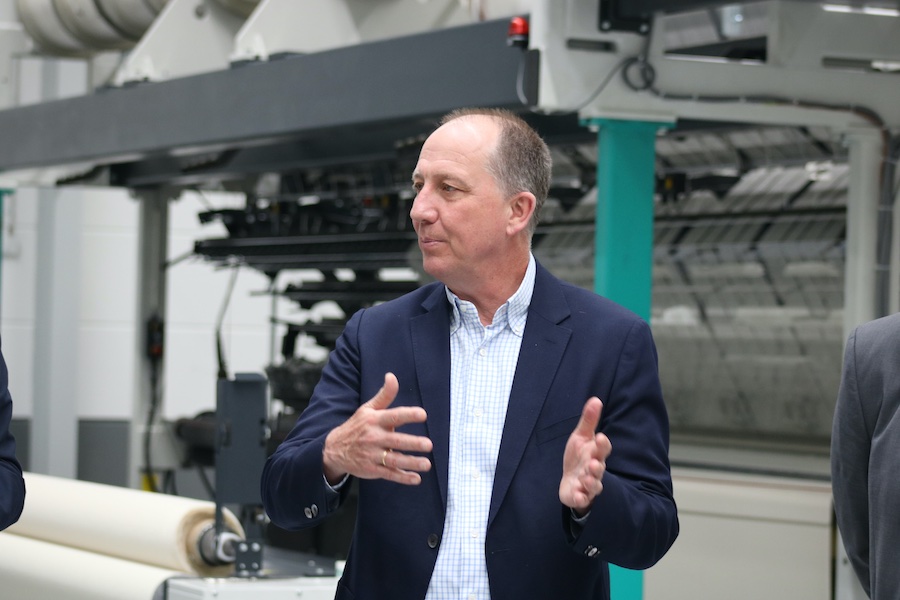
“We need to move away from the price trap and return to a value-driven mindset.”

With its new Textile Innovation Center, KARL MAYER is sending a strong signal for innovation, collaboration, and the future of textile applications. In this interview, Karl Josef Mayer discusses new opportunities in warp knitting, the processing of staple fibres, recycling, the changing role of machinery manufacturers, and why the textile industry must once again focus more strongly on the value of textiles. by Oliver Schmidt

#Associations

“Innovation, resilience and international experience remain the great strengths of the Swiss textile machinery industry”

Geopolitical uncertainty, growing competitive pressure from China, new free trade agreements and the shift towards a circular economy are currently reshaping the global textile industry. In this interview, Cornelia Buchwalder discusses the current mood within the Swiss textile machinery sector, the industry’s distinctive innovative strength, new market opportunities in India and Asia, and the technological trends that could shape the upcoming trade fair cycle leading up to ITMA 2027.

More News on Europe

#Europe

European textile industry calls for €10 handling fee on ultra-fast-fashion imports

The introduction of the €3 customs duty on low-value imports marks an important milestone in Europe’s efforts to address the challenges created by the rapid growth of ultra-fast-fashion imports. Together with the abolition of the €150 customs duty exemption, it demonstrates that policymakers are willing to act when market distortions become impossible to ignore. However, the European textile and clothing industry considers this a first step rather than the final destination.

#Europe

The Digital Product Passport registry is now live

On 20 July, the European Commission launched the Digital Product Passport Registry together with a testing environment, marking an important milestone in making the Digital Product Passport (DPP) a practical reality for businesses placing products on the EU market.

#Europe

EU ban on destroying unsold clothing and footwear now in force

The European Union's ban on the destruction of unsold clothing, clothing accessories and footwear has entered into force. Since July 19, 2026, large companies across the EU have been prohibited from destroying unsold textile products, while medium-sized companies will be required to comply with the same rules from 2030.

#Recycling / Circular Economy

Commission clarifies rules on plastic bottles recycling

The European Commission today adopted new rules on recycling of single-use plastic beverage bottles made primarily of polyethylene terephthalate (PET bottles). These rules establish, for the first time, a methodology to calculate, verify and report chemically recycled content. This is part of the Commission’s December 2025 plastics package.

Latest News

#Spinning

Heberlein reinforces its commitment to the Chinese market

Heberlein, globally recognised as a leading provider of air interlacing and air texturing jets for synthetic filament yarns, is consolidating its success in the Chinese market with its APh- and APe-series for DTY applications. Particularly in the field of Air Covering, Heberlein technologies combine excellent quality with significant savings in compressed-air consumption. A new service hub in Shengze City underlines the company’s long-term commitment in the Chinese market.

#Raw Materials

Redesigned World Cotton Day website offers tools, ideas and inspiration

With World Cotton Day just one month away, the International Cotton Advisory Committee (ICAC) has launched a completely redesigned www.WorldCottonDay.com, creating a new global home for everyone who wants to learn about, celebrate, and support cotton.

#Recycled Fibers

RE&UP’s Next-Gen Cotton fibers power Zalando private label t-shirt collection crafted from innovative recycled textiles

RE&UP Recycling Technologies’ Next-Gen Cotton powers a new collection from Zalando’s private labels, marking a step forward in bringing textile-to-textile recycled fibers into commercial fashion production. Launching on Zalando in August, the collection comprises five t-shirts across YOURTURN by Zalando and Even&Odd by Zalando, made from a circular-knit fabric blending 80% organic cotton with 20% RE&UP Next-Gen Cotton — textile-to-textile recycled fiber produced from textile waste. This is the first time RE&UP's recycled fibers feature in Zalando's private label assortment.

#Heimtextil 2027

Heimtextil Trends 27/28: ‘Home-Maxxing’ between performance and respite

Sleep better, recover faster, live more efficiently: the desire for optimisation has long since reached our homes. Under the title ‘Home-Maxxing – The Performance of Everyday Living’, Heimtextil Trends 27/28 show how our relationship with efficiency-driven thinking and technology is influencing the design of spaces and textiles. The more sleep, wellness, routines, materials and spaces are optimised, the stronger the desire for a home that does not demand even more of us.

TOP