[pageLogInLogOut]

#Technical Textiles

Textile ETP sets out strategy to protect Europe’s technical textile capabilities

Textile ETP’s SmartX Innovation Hub has published a strategy to safeguard Europe’s ability to develop, test and manufacture advanced technical textiles for defence, personal protection and aerospace. The strategy calls for EU research funding that extends through qualification and initial industrial production, and for public procurement to give greater weight to quality and security of supply.

Textile ETP presented the strategy on 19 November 2026 in Brussels at the Future of European Technical Textiles in Defence, Protection and Aerospace event, co-organised with EURATEX. Around 200 experts from the SmartX Innovation Hub contributed to the strategy between February and October 2026.

European production has fallen by 37% since 2000

Textile ETP reports that EU production of technical and industrial textiles has fallen by 37% since 2000. The EU has also been a net importer of technical textiles by volume since 2014. The strategy points to shortages of masks, gowns and filter media during the COVID-19 pandemic as an example of what can happen when demand rises suddenly. In defence procurement, it says, buyers rarely look far enough up the supply chain to assess how readily critical textile inputs can be sourced.

Marina Crnoja-Cosic, president of Textile ETP, called for companies and research organisations to work together to retain capabilities that would be difficult to replace. He said: “The situation is concerning and the challenges are formidable, but we still have all the assets to rebuild and the capacity to act. However, no company or organisation can address the challenges alone. Europe already has much of the expertise it needs. Our task now is to connect it, protect what cannot be replaced and build the next generation of technical-textile solutions together.”

From research funding to qualified production

The strategy sets out priorities through 2035 for defence and security, personal protective equipment and civil protection, and aeronautics and space. It focuses on the specialist capabilities Europe needs to retain and the materials and services it can reliably source from trusted suppliers.

Among its ten recommendations to EU policymakers, Textile ETP gives priority to making advanced technical textiles an explicit European research priority and extending funding through testing, qualification and first-of-a-kind production. It also calls for public procurement to reward quality, resilience and security of European supply, for monitoring of critical production and testing capacity, and for greater investment in technical skills. For regulatory changes such as the proposed broad PFAS restriction, it urges policymakers to account for the time needed to qualify alternative materials.

Mario Jorge Machado, president of EURATEX, linked Europe’s defence readiness to its ability to manufacture the textiles it needs: “Europe has set itself the goal of being ready to defend itself by 2030. It cannot reach that goal without a strong European textile industry. Protecting Europe’s strategic autonomy starts with preserving its capacity to manufacture.”

SmartX plans early warning system for capacity at risk

From early 2027, SmartX plans to begin work on a Critical Technical Textile Capability Observatory to flag plant closures, the discontinuation of material grades and ownership changes. It will also launch an initial set of member-led projects. The strategy proposes joint work on qualification and industrial scale-up, supply continuity, PPE preparedness and the development of smart and multifunctional textiles.

SmartX Innovation Strategy for Advanced Technical Textiles



More News from Textile ETP

#Europe

Textile ETP launches bioeconomy strategy for Europe’s textile industry

On 22 September 2026, Textile ETP's Circular & Biobased Textiles Innovation Hub published its strategy for the biobased and circular transformation of Europe's textile and apparel industry.

#Research & Development

MELANGE starts with a co-creative design workshop at Aalto University to shape the visual identity of this new project transforming colouration in textiles

Over the next three years, MELANGE will lower the environmental impact of interior textile production by moving colour design to the beginning of the manufacturing process. This Horizon Europe project officially started on 1 August 2026, and will be publicly launched on 27 August 2026.

#Industry 4.0 / Digitalization

Textile ETP launches digital transformation strategy, calling for urgent collective action across the value chain

Textile ETP’s DigitX Innovation Hub published its strategic roadmap for the digital transformation of Europe's textile and apparel industry.

#Recycling / Circular Economy

From local actions to industrial innovations: SOLSTICE shares mid-project results

Since its launch in May 2024, the SOLSTICE project is accelerating the transition from linear models to circular regional ecosystems in the textile industry, focusing on four key territories: Grenoble-Alpes Métropole (France), Berlin (Germany), Prato (Italy), and Catalonia (Spain). By mid-project, SOLSTICE has already revealed both regional disparities and promising solutions to strengthen textile repair, reuse, and recycling infrastructure.

More News on Technical Textiles

#ITMA Asia + CITME 2026

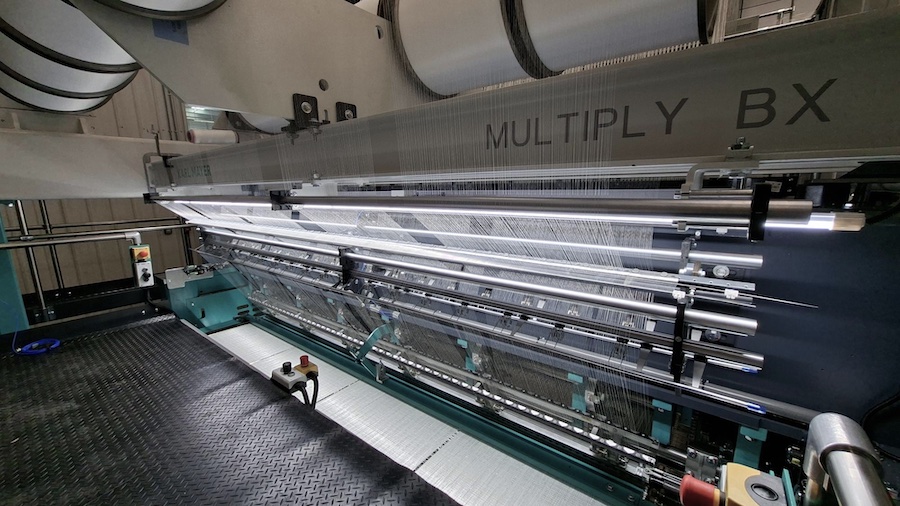
KARL MAYER introduces MULTIPLY BX for high-efficiency wind turbine reinforcement fabrics

KARL MAYER is expanding its composite machinery portfolio with the new MULTIPLY BX, a biaxial warp knitting machine specifically developed for the production of reinforcement textiles used in wind turbine rotor blades. Designed for high output and efficient material utilisation, the machine achieves production speeds of up to 500 m/h and offers a productivity increase of 20 to 25% compared with the established MAX GLASS ECO. The MULTIPLY BX will make its debut at the KARL MAYER (China) Product Show in Changzhou during ITMA ASIA 2026.

#Technical Textiles

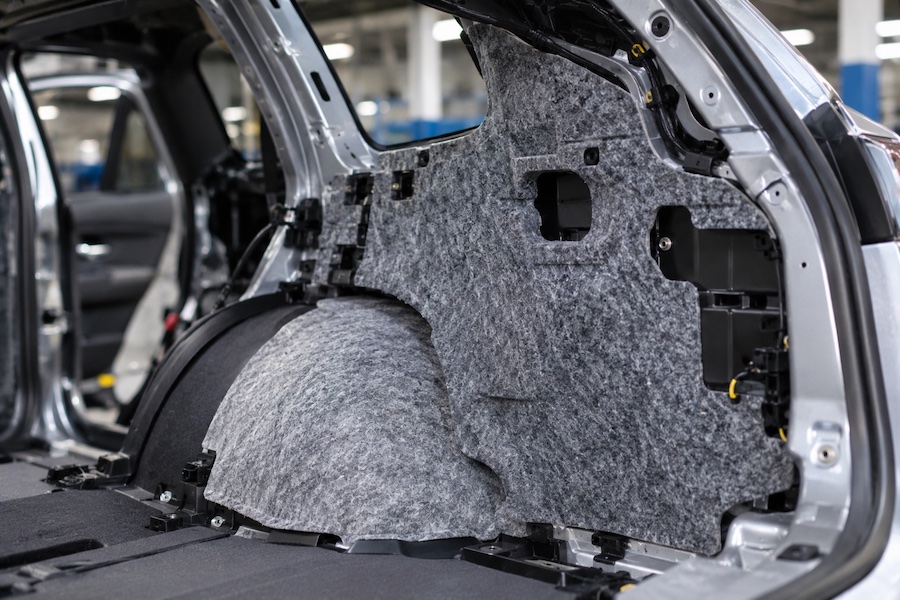
Autoneum to acquire Trèves Group, creating automotive supplier with over CHF 2.9 billion in revenue

Swiss automotive supplier Autoneum has announced an agreement to acquire the French Trèves Group, a specialist in automotive acoustic and thermal insulation, interior trim and trunk solutions. The transaction is expected to create a combined organisation with pro-forma revenue exceeding CHF 2.9 billion in 2026, strengthening Autoneum's position in the global automotive supply industry.

#Nonwovens

Freudenberg presents Filtura® filter media for demanding industrial applications at FSA 2026

Freudenberg Performance Materials will present its Filtura® filter media for demanding industrial filtration applications at Filtration & Separation Asia (FSA), taking place from November 18 to 20, 2026, in Shanghai, China. The focus will be on pleatable filter media for air pollution control (APC), designed for applications including metal processing, lithium-ion battery material production and recycling, and metal additive manufacturing.

Latest News

#Industry 4.0 / Digitalization

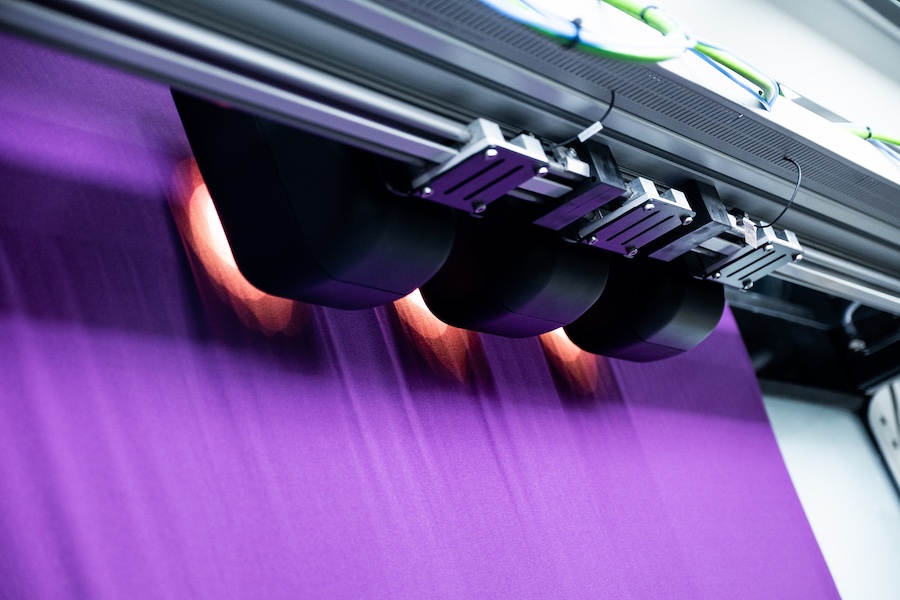
Smartex.ai names Tony Fadell chairman and previews new fabric inspection system

Smartex.ai has appointed Tony Fadell as chairman and will present its new fabric inspection hardware and software at SmartCollab Hong Kong on 27 November. Fadell co-designed Inspect, the hardware at the centre of the system, which Smartex developed with a supplier in H&M Group’s network.

#Digital Printing

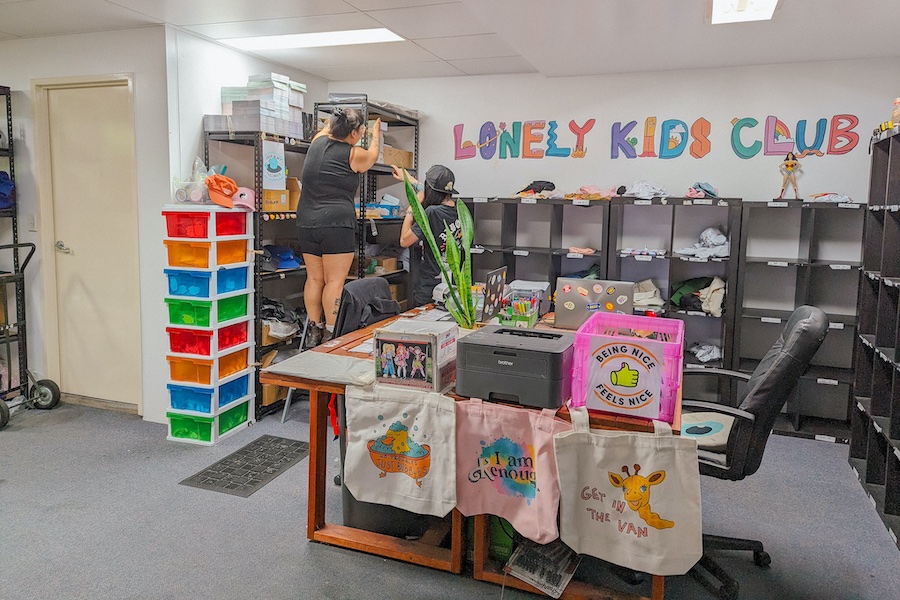
From a bedroom startup to 3,000 designs: How Lonely Kids Club built its business with DTG printing

Founded in Sydney in 2011, independent clothing label Lonely Kids Club has grown from a bedroom startup into a business offering around 3,000 graphic T-shirt designs. With its own production studio, direct-to-garment printing and a demand-driven manufacturing model, the company demonstrates how smaller apparel brands can combine creative independence with flexible production – while navigating the everyday challenges of quality control, workflow efficiency and sustainability.

#Recycled Fibers

Recover and SUPIMA partner to develop recycled Pima cotton fibers and yarns

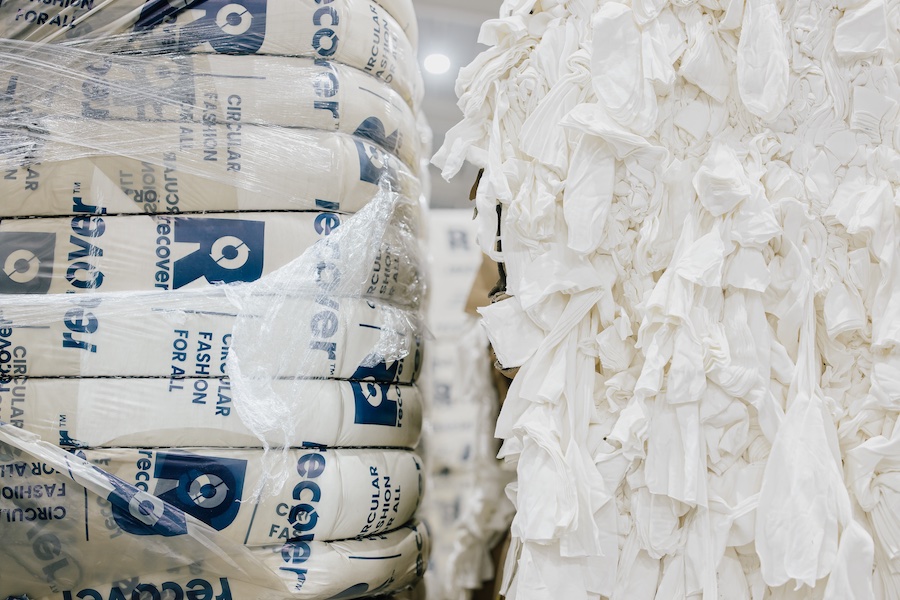
Recover and SUPIMA have partnered to turn waste from SUPIMA cotton production into a new line of recycled fibers and yarns. The collaboration will explore how recycled American-grown Pima cotton can be used in a wider range of yarns and garments for the premium market.

#Industry 4.0 / Digitalization

Coats Digital wins SaaS award for AI in apparel manufacturing

Coats Digital has been named Best Company in AI-Powered Fashion Technology at the 2026 Best in SaaS Awards. The company’s AI applications cover garment costing, the analysis of operational data and the use of computer vision to study how tasks are performed on the factory floor.

TOP