[pageLogInLogOut]

#Digital Printing

Leading UK garment decorator expands short-run apparel production and print-on-demand fulfillment with Kornit Digital
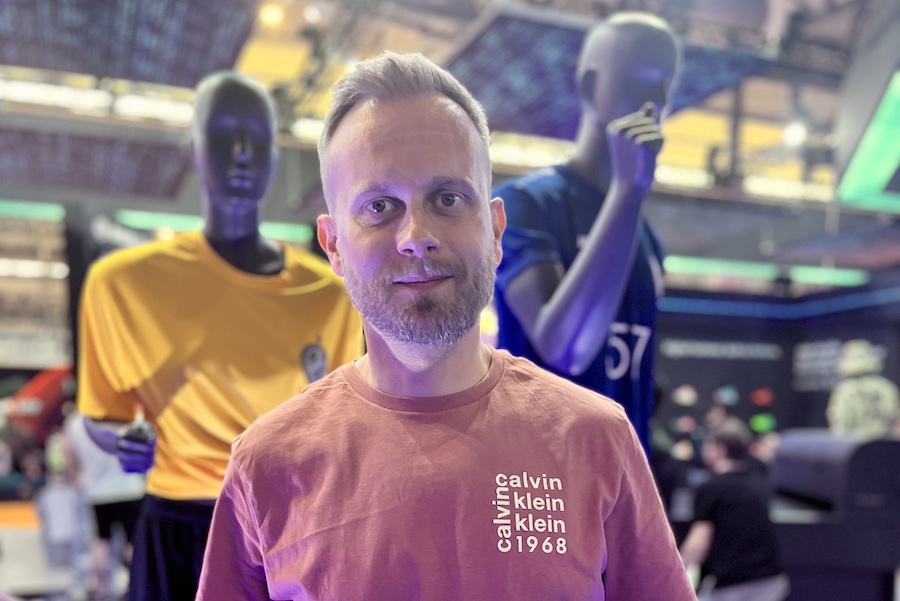
Director Damian Rys of Fifth Column © 2026 Kornit Digital
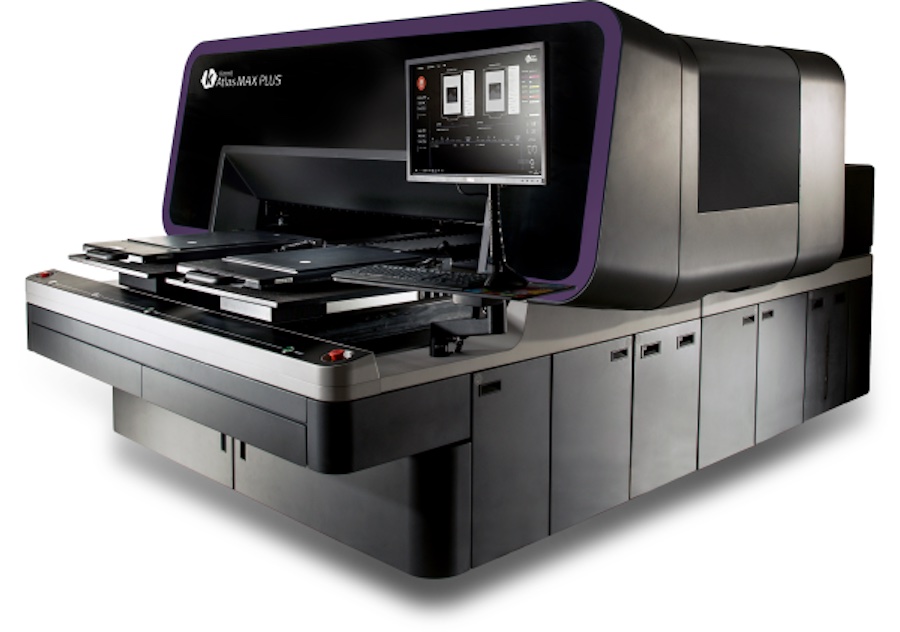
Kornit Digital (NASDAQ: KRNT), a global pioneer in sustainable, on-demand digital fashion and textile production technologies, announced that leading UK garment decorator Fifth Column has expanded its apparel decoration capabilities with the installation of a Kornit Atlas MAX PLUS system. Based in the United Kingdom, Fifth Column specializes in garment decoration, including screen printing, embroidery, digital printing, garment finishing, and print-on-demand production. Its customer base spans breweries, music merchandise companies, workwear providers, designer brands, and retail businesses.

The investment marks Fifth Column’s transition from traditional screen-printing workflows to advanced digital production capabilities. This expansion enables the company to meet growing demand for short-run, full-color production, print-on-demand fulfillment, lower-volume customized orders, faster sample creation, and scalable digital garment decoration services across the UK.

“For years, we felt the DTG technology simply wasn’t ready for the production standards we required,” said Damian Rys of Fifth Column. “Years ago, we had smaller DTG systems, but the print durability and reliability simply weren’t good enough for professional production. With Kornit, we finally saw a solution advanced enough to fit our business.”

Transitioning from traditional screen printing to advanced digital production

Fifth Column first connected with Kornit Digital during FESPA 2025 before attending a Kornit customer event at HFT71 in Poland, where the company experienced the capabilities of the Atlas MAX PLUS platform firsthand.

“The Atlas MAX Plus demonstrated a level of automation, durability, and print performance that significantly exceeded previous generations of DTG technology,” Rys explained. “Durability was always our biggest concern, but Kornit completely changed our perception of what digital production could deliver.”

The company installed its first Atlas MAX PLUS system in April and became fully operational within weeks.

Fifth Column also cited Kornit’s All-Inclusive Click (AIC) commercial model and onboarding support as important factors in the decision. The AIC model allows the company to better manage production costs while supporting scalable digital production without large upfront capital investments.
Atlas MAX PLUS © 2026 Kornit Digital


Expanding low-volume multicolor production and sampling capabilities

Historically, the company maintained minimum order quantities of approximately 250 pieces for multicolor screen-printed jobs due to the operational complexity involved in setup, color matching, screen preparation, and sampling.

The transition to digital production now allows Fifth Column to profitably support highly customized, low-volume multicolor jobs of 50 to 250 pieces that were previously operationally impractical using traditional screen-printing workflows, finally addressing customer demand for these runs. The new production environment also streamlines sample creation, accelerates customer approvals, and increases overall manufacturing flexibility.

“Fifth Column is a strong example of how screen printers are leveraging digital production to expand flexibility, support shorter production runs, and create more agile customer-focused manufacturing environments,” said Guy Yaniv, President of Kornit Digital Europe. “Their adoption of Kornit technology demonstrates how modern garment decorators can successfully combine traditional production expertise with advanced digital capabilities to unlock new growth opportunities.”

For more information about Fifth Column, visit https://fifthcolumn.co.uk/.


More News from Kornit Digital

#Digital Printing

VistaPrint increases apparel production capacity with Kornit Apollo

Kornit Digital (NASDAQ: KRNT), a provider of on-demand digital textile production technologies, reports that VistaPrint has significantly increased its apparel production capacity through the implementation of the Kornit Apollo system. The installation has enabled the international print and design company to add approximately 25,000 units of weekly production capacity while improving production speed, operational efficiency and order turnaround times.

#Digital Printing

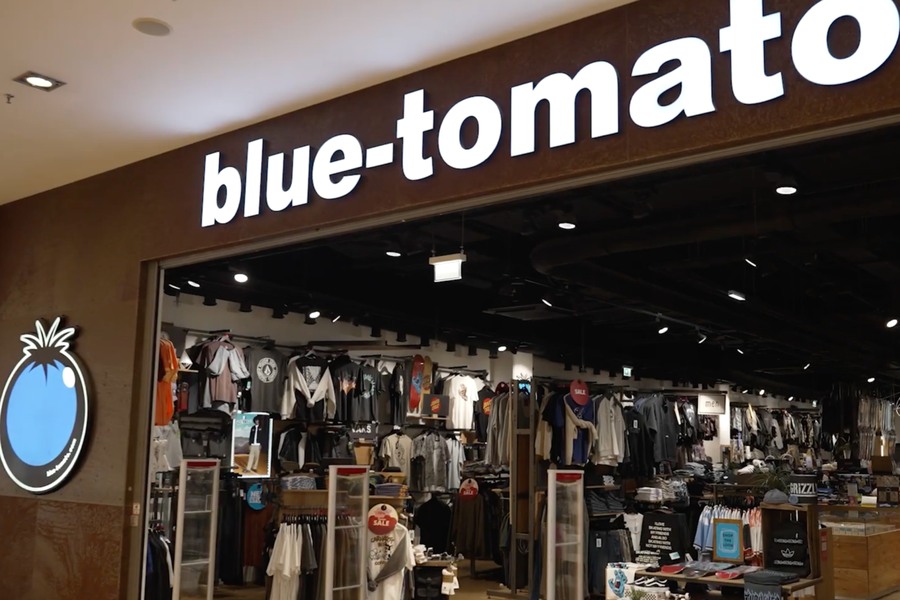
Blue Tomato accelerates agile retail apparel production with Kornit Digital

Kornit Digital (NASDAQ: KRNT), a global pioneer in on-demand digital fashion and textile production technologies, is highlighting how Blue Tomato, Europe’s largest board sports retailer, is using two Kornit Atlas MAX PLUS systems to support a more agile approach to in-house apparel production. The systems are helping Blue Tomato respond faster to changing consumer trends, produce high-quality apparel for its network of 86 retail stores across Europe and reduce inventory by printing only what the market demands.

#Digital Printing

Growth at the speed of demand: Kornit Digital brings digital textile innovation to PERFORMANCE DAYS 2026

Kornit Digital Ltd. (NASDAQ: KRNT) (“Kornit”), a global pioneer in on-demand digital fashion and textile production, will showcase the possibilities of digital, on-demand production at PERFORMANCE DAYS 2026, October 13–14 at Messe München, Hall 6, Booth E08.

#Digital Printing

Italian textile finishing specialist injects digital agility into luxury textile manufacturing with Kornit Digital

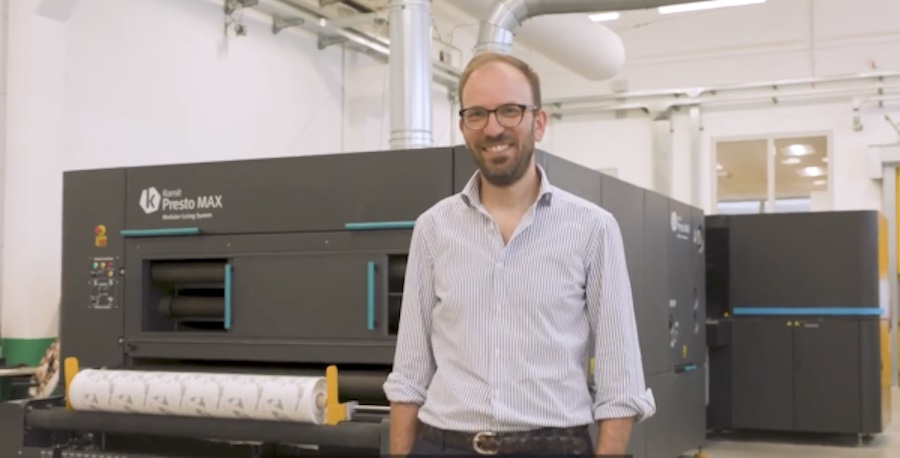
1st October 2026 – Kornit Digital, a global pioneer in sustainable, on-demand digital fashion and textile production technologies, shares the news that Tintoria Finissaggio 2000, one of Italy's leading textile dyeing and finishing specialists, has integrated the Kornit Presto MAX into its production environment to expand its premium textile offering to improve manufacturing efficiency and support growing demand for sustainable, agile fabric production.

More News on Digital Printing

#Digital Printing

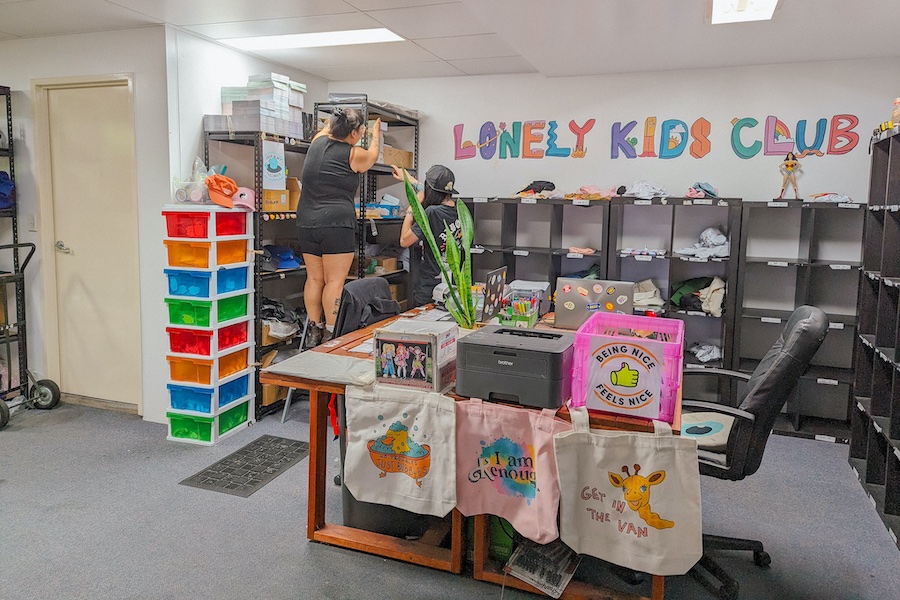
From a bedroom startup to 3,000 designs: How Lonely Kids Club built its business with DTG printing

Founded in Sydney in 2011, independent clothing label Lonely Kids Club has grown from a bedroom startup into a business offering around 3,000 graphic T-shirt designs. With its own production studio, direct-to-garment printing and a demand-driven manufacturing model, the company demonstrates how smaller apparel brands can combine creative independence with flexible production – while navigating the everyday challenges of quality control, workflow efficiency and sustainability.

#Digital Printing

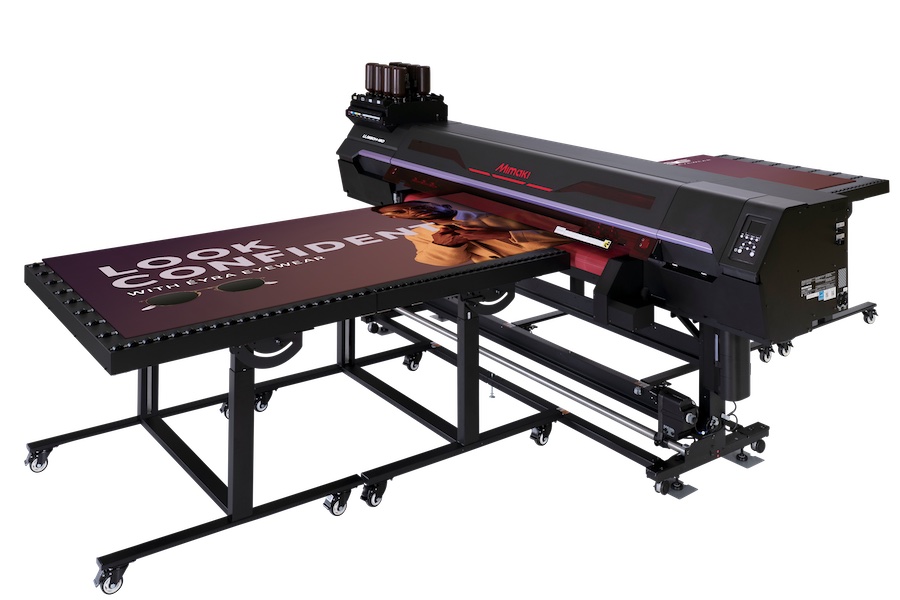
Mimaki highlights growing demand for hybrid UV printing across European markets

Insights from Mimaki's European partner network reveal how hybrid UV printing is responding to different regional market needs, driven by growing demand for flexible, application-oriented printing technologies.

#Digital Printing

SNA GZ accelerates its on-demand production strategy with Kornit Digital

SNA GZ is leveraging the Kornit Atlas MAX PLUS to expand its music merchandise production, streamline e-commerce order fulfillment, and grow its print-on-demand business across Europe. This investment increases SNA GZ's textile production capacity by 150% (2.5×), enabling the company to meet growing demand and support its continued expansion.

#Digital Printing

EFI and Agfa’s DPS Business to combine andform a global, full-service industrial inkjet company

Electronics for Imaging, Inc. (“EFI”), a leading industrial inkjet business and portfolio company of Siris, and Agfa-Gevaert (“Agfa”) today announced a definitive agreement to combine Agfa’s Digital Printing Solutions business (“Agfa DPS”) with EFI. An affiliate of Siris will hold a 60% interest and Agfa will hold a 40% interest in the jointly held company, which will bring together the operating capabilities of EFI and Agfa DPS under a governance structure whereby Siris and Agfa will act as equal partners.

Latest News

#Textile processing

Jeanologia combines digitalisation, laser and ozone technology to strengthen China’s textile competitiveness

At ITMA Asia + CITME 2026 in Shanghai, Jeanologia showcased how the combination of digitalisation, laser technology and G2 Ozone can help China’s textile industry improve productivity, speed, quality and efficiency. With its Compact Super Flash laser system and integrated production concepts, the Spanish technology specialist demonstrated how connecting product development and industrial production can enable faster, more automated and sustainable manufacturing processes.

#Textile chemistry

Flame protection and OEKO-TEX® certification: Gulec Chemicals clears an important hurdle

Three halogen-free flame retardants from German specialist Gulec Chemicals have been included in the OEKO-TEX® list of accepted Active Chemical Products (ACP). The listing opens up additional opportunities for textile finishers, coaters and manufacturers of technical textiles seeking to combine demanding fire protection requirements with certification according to OEKO-TEX® STANDARD 100.

#Dyeing, Drying, Finishing

PLEVA improves dyeing consistency with inline microwave measurement of liquor pick-up

Consistent shades are essential in continuous textile dyeing. Yet variations in fabric absorbency or uneven padder pressure can go unnoticed until the end of the line. By then, hundreds of metres of fabric may already be affected and may become second-choice or rejected.

#Recycling / Circular Economy

DITF establishes CYCLOTEXUM recycling center to advance mechanical and solvent-based textile recycling

As part of the CYCLOTEXUM research project, the German Institutes of Textile and Fiber Research Denkendorf (DITF) established the CYCLOTEXUM recycling center. There, in collaboration with industry partners, the center develops application-oriented solutions for mechanical and solvent-based recycling processes. The technologies developed make a significant contribution along the textile value chain toward the efficient use of textile resources in the future and the transition of production in the German textile sector to a circular economy. The project was funded by the Ministry for the Environment, Climate and Energy Sector of the State of Baden-Württemberg.

TOP