[pageLogInLogOut]

#Composites

SABIC purchases Clariant’s 50% share in scientific design

SABIC, a global leader in the chemical industry, has signed an agreement to purchase Clariant’s 50 percent stake in specialties company Scientific Design, currently a 50/50 joint-venture with SABIC.

Subject to regulatory approval, expected in mid-2022, the transaction will give SABIC full ownership of Scientific Design, which is a leading licensor of high-performance process technologies and catalysts producer.

The move is aimed at securing a greater share of the Specialties market. Last year, SABIC repositioned its Specialties division as a stand-alone strategic business unit to unlock organic and inorganic growth opportunities that are independent of feedstock dynamics. 

SABIC Vice Chairman and CEO, Yousef Al-Benyan said: “Catalysts are the foundation of our business. The acquisition of Scientific Design will strengthen our non-cyclical technology-oriented specialty business and move us closer to our long-term goal of becoming a global Specialties leader. This is a growing global market and the Middle East region alone sources nearly $1.5 billion worth of catalysts per year. We recognize the opportunity to help meet increasing catalyst demands, increase security of supply and the level of innovation with the sector.”

With its key manufacturing plant and business headquartered in New Jersey, U.S.A., Scientific Design has operated as a joint venture for almost 20 years following SABIC’s 50 percent acquisition of the business in 2003. Employing more than 170 people globally, it is a leading licensor of high-performance process technologies and a developer of catalysts that are used in over 100 plants across more than 30 countries.


Scientific Design is a recognized leader and a strategic fit for SABIC that can strengthen and complement the high-performance capabilities of SABIC’s Specialties business. For almost 20 years, it has thrived as a SABIC joint venture securing a position at the forefront of innovation and sustainability in the chemical industry. By fully aligning mutual strengths SABIC can realize new growth potential.
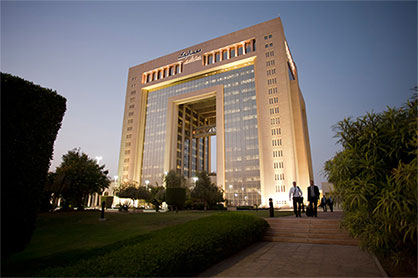
© 2022 SABIC
© 2022 SABIC


SABIC’s Specialties business produces highly differentiated products which include specialty engineering thermoplastic resins and compounds, composites, thermosets & additives, and additive manufacturing solutions as well as catalyst and process technologies.
More News from SABIC

More News on Composites

Latest News

#Sustainability

Ying McGuire becomes new CEO of Cascale

Cascale today announced the appointment of Ying McGuire as Chief Executive Officer, effective June 1, 2026.

#Technical Textiles

Sustainable, lightweight, and sound absorbing: Polyester-based front trunk solution for BEVs

As car manufacturers look to further reduce their carbon footprint, Autoneum has developed an innovative front trunk solution for battery electric vehicles (BEVs), made entirely from polyester-based textile. The Ultra-Silent Frunk offers significant weight reduction, improved acoustic and thermal insulation, and uses up to 70 percent recycled material, supporting sustainable and efficient vehicle design. Autoneum, global technology leader in acoustic and thermal management for vehicles, has already received orders for the new frunk from three major OEMs in Asia and Europe to be built in three BEV models. Series production for two BEVs has been underway in China and Germany since last year.

#Raw Materials

Modern testing methods for raw cotton

The 38th International Cotton Conference Bremen will take place from 25 to 27 March 2026 at the Bremen Parliament. This conference has traditionally stood for in-depth expertise and international exchange. The program will focus on technical innovations, market trends, and regulatory frameworks across the entire value chain – from agriculture to the circular economy. With high-profile speakers, the conference is regarded as the key meeting point for the global cotton industry. Today’s focus: Cotton quality and testing methods.

#Spinning

Rieter responds to higher raw material prices

Global political and economic developments have been leading to rising raw material and energy costs for some time. The textile machinery industry is also affected by this trend. Rieter machines and components consist to a large extent of steel, copper, aluminum and electronics. These materials in particular have seen higher demand and higher prices in recent months.

TOP



