[pageLogInLogOut]

#Composites

Hexcel partners with METYX for high performance carbon pultrusion technology

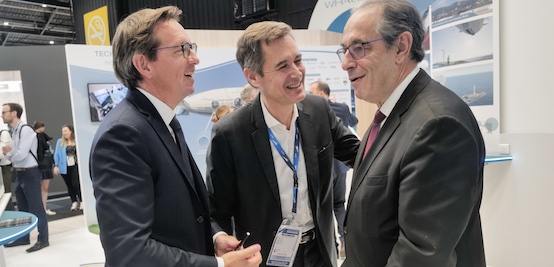
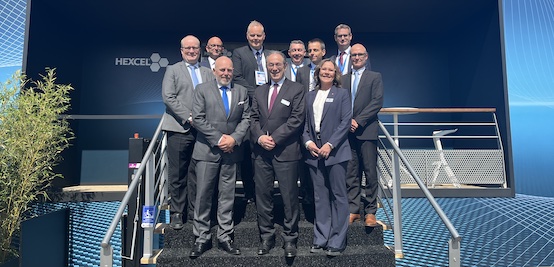
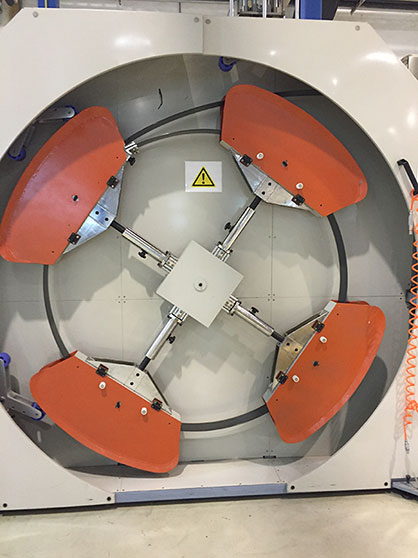
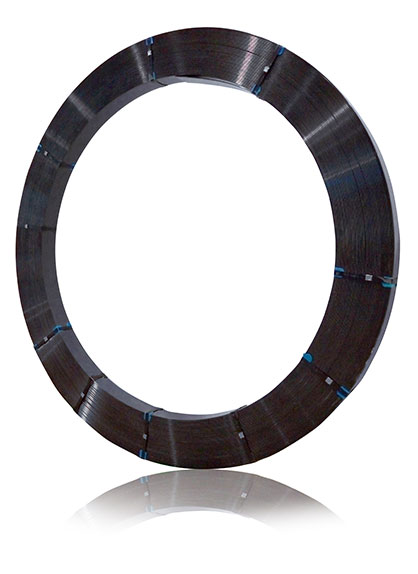
Hexcel Corporation (NYSE: HXL) today announced that it is collaborating with METYX to manufacture high-performance carbon pultruded profiles made from polyurethane (PU) resin and unidirectional carbon fiber for the wind energy market.

The two companies have joined forces to develop technology that builds on Hexcel expertise in polyurethanes for the ski industry combined with its strength in providing high-performance composites to wind energy customers and expanding to other markets for composite applications. METYX is a manufacturer of high-performance NCF and woven glass and carbon, consumables, core and fabric kitting, molds, prototypes, and components for industries including wind energy, marine, automotive, rail and construction.
© 2021 Hexcel
© 2021 Hexcel


Claude Despierres, VP – Sales and Marketing, Industrial Hexcel, said, “We are very happy to work with METYX to develop opportunities in the wind market using our expertise in polyurethane products. We look forward to working with METYX and sharing our knowledge and experience with their team.”


Ergenc Ineler, COO, METYX Europe, said, “We are very excited to start this journey with Hexcel. Our customers have very high expectations on quality and cost, and we are convinced that Hexcel’s experience in PU technology is very well aligned with our future as we start this new business unit.” 
© 2021 Hexcel
© 2021 Hexcel


More News from Hexcel Corporation

More News on Composites

#ITMA Asia + CITME 2026

KARL MAYER introduces MULTIPLY BX for high-efficiency wind turbine reinforcement fabrics

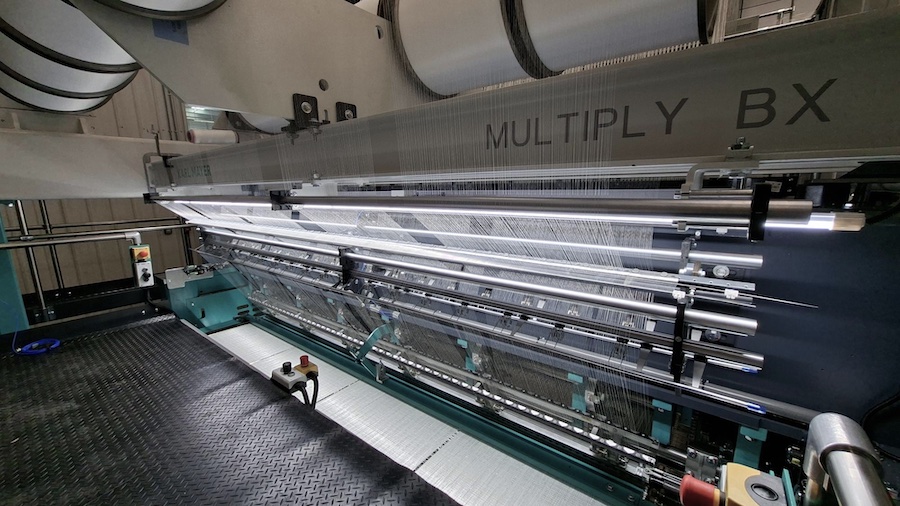
KARL MAYER is expanding its composite machinery portfolio with the new MULTIPLY BX, a biaxial warp knitting machine specifically developed for the production of reinforcement textiles used in wind turbine rotor blades. Designed for high output and efficient material utilisation, the machine achieves production speeds of up to 500 m/h and offers a productivity increase of 20 to 25% compared with the established MAX GLASS ECO. The MULTIPLY BX will make its debut at the KARL MAYER (China) Product Show in Changzhou during ITMA ASIA 2026.

#Research & Development

Novel flame-retardant and recyclable fiber-reinforced composite

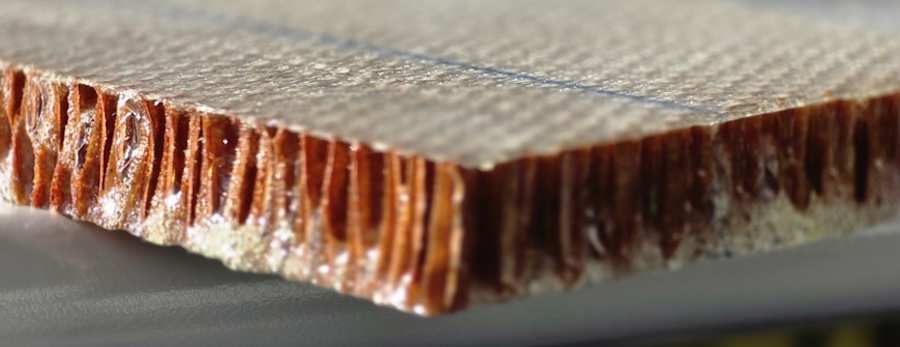
Airplanes and passenger trains must meet strict safety requirements, including fire safety standards. This calls for materials that are flame-retardant, lightweight, robust, and scalable. Empa researchers, in collaboration with their industry partner Elantas, have now succeeded for the first time in making such a material – a composite – fully recyclable.

#Composites

WHILL selects Teijin’s tough, lightweight Carbon Fiber Composite for new last-mile mobility

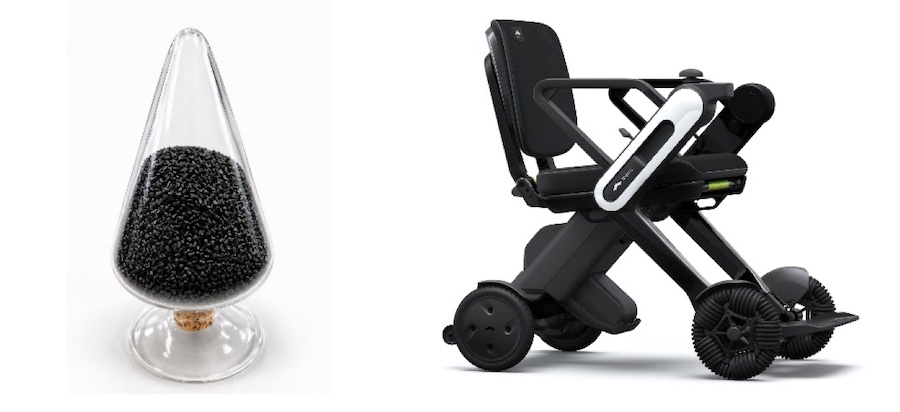
Teijin Limited announced today that WHILL Inc., a global leader in inclusive mobility technology, has selected Sereebo® P CFP series, a carbon fiber-reinforced thermoplastic (CFRTP) material, for key structural components of the upcoming WHILL Model C Lite. Sereebo® P CFP series provides high strength, light weight, design flexibility and system cost advantages to the Model C Lite, which is a battery powered, single-seat, last-mile device. This new model combines maneuverability with light weight and one-handed folding to ensure ease of handling and operation.

#Composites

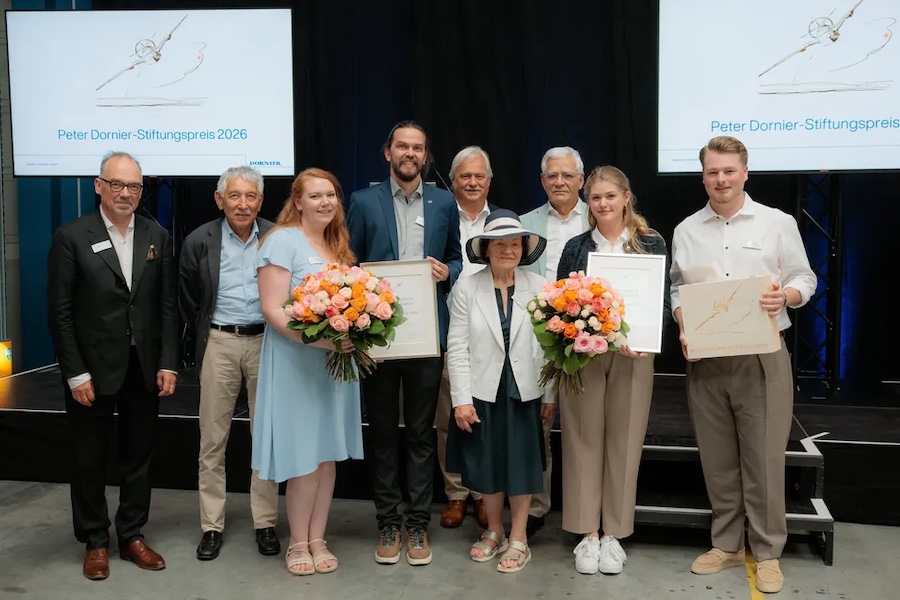
Fewer pores, greater impact tolerance: Peter Dornier Foundation Prize 2026 honours material research on fibre-reinforced composite components for aerospace industry

Microscopically small pores that form during manufacture, or barely visible impact damage, can severely impair the load-bearing capacity and service life of fibre-reinforced composite components. Two young researchers have presented groundbreaking work in this field and will both be awarded the 2026 Peter Dornier Foundation Prize: Dr.-Ing. Benedikt Neitzel from the Technical University of Ilmenau for his doctoral thesis on pore minimisation in the RTM process, and Johanna Buschmann, M.Sc., for her master’s thesis, completed at the German Aerospace Centre, on the improved impact tolerance of 3D fabrics compared to 2D laminates.

Latest News

#Textile processing

Jeanologia combines digitalisation, laser and ozone technology to strengthen China’s textile competitiveness

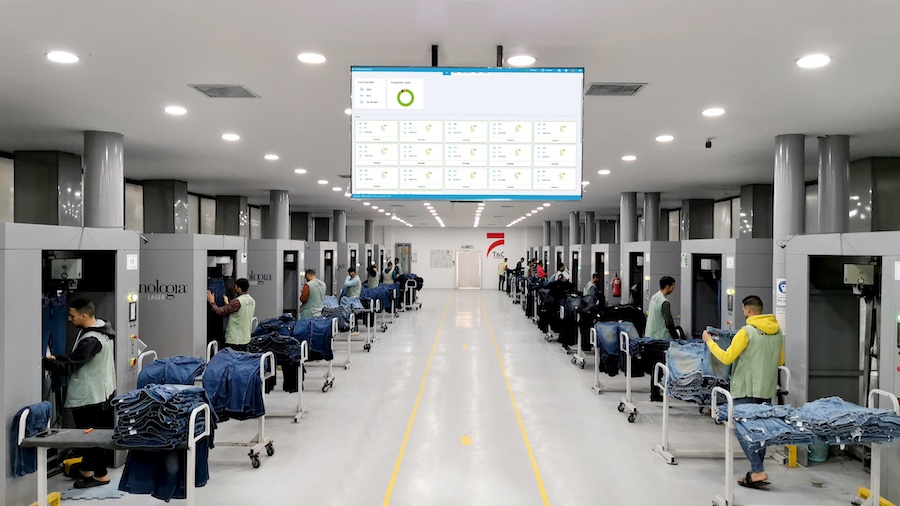
At ITMA Asia + CITME 2026 in Shanghai, Jeanologia showcased how the combination of digitalisation, laser technology and G2 Ozone can help China’s textile industry improve productivity, speed, quality and efficiency. With its Compact Super Flash laser system and integrated production concepts, the Spanish technology specialist demonstrated how connecting product development and industrial production can enable faster, more automated and sustainable manufacturing processes.

#Textile chemistry

Flame protection and OEKO-TEX® certification: Gulec Chemicals clears an important hurdle

Three halogen-free flame retardants from German specialist Gulec Chemicals have been included in the OEKO-TEX® list of accepted Active Chemical Products (ACP). The listing opens up additional opportunities for textile finishers, coaters and manufacturers of technical textiles seeking to combine demanding fire protection requirements with certification according to OEKO-TEX® STANDARD 100.

#Dyeing, Drying, Finishing

PLEVA improves dyeing consistency with inline microwave measurement of liquor pick-up

Consistent shades are essential in continuous textile dyeing. Yet variations in fabric absorbency or uneven padder pressure can go unnoticed until the end of the line. By then, hundreds of metres of fabric may already be affected and may become second-choice or rejected.

#Recycling / Circular Economy

DITF establishes CYCLOTEXUM recycling center to advance mechanical and solvent-based textile recycling

As part of the CYCLOTEXUM research project, the German Institutes of Textile and Fiber Research Denkendorf (DITF) established the CYCLOTEXUM recycling center. There, in collaboration with industry partners, the center develops application-oriented solutions for mechanical and solvent-based recycling processes. The technologies developed make a significant contribution along the textile value chain toward the efficient use of textile resources in the future and the transition of production in the German textile sector to a circular economy. The project was funded by the Ministry for the Environment, Climate and Energy Sector of the State of Baden-Württemberg.

TOP