#Advertorial
Sustainable home décor: Embrace upcycling and create stylish ‘new’ fabrics with digital prints
On-Demand Digital Decoration Is Key to Transforming the Fabric of Our Lives
by Omer Kulka, Chief Innovation Officer at Kornit Digital
It’s all right to talk about your “lucky” blanket, the one you’ve been holding onto since childhood. Really. More than a few of us have one, even if we don’t talk about it because we think it sounds childish or silly. Embrace it.
It’s probably seen better days. It’s faded, frayed, worn, torn…lived in. But it’s special to you, and you don’t want to let go of it. It’s reliable. It feels like home.
The brands and designers who create home furnishings understand this sentiment. When textile decorators make curtains, rugs, blankets, or furniture upholstery, they’re not simply fulfilling a demand; they’re creating the contours of a buyer’s everyday life. They’re bringing color to an environment that’s to feel like home, because it is home.
Into this home décor market comes the trend of “upcycling,” by which yesterday’s tired objects and materials – like that cherished blanket – are reused or repurposed in a way that revitalizes them, giving them greater value than ever before. Long a staple of Indian living, it would seem the concept has caught the eye of decorators and producers globally.
As the call for reducing waste and improving the sustainability of textiles grows louder – and increasingly enforced by regulatory action – creators turn to upcycling as a key strategy for meeting this demand, directing out-of-favor materials towards innovative new uses instead of landfills. Among many examples to catch my eye, a recent profile on SustainableJungle.com cited Goodee as a marketplace for home décor that prioritizes upcycling as a key component of the ethical and sustainable practices it promotes, holding its brand partners accountable to responsible sourcing and production measures.
(SUSTAINABLEJUNGLE:
https://www.sustainablejungle.com/sustainable-living/ethical-sustainable-home-decor/ )
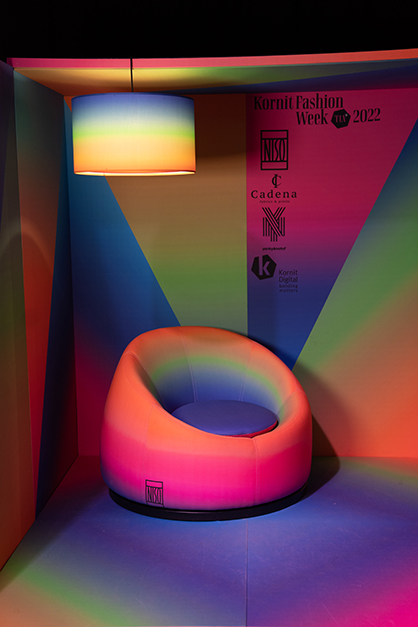
Coming from a technology provider that’s committed to making home textiles both more expressive and more eco-conscious, without sacrificing quality or consistency, upcycling speaks to me because it represents flexibility, versatility, adaptability. It means being liberated from the usual supply chains and their unpredictable challenges and uncertainties, and being able to create something of value from what’s readily available – taking what we already have, and creating trendy colors and patterns with that stock.
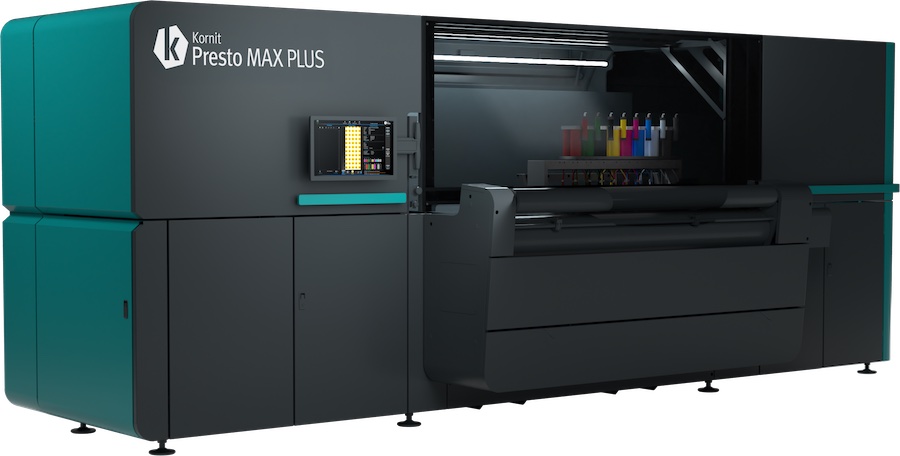
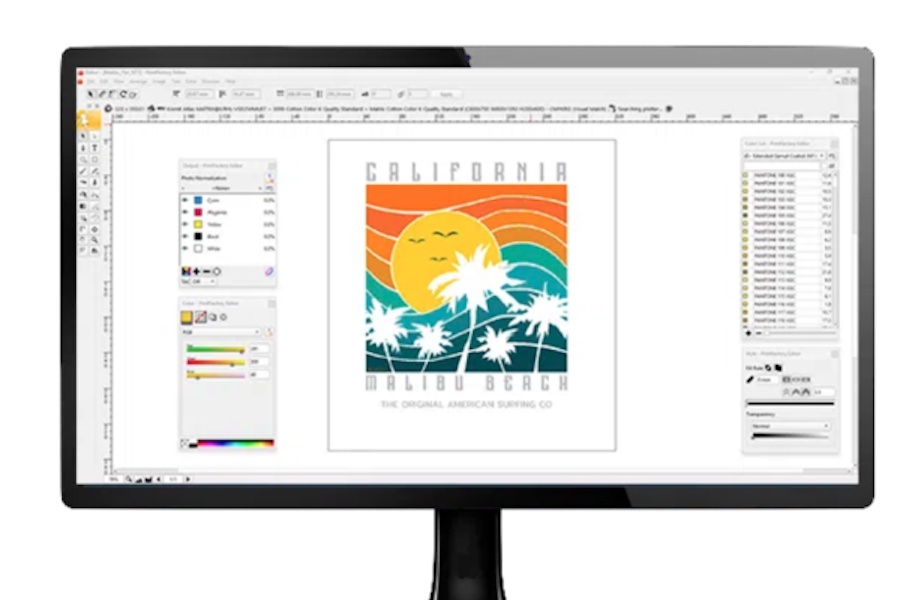
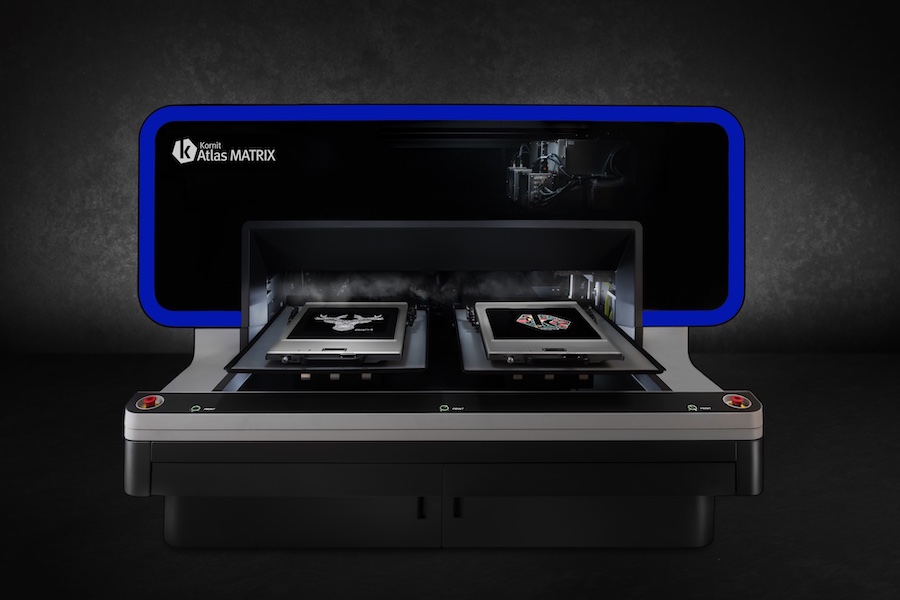
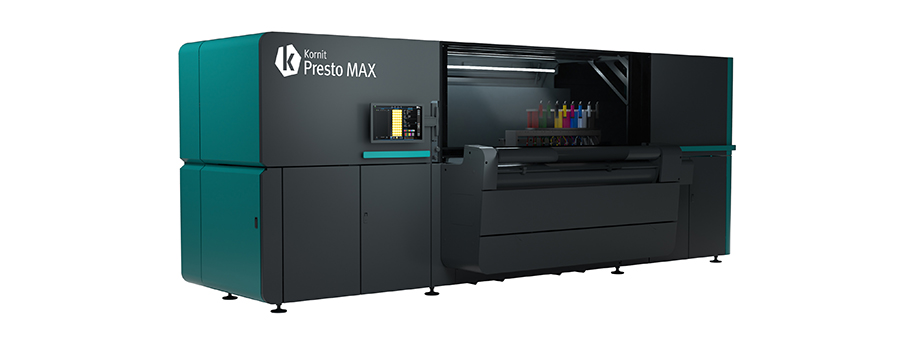
The market is flush with digital print technologies that apply gorgeous colors and graphics to a wide range of textiles for home use, spanning natural and synthetic fibers. The latest in sustainable digital print technologies offer a versatile, reliable platform that requires no external pretreatments of materials prior to decorating them. From the start, this means textile decorators would need not concern themselves with sourcing pretreated materials. Whatever’s available, odds are this technology is ready to apply durable, consistent, high-quality impressions to that fabric, without limitations of color or graphic detail. Just load the untreated material onto the feeder, select your graphic image or pattern, and within minutes you have a finished custom impression in any quantity required, ready to ship or cut.
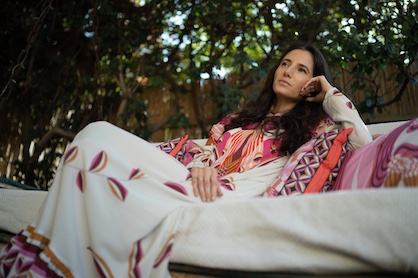
Many of those using these systems today, whether they’re decorating textiles for home décor, do-it-yourself cut-and-sew, fashion and apparel, or otherwise, say a key benefit of this technology is that it’s compatible with natural fibers – unlike dye sublimation, which limits your canvas to white polyester, and produces considerable waste in the process. The streamlined production process yields virtually no water waste, can nest multiple jobs within a single run, and requires less labor, energy, time, and floorspace to deliver imprinted materials that meet the most vigorous industry standards for quality, durability, and sustainability. You’re printing graphic images at the push of a button, so you need only produce what’s been sold – making for a highly profitable operation, positioned to scale or adapt to unforeseen market dynamics.
This one-step process also makes sampling quick and simple, so designers can fulfill their needs efficiently, with little time and investment. Try new things. See what works and what doesn’t. While most designers will work with cotton, linen, denim, wool, polyester, or blends, we’ve even seen this technology used to decorate latex and vegan leather. It could probably even apply a photograph of 8-year-old you holding your special blankie, to your special blankie.
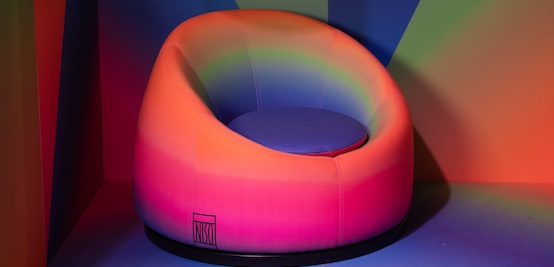
In the past year, furniture decorator Cozmo has used on-demand digital print to create custom “jackets” for sofas, giving designers the ability to add new life to traditional home furnishings. Created quickly, sustainably, and on demand, these pieces have been showcased at the London Design Festival and ITMA 2023 (Milan), the world’s preeminent textiles exhibition.
(YouTube-Video:
https://www.youtube.com/watch?v=vszNVtYJHTw )
D-house laboratorio urbano used digital on-demand decoration to bring artist and designer Markus Benesch’s immersive Inspirational Living concept to life at Milano Design Week.
(YouTube-Video:
https://www.youtube.com/watch?v=qTGnwQv_hOY )
Adding digital print capabilities gives New Jersey-based Dye Into Print the flexibility “to get triple or quadruple the number of substrates we’re able to print on,” often decorating materials provided by their customers in hospitality and home textiles.
(YouTube-Video:
https://www.youtube.com/watch?v=cVaOBUgsIJc )
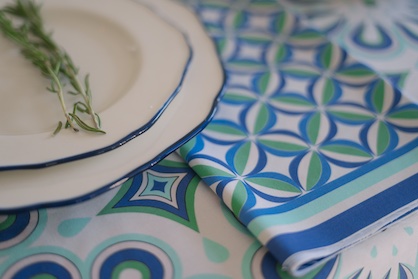
Due to the fast, agile nature of digital print-on-demand, this technology is also a natural fit for events-based décor customizations. Tel Aviv-based Cadena uses it to offer their customers a more memorable, personalized experience for wedding receptions, bar mitzvahs, and other special occasions.
(Video on Facebook:
https://www.facebook.com/watch/?v=890986458431906 )
The technology has even been used for religious expression, as in this project that saw the glass works of renowned artist Dale Chihuly complemented with digitally decorated fabrics at Hampton Synagogue in Westhampton, New York.
(JPOST article:
https://www.jpost.com/diaspora/article-723777 )
Here's the kicker: This latest generation of digital on-demand textile decoration systems offers a layering effect, an industry first that adds an entirely new dimension to custom creations – quite literally. Using a single pigment-based ink set, these systems empower decorators to emulate 3D, vinyl, threadless embroidery, and other eye-popping graphic effects. This can include neon accents, or even lenticular imagery – images that appear to change when viewed from different angles. One designer, Fasac, used this system to create a simulated lace effect – all of it printed with white inks, including white-on-dark impressions – for its “Go White” collection, presented at Première Vision in Paris early this year.
(stitchprint article:
https://stitchprint.eu/news/kornit-digital-helps-fasac-go-white-more-possibilities-more-sustainable-than-ever/ )
Imagine you’re a textile decorator with rolls of fabric in inventory that don’t quite align with what’s selling today. Where once that might become a sunk cost, now you can simply create entirely new textures for that material. The concept is not new: People have long been combining wovens (typically coming from Pakistan or India) and nonwovens (typically coming from China) to create entirely new materials, upcycling what is at their disposal.
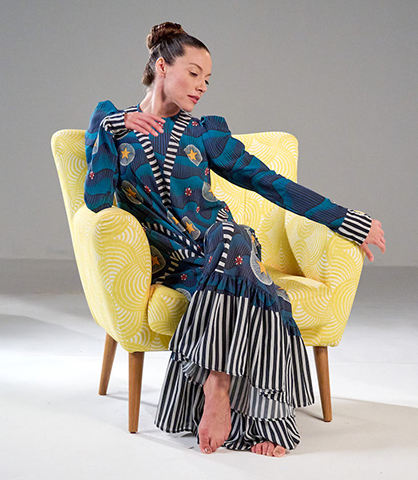
Whether you’re a fabric manufacturer or a furniture manufacturer, you can now upcycle your old fabric stocks by printing on them and transforming them into “new” fabrics and designs, taking something old and giving your clients an entirely new, trendy, or fashionable option.
Sensing this trend away from more problematic traditional textile practices and towards more sustainable options – such as upcycling – it’s surely no coincidence several of the producers to adopt these systems most recently herald from locations we’ve long associated with inexpensive offshore textile production – China, India, Turkey, and Dubai.
Don’t have the materials you want? Simply take what you have and transform it into something designers and consumers will love. Something that will provide a rich and brilliant décor for their homes, offices, events, and other living spaces with the quality and durability to last, no matter what life throws at it. Something like that special blankie.
To learn more about sustainable, on-demand digital fulfillment for home décor, visit
http://kornit.com or
http://PixelToParcel.com