[pageLogInLogOut]

#Business

Thinking of tomorrow and beyond: Textile industry navigates into the future with practical benefit

The textile industry, which has put fibre-reinforced composite components, textile implants or smart textiles into focus, is probably the first one who cast a chaired glance into the year 2025.

Following the slogan “Doing the imaginable, instead of thinking the achievable!” and after a discussion process of about one year on behalf of the German Textile Research Center (Forschungskuratorium Textil / FKT), more than 250 evaluated ideas and proposed solutions for ten topics concerning the usage of technical textiles on emerging markets of the future exist now. First project results based on the cooperation with Thomas Strobel, trend scout specialised in the development of the future, are laid down in the strategy brochure “Perspectives 2025”, which has now been published. Future”guide” Strobel evaluates the now completed time travel as “extraordinary preliminary work of an industry association for its members”. A knowledge base has been created, that enables enterprises of the textile sector to derive company specific strategies for the implementation of innovations and new business models.

From his point of view, textile research developing in particular fibre-based high tech materials and supplies as well as the required technologies, faces numerous challenges and great opportunities:

  • Textile light weight construction will only have a chance, if material recycling on the basis of both aspects – energy and environment – can be managed as efficiently as the remelting of metal.
  • Composite materials with load-optimised 3D-fibre structures, that for example are solidified by laser welding or in combination with 3D-printers are equipped with additional material characteristics, provide for new scopes of application.
  • Particularly high prospects of utilisation have new textile based components, as long as they are designed load-compliant with minimum material usage and high structural strength.
  • Carbon fibres have to be produced by another raw material than crude oil medium-term.

In conclusion, FKT considers the work on “Perspectives 2025” to have led to various and neutrally evaluated results by widespread involvement of entrepreneurs, researchers and young academics.

Above all, the know-how of all members of the group has been an important factor for success for comparing drafts of the future, such as the high-tech strategy of Germany`s Federal Ministry for Education and Research (BMBF) as well as studies on the future of various industry sectors.

For 2013, FKT management has announced experience-based presentations and workshops for member associations and research centers.
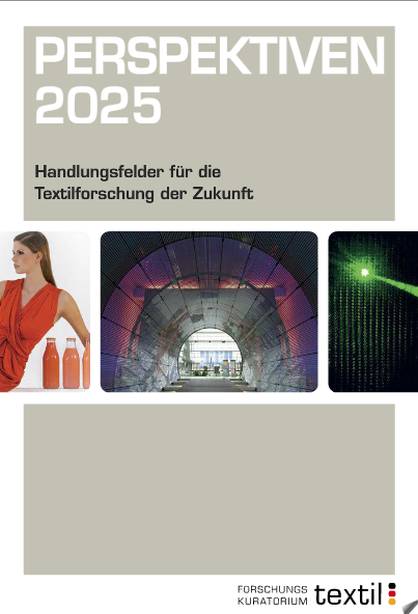
 

http://www.textilforschung.de/pdfcat/Techtex2025/ (german language)

More News from TEXDATA International

#ITM 2026

ITM 2026: The new geography of textile production

New production hubs are emerging across North Africa and Central Asia, while Türkiye is accelerating its transformation toward higher-value, technology-driven and more sustainable textile manufacturing.

#Research & Development

“Production is a product”

From technical textiles and AI-driven robotics to the limitations of textile circularity: Professor Dr Thomas Gries looks back on more than two decades of development at ITA Aachen. In the interview, he explains why production technology remains a decisive success factor, discusses international collaborations and innovation ecosystems, and shares his views on the transformation of production landscapes and the challenges facing an increasingly regulated industry.

#Knitting & Hosiery

“We need to move away from the price trap and return to a value-driven mindset.”

With its new Textile Innovation Center, KARL MAYER is sending a strong signal for innovation, collaboration, and the future of textile applications. In this interview, Karl Josef Mayer discusses new opportunities in warp knitting, the processing of staple fibres, recycling, the changing role of machinery manufacturers, and why the textile industry must once again focus more strongly on the value of textiles. by Oliver Schmidt

#Associations

“Innovation, resilience and international experience remain the great strengths of the Swiss textile machinery industry”

Geopolitical uncertainty, growing competitive pressure from China, new free trade agreements and the shift towards a circular economy are currently reshaping the global textile industry. In this interview, Cornelia Buchwalder discusses the current mood within the Swiss textile machinery sector, the industry’s distinctive innovative strength, new market opportunities in India and Asia, and the technological trends that could shape the upcoming trade fair cycle leading up to ITMA 2027.

More News on Business

#Associations

BTMA backs global growth while investing in future UK leaders

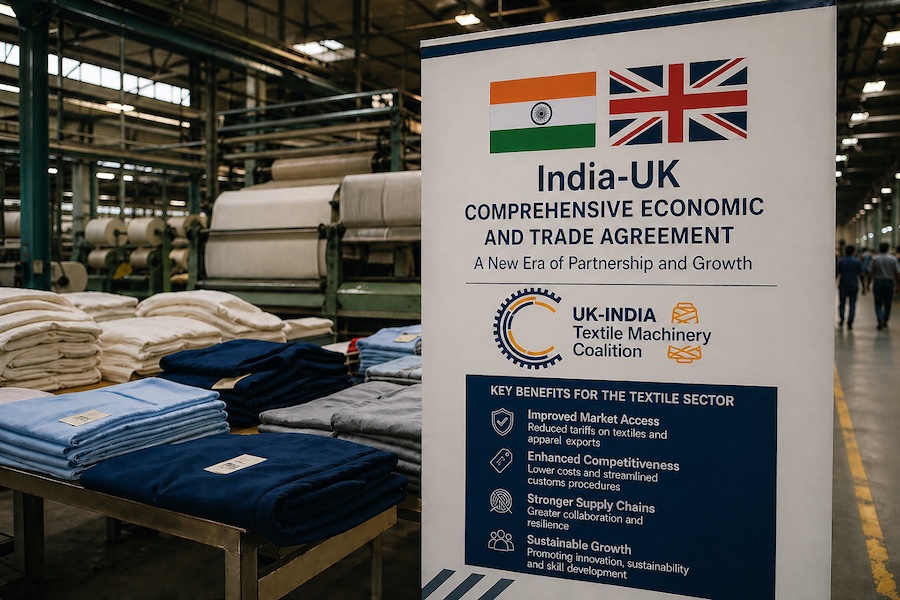
As one of a number of new initiatives launched this year, the British Textile Machinery Association (BTMA) is launching the UK-India Textile Machinery Coalition. The UK-India Free Trade Agreement, signed in July 2025, has implications that extend across sourcing, competitiveness and long-term trade dynamics, believes BTMA CEO Jason Kent.

#Nonwovens

Sandler turns financial stability into a catalyst for shaping the future

The Sandler Group has presented its financial figures for the past fiscal year (01/01/2025-12/31/2025). Like previous years, the year 2025 was also marked by industry-wide structural challenges and geopolitical uncertainties. Turnover was virtually stable at EUR 321 million (2024: EUR 326 million). High energy costs continue to weigh heavily on profitability. The number of employees was 975 (2024: 980). The family-owned company, which was founded in 1879 and has been run by the fifth generation since August 2025, continues to invest millions in its Schwarzenbach site despite the high production costs in Germany. As part of the long-term corporate strategy, the management team is focusing on strict cost management, further development of the product portfolio, and greater efficiency in production and administrative processes. The company does not expect a market recovery in 2026 and 2027.

#Spinning

Rieter advances strategic repositioning amid market volatility

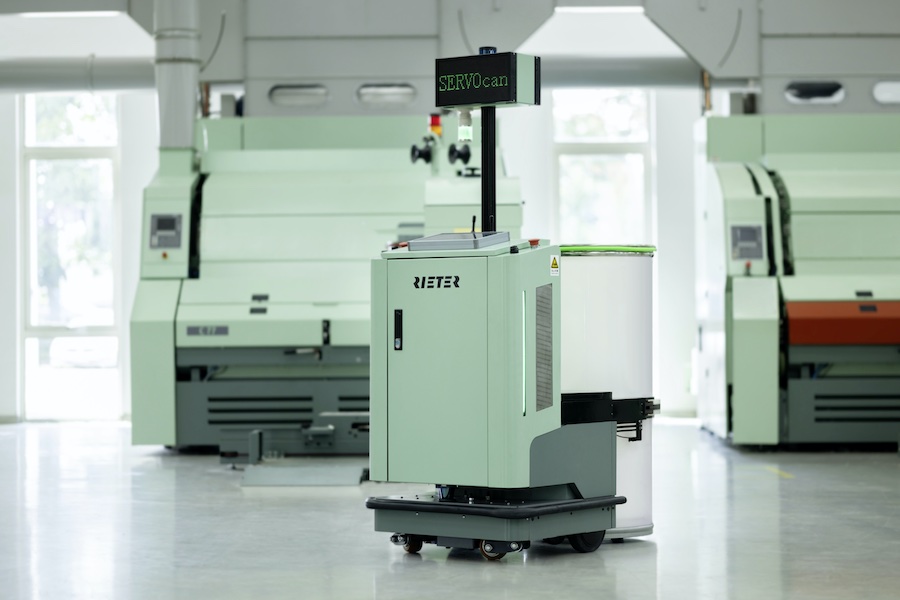
Rieter successfully completed the acquisition of Barmag on February 2, 2026, and reached an important milestone in the company’s repositioning. Barmag will be integrated into the Rieter Group as the “Man-Made Fiber” Division. With this strategically transformative acquisition, Rieter is expanding its core business beyond the short-staple fiber business in a targeted way. This positions Rieter as the global market leader along the entire value chain for natural and man-made fibers. In addition, as a complete systems supplier, Rieter is further strengthening its technological leadership in the areas of automation and digitization.

#Knitting & Hosiery

Huixing acquires insolvent Mayer & Cie.

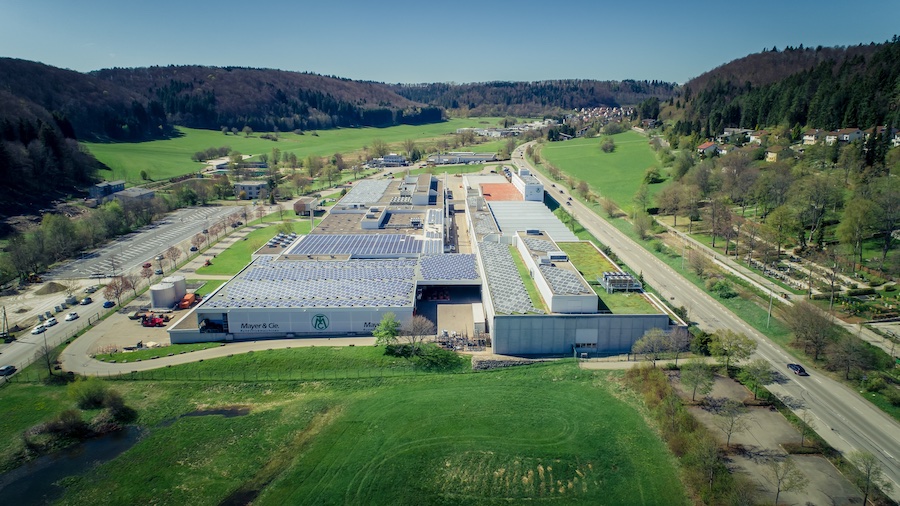
Insolvency proceedings for the circular knitting and braiding machine manufacturer Mayer & Cie. were opened on December 1, 2025. Immediately following the opening of proceedings, the complete cessation of business operations was initiated. Most employees were subsequently given notice effective the end of February 2026. The production of the remaining orders in the circular knitting segment is expected to be completed by the end of the month. As early as December 2025, Mayer & Cie.’s braiding machine division was sold to an Italian investor.

Latest News

#Associations

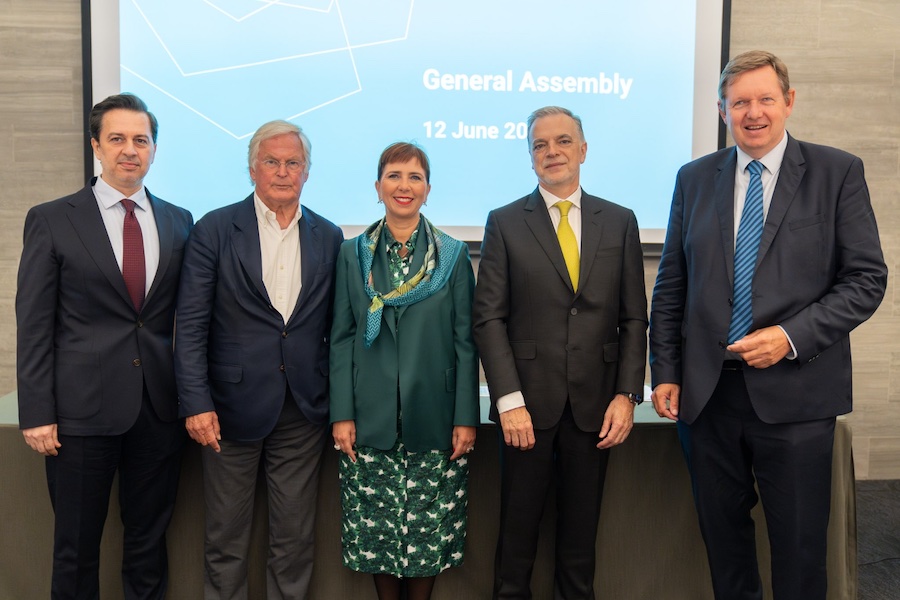
Mario Jorge Machado re-elected President of EURATEX

The EURATEX General Assembly has re-elected Mario Jorge Machado as President of EURATEX, renewing its confidence in his leadership at a crucial moment for the European textile and clothing industry. The sector is facing rising costs, global competitive pressure and an increasingly challenging transition towards sustainability and digitalisation.

#ITM 2026

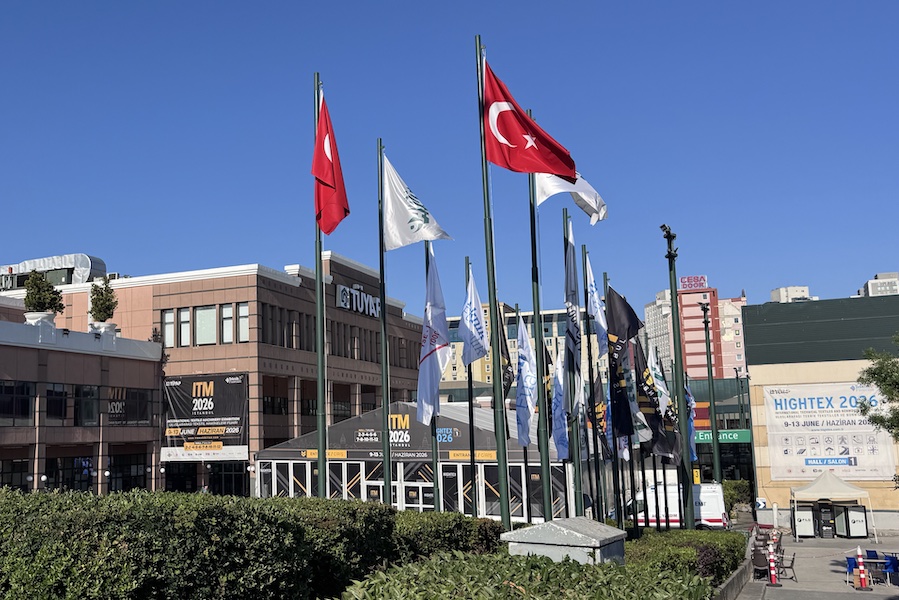
ITM 2026 makes happy participants with its international and qualified visitor profile

ITM 2026 International Textile Machinery Exhibition, one of the most prestigious meeting points of the textile machinery sector, attracted attention in its first three days, particularly with its diverse international visitor numbers. Industry professionals from all over the world had the opportunity to closely examine the latest technology machines and solutions displayed in operation. Thousands of visitors from approximately 100 countries, primarily Egypt, Pakistan, India, Uzbekistan, Syria, Turkmenistan, Tajikistan, Morocco, Algeria, and Tunisia, met at the Tüyap Fair and Congress Center for new investment and cooperation opportunities.

#ITM 2026

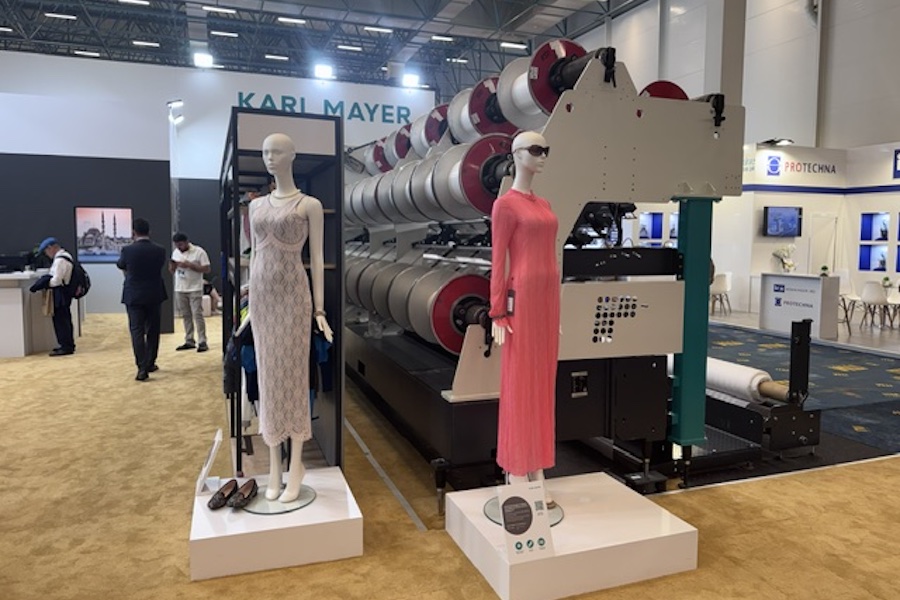
KARL MAYER presents a textile TEXTRONIC® innovation at ITM 2026

With highly efficient machines and continuous textile innovations, KARL MAYER underscores its role as a reliable partner for discerning top-tier customers. Just in time for ITM 2026 in Istanbul, the industry leader is introducing a true innovation: an eyelash lace with its characteristic fringed look – combined with a previously unattainable 4-way stretch. While the established fabric could until now only be produced as rigid version or with one-dimensional stretch, the new elasticity in both dimensions expands the possibilities for cross-band panel fabrics.

#Raw Materials

Better Cotton Initiative welcomes new and returning Council members

The Better Cotton Initiative (BCI) has confirmed a series of appointments and reappointments to its Council, the multistakeholder board responsible for BCI’s strategic direction.

TOP