[pageLogInLogOut]
USTER Think Quality

#Yarn & Fiber

Spinnova technology featured in a new film series presented by the Global Fashion Agenda

© 2023 Spinnova
The film series produced by BBC StoryWorks Commercial Productions puts a spotlight on a collection of tailor-made solutions from across the world to fit us and the planet.

Spinnova’s pioneering technology spinning textile fibre from various raw materials and waste streams is showcased on a new film series created for the Global Fashion Agenda. The new series, titled Fashion Redressed, is composed of 11 brand films, each with a unique story of trendsetters weaving change into the fashion industry. The central question of the series is: how can we keep expressing all we do through fashion, but without hurting the planet?

The series participants include for example Vestiaire Collective, The Ellen MacArthur Foundation, Lenzing and FarFetch. The series takes viewers to Finland, France, the UK and the United States. Showcasing both design and science, the episode made for Spinnova and featuring Spinnova’s innovation walks viewers through Spinnova’s journey and how new fibres paired with modular designs can pave the way for more sustainable fashion.


“It’s been a rewarding experience to bring this documentary to life – the unique Spinnova technology joining forces with the modular innovation of its design collaborator Sofia Ilmonen, through the lens of BBC StoryWorks Commercial Productions. All solutions highlighted in the series are crucial to shaping a better future for the fashion industry. It’s an honor for Spinnova technology to be featured in such great company,” says Diana Balanescu, Spinnova’s Global Brand Director.

The full series is available on www.fashionredressed.com from 19 September 2023.


More News from TEXDATA International

#ITM 2026

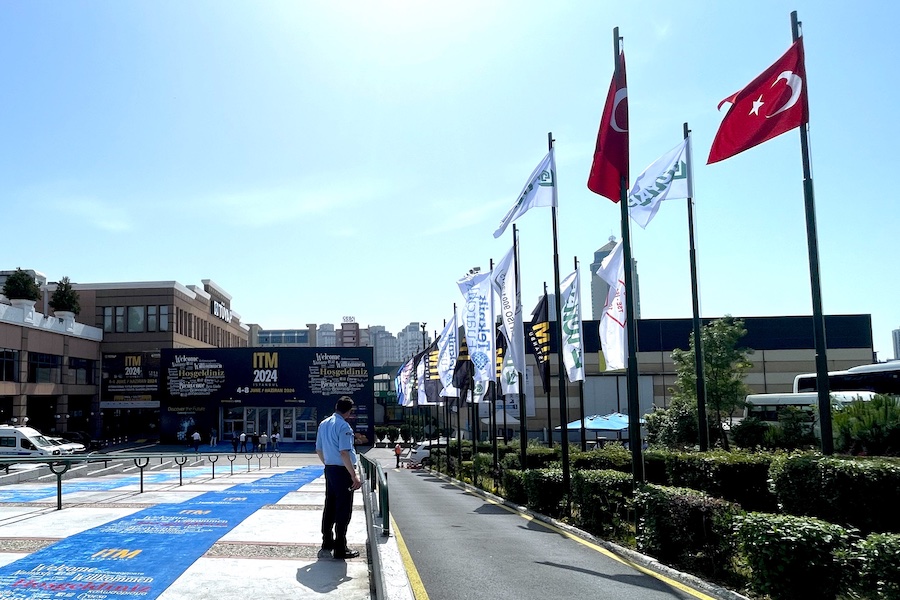
ITM 2026: The new geography of textile production

New production hubs are emerging across North Africa and Central Asia, while Türkiye is accelerating its transformation toward higher-value, technology-driven and more sustainable textile manufacturing.

#Research & Development

“Production is a product”

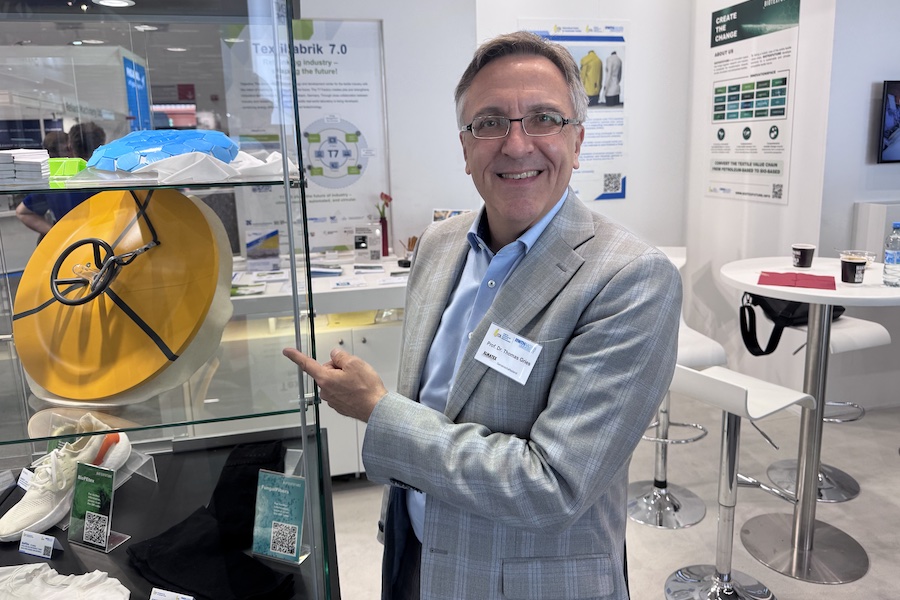
From technical textiles and AI-driven robotics to the limitations of textile circularity: Professor Dr Thomas Gries looks back on more than two decades of development at ITA Aachen. In the interview, he explains why production technology remains a decisive success factor, discusses international collaborations and innovation ecosystems, and shares his views on the transformation of production landscapes and the challenges facing an increasingly regulated industry.

#Knitting & Hosiery

“We need to move away from the price trap and return to a value-driven mindset.”

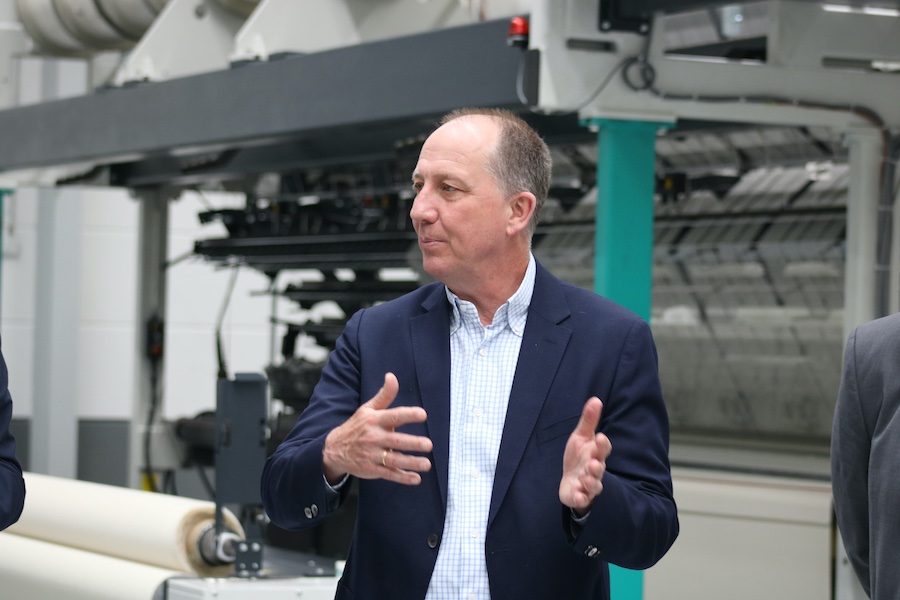
With its new Textile Innovation Center, KARL MAYER is sending a strong signal for innovation, collaboration, and the future of textile applications. In this interview, Karl Josef Mayer discusses new opportunities in warp knitting, the processing of staple fibres, recycling, the changing role of machinery manufacturers, and why the textile industry must once again focus more strongly on the value of textiles. by Oliver Schmidt

#Associations

“Innovation, resilience and international experience remain the great strengths of the Swiss textile machinery industry”

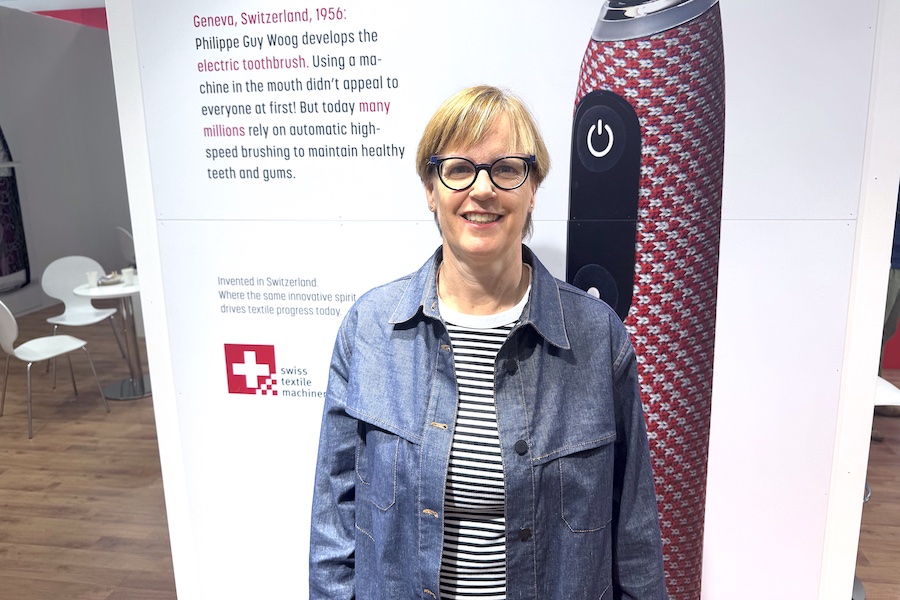
Geopolitical uncertainty, growing competitive pressure from China, new free trade agreements and the shift towards a circular economy are currently reshaping the global textile industry. In this interview, Cornelia Buchwalder discusses the current mood within the Swiss textile machinery sector, the industry’s distinctive innovative strength, new market opportunities in India and Asia, and the technological trends that could shape the upcoming trade fair cycle leading up to ITMA 2027.

More News on Yarn & Fiber

#India ITME 2026

Uster to present novel solutions at India ITME 2026

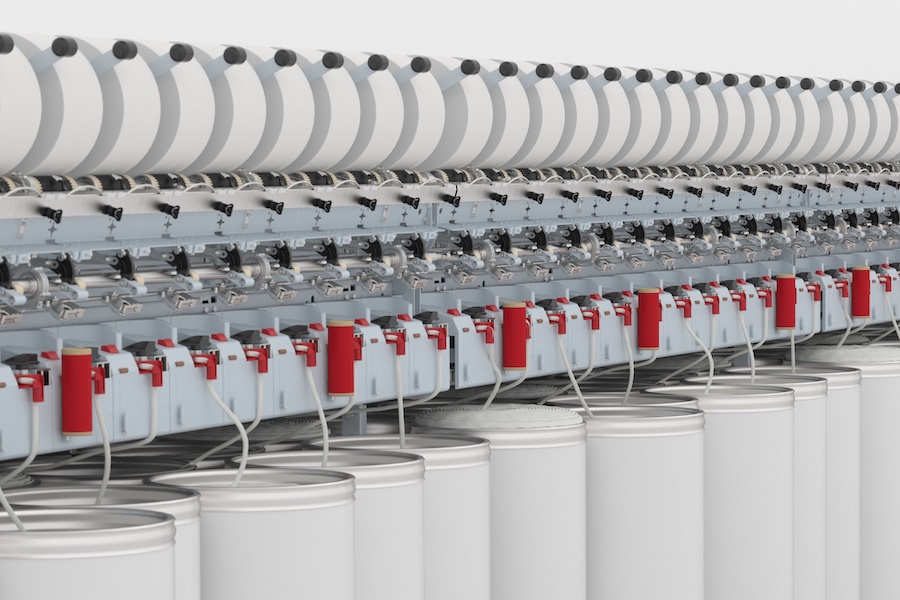
Tackling contamination is a critical quality target in yarn production – and Uster now enables spinners to make the right choices for optimized profitability, with top technology, precise data and integrated analysis across the entire process. The new Uster Contamination Control solution and latest Uster Vision Shield 3i put spinners in command of contaminant removal, ensuring yarn quality, minimizing waste and protecting profits. These exciting developments – and even more news – will be featured at India ITME 2026.

#Man-Made Fibers

Lenzing improves profitability as strategic transformation gains momentum

The Lenzing Group reported improved operating profitability in the first nine months of 2026 despite declining revenue and a challenging market environment. Revenue decreased by 2.3 percent to EUR 1.93 billion, while adjusted EBITDA remained stable at EUR 353 million. The adjusted EBITDA margin increased from 17.9 percent to 18.3 percent, reflecting progress in the company's strategic transformation under its “Grow Nonwovens. Reset Textiles.” strategy.

#Recycled Fibers

C&A and Zalando join Altag® Fiber Club to accelerate adoption of agricultural waste-based fibres

Fashion for Good and AltMat announced today that C&A and Zalando have joined the Altag® Fiber Club as its first brand signatories, marking a critical commercial milestone in the journey to mainstream adoption of next-generation fibres derived from agricultural waste.

#Man-Made Fibers

Kraig Biocraft Laboratories launches performance yarn development program based on spider silk

Kraig Biocraft Laboratories has launched a development program for high-performance yarns based on its recombinant spider silk technology. The initiative follows the company's first commercial shipment of a custom spider silk yarn to a performance apparel customer and includes the delivery of spider silk samples to a textile technology company with experience in aerospace-related material development.

Latest News

#ITMA Asia + CITME 2026

Saurer showcases flexible spinning solutions from bale to yarn at ITMA ASIA + CITME 2026

At ITMA ASIA + CITME 2026 in Shanghai, Saurer will demonstrate how its advanced technologies enable maximum flexibility across the entire spinning process, from bale to yarn and twisting. Visitors to hall 6.1, booth A58, can explore solutions designed to optimise production, improve efficiency and help mills respond quickly to changing market demands. Saurer's experts will be available to discuss individual production challenges and tailored solutions.

#Nonwovens

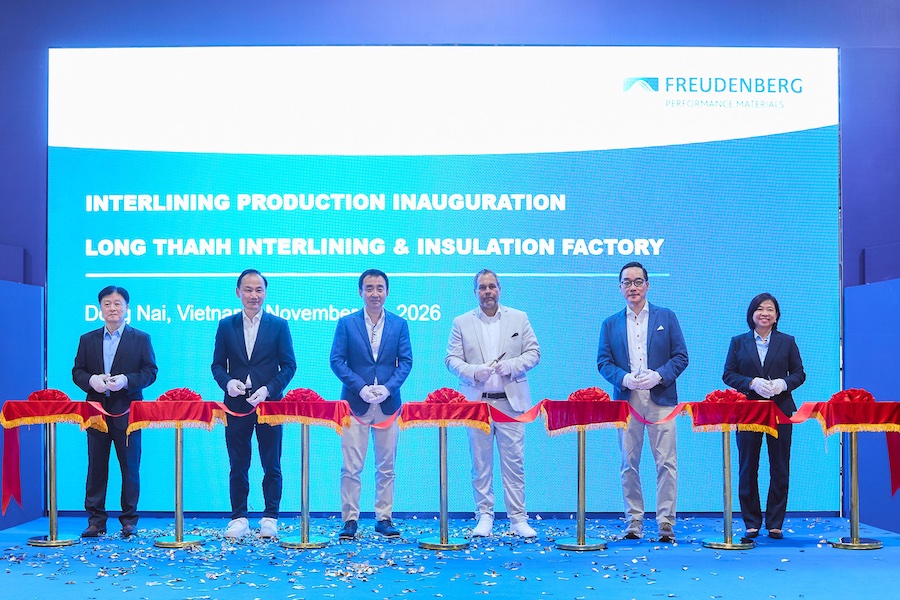
Freudenberg Performance Materials brings interlining production to Vietnam for faster regional supply

Freudenberg Performance Materials Apparel (Freudenberg Apparel) has expanded its manufacturing capabilities in Vietnam with local apparel interlining production at its factory in Long Thanh, Dong Nai. Apparel brands and manufacturers in Southeast Asia can now source both interlinings and comfortemp® thermal insulation from Vietnam, benefiting from shorter lead times, improved supply responsiveness, and consistent quality standards across Freudenberg Apparel’s regional manufacturing network.

#EU Textile Strategy

EURATEX and Egyptian industry groups sign textile cooperation agreement

The European Apparel and Textile Confederation (EURATEX) has signed a memorandum of understanding with the Apparel Export Council of Egypt (AEC), the Textile Export Council of Egypt (TEC) and the Egyptian Exporters Association (EXPOLINK). The agreement sets out plans to help Egyptian manufacturers prepare for EU sustainability requirements, promote investment and strengthen ties between European and Egyptian textile and clothing companies.

#Raw Materials

Cotton Brazil brings producers' perspective to EU textile sustainability debate

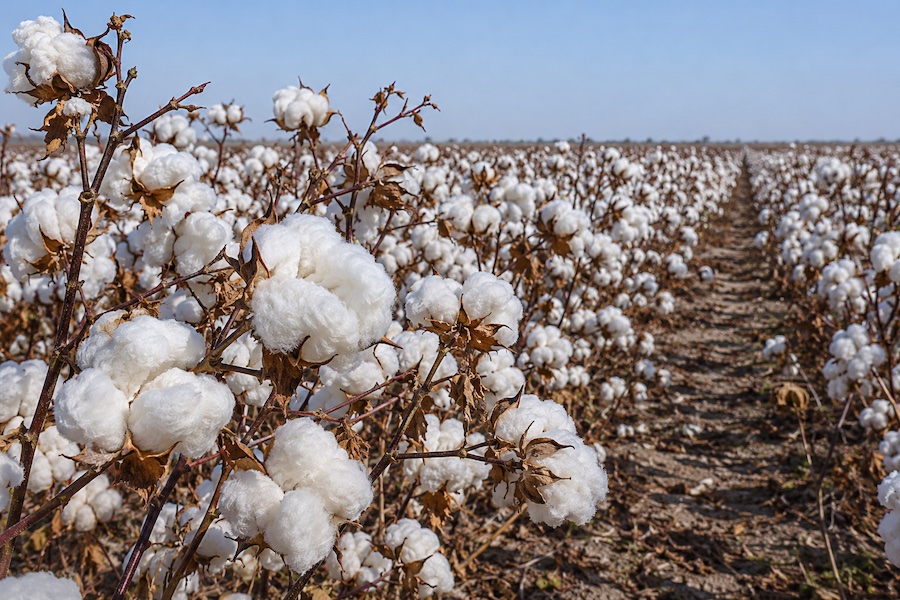
As the European Union develops new sustainability and circular economy policies, Brazilian cotton producers are seeking a stronger voice in the regulatory debate. From 16 to 18 November 2026, Cotton Brazil will hold a series of meetings in Brussels with European policymakers, industry representatives and agricultural stakeholders. The initiative aims to demonstrate how responsible cotton production can contribute to Europe's sustainability ambitions while ensuring that the perspectives of major producing countries are reflected in future policy frameworks.

TOP