[pageLogInLogOut]
USTER Think Quality

#Yarn & Fiber

AMSilk to join panel at SynBioBeta Global Synthetic Biology Conference

AMSilk GmbH (“AMSilk”), the world’s first industrial supplier of bio-fabricated silk protein materials, today announces it will be attending the SynBioBeta Global Synthetic Biology Conference in California from 23-25 May 2023. AMSilk will be introducing its outstanding technology platform, based on silk proteins.

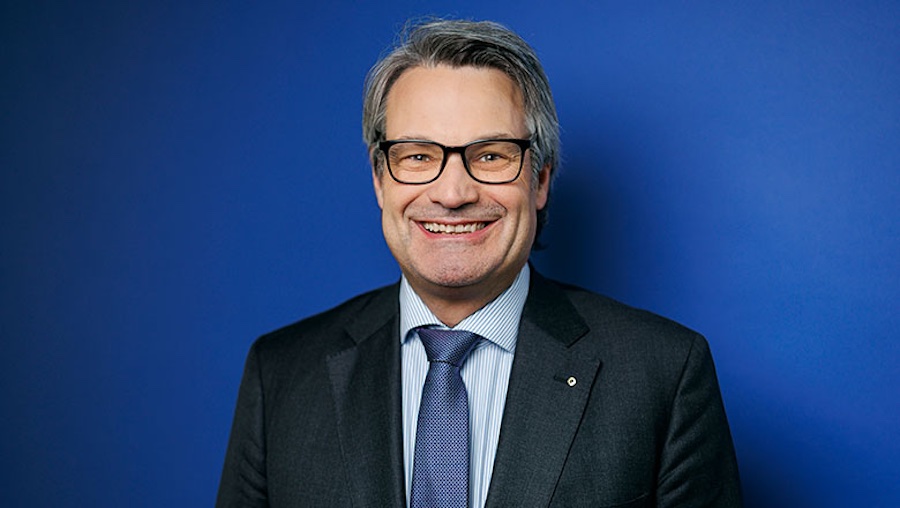
Ulrich Scherbel, Chief Executive Officer of AMSilk will be participating in the ‘Slow Fashion, Fast Biology: What Will it Take For Biology to Compete in the Fashion Industry?’ panel session at 1.45pm PT on 24 May in Room 202.

There is an ever-increasing demand and need for sustainable material alternatives. Today AMSilk is a world leader in supplying innovative smart-performance plant-based raw materials that are fully biodegradable at industrial quantities. AMSilk’s bio-fabricated silk materials are 100% protein, fully biodegradable and do not include any source of micro plastics.

AMSilk’s unique bio-fabrication process reprograms microorganisms to enable them to produce silk proteins that can be converted into usable forms such as powders, hydrogels, fibers, and coatings. This unique fermentation process allows the Company to produce complex proteins in large quantities for various market segments including textiles, medical use or consumer goods.

SynBioBeta is the premier innovation network for biological engineers, innovators, entrepreneurs, and investors who share a passion for using biology to build a better, more sustainable planet.


Ulrich Scherbel, Chief Executive Officer of AMSilk, said: “We look forward to introduce AMSilk at such a world leading conference, and connecting with the community of bioindustrials pioneers discussing solutions that will transform society and our planet. AMSilk’s unique high-tech bio-fabrication process allows us to adapt manufacturing as required, ranging from textiles to cosmetics, food and medical grade, providing smart biotech materials for everyday. I look forward to participating in the panel and discussing how to speed up bio-based textile innovation and paths to market while also communicating the value of slowing down.”

Ulrich Scherbel, Chief Executive Officer and Isabel Rosenberger, Marketing and Communications, will be at the conference for the three days. Please get in touch if you would like to connect with them, or pop by the stand and say hello.

More News from TEXDATA International

#Digital Printing

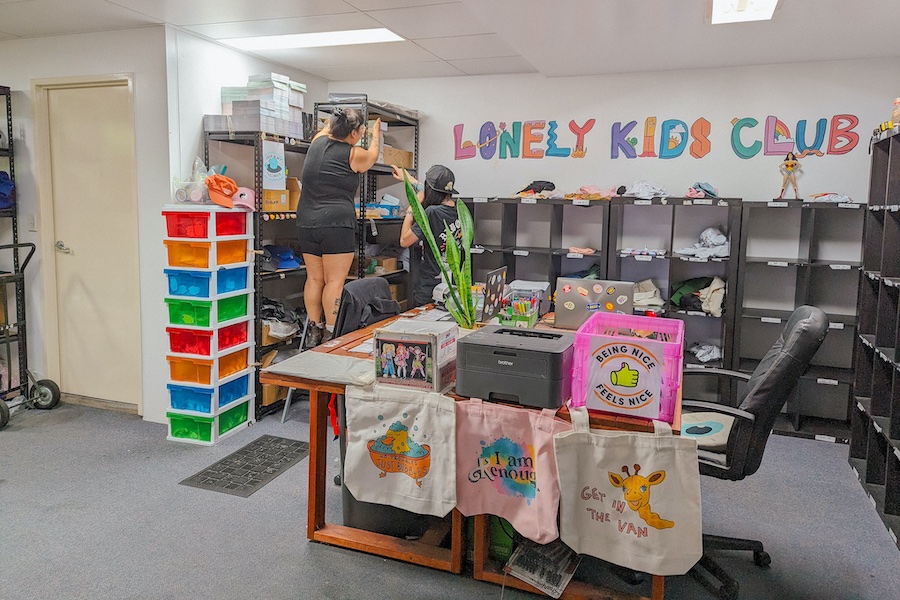
From a bedroom startup to 3,000 designs: How Lonely Kids Club built its business with DTG printing

Founded in Sydney in 2011, independent clothing label Lonely Kids Club has grown from a bedroom startup into a business offering around 3,000 graphic T-shirt designs. With its own production studio, direct-to-garment printing and a demand-driven manufacturing model, the company demonstrates how smaller apparel brands can combine creative independence with flexible production – while navigating the everyday challenges of quality control, workflow efficiency and sustainability.

#India ITME 2026

India’s textile industry: Current position, growth targets and industrial development

With ambitious export targets, major investments in manufacturing infrastructure and new international trade agreements, India is pursuing a comprehensive development strategy for its textile and apparel industry. An overview of the industry’s current position, government initiatives, progress achieved and challenges ahead.

#Weaving

“A complex design is only useful if the machine can reproduce it consistently”

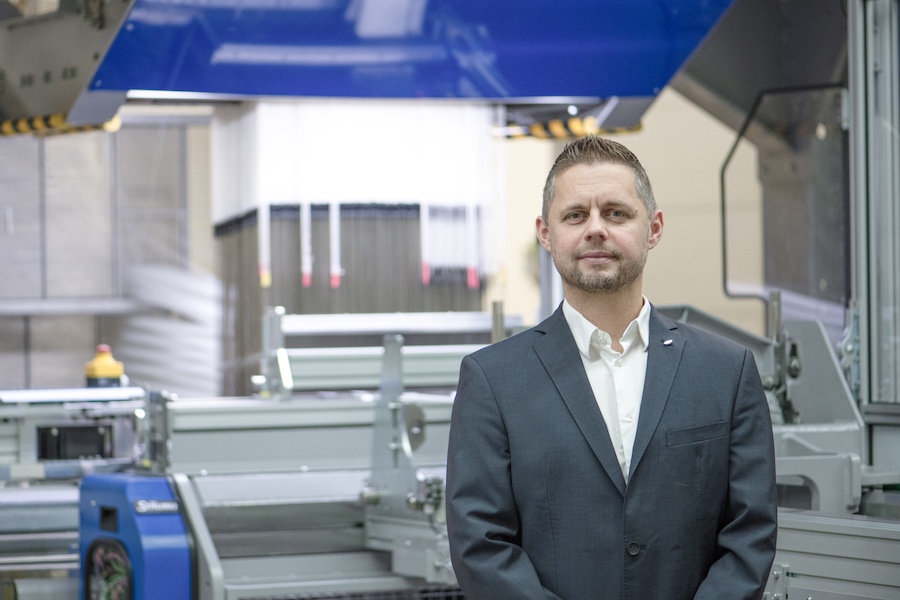
Andreas Schnabel, Head of R&D for Technical Weaving Systems at Stäubli, discusses how 3D weaving can create textile reinforcements tailored to the loads within a composite component, where near-net-shape weaving can reduce processing steps and material waste, and what it takes to produce complex structures reliably and economically. He also explains how manufacturers can adapt Stäubli’s modular TF weaving platforms to new applications and how the company’s centre of excellence in Bayreuth supports the transition from research to industrial production.

#India ITME 2026

India ITME 2026: Textile technology meets India's investment ambitions

With ambitious growth targets, government incentive programmes and industrial development initiatives already underway, India is preparing for the next stage of its textile transformation. Against this backdrop, the 12th India ITME, taking place in Greater Noida from 4 to 9 December 2026, arrives at a particularly important moment for machinery manufacturers and textile producers alike.

More News on Yarn & Fiber

#India ITME 2026

Uster to present novel solutions at India ITME 2026

Tackling contamination is a critical quality target in yarn production – and Uster now enables spinners to make the right choices for optimized profitability, with top technology, precise data and integrated analysis across the entire process. The new Uster Contamination Control solution and latest Uster Vision Shield 3i put spinners in command of contaminant removal, ensuring yarn quality, minimizing waste and protecting profits. These exciting developments – and even more news – will be featured at India ITME 2026.

#Man-Made Fibers

Lenzing improves profitability as strategic transformation gains momentum

The Lenzing Group reported improved operating profitability in the first nine months of 2026 despite declining revenue and a challenging market environment. Revenue decreased by 2.3 percent to EUR 1.93 billion, while adjusted EBITDA remained stable at EUR 353 million. The adjusted EBITDA margin increased from 17.9 percent to 18.3 percent, reflecting progress in the company's strategic transformation under its “Grow Nonwovens. Reset Textiles.” strategy.

#Recycled Fibers

C&A and Zalando join Altag® Fiber Club to accelerate adoption of agricultural waste-based fibres

Fashion for Good and AltMat announced today that C&A and Zalando have joined the Altag® Fiber Club as its first brand signatories, marking a critical commercial milestone in the journey to mainstream adoption of next-generation fibres derived from agricultural waste.

#Man-Made Fibers

Kraig Biocraft Laboratories launches performance yarn development program based on spider silk

Kraig Biocraft Laboratories has launched a development program for high-performance yarns based on its recombinant spider silk technology. The initiative follows the company's first commercial shipment of a custom spider silk yarn to a performance apparel customer and includes the delivery of spider silk samples to a textile technology company with experience in aerospace-related material development.

Latest News

#ITMA Asia + CITME 2026

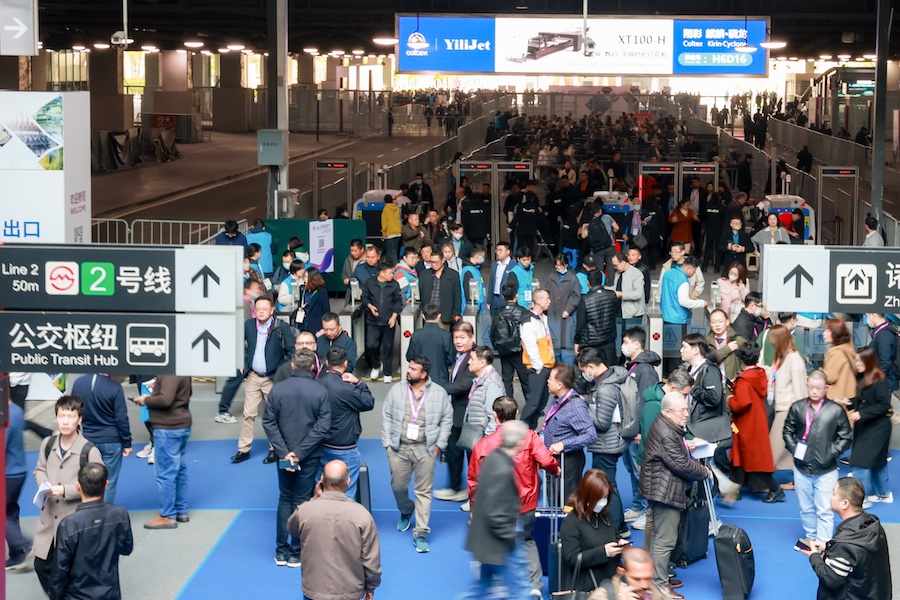
ITMA ASIA + CITME 2026 opens in Shanghai, showcasing intelligent and sustainable textile manufacturing

ITMA ASIA + CITME 2026 opened today at the National Exhibition and Convention Center in Shanghai, bringing the global textile machinery industry together from 20 to 24 November.

#Associations

Christoph René Holler to succeed Uwe Mazura as managing director of textil+mode

Christoph René Holler will take over as managing director of textil+mode, the German textile and fashion industry confederation, on 1 January 2027. He succeeds Uwe Mazura, who has led the association for 13 years and will remain in charge of collective bargaining policy through the next round of negotiations before retiring.

#Heimtextil 2027

Heimtextil and The Florentin showcase the role of textiles in hotel design

Heimtextil has partnered with Frankfurt hotel The Florentin by Althoff Collection for its new Interior.Architecture.Hospitality campaign. The collaboration will give architects, interior designers and other contract-sector professionals a closer look at how textiles were used in the hotel. The two studios behind the project will discuss their work at Heimtextil on 14 January 2027 in Hall 4.1.

#EU Textile Strategy

EU Commission proposes advanced materials agenda with targets for 2035

The European Commission has proposed an Advanced Materials for Europe agenda to accelerate the development, production and adoption of safer and more sustainable advanced materials. The proposal sets three benchmarks for 2035 and calls for closer coordination among EU member states to help move new materials from the laboratory into industrial production.

TOP