[pageLogInLogOut]
USTER Think Quality

#Yarn & Fiber

Radici EcoMaterials means 360-degree sustainability

A little over three years have passed since RadiciGroup announced the acquisition of Zeta Polimeri, an Italian company headquartered in Buronzo (VC) with over 30 years' experience in the recovery of pre- and post-consumer synthetic fibres and thermoplastic materials. Today, the company has become a full member of the Group with its new name Radici EcoMaterials Srl.

A recycling production site offering the market traceable, high-quality, environmentally friendly materials

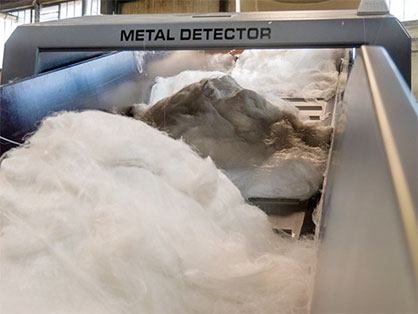
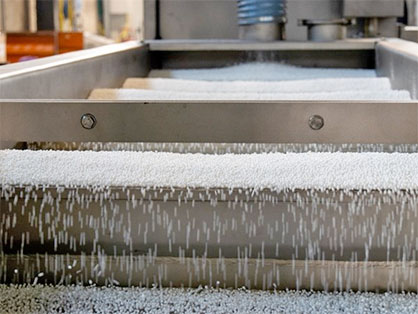
The name quite aptly describes the nature of the company’s activities: indeed, Radici EcoMaterials occupies a position in RadiciGroup at the forefront of the recycling field, thanks to its cutting-edge technology that optimizes its high value-added sorting and recovery processes. The new company’s long-standing know-how, combined with RadiciGroup’s as a whole, will create a virtuous production system that recovers worn-out materials (fabric, yarn and granules), or otherwise unusable materials, and processes them into raw materials available for other production cycles by taking advantage of industrial synergy.
© 2023 Radici Group
© 2023 Radici Group


“This is truly a circular economy business,” Angelo Radici, president of RadiciGroup,emphasized. “We collect scraps and waste from our Group plants, as well as from external companies, and determine the most appropriate recycling destinations. RadiciGroup has already had some forty years of experience in recovering post-industrial waste from all its processing activities and giving it a second life in the world of engineering polymers. Now, with the expertise of Radici EcoMaterials, we can also produce recovered materials of very high quality, nearly equal to virgin raw materials, ready to be used by our spinning lines to manufacture products that meet the textile market’s demand for low-emission, sustainable products.”

Radici EcoMaterials is a strategic production site because it handles all the preliminary recovery stages: the sorting, processing and pre-treatment of materials, including those used for the production of post-consumer yarns and engineering polymers. In this sense, Radici EcoMaterials is fully in line with the most recent European policies on sustainable textiles, which address minimizing the share of materials destined for disposal sites, favouring instead more structured recycling solutions.


“We can call our strategy a 360-degree approach to sustainability,” Maurizio Radici, vice president of RadiciGroup, added. “In fact, owing to Radici EcoMaterials, we can now handle both pre- and post-consumer recovery activities and optimize the materials in a “zero waste” operation. During the last few months, we have also invested in new technologies to further improve the quality of the products headed for our spinning lines – for both carpeting and textile applications – and to double the production capacity of the site.”
© 2023 Radici Group
© 2023 Radici Group


Radici EcoMaterials is also GRS certified. GRS certification ensures the complete traceability of its materials, which are made in a safe plant that meets the highest environmental and social certification standards.

The company is also equipped with a state-of-the-art photovoltaic system and, for the portion of its energy needs not covered by the photovoltaic source, it partially relies on renewable energy. The goal is to use 100% green energy in the next few years, in accord with RadiciGroup's goals.
More News from Radici Partecipazioni SpA

#Recycled Fibers

Recycling mixed-fibre garments becomes a reality: RadiciGroup, The LYCRA Company and Triumph take circular fashion a step forward

The process, which is both economically and environmentally sustainable, has enabled the production of an underwear set made from 100% recycled nylon and LYCRA® fibre in a closed-loop system.

#Sustainability

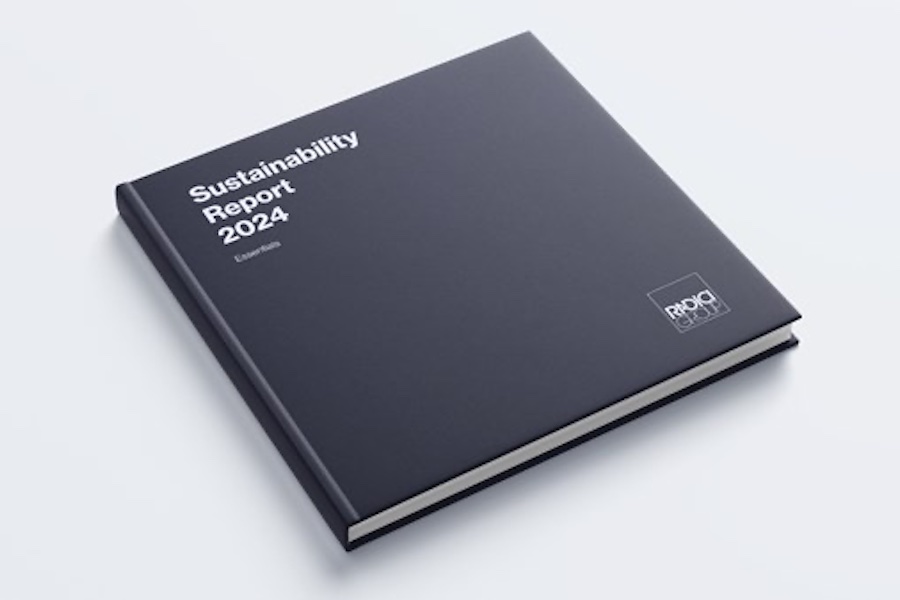
RadiciGroup: 21st Sustainability Report published

RadiciGroup has published its 21st Sustainability Report, covering the year 2024, confirming more than two decades of transparency and measurement in the economic, environmental, and social dimensions. From its first Social Report in 2004 to the current reporting aligned with the GRI Universal Standards, the Group is now preparing for its next challenge: the adoption of the criteria that will be set out by the Corporate Sustainability Reporting Directive (CSRD).

#Recycling / Circular Economy

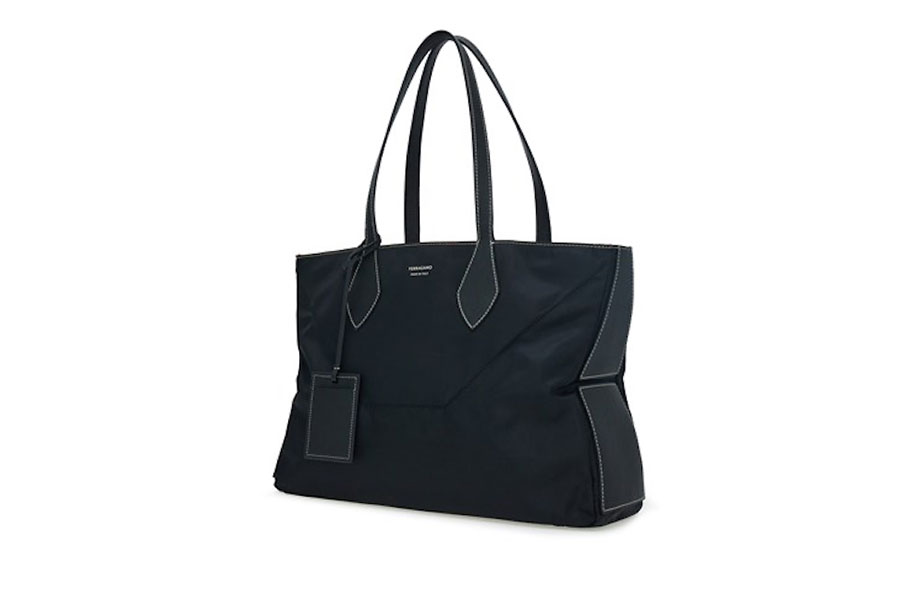
RadiciGroup and Ferragamo team up for an eco-design project under the Monitor for Circular Fashion initiative

RadiciGroup, a leading player in sustainable textile solutions, has partnered with Ferragamo to develop “Nova – The evolution of a Star”, an eco-design project that reimagines one of the Maison’s iconic handbags through the lens of circularity.

#Yarn & Fiber

Twenty years of Sustainability Report for RadiciGroup

The RadiciGroup Sustainability Report reaches an important milestone this year: twenty years have in fact passed since the Group published its first Social Report in 2004, qualifying it as one of the pioneering companies in the realisation of voluntary non-financial reporting. The document measures the Group’s achievements and the actions it has taken to reduce its environmental impact, respect social values, and implement good business management practices.

More News on Yarn & Fiber

#Man-Made Fibers

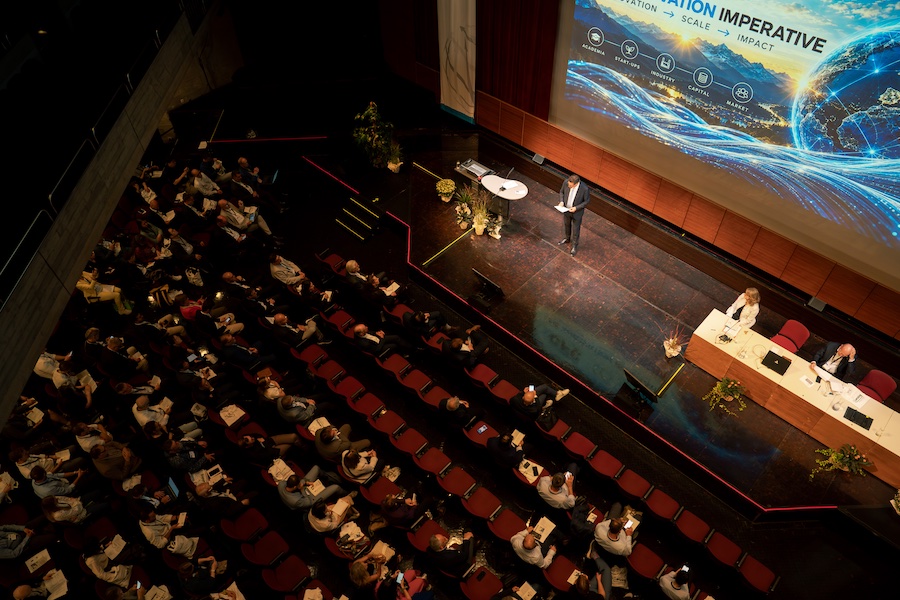
Dornbirn GFC 2027 launches call for papers with a focus on industrial and market impact

The Dornbirn Global Fiber Congress (Dornbirn GFC) has launched its call for papers for the 66th edition of the international conference, which will take place from 14 to 16 September 2027 in Dornbirn, Austria. Under the theme “From innovation to industrial & market impact”, the congress will focus on six key topics, addressing technological innovation, industrial implementation and emerging market opportunities across the fibre and textile value chain. Researchers, developers and companies are invited to submit their presentation proposals by 15 February 2027.

#India ITME 2026

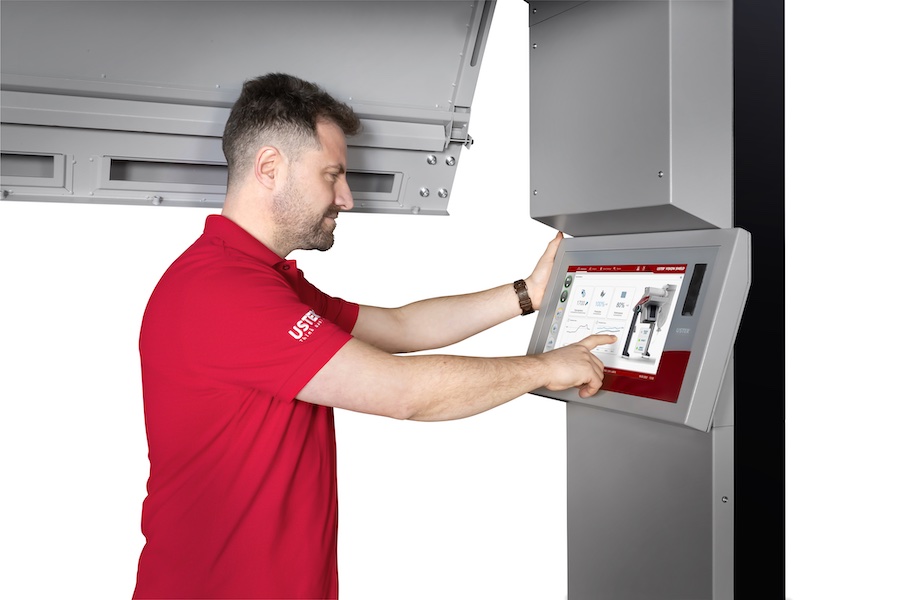
Uster to present novel solutions at India ITME 2026

Tackling contamination is a critical quality target in yarn production – and Uster now enables spinners to make the right choices for optimized profitability, with top technology, precise data and integrated analysis across the entire process. The new Uster Contamination Control solution and latest Uster Vision Shield 3i put spinners in command of contaminant removal, ensuring yarn quality, minimizing waste and protecting profits. These exciting developments – and even more news – will be featured at India ITME 2026.

#Man-Made Fibers

Lenzing improves profitability as strategic transformation gains momentum

The Lenzing Group reported improved operating profitability in the first nine months of 2026 despite declining revenue and a challenging market environment. Revenue decreased by 2.3 percent to EUR 1.93 billion, while adjusted EBITDA remained stable at EUR 353 million. The adjusted EBITDA margin increased from 17.9 percent to 18.3 percent, reflecting progress in the company's strategic transformation under its “Grow Nonwovens. Reset Textiles.” strategy.

#Recycled Fibers

C&A and Zalando join Altag® Fiber Club to accelerate adoption of agricultural waste-based fibres

Fashion for Good and AltMat announced today that C&A and Zalando have joined the Altag® Fiber Club as its first brand signatories, marking a critical commercial milestone in the journey to mainstream adoption of next-generation fibres derived from agricultural waste.

Latest News

#India ITME 2026

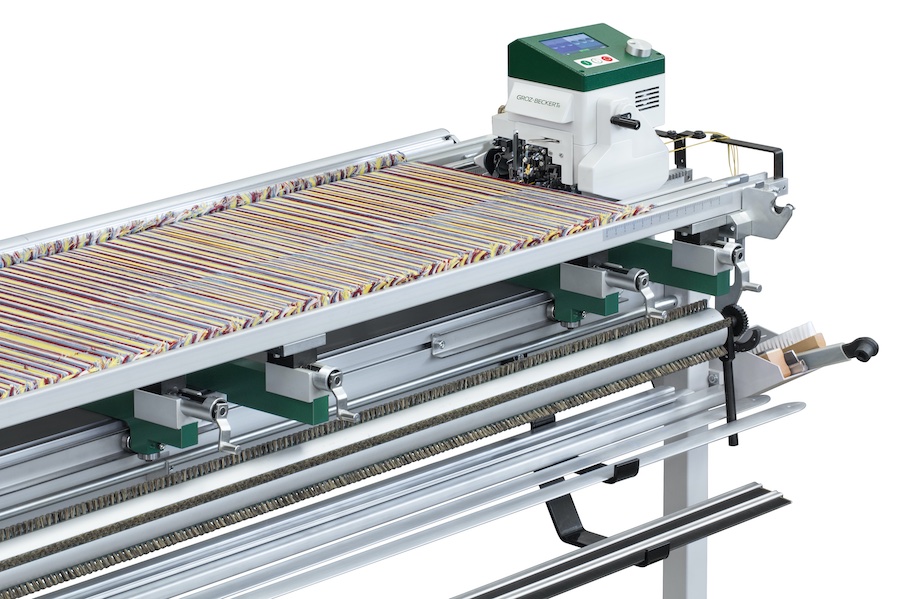
Groz-Beckert targets energy efficiency, productivity and process reliability across six textile technology sectors at India ITME 2026

At India ITME 2026 in Greater Noida from 4 to 9 December, Groz-Beckert will present its latest innovations across all six product areas – Knitting, Weaving, Nonwovens, Sewing, Tufting and Spinning. At Hall 14, Booth B6, the German textile technology specialist will showcase advanced components, systems, services and digital solutions designed to improve energy efficiency, productivity, process reliability and textile quality while addressing the increasingly diverse requirements of modern textile manufacturing.

#Knitting & Hosiery

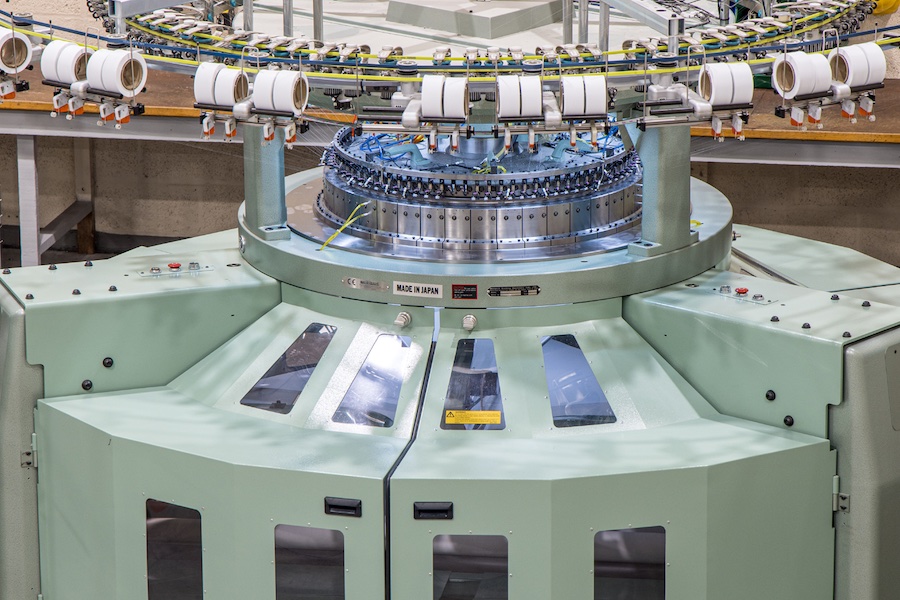
Monarch extends its Woven Look knitting technology from mattress ticking to apparel and performance textiles

A fabric technology originally developed to reproduce the appearance of woven mattress ticking by Monarch Knitting Machinery, a member of the British Textile Machinery Association (BTMA), is finding new applications in apparel. With the introduction of its 36-gauge OD5B-M-7ED44 double-knit machine, Monarch is expanding the possibilities for producing fine knitted structures that closely resemble woven textiles while retaining the stretch and comfort associated with knitting.

#Textiles & Apparel / Garment

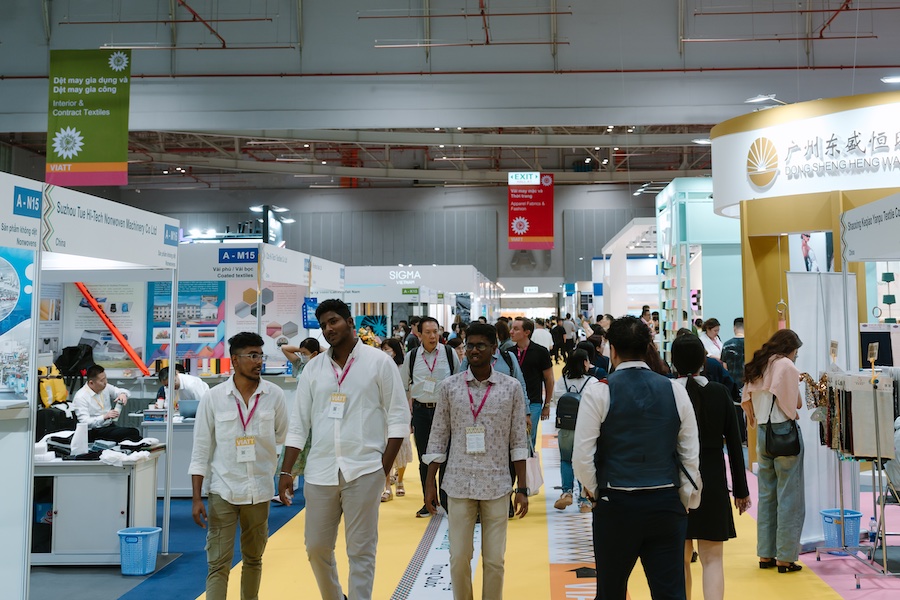
VIATT 2027 names Thailand as its inaugural Partner Country

Thailand will take centre stage as the inaugural Partner Country at the Vietnam International Trade Fair for Apparel, Textiles and Textile Technologies (VIATT), returning to Ho Chi Minh City from 24 to 26 February 2027. Featuring a pavilion, dedicated product displays and various fringe events, the Partner Country programme will showcase Thailand’s textile and fashion capabilities, complementing an exhibitor line-up spanning VIATT’s three sectors. Alongside this new cooperation, eight additionally confirmed country and region pavilions and zones are set to strengthen the fair’s international offering.

#Recycling / Circular Economy

IVGT presents initial findings from the Erasmus+ project Skills4Circularity

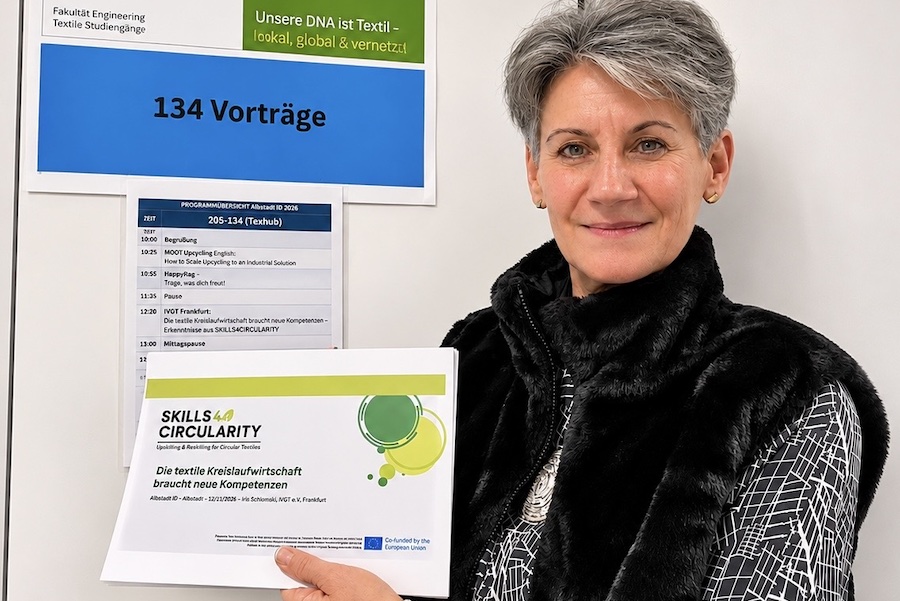
At Albstadt ID 2026, hosted by Albstadt-Sigmaringen University of Applied Sciences, IVGT project manager Iris Schlomski presented initial findings from Skills4Circularity on 12 November 2026. She opened her presentation with an estimate from the European Environment Agency: the EU generated around seven million tonnes of textile waste in 2022. The Erasmus+ project brings together 21 partners from twelve countries to identify the skills textile and clothing professionals need to design more durable products, use fewer resources in production and recover fibres after use.

TOP