[pageLogInLogOut]

#Yarn & Fiber

VEOCEL™ Insights: Eco-friendly parenting is driving demand for sustainable baby products

© 2021 VEOCEL™
The VEOCEL™ certification criteria, introduced in July 2019, enables consumers to easily identify personal care products that are made from 100% cellulosic and biodegradable fiber materials by simply referring to the VEOCEL™ brand logo on the packaging. For parents, who are increasingly looking to purchase products which are better for the environment, this certification provides them with the peace of mind that they are reducing their environmental burden – especially as hygiene and personal care products such as baby wipes have become a key part of many parents’ daily lives as a result of the COVID-19 pandemic.

To understand more about the growing theme of eco-friendly parenting, we sat down with Jeff De Gruttola, Head of Business Development Nonwovens, Americas Europe Middle East and Africa, Lenzing AG, in this segment of the VEOCEL™ Insight Series.

---

Q: Eco-friendly parenting is a trending theme among families. How is the nonwovens industry adapting to cater for this new generation of environmentally conscious parents?

Jeff: A baby usually needs around 6,000 diapers and 25,000 wet wipes until it is potty-trained at the age of two and a half years old. The damage that this has on the environment can be minimized by parents consciously selecting the type of materials on their baby’s changing table.

Eco-friendly parenting is a lifestyle that is growing in popularity, leading to an increasing demand for sustainable baby products. This concept is about making healthy choices that are organic, natural, and with minimum environmental impact.

To address such consumer demand, using sustainable materials and offering transparency of the raw materials used in baby products are the key measures to ensure that parents are making informed purchase decisions. The VEOCEL™ brand, which offers fibers derived from sustainable wood sources, is dedicated to encouraging our customers and brand partners to offer more eco-conscious products to consumers, building a more sustainable future together.

For example, our baby wipe launch in collaboration with Coterie aims to encourage consumers to take another step towards committing to a more environmentally friendly future for our children. Coterie is currently the only baby wipes brand in the US to include the VEOCEL™ brand logo in its packaging, an important indicator that the product is made from 100% cellulosic and biodegradable fiber materials. Both brands place high importance on transparency around materials and ingredients, while the VEOCEL™ logo acts as a label of trust for eco-conscious consumers, creating an important benchmark for the industry as a whole.

With VEOCEL™ branded fibers confirmed by the European Commission’s Single-Use Plastics Directive in June 2021 as sustainable alternatives to single-use plastics in many everyday applications, the brand envisions new business opportunities not only in the EU but around the world. We hope the Directive will encourage brands and business partners to re-evaluate global best practices and switch to more eco-friendly alternatives, such as VEOCEL™ branded Lyocell fibers and we believe the demand for sustainable non-plastic nonwovens from renewable sources will continue to increase.

Q: What intrinsic benefits do VEOCEL™ branded fibers have which make them perfect for use in baby skin?

Jeff: Wet wipes are above all a mostly essential helper in the case of baby care. However, a lot of consumers don’t realize that many conventional wet wipes contain a lot of plastic.

In contrast, wet wipes that are made of VEOCEL™ branded fibers, are free of plastic, guaranteed to be of botanic origin, gentle on skin yet have high tensile strength making it especially useful in baby wipes where thorough cleanliness is needed to give the user confidence. They also combine the safety, hygiene, and convenience of single-use wipes with a sustainable environmental footprint parents can feel good about.

The recently launched Coterie baby wipes, which are made from environmentally responsible VEOCEL™ Lyocell fibers, are setting new industry standards for sustainable design as their cutting-edge cellulosic fibers - including natural absorbency, liquid distribution, biodegradability, and versatility - mean the fabrics show tremendous durability in both a dry and wet state.

Separately, we have put in place innovative technologies which serve as an additional benefit to the properties of VEOCEL™ fibers and aim to make parent’s lives easier. For example, our Eco Disperse technology enables VEOCEL™ branded lyocell fibers within flushable moist toilet tissues to disintegrate and be biodegradable. The unique fiber properties of lyocell fibers enhance moist toilet tissues to be strong when in use, yet naturally disintegrate after flushing. Due to their biodegradability, VEOCEL™ Lyocell fibers do not contribute to water pollution and the microplastic problem caused by synthetic materials.

In addition, the Eco Lace technology allows producers to adjust the strength of 100% cellulosic wipes made from VEOCEL™ Lyocell fibers in a blend with wood pulp. Wet wipes produced using this technology are characterized by strong resistance to stretching in both directions – such as when pulled out of a dispenser – making it extremely convenient for parents who are going through mountains of wet wipes a day. Furthermore, the wipes are free from synthetic and fossil-based fibers as well as adhesives, making them a sustainable choice for eco-conscious consumers.


In April 2021 we launched the nonwovens industry’s first carbon neutral VEOCEL™ branded fibers. This offering is a step forward for the brand to achieve carbon neutrality, as well as encouraging the industry to drive progress towards a carbon-zero future. Our aim here is to support nonwovens industry partners and product brands to reduce climate impact by using fibers with a net-zero footprint.

Q: Beyond eco-friendly baby wipes, what other steps can parents take to reduce their environmental footprint?

Jeff: The low-waste lifestyle is gaining traction amongst many eco-conscious mums and dads, and there are many ways that they can look to further reduce the amount of waste in their household. For some parents, that might mean using a secondhand changing table. With a little luck you will find the model you prefer within your group of friends, at a flea market, or in online small ads. Buying secondhand saves resources in terms of production and packaging and takes the load off waste disposal companies – and it also saves money.

If you want to minimize your environmental footprint, less is more when it comes to baby products and that includes the packaging it comes in. You can save resources and reduce the mountains of plastic waste by your choice of material and applying the secondhand principle: since many things are only in use for a short time, they can ideally be given to someone else and used again. In addition, using products which feature VEOCEL™ branded lyocell fibers with Eco-Cycle technology helps to drive sustainability and circularity in the nonwovens industry. The technology involves the upcycling of a substantial proportion of pre-consumer cotton scraps, e.g. from garment production, and mixing with sustainably sourced wood pulp, to produce pure new virgin VEOCEL™ branded lyocell fibers for nonwovens applications. The 6,000 diapers I mentioned earlier highlight the fact that the selection of diapers is one of the most important things in terms of environmental protection. Ecological-disposable diapers made partly of replenishable raw materials are also now available and are particularly well suited to babies with a sensitive skin.

More News from Lenzing

#Denim

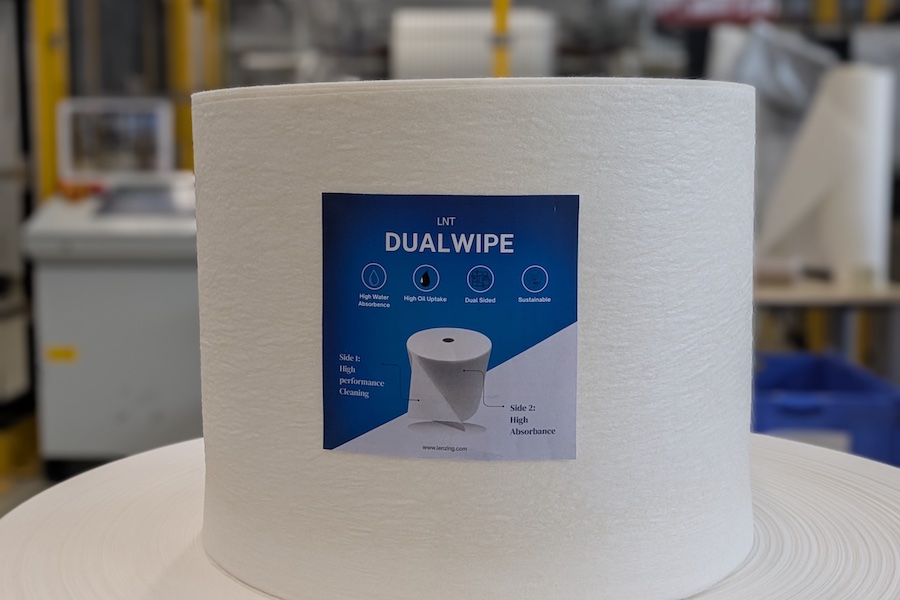
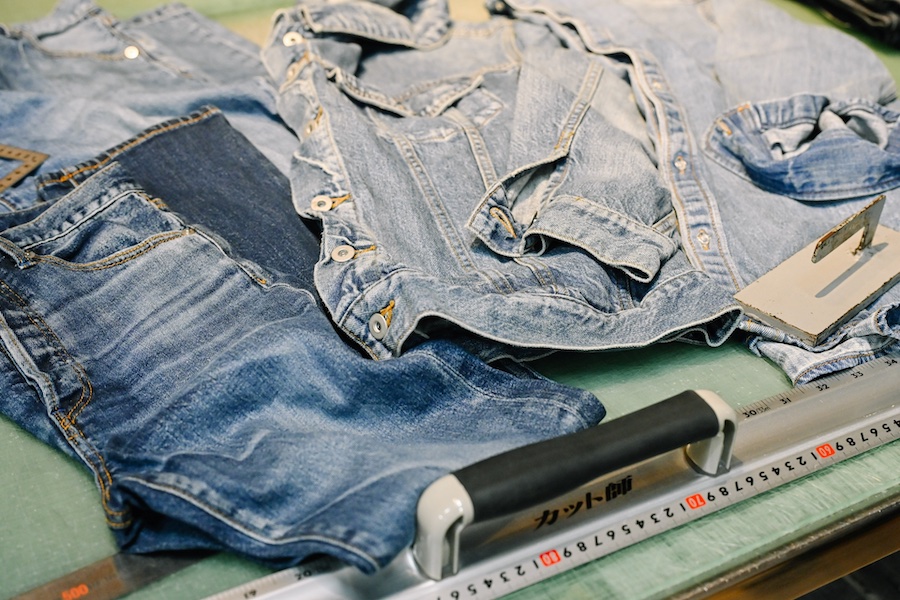
TENCEL™ Lyocell - HV100 achieves global denim availability in six months; Vol. 2 debuts at Kingpins Amsterdam

When TENCEL™ Lyocell - HV100 debuted at last year’s Kingpins Amsterdam in October, 17 mill partners across five countries presented fabrics featuring the new fiber. Just six months on, participation has more than doubled, evolving into a global network that spans nine countries and four continents, signaling both strong industry momentum and growing demand.

#Techtextil 2026

Lenzing unveils three-tier cellulosic fiber portfolio for next generation protective wear

The Lenzing Group, a leading supplier of regenerated cellulosic fibers for the textile and nonwovens industries, today introduces Lenzing Solutions for Protective Wear. This integrated three-tier portfolio is anchored by LENZING™ FR fibers at the highest protection tier for inherent flame resistance and brings together complementary solutions including TENCEL™ Lyocell fibers, both EU Ecolabel-certified² and derived from certified or controlled wood sources³, within a unified protective wear architecture for the first time. The launch marks the most significant expansion of Lenzing’s protective wear business since the company pioneered inherently flame-resistant cellulosic fiber in 1977, and comes as the global personal protective equipment (PPE) market accelerates toward an estimated USD 130 billion by 2033⁴.

#Man-Made Fibers

Lenzing commissions 14 MW power‑to‑heat facility, strengthening grid stability and heat management

The Lenzing Group has successfully commissioned a new power‑to‑heat (P2H) facility with an electrical capacity of 14 megawatts. The installation converts renewable electricity directly into process heat, is fully integrated into the existing heat network at the industrial site, and represents a key building block for a fossil‑free heat supply. As project partner, VERBUND was responsible for the energy‑market integration and will operate the facility for balancing energy marketing, enabling it to respond flexibly to short‑term fluctuations in the power grid.

#Nonwovens

VEOCEL™ Lyocell production expands to Asia – Launching a new chapter for nonwovens in the region

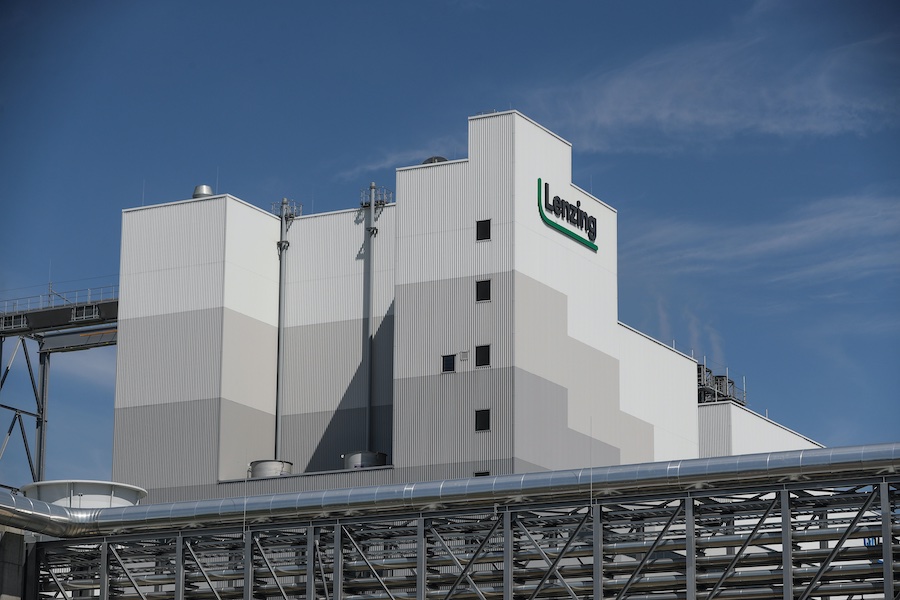
VEOCEL™, Lenzing's flagship specialty nonwovens brand, expands production at its Thai plant in Prachinburi. This is the first-ever production of its nonwoven-grade lyocell fibers in Asia. Built in 2022 with a 100,000-ton annual production capacity, the facility - previously focused on fibers for textile applications - now can directly meet the demand for VEOCEL™’s biodegradable¹, wood-based lyocell fibers for nonwovens products. These fibers are an essential ingredient for high-quality nonwovens products, ranging from baby wipes to facial sheet masks and everyday personal hygiene items.

More News on Yarn & Fiber

#Yarns

From advanced fibres to eco‑focused yarns: Yarn Expo Autumn 2026 set to welcome global industry to Shanghai

From 25 – 27 August, Yarn Expo Autumn 2026 will return to the National Exhibition and Convention Center (Shanghai) to reinforce its role as a key meeting point for the global yarn and fibre industry. With over 22,000 visitors, the previous edition gathered nearly 580 leading exhibitors from 16 countries and regions, showcasing advanced developments and creative applications that support innovative, sustainable textile design. The upcoming edition will not only present an extensive range of fibre and yarn products, but will also feature a comprehensive fringe programme, including industry forums and trend display areas, providing innovative upstream enterprises with a stage to introduce next‑generation materials and sustainable concepts.

#Man-Made Fibers

Indorama Ventures supports Southeast Asia’s textile customers with reliable regional supply and global innovative portfolio

Indorama Ventures, one of the leading global polyester fiber and filament yarn suppliers globally, will participate in Indo Intertex 2026 in Jakarta this April, making its diverse global portfolio available to apparel, home textile, and hygiene customers across Southeast Asia.

#Yarns

Yarn Expo Spring 2026 concludes, connecting buyers with innovative selection of sustainable yarns and fibres

Yarn Expo Spring 2026 wrapped up successfully on 13 March, as a record-high of over 600 exhibitors from 12 countries and regions welcomed more than 25,000 visitors from 113 countries and regions. Held across 27,000 sqm in Hall 8.2 of the National Exhibition and Convention Center (Shanghai), the fair highlighted the textile industry’s accelerating shift toward a lower-impact, more functional future. Exhibitors presented eco-friendly organic, regenerated and recycled yarns and fibres, alongside innovative options such as sweat-resistant and high-performance materials. A comprehensive fringe programme further enriched the event, offering practical market insights and new networking opportunities.

#Man-Made Fibers

Lenzing advances its transformation: Higher EBITDA, stronger free cash flow and more than EUR 200 million in cost savings

The business performance of the Lenzing Group in 2025 was affected particularly in the second half of the year by external factors such as international tariff measures, subdued demand and declining market prices. As a result, revenue decreased slightly by 2.3 percent to EUR 2.6 billion, primarily due to lower fiber sales volumes and lower prices for fibers and pulp, which were further negatively impacted by currency developments. Nevertheless, thanks to the comprehensive Performance Program, Lenzing was able to improve its operating performance and key financial indicators compared with the previous year.

Latest News

#ITMA Asia + CITME 2026

Visitor registration now open for ITMA ASIA + CITME 2026

As of 24 March, both the number of exhibiting companies and the exhibition space have surpassed all previous editions of the combined exhibition, demonstrating strong confidence in the textile machinery industry within the Chinese market and in Asia as manufacturing hubs.

#Home Textiles

Intertextile Shanghai Home Textiles unveils Trends 2027 alongside new lifestyle zone and product expansion

Intertextile Shanghai Home Textiles – Autumn Edition 2026 will spotlight forward-looking design directions and evolving consumer demand, as the global home and lifestyle market continues to adapt to sustainability priorities, emotional well-being, and diversified living spaces. Taking place from 18 – 20 August 2026 at the National Exhibition and Convention Center (Shanghai), the fair will present its latest trend theme, ‘BREATHE UP!’, developed in collaboration with leading international trend forecaster NellyRodi™ Agency, alongside expanded product categories, and the debut of the Home Textiles Lifestyle Zone.

#ITM 2026

Groz-Beckert brings new knitting, weaving and nonwovens technologies to ITM 2026

From June 9 to 13, 2026, Groz-Beckert will present its latest innovations and solutions across the product areas of Knitting, Weaving and Nonwovens at ITM in Istanbul (Hall 3, Booth 304B).

#ITM 2026

Itema to showcase weaving excellence at ITM 2026

From June 9 to 13, Itema will exhibit at ITM 2026 in Istanbul (Hall 8 – Stand 806D), unveiling a distinctive exhibition concept designed to highlight the Company’s expertise across the entire weaving value chain. For this year’s edition, Itema will introduce an innovative stand experience built around two core areas: advanced weaving and spare parts solutions and an immersive textile gallery featuring fabrics produced by Itema Customers worldwide.

TOP