[pageLogInLogOut]
USTER Think Quality

#Yarn & Fiber

DSM expands Dyneema® fabric offerings through Premium Manufacturing Partnerships with global fabric mills

© 2021 Dyneema
Royal DSM, a global science-based company in Nutrition, Health and Sustainable Living, today announced an exclusive partnership with seven Premium Manufacturing Partners (PMPs) to help expand its Dyneema® fabric offerings.

DSM has enjoyed a long and successful relationship with all of the newly appointed PMPs; including, Hwa Sung International in South Korea, IBQ Fabrics in Spain, Naveena Denim in Pakistan, Feinjersey Group in Austria, VDS Weaving in Belgium, Fuchshuber Techno-Tex in Germany and Gayon New Materials in China. Each of the fabric mills selected met specific criteria related to quality, manufacturing, innovation and processing know-how of both Dyneema® fiber and fabric.

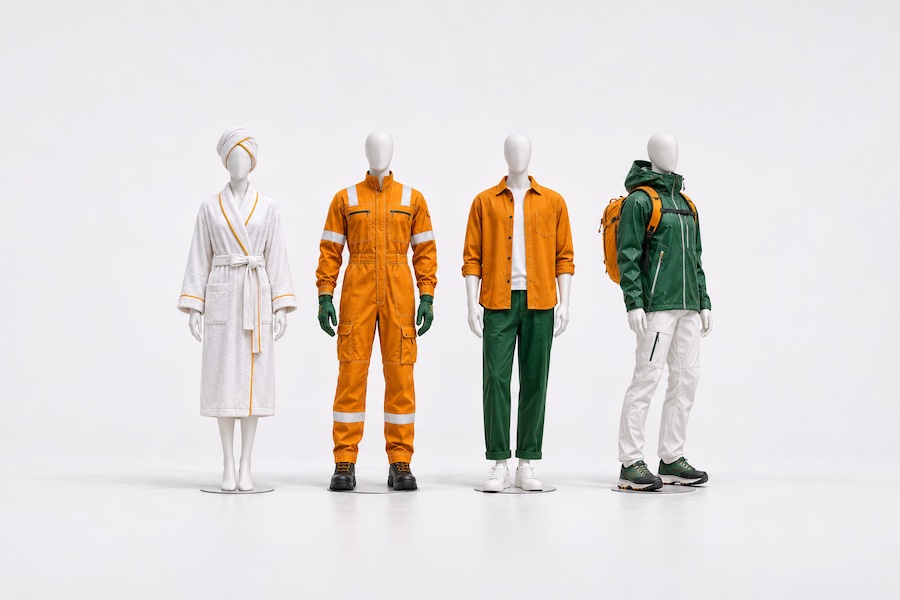
For more than 30 years, Dyneema®, the world’s strongest fiber™, has provided unmatched levels of performance and protection for critical applications. In fabric form, Dyneema® offers extreme strength at weights up to 45 percent lighter than traditional materials like nylon, polyester and aramid. Available as composites, denim, knits, woven and hybrid fabrics for composite reinforcements, Dyneema® fabric is engineered at the molecular level to protect people in their professional and leisurely activities by providing ultra-light, comfortable and durable solutions for apparel, footwear and outdoor applications.

In addition to the intrinsic performance benefits of Dyneema®, the new PMPs will provide operational  advantages to address customer needs, including accessibility to a wide-range of diverse fabric options, increased speed to market, new fabric innovations, world-class capabilities and material processing that meets the strict quality and control requirements of DSM. 


“DSM is excited to expand our relationship, and Dyneema® fabric offerings, with Hwa Sung International, IBQ Fabrics, Naveena Denim, Feinjersey Group, VDS Weaving, Fuchshuber Techno-Tex and Gayon New Materials through the PMP program,” states Marcio Manique, Global Business Director, Consumer & Professional Protection, DSM Protective Materials. “We are confident that our partnership will ensure the continuous growth of our Dyneema® offerings for various end-use markets worldwide and look forward to exploring additional opportunities, including the introduction of more sustainable alternatives with bio-based Dyneema® fiber.”

In line with DSM’s commitment to protect people and the environment they live in, the world’s first ever bio-based HMPE fiber was introduced in 2020. Bio-based Dyneema® boasts the same exact performance as conventional Dyneema® with a carbon footprint that is 90 percent lower than generic HMPE. As of October 1, 2020, DSM switched its entire fabric portfolio to bio-based Dyneema®; helping to create a crucial bridge between today’s linear economy and the desired end-state of a more circular economy.

More News from DSM Dyneema B.V.

More News on Yarn & Fiber

#India ITME 2026

Uster to present novel solutions at India ITME 2026

Tackling contamination is a critical quality target in yarn production – and Uster now enables spinners to make the right choices for optimized profitability, with top technology, precise data and integrated analysis across the entire process. The new Uster Contamination Control solution and latest Uster Vision Shield 3i put spinners in command of contaminant removal, ensuring yarn quality, minimizing waste and protecting profits. These exciting developments – and even more news – will be featured at India ITME 2026.

#Man-Made Fibers

Lenzing improves profitability as strategic transformation gains momentum

The Lenzing Group reported improved operating profitability in the first nine months of 2026 despite declining revenue and a challenging market environment. Revenue decreased by 2.3 percent to EUR 1.93 billion, while adjusted EBITDA remained stable at EUR 353 million. The adjusted EBITDA margin increased from 17.9 percent to 18.3 percent, reflecting progress in the company's strategic transformation under its “Grow Nonwovens. Reset Textiles.” strategy.

#Recycled Fibers

C&A and Zalando join Altag® Fiber Club to accelerate adoption of agricultural waste-based fibres

Fashion for Good and AltMat announced today that C&A and Zalando have joined the Altag® Fiber Club as its first brand signatories, marking a critical commercial milestone in the journey to mainstream adoption of next-generation fibres derived from agricultural waste.

#Man-Made Fibers

Kraig Biocraft Laboratories launches performance yarn development program based on spider silk

Kraig Biocraft Laboratories has launched a development program for high-performance yarns based on its recombinant spider silk technology. The initiative follows the company's first commercial shipment of a custom spider silk yarn to a performance apparel customer and includes the delivery of spider silk samples to a textile technology company with experience in aerospace-related material development.

Latest News

#Digital Printing

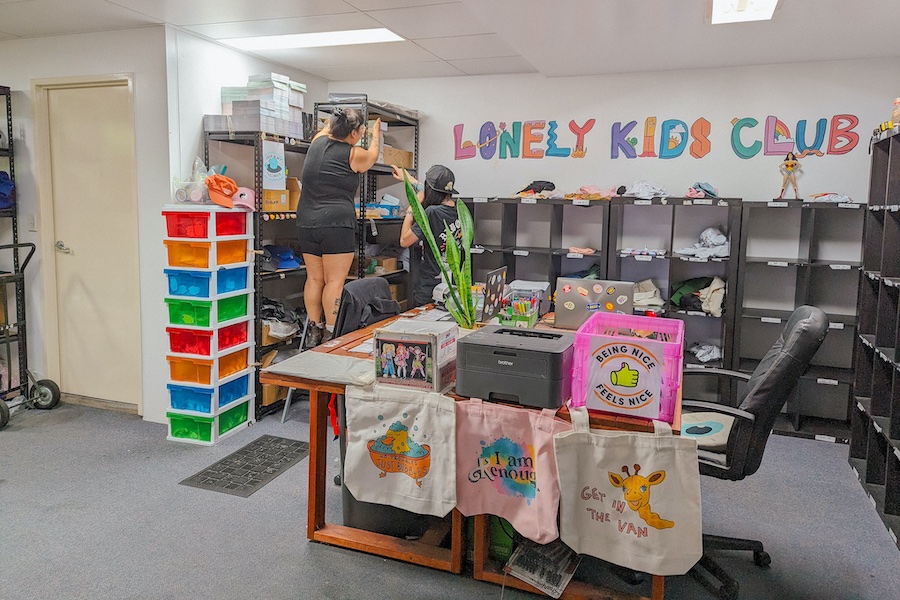
From a bedroom startup to 3,000 designs: How Lonely Kids Club built its business with DTG printing

Founded in Sydney in 2011, independent clothing label Lonely Kids Club has grown from a bedroom startup into a business offering around 3,000 graphic T-shirt designs. With its own production studio, direct-to-garment printing and a demand-driven manufacturing model, the company demonstrates how smaller apparel brands can combine creative independence with flexible production – while navigating the everyday challenges of quality control, workflow efficiency and sustainability.

#Recycled Fibers

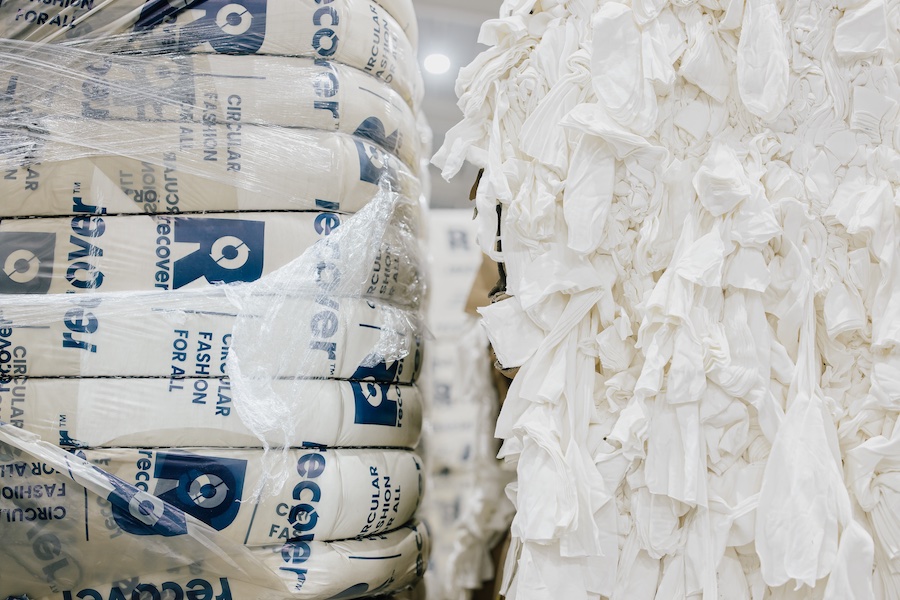
Recover and SUPIMA partner to develop recycled Pima cotton fibers and yarns

Recover and SUPIMA have partnered to turn waste from SUPIMA cotton production into a new line of recycled fibers and yarns. The collaboration will explore how recycled American-grown Pima cotton can be used in a wider range of yarns and garments for the premium market.

#India ITME 2026

India’s textile industry: Current position, growth targets and industrial development

With ambitious export targets, major investments in manufacturing infrastructure and new international trade agreements, India is pursuing a comprehensive development strategy for its textile and apparel industry. An overview of the industry’s current position, government initiatives, progress achieved and challenges ahead.

#Weaving

“A complex design is only useful if the machine can reproduce it consistently”

Andreas Schnabel, Head of R&D for Technical Weaving Systems at Stäubli, discusses how 3D weaving can create textile reinforcements tailored to the loads within a composite component, where near-net-shape weaving can reduce processing steps and material waste, and what it takes to produce complex structures reliably and economically. He also explains how manufacturers can adapt Stäubli’s modular TF weaving platforms to new applications and how the company’s centre of excellence in Bayreuth supports the transition from research to industrial production.

TOP