[pageLogInLogOut]

#Weaving

Lindauer DORNIER GmbH welcomes new apprentices and dual-study students
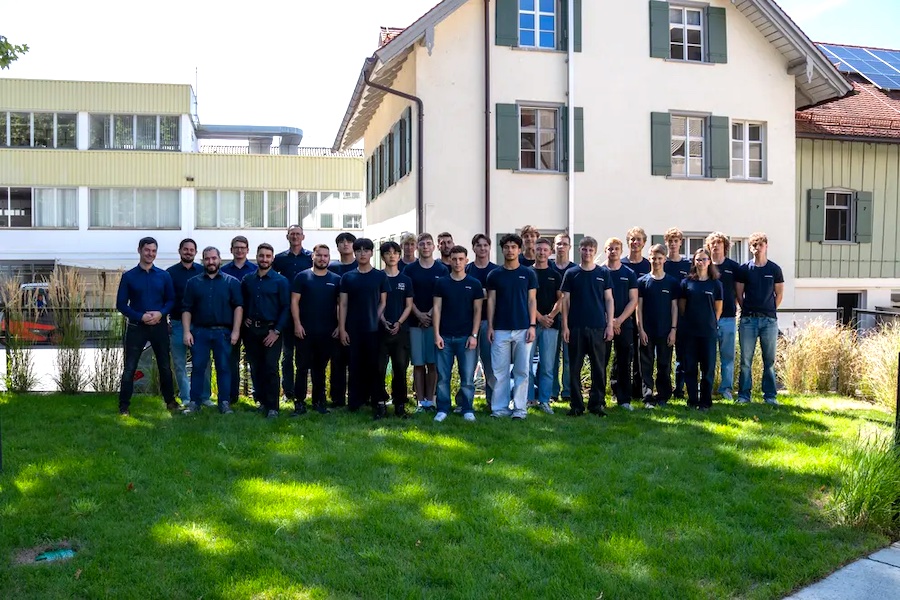
The 22 new apprentices at DORNIER, including three apprentices from regional companies completing their basic metalworking training
For 22 new “DORNIER Talents”, these days mark the beginning of a new chapter at Lindauer DORNIER. For the family-owned company, in-house training is a key pillar in developing skilled professionals and retaining them within the company for the long term.


Alongside professional qualifications, personal development is becoming an increasingly important focus and is specifically supported through mentoring programmes and personal coaching. “It is always impressive to see how young people develop within just a few years. Those who may initially be rather reserved grow into confident individuals who take on responsibility and find their place within the company,” explains Martin Kaeß, Head of technical training at DORNIER.

As a globally active machinery and plant engineering company, international recruitment and training continue to gain importance for DORNIER. Once again, young people from the region and from around the world are beginning their training on Lake Constance, including three apprentices from South Korea. DORNIER supports them, among other things, by providing affordable accommodation in company apartments, helping them settle into life in Lindau. “Our international apprentices integrate extremely well. At the same time, our German apprentices learn how to work with different cultures and overcome language barriers. For us as a globally active company, this is a great added value,” says Kaeß.

DORNIER also carries this international approach beyond day-to-day training through a range of exchange programmes. Korean and German apprentices travel to South Korea together, while further programmes take apprentices to DORNIER subsidiaries in China and the USA. A stay in Norway is also coming up shortly. There, the DORNIER Talents gain practical experience at partner companies from a variety of sectors, for example at a lime works, in shipbuilding, tourism or metalworking companies. “Gaining an insight into other industries is particularly valuable. The apprentices get to know new ways of working and different perspectives and bring many new impressions back with them to Lindau,” explains Kaeß.

Those interested in finding out what training at DORNIER is all about today can experience it first-hand on 15 October 2026. At the DORNIER Talents Day, the company will once again open its doors. Pupils, parents and teachers will have the opportunity to visit the training centre, find out more about apprenticeships and dual-study programmes, and speak directly with apprentices and members of the training team.
More News from Lindauer DORNIER GmbH

#ITMA Asia + CITME 2026

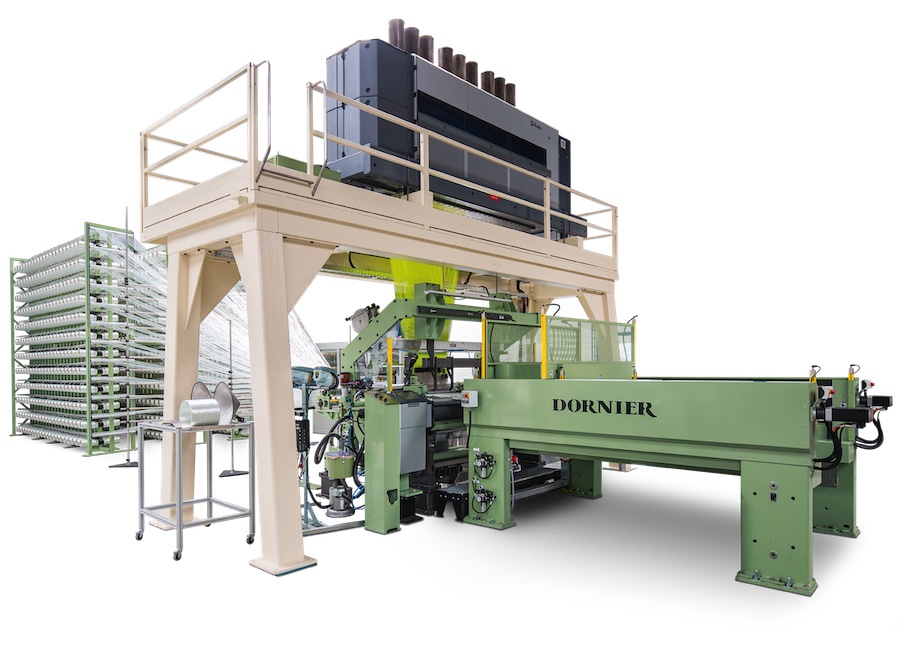
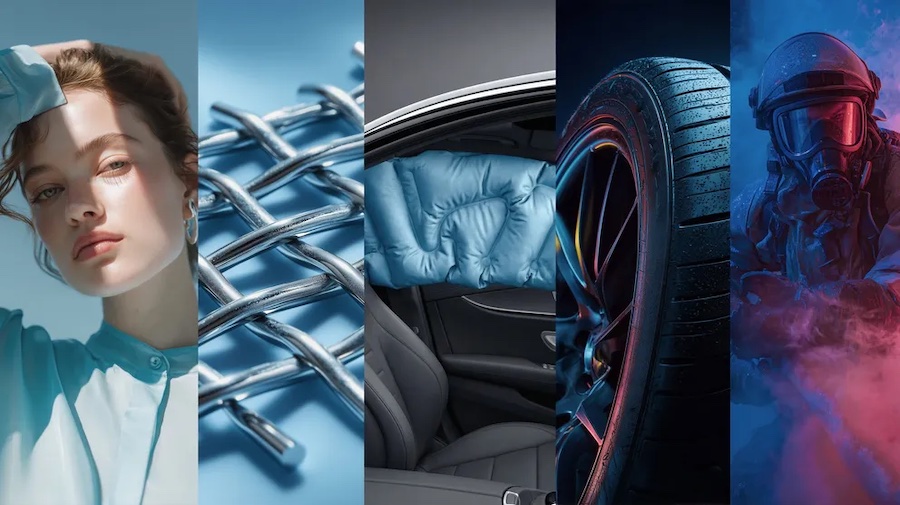
DORNIER highlights airbag, filtration and composite weaving technologies at ITMA ASIA 2026

Lindauer DORNIER will present its latest developments in air-jet and rapier weaving technology for technical textiles at ITMA ASIA + CITME 2026. The German machinery manufacturer will focus on the reliable and efficient production of airbag fabrics, high-density filters and reinforcement textiles for fibre-reinforced composites. Alongside its A2 air-jet and P2 rapier weaving machines, DORNIER will highlight its TRITOS FLEX technology for complex 3D composite preforms, retrofit solutions and expanded service capabilities in Asia. The company will exhibit in Hall 3, Stand E02.

#Weaving

"Dynamic markets do not only create uncertainty – they also create opportunities."

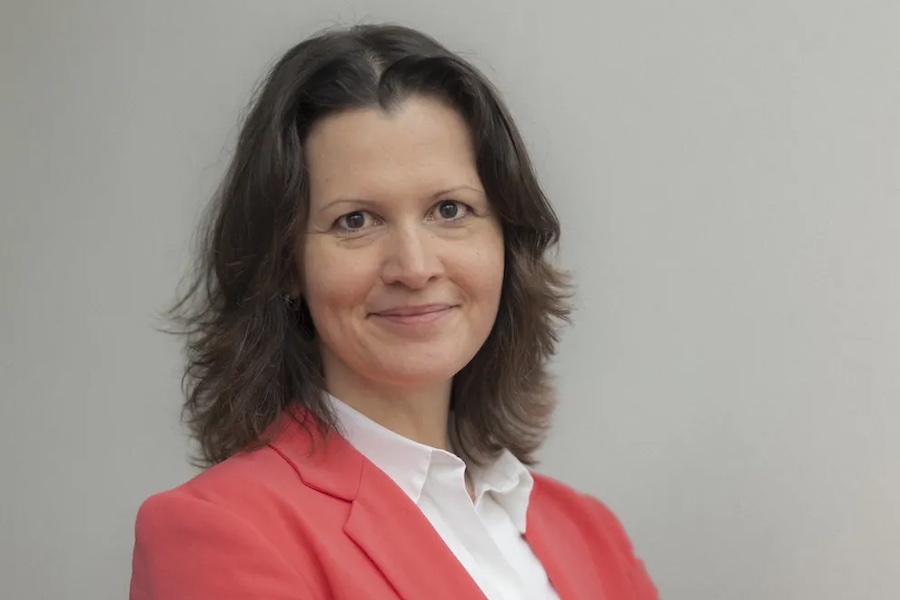
Volatile markets, increasingly complex materials and growing demands for flexibility are changing the weaving industry. At the same time, new opportunities are emerging in technical textiles, filtration, composites and many other specialised applications. Since taking over as Head of DORNIER's Weaving Machines Product Line at the beginning of 2026, Yvonne Schuberth has been helping to shape this development. In this interview with TexData, she explains why process stability and customer proximity remain the foundation of innovation, how digitalisation is transforming weaving mills, and why she believes the future belongs to technologically demanding applications.

#Composites

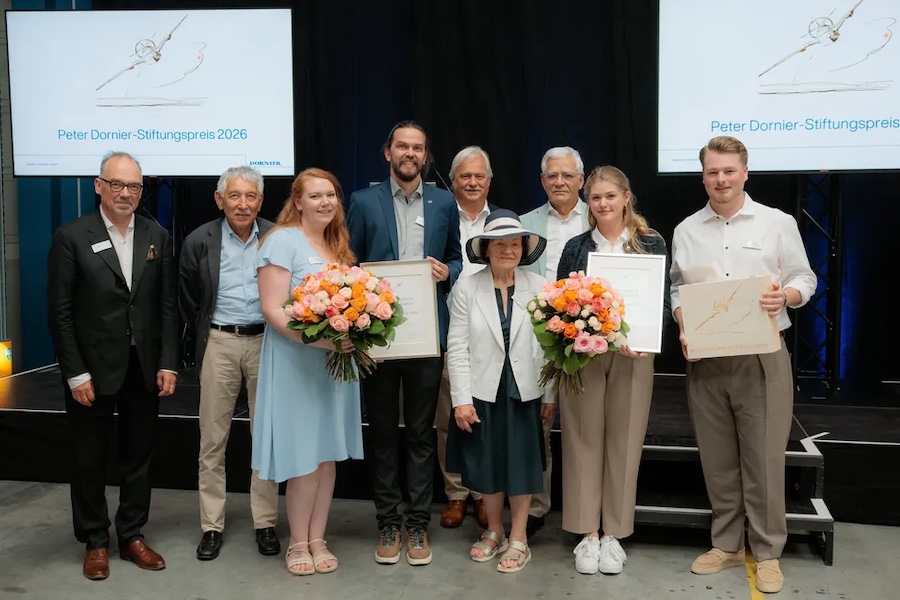
Fewer pores, greater impact tolerance: Peter Dornier Foundation Prize 2026 honours material research on fibre-reinforced composite components for aerospace industry

Microscopically small pores that form during manufacture, or barely visible impact damage, can severely impair the load-bearing capacity and service life of fibre-reinforced composite components. Two young researchers have presented groundbreaking work in this field and will both be awarded the 2026 Peter Dornier Foundation Prize: Dr.-Ing. Benedikt Neitzel from the Technical University of Ilmenau for his doctoral thesis on pore minimisation in the RTM process, and Johanna Buschmann, M.Sc., for her master’s thesis, completed at the German Aerospace Centre, on the improved impact tolerance of 3D fabrics compared to 2D laminates.

#Techtextil 2026

From carbon to canvas: DORNIER presents flexible and reliable weaving technologies for 3D weaving and dynamic markets at Techtextil

At Techtextil from 21 to 24 April 2026 in Frankfurt am Main (Hall 12.0, Stand D95), Lindauer DORNIER will be showcasing reliable and flexible weaving technologies for ever-changing market requirements. The machine and plant manufacturer will present retrofits for existing machines, the new TRITOS® FLEX 3D weaving technology, intuitive automation concepts and software solutions for data-sovereign networking of the weaving machine fleet.

More News on Weaving

#Weaving

“A complex design is only useful if the machine can reproduce it consistently”

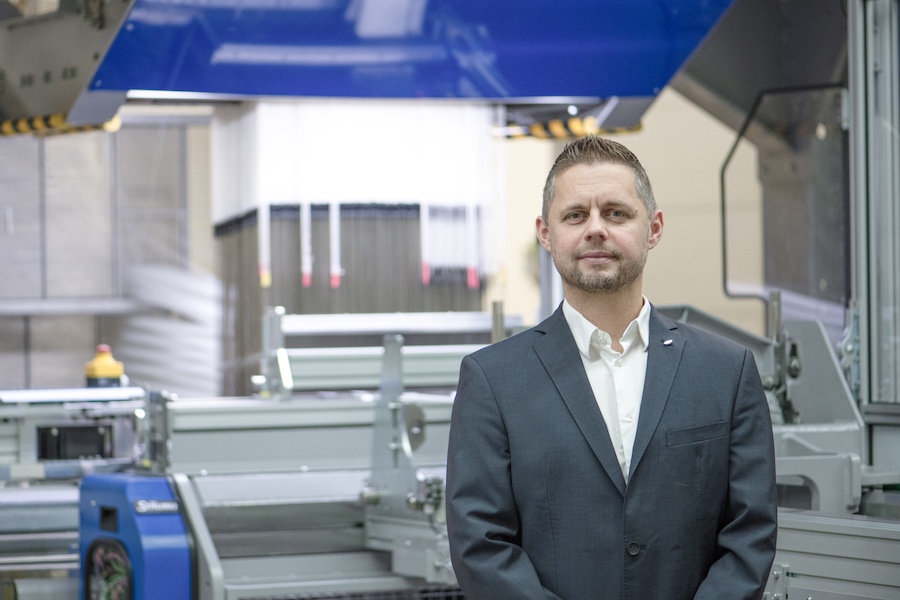
Andreas Schnabel, Head of R&D for Technical Weaving Systems at Stäubli, discusses how 3D weaving can create textile reinforcements tailored to the loads within a composite component, where near-net-shape weaving can reduce processing steps and material waste, and what it takes to produce complex structures reliably and economically. He also explains how manufacturers can adapt Stäubli’s modular TF weaving platforms to new applications and how the company’s centre of excellence in Bayreuth supports the transition from research to industrial production.

#Weaving

unspun and Arvind partner to bring 3D weaving into industrial-scale apparel production

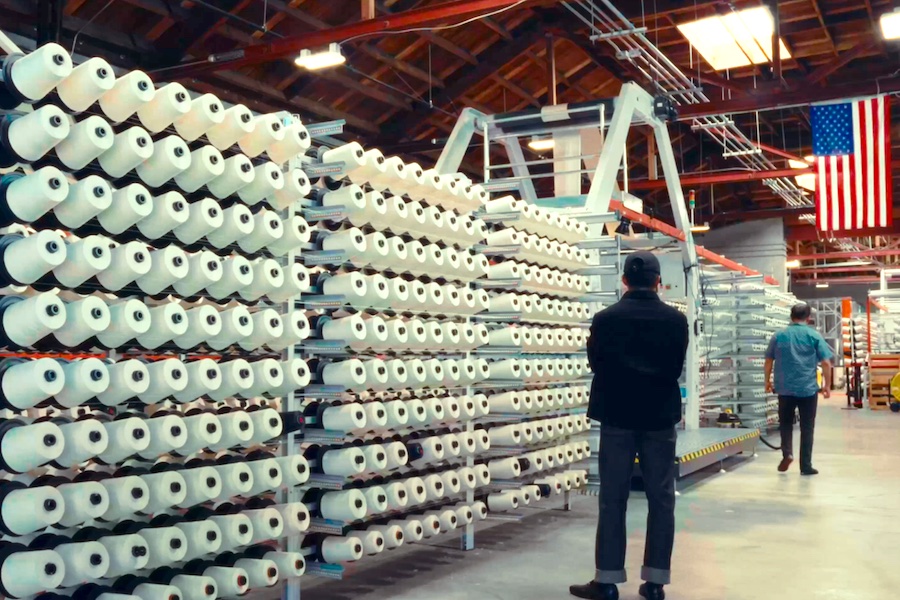
US fashion technology company unspun and Indian textile manufacturer Arvind Limited have announced a strategic partnership to introduce OneWeave™ 3D weaving technology into industrial-scale apparel manufacturing. Two machines are expected to become operational at Arvind’s Ahmedabad facility by December 2026, with plans for a potential expansion involving more than 30 additional machines across India and North America in 2027 and 2028.

#ITMA Asia + CITME 2026

Itema brings textile versatility to ITMA ASIA + CITME 2026

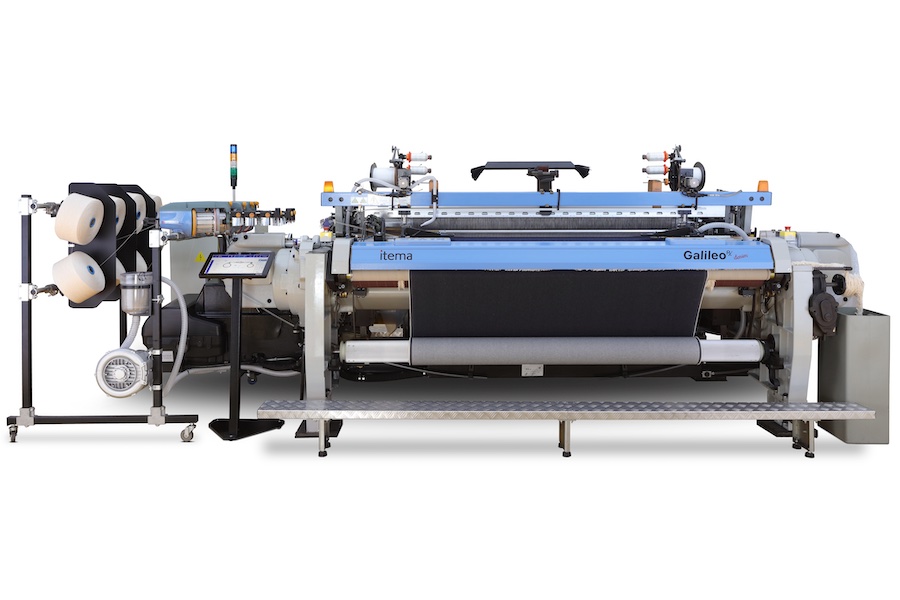
Itema announces its participation in ITMA ASIA + CITME 2026, taking place November 20–24 at the National Exhibition and Convention Center in Shanghai. In Hall 3 – Stand D06, the company will showcase two Galileo-RX rapier weaving machines weaving heavy denim and conveyor belt fabrics, demonstrating its ability to address different textile requirements with application-specific configurations. Five additional Itema machines at partner booths will extend the exhibition lineup to upper shoe fabric, label, Jacquard leno fabrics, and shirting, offering visitors a broader view of Itema rapier and air-jet weaving technologies.

#India ITME 2026

Stäubli to introduce new S3292 dobby for high-speed weaving at ITME India 2026

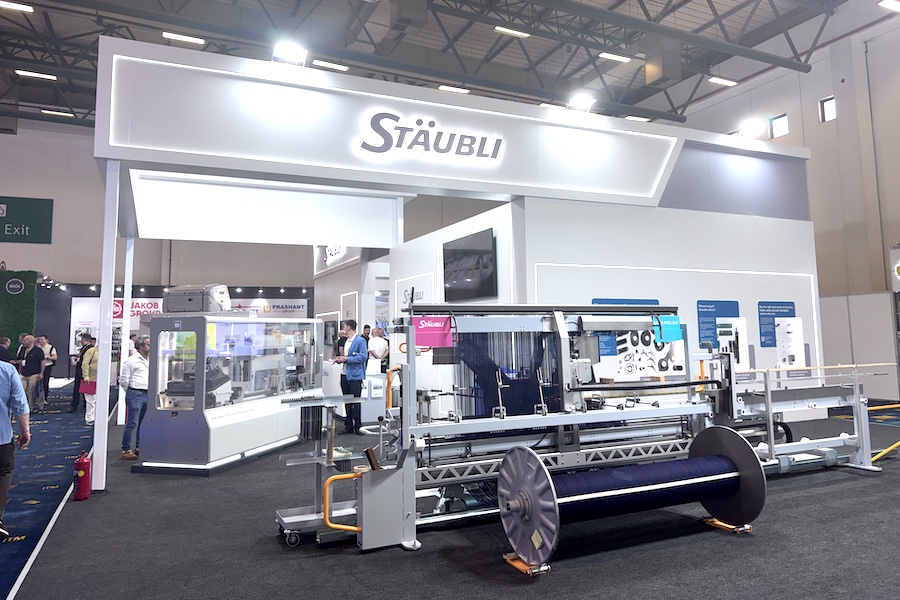
Stäubli will introduce its new S3292 dobby at ITME India 2026, taking place from December 4 to 9 at the India Expo Centre & Mart in Greater Noida, Uttar Pradesh. Designed for high-speed air-jet weaving, the new machine will be among the highlights of the company's presentation, which also includes warp preparation systems, cam motions, Jacquard technologies and digital services.

Latest News

#Textile processing

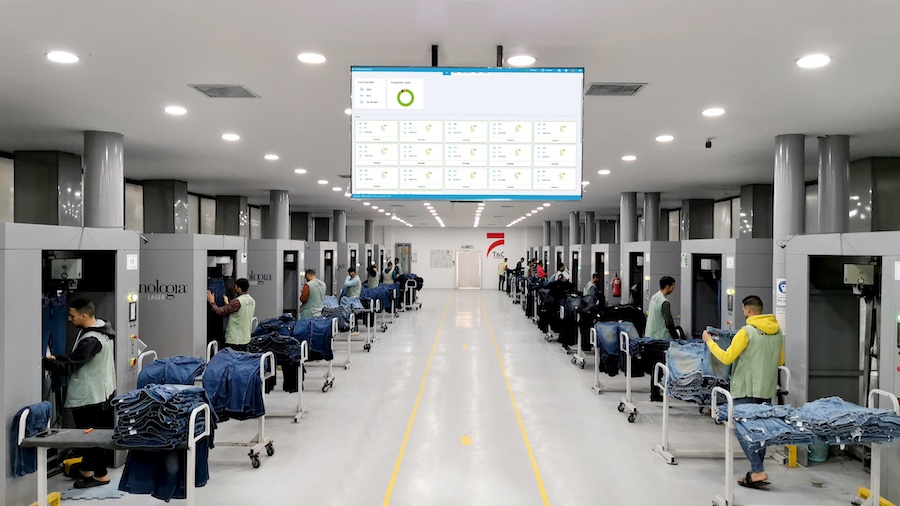
Jeanologia combines digitalisation, laser and ozone technology to strengthen China’s textile competitiveness

At ITMA Asia + CITME 2026 in Shanghai, Jeanologia showcased how the combination of digitalisation, laser technology and G2 Ozone can help China’s textile industry improve productivity, speed, quality and efficiency. With its Compact Super Flash laser system and integrated production concepts, the Spanish technology specialist demonstrated how connecting product development and industrial production can enable faster, more automated and sustainable manufacturing processes.

#Textile chemistry

Flame protection and OEKO-TEX® certification: Gulec Chemicals clears an important hurdle

Three halogen-free flame retardants from German specialist Gulec Chemicals have been included in the OEKO-TEX® list of accepted Active Chemical Products (ACP). The listing opens up additional opportunities for textile finishers, coaters and manufacturers of technical textiles seeking to combine demanding fire protection requirements with certification according to OEKO-TEX® STANDARD 100.

#Dyeing, Drying, Finishing

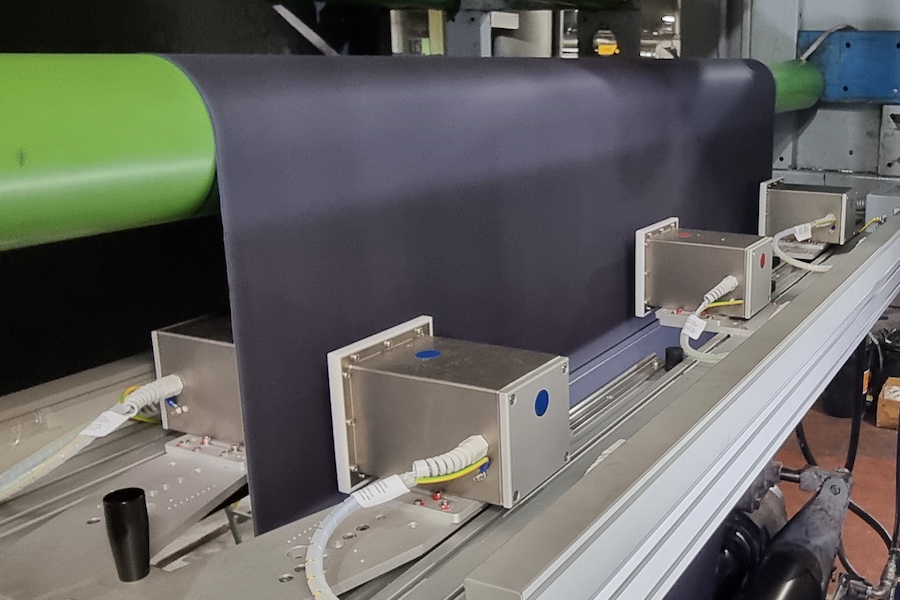
PLEVA improves dyeing consistency with inline microwave measurement of liquor pick-up

Consistent shades are essential in continuous textile dyeing. Yet variations in fabric absorbency or uneven padder pressure can go unnoticed until the end of the line. By then, hundreds of metres of fabric may already be affected and may become second-choice or rejected.

#Recycling / Circular Economy

DITF establishes CYCLOTEXUM recycling center to advance mechanical and solvent-based textile recycling

As part of the CYCLOTEXUM research project, the German Institutes of Textile and Fiber Research Denkendorf (DITF) established the CYCLOTEXUM recycling center. There, in collaboration with industry partners, the center develops application-oriented solutions for mechanical and solvent-based recycling processes. The technologies developed make a significant contribution along the textile value chain toward the efficient use of textile resources in the future and the transition of production in the German textile sector to a circular economy. The project was funded by the Ministry for the Environment, Climate and Energy Sector of the State of Baden-Württemberg.

TOP