[pageLogInLogOut]

#Recycling / Circular Economy

Recover™ and Valdese Weavers partner for Circularity in the home textiles industry
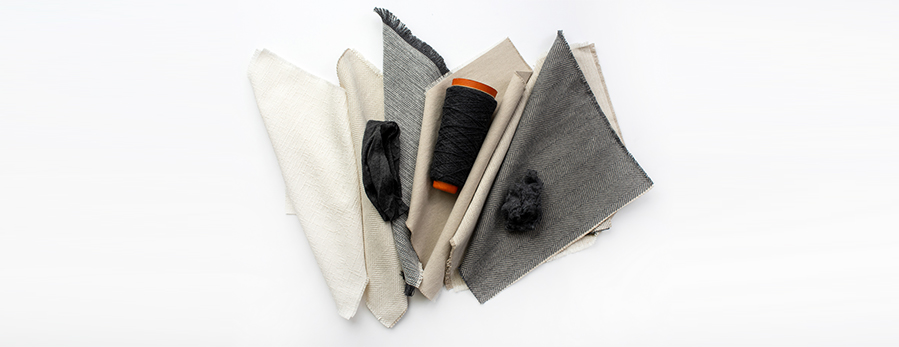
Valdese Weavers partners with Recover™ to transform the home textile industry (Photo: Valdese Weavers)
Valdese Weavers, the leading producer of decorative textiles in the United States for residential and contract markets, has partnered with global recycled cotton fiber producer, Recover, to transform the home textile industry. The two innovative textile leaders, both at different stages of the supply chain, intend to capitalize on their combined expertise to drive the use of sustainable materials in the industry.

Valdese Weavers has more than 100 years of textile experience and works with a full range of furniture manufacturers, distributors, and retailers to deliver unparalleled design through their vertical manufacturing facilities. The company understands the importance of choosing responsible raw materials, and already offers a collection of environmentally conscious products. By partnering with Recover, they can offer the highest quality decorative fabrics made with RCS/GRS verified Recover™ recycled fiber and help brands and retailers to reduce their environmental impact caused by virgin raw material production.

Blake Millinor, President of Valdese Weavers, commented: “We are proud to partner with Recover as a natural fiber platform for our customers searching for sustainable fabrics. Recover compliments our sustainable product offering by helping create a more circular material solution. We are excited to be working with the Recover team to tell this unique story and develop more responsible textile solutions for our customers”.

Recover has perfected the art and science of scaled production of recycled cotton fiber over more than 75 years, and today, the company is supported by leading institutional investors including STORY3 Capital, Goldman Sachs, Fortress Investment Group and Eldridge Industries. Its recycled cotton fiber is fundamentally transforming the textile industry, making significant environmental savings compared to virgin and organic cotton, and it is one of the most sought-after fibers in the recycled materials space. The integration of Recover fiber into Valdese Weaver’s product lines, enables the textile mill to remain frontrunners in delivering sustainable and innovative fabrics, and accelerate the production of low-impact products such as sofas, cushions, and curtains.


Alfredo Ferre, CEO at Recover™, commented: “The textile industry needs new solutions and collaborations across its supply chain, which is why we are excited to team up with Valdese Weavers and expand our product to the upholstery and home textile segment. Our expertise in producing low-impact, high-quality recycled fibers, will help achieve our shared goals in minimizing the impact on the natural resources we share.”
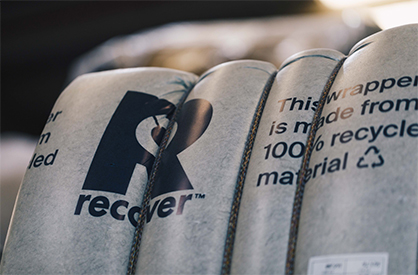
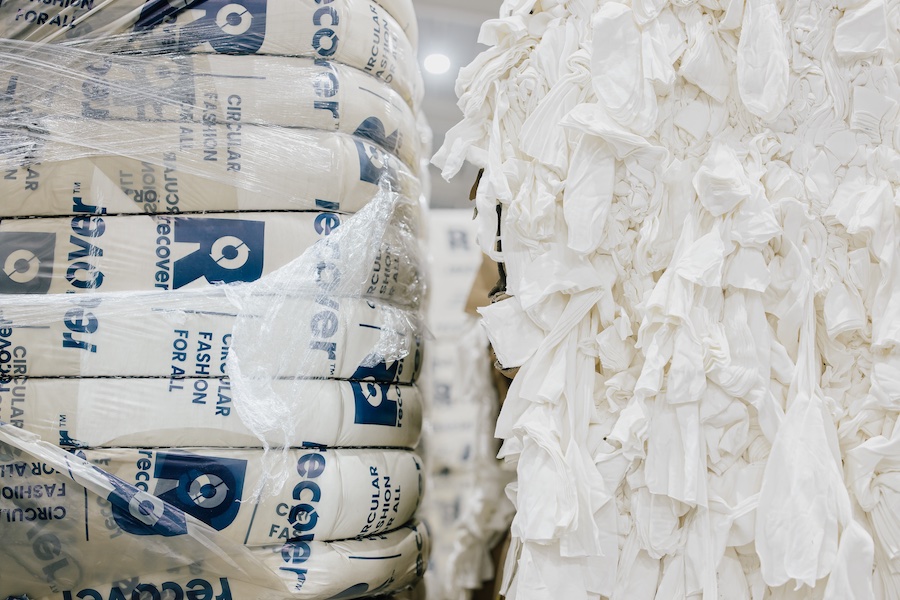
Recover™ recycled cotton fiber makes significant environmental savings compared to virgin and organic cotton (Photo: Recover™)


The first fabrics in the partnership made with Recover fiber will be on show at Valdese Weaver’s showroom in High Point, NC during the Interwoven market from November 14-16, 2023.

More News from TEXDATA International

#Digital Printing

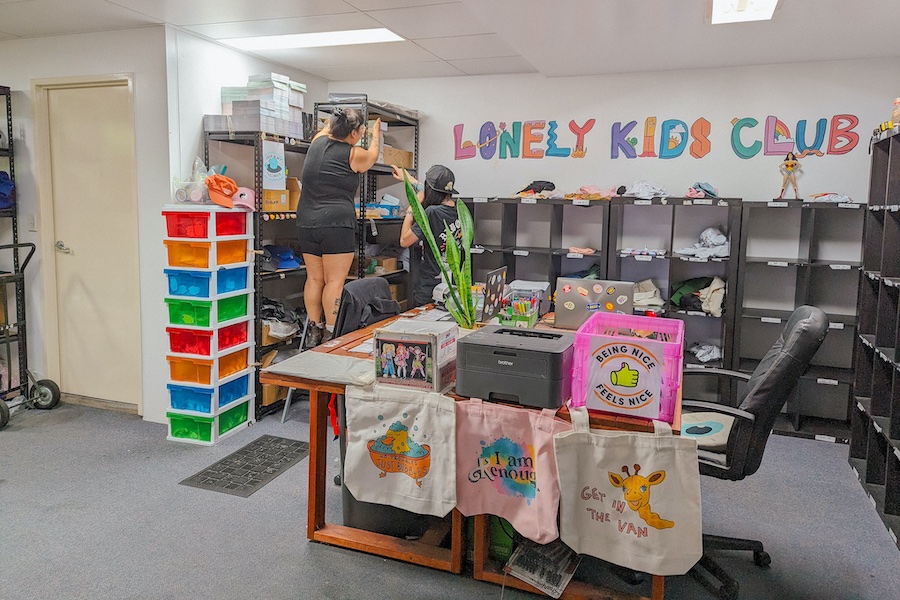
From a bedroom startup to 3,000 designs: How Lonely Kids Club built its business with DTG printing

Founded in Sydney in 2011, independent clothing label Lonely Kids Club has grown from a bedroom startup into a business offering around 3,000 graphic T-shirt designs. With its own production studio, direct-to-garment printing and a demand-driven manufacturing model, the company demonstrates how smaller apparel brands can combine creative independence with flexible production – while navigating the everyday challenges of quality control, workflow efficiency and sustainability.

#India ITME 2026

India’s textile industry: Current position, growth targets and industrial development

With ambitious export targets, major investments in manufacturing infrastructure and new international trade agreements, India is pursuing a comprehensive development strategy for its textile and apparel industry. An overview of the industry’s current position, government initiatives, progress achieved and challenges ahead.

#Weaving

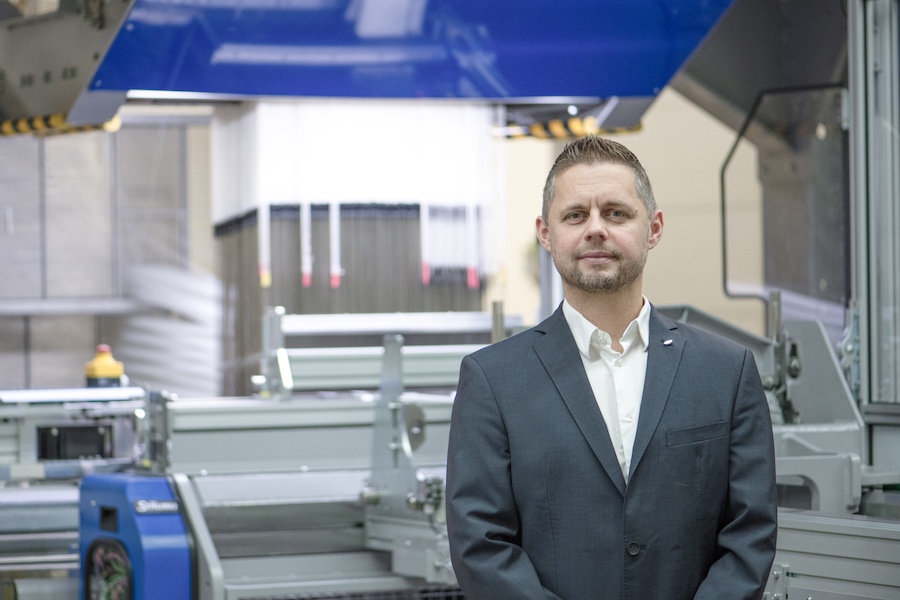
“A complex design is only useful if the machine can reproduce it consistently”

Andreas Schnabel, Head of R&D for Technical Weaving Systems at Stäubli, discusses how 3D weaving can create textile reinforcements tailored to the loads within a composite component, where near-net-shape weaving can reduce processing steps and material waste, and what it takes to produce complex structures reliably and economically. He also explains how manufacturers can adapt Stäubli’s modular TF weaving platforms to new applications and how the company’s centre of excellence in Bayreuth supports the transition from research to industrial production.

#India ITME 2026

India ITME 2026: Textile technology meets India's investment ambitions

With ambitious growth targets, government incentive programmes and industrial development initiatives already underway, India is preparing for the next stage of its textile transformation. Against this backdrop, the 12th India ITME, taking place in Greater Noida from 4 to 9 December 2026, arrives at a particularly important moment for machinery manufacturers and textile producers alike.

More News on Recycling / Circular Economy

#Recycling / Circular Economy

DITF establishes CYCLOTEXUM recycling center to advance mechanical and solvent-based textile recycling

As part of the CYCLOTEXUM research project, the German Institutes of Textile and Fiber Research Denkendorf (DITF) established the CYCLOTEXUM recycling center. There, in collaboration with industry partners, the center develops application-oriented solutions for mechanical and solvent-based recycling processes. The technologies developed make a significant contribution along the textile value chain toward the efficient use of textile resources in the future and the transition of production in the German textile sector to a circular economy. The project was funded by the Ministry for the Environment, Climate and Energy Sector of the State of Baden-Württemberg.

#Recycled Fibers

Recover and SUPIMA partner to develop recycled Pima cotton fibers and yarns

Recover and SUPIMA have partnered to turn waste from SUPIMA cotton production into a new line of recycled fibers and yarns. The collaboration will explore how recycled American-grown Pima cotton can be used in a wider range of yarns and garments for the premium market.

#Recycling / Circular Economy

ReSpin founder Åsa Strandberg receives Innovation Champion of the Year 2026 award

Åsa Strandberg, founder and CEO of Swedish textile recycling company ReSpin AB, has been named Innovation Champion of the Year 2026. The award recognises her development of RespinJenny, a patented technology designed to recycle textile waste into new, high-quality fibres without using water, chemicals or additional virgin raw materials. The distinction was presented by the Olle Oscarsson Foundation and Axera Inkubator at Guldgalan in Sweden.

#Recycling / Circular Economy

Circulose resumes recycling of discarded cotton textiles and appoints interim CEO

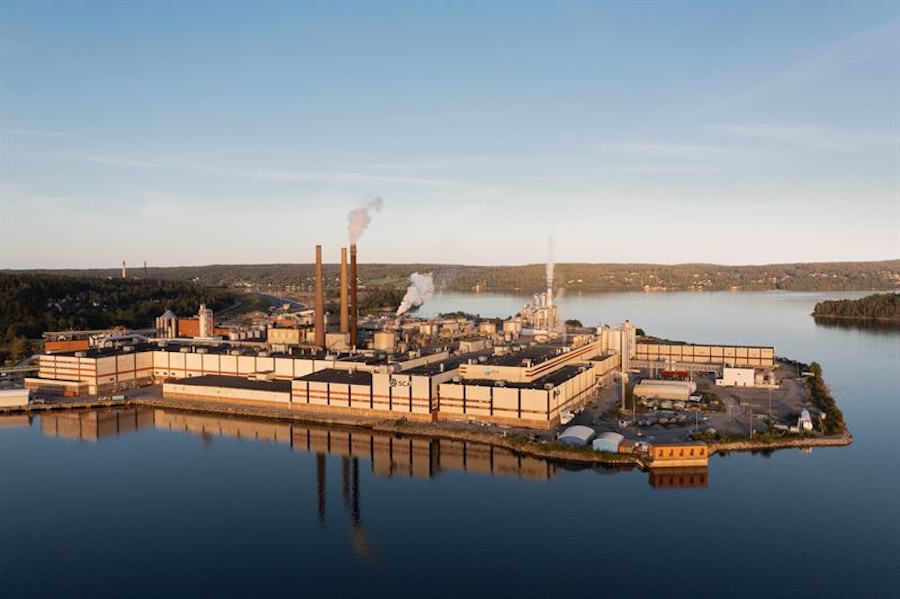
Circulose today announced its restart of commercial-scale production plant at Ortviken in Sundsvall, Sweden, marking a significant step in scaling next-generation materials for the global fashion industry. The Ortviken plant is the world’s first commercial-scale chemical textile recycling facility. Its restart demonstrates that the fashion industry is seeking ways to scale proven solutions that move beyond pilots and into commercial production.

Latest News

#Textile processing

Jeanologia combines digitalisation, laser and ozone technology to strengthen China’s textile competitiveness

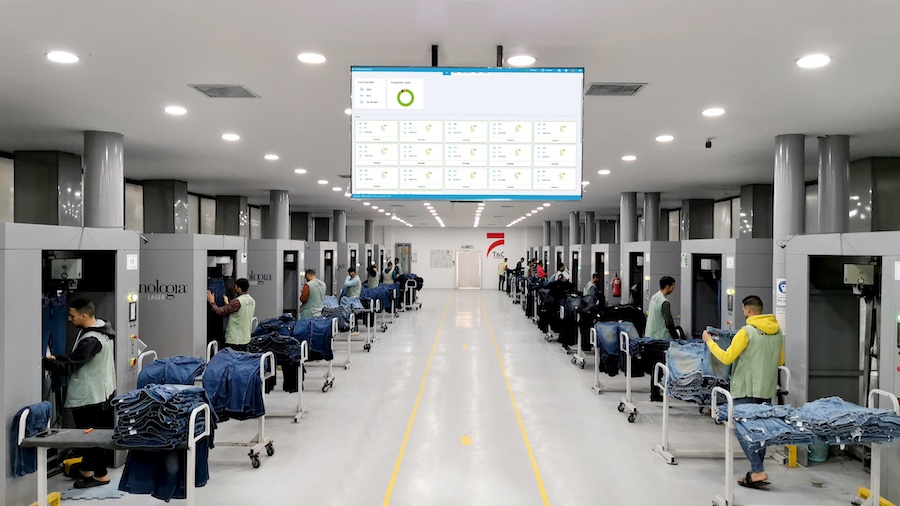
At ITMA Asia + CITME 2026 in Shanghai, Jeanologia showcased how the combination of digitalisation, laser technology and G2 Ozone can help China’s textile industry improve productivity, speed, quality and efficiency. With its Compact Super Flash laser system and integrated production concepts, the Spanish technology specialist demonstrated how connecting product development and industrial production can enable faster, more automated and sustainable manufacturing processes.

#Textile chemistry

Flame protection and OEKO-TEX® certification: Gulec Chemicals clears an important hurdle

Three halogen-free flame retardants from German specialist Gulec Chemicals have been included in the OEKO-TEX® list of accepted Active Chemical Products (ACP). The listing opens up additional opportunities for textile finishers, coaters and manufacturers of technical textiles seeking to combine demanding fire protection requirements with certification according to OEKO-TEX® STANDARD 100.

#Dyeing, Drying, Finishing

PLEVA improves dyeing consistency with inline microwave measurement of liquor pick-up

Consistent shades are essential in continuous textile dyeing. Yet variations in fabric absorbency or uneven padder pressure can go unnoticed until the end of the line. By then, hundreds of metres of fabric may already be affected and may become second-choice or rejected.

#ITMA 2027

CEMATEX outlines future exhibition strategy for ITMA 2027 and ITMA ASIA Singapore 2029 at ITMA NEXT

At the ITMA NEXT | Industry Networking event on 22 November in Shanghai, CEMATEX unveiled its plan for ITMA ASIA Singapore 2029, marking a new chapter under its sole organisation and management. CEMATEX also highlighted exciting initiatives for ITMA 2027, inviting the global textile and garment technology community to convene in Hanover to discover breakthrough innovations, exchange insights and forge partnerships that will shape the future of textiles.

TOP