[pageLogInLogOut]

#Textiles & Apparel / Garment

Jack Wolfskin partners with Microban to develop odour-resistant apparel and gear

© 2023 Jack Wolfskin
Jack Wolfskin has partnered with Microban® to produce odour-resistant apparel for continuous freshness wear-after-wear. Less laundering delivers a longer garment lifecycle and reduces the consumption of energy, water, and other natural resources.

Jack Wolfskin, a leading provider of premium quality outdoor apparel, equipment and footwear, has partnered with Microban International to incorporate Scentry Revive® odour-neutralising technology into its range of clothing. This odour-capture innovation from Microban seamlessly integrates into fabrics during manufacture to prevent odours from building up between washes, keeping garments fresh for longer. In addition, the non-biocidal technology has earned an Oeko-Tex® certification and is bluesign® approved.

A common issue with polyester, nylon and elastane – textiles which impart breathability and comfort to activewear – is their predisposition to odour retention. With long term use, athletic garments are susceptible to the accumulation of sweat, dead skin cells, and body odours. Perhaps surprisingly, frequent washing of these fabrics is not a viable solution; laundering alone is inefficient at removing malodours, can reduce the robustness of fabrics, and contributes to costly water and utility bills. Therefore, there is high demand for sustainable built-in scent control in the textile industry.

Jack Wolfskin has decided to include Scentry Revive technology – which complements the contemporary, adventure-ready nature of its products – to extend the useful lifetime of apparel and reduce washing requirements. Integrating an odour-neutralising technology from Microban, the world leader in antimicrobial and odour-control solutions, provides Jack Wolfskin with confidence that its products will remain fresh wear after wear, for up to 50 laundry cycles. Regina Goller, Director of Fabric and Trim Management Apparel at Jack Wolfskin, commented on the benefits of Scentry Revive: “The team at Jack Wolfskin takes pride in applying revolutionary technologies to our product range. We wanted to produce odour-resistant garments that required less washing, to benefit both our customers and the environment, and Scentry Revive has made that goal attainable.”


Michael Ruby, President of Microban, added: “We are delighted to partner with Jack Wolfskin to complement their functional, contemporary activewear and accessories. The inclusion of Scentry Revive in apparel intended for adventure, travel and outdoor purposes demonstrates the robustness of the technology, and the ability of the formulation to neutralise odours even with sustained exposure to sweat and moisture. The odour-control solution also increases the number of uses before products need to be laundered, aligning with Jack Wolfskin’s eco-friendly ethos. We are proud of this partnership which will deliver a better consumer experience and allow for longer product lifecycles, less laundering, and reduced consumption of energy, water and other natural resources.”


For more information about this collaboration, visit:

www.microban.com/jack-wolfskin


To read more about Scentry Revive odour-capture technology, visit:

www.microban.com/odor-control/technologies/scentry-revive


More News from TEXDATA International

#ITM 2026

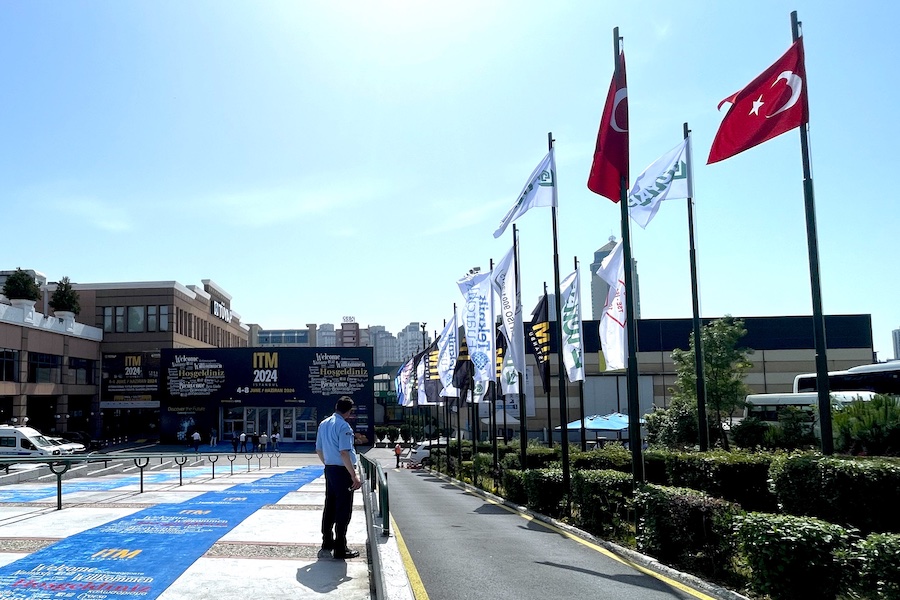
ITM 2026: The new geography of textile production

New production hubs are emerging across North Africa and Central Asia, while Türkiye is accelerating its transformation toward higher-value, technology-driven and more sustainable textile manufacturing.

#Research & Development

“Production is a product”

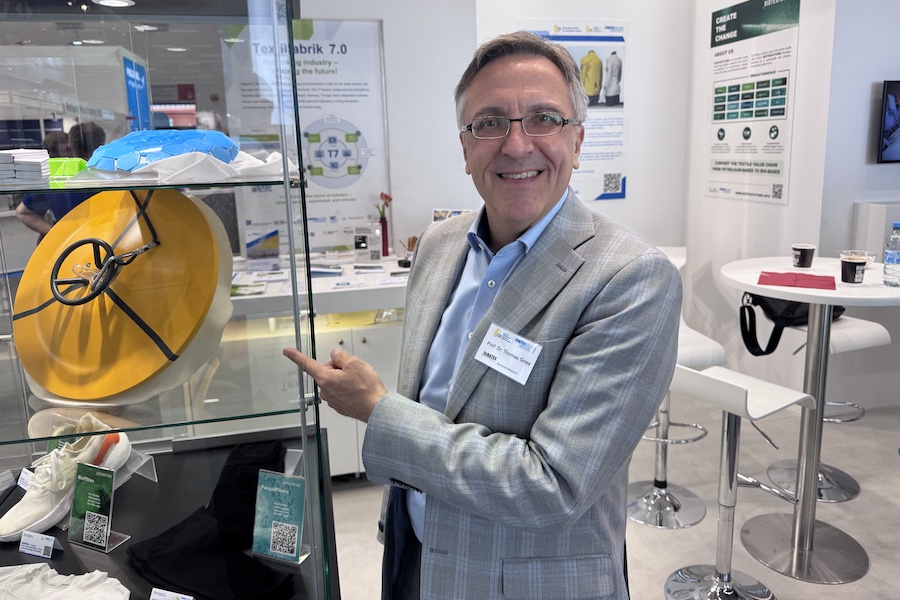
From technical textiles and AI-driven robotics to the limitations of textile circularity: Professor Dr Thomas Gries looks back on more than two decades of development at ITA Aachen. In the interview, he explains why production technology remains a decisive success factor, discusses international collaborations and innovation ecosystems, and shares his views on the transformation of production landscapes and the challenges facing an increasingly regulated industry.

#Knitting & Hosiery

“We need to move away from the price trap and return to a value-driven mindset.”

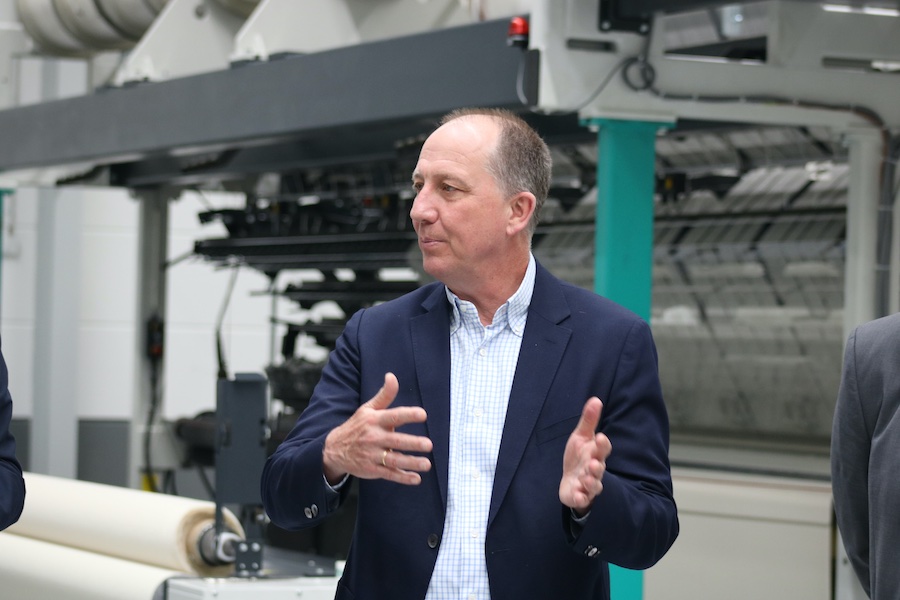
With its new Textile Innovation Center, KARL MAYER is sending a strong signal for innovation, collaboration, and the future of textile applications. In this interview, Karl Josef Mayer discusses new opportunities in warp knitting, the processing of staple fibres, recycling, the changing role of machinery manufacturers, and why the textile industry must once again focus more strongly on the value of textiles. by Oliver Schmidt

#Associations

“Innovation, resilience and international experience remain the great strengths of the Swiss textile machinery industry”

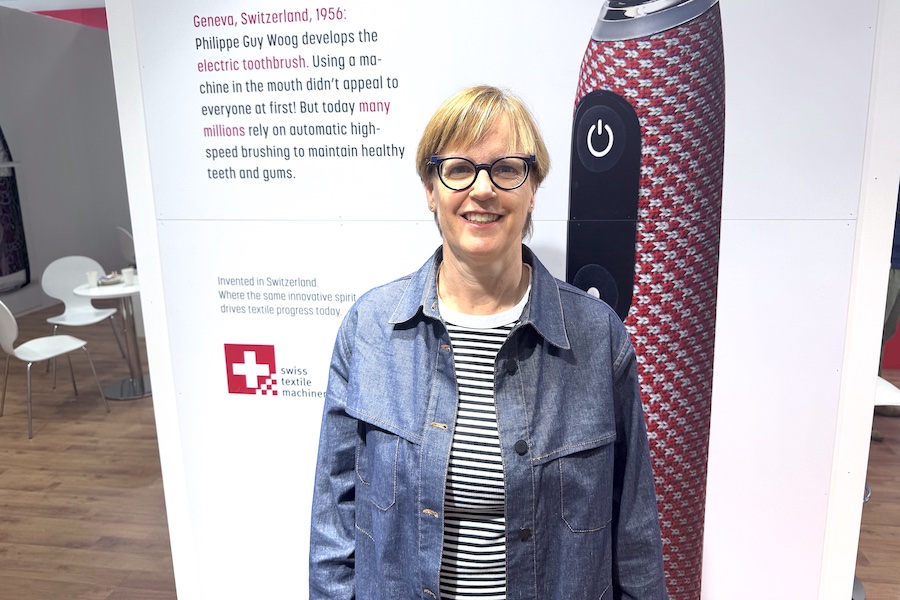
Geopolitical uncertainty, growing competitive pressure from China, new free trade agreements and the shift towards a circular economy are currently reshaping the global textile industry. In this interview, Cornelia Buchwalder discusses the current mood within the Swiss textile machinery sector, the industry’s distinctive innovative strength, new market opportunities in India and Asia, and the technological trends that could shape the upcoming trade fair cycle leading up to ITMA 2027.

More News on Textiles & Apparel / Garment

#Associations

Mario Jorge Machado re-elected President of EURATEX

The EURATEX General Assembly has re-elected Mario Jorge Machado as President of EURATEX, renewing its confidence in his leadership at a crucial moment for the European textile and clothing industry. The sector is facing rising costs, global competitive pressure and an increasingly challenging transition towards sustainability and digitalisation.

#Textiles & Apparel / Garment

Autopsy, the new trend book by Texworld Apparel Sourcing Paris, deciphers the fractures of our time through 12 creative signals

Presented during Texworld Apparel Sourcing Paris, from August 31 to September 2, 2026, at the Paris-Le Bourget Exhibition Center, Autopsy offers a reinterpretation of the contours of fashion in a world undergoing profound transformation, balancing radical introspection and sensitive renewal.

#Yarn & Fiber

Next week’s focus: Intertextile Shenzhen & Yarn Expo Shenzhen fuse textile tradition with sustainable, digital trends

Fashion will not be left behind in one of the world’s undisputed tech and manufacturing capitals. Which is why next week, at Intertextile Shenzhen Apparel Fabrics and Yarn Expo Shenzhen 2026, the organisers have made special efforts to integrate textile topics such as materials innovation, holistic sustainability, digitalisation and AI. Yet, from 9 – 11 June at the Shenzhen Convention and Exhibition Center, the platform also includes timeless tradition and heritage-inspired evolution in equal measure. Across both shows, over 600 exhibitors from 11 countries and regions are set to showcase everything from Peruvian alpaca wool fabrics to tea-derived fibres, while their fringe programmes will explore diverse solutions along the entire value chain.

#Textiles & Apparel / Garment

Global size study for brands and retailers to optimize fit and market coverage

Hohenstein Apparel Fit Solutions, a global leader in apparel fit, sizing, and product development, today announces the launch of its Global Size Study, a new initiative designed to equip brands to better understand and serve their target consumers through more accurate, market-relevant sizing.

Latest News

#

Towards pragmatic and harmonised labelling in the EU

EDANA, alongside 14 European associations, urges the European Commission and Member States to adopt a pragmatic approach for the future harmonised packaging labels, in line with the EU’s agenda for the EU Single Market, simplification and competitiveness. The system should rely on text-free pictograms, available in achromatic or monochromatic versions matching the packaging palette, with the possibility of using digital labelling as a core element. Our associations represent manufacturers of consumer goods across Europe.

#Spinning

"We will become a recycling powerhouse"

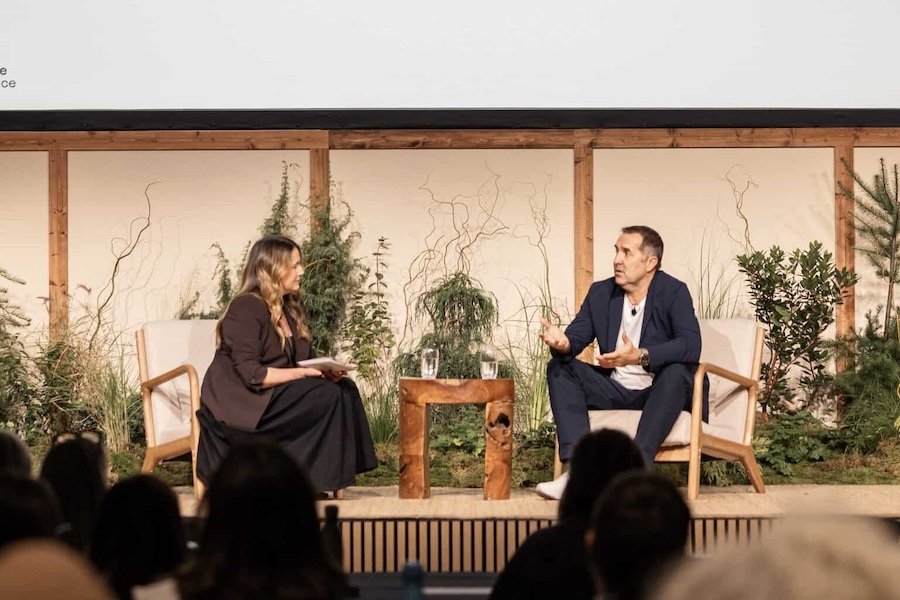
The textile industry is now in its fourth consecutive year of crisis, while automation, artificial intelligence and recycling are reshaping the rules of the game. In this interview, Rieter CEO Thomas Oetterli discusses the first signs of a market recovery, reflects on his first three years at the helm of the company, explains the integration of Barmag, outlines Rieter’s vision of the fully automated spinning mill and highlights the strategic importance of recycling. In doing so, he explains why the new Rieter Group aims to play a leading role in transforming the textile value chain into a circular economy.

#Sustainability

Textile Exchange unveils agenda for 2026 conference in Vancouver

Textile Exchange has released the agenda for its 2026 Conference, which will take place from October 12–16 in Vancouver, Canada. Under the theme “The Implementation Era,” the event will focus on translating sustainability commitments into practical action and scaling solutions across businesses, supply systems, and landscapes.

#Associations

Textile PRO Forum calls for greater harmonisation of textile EPR systems across Europe

The Textile PRO Forum has published a new analysis highlighting the need for greater harmonisation of textile Extended Producer Responsibility systems across Europe. The document, Toward harmonised Textile EPR Systems in Europe: analysis and recommendations, presents the results of work carried out by Workstream 1 of the Textile PRO Forum, led by Dr. Eng. Viola Corbellini, Strategic Development and Innovation Expert at Erion Textiles, and Eng. Luca Campadello, General Director at Erion Textiles. The workstream focused on reducing administrative burden for textile producers by identifying areas where procedures could be better aligned across countries.

TOP