[pageLogInLogOut]

#Textiles & Apparel / Garment

Monki partners up with BDD Foundation

© 2021 H&M
Monki supports the BDD Foundation and their efforts to raise awareness around Body Dysmorphic Disorder (BDD) and the effect of altered imagery in social media.

This November, Scandinavian fashion brand Monki joins the Body Dysmorphic Disorder Foundation to raise awareness around body dysmorphic disorder (BDD), a distressing psychological condition where a person becomes very preoccupied with one or more features in physical appearance. With about 1 in 50 suffering from BDD today, this condition is largely overlooked and undiagnosed. The BDD Foundation’s work is focusing on information, early diagnosis, and support in combating the disorder.

The BDD Foundation supported by Monki, will start a petition directed at the EU Parliament calling for transparency on altered images on social media. This would push for changes to ensure that organisations, companies, and influencers are legally required to state when images have been manipulated for paid content online. Tapping into an already important and ongoing movement recent years have seen changes in law in Norway and France.

One important part of the BDD Foundation’s work is to remind people not to compare themselves to others. Altered images can affect our body image, triggering body dissatisfaction and exacerbating BDD symptoms. We see this petition as a vital tool for approaching the EU Parliament to raise questions and drive real change.

Kitty Wallace, Head of Operations at the BDD Foundation


For Monki, the partnership with the BDD Foundation taps perfectly into the brand’s purpose. Since day one, Monki has been about empowering young women to feel good about themselves, just the way they are. Diverse casting, transparent retouch guidelines and #nofilter campaigns are some of the brand’s work to support this mission.

Monki is a purpose-driven fashion brand, and together with our community, partners and collaborators we want to be part of driving change in the world. We believe we have the responsibility to use our global platform for good, and we are very proud to be partnering up with the BDD Foundation and supporting their important work.

Jennie Dahlin Hansson, Managing Director at Monki

Monki will use their digital channels to share information and educational materials with their community about body dysmorphic disorder. More info about BDD and the petition can be found on monki.com and on bddfoundation.org.

More News from TEXDATA International

#Digital Printing

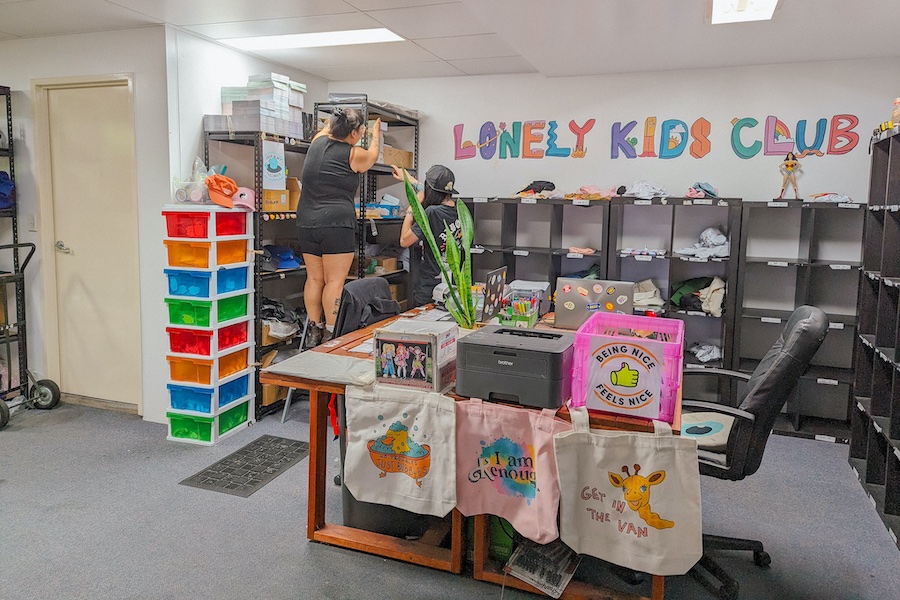
From a bedroom startup to 3,000 designs: How Lonely Kids Club built its business with DTG printing

Founded in Sydney in 2011, independent clothing label Lonely Kids Club has grown from a bedroom startup into a business offering around 3,000 graphic T-shirt designs. With its own production studio, direct-to-garment printing and a demand-driven manufacturing model, the company demonstrates how smaller apparel brands can combine creative independence with flexible production – while navigating the everyday challenges of quality control, workflow efficiency and sustainability.

#India ITME 2026

India’s textile industry: Current position, growth targets and industrial development

With ambitious export targets, major investments in manufacturing infrastructure and new international trade agreements, India is pursuing a comprehensive development strategy for its textile and apparel industry. An overview of the industry’s current position, government initiatives, progress achieved and challenges ahead.

#Weaving

“A complex design is only useful if the machine can reproduce it consistently”

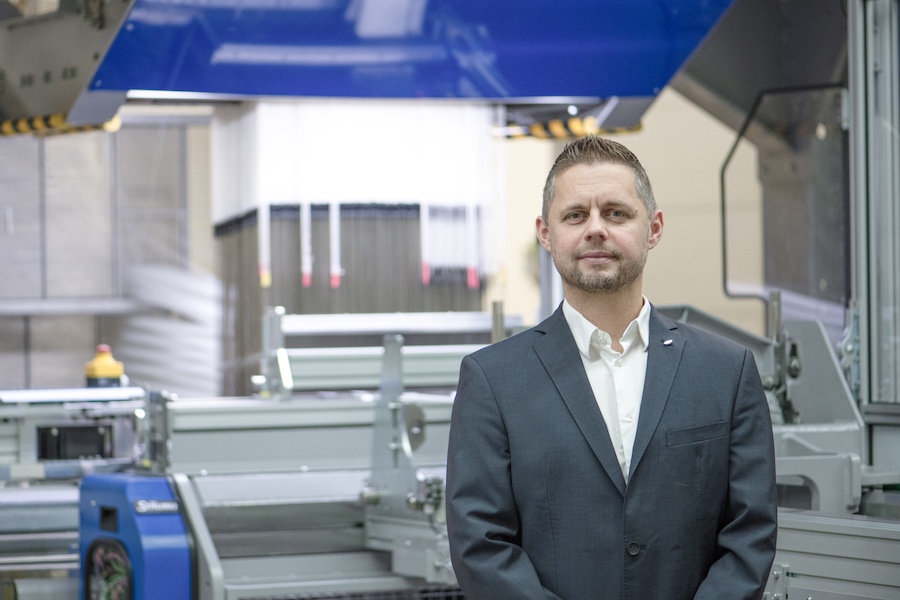
Andreas Schnabel, Head of R&D for Technical Weaving Systems at Stäubli, discusses how 3D weaving can create textile reinforcements tailored to the loads within a composite component, where near-net-shape weaving can reduce processing steps and material waste, and what it takes to produce complex structures reliably and economically. He also explains how manufacturers can adapt Stäubli’s modular TF weaving platforms to new applications and how the company’s centre of excellence in Bayreuth supports the transition from research to industrial production.

#India ITME 2026

India ITME 2026: Textile technology meets India's investment ambitions

With ambitious growth targets, government incentive programmes and industrial development initiatives already underway, India is preparing for the next stage of its textile transformation. Against this backdrop, the 12th India ITME, taking place in Greater Noida from 4 to 9 December 2026, arrives at a particularly important moment for machinery manufacturers and textile producers alike.

More News on Textiles & Apparel / Garment

#Industry 4.0 / Digitalization

Smartex.ai names Tony Fadell chairman and previews new fabric inspection system

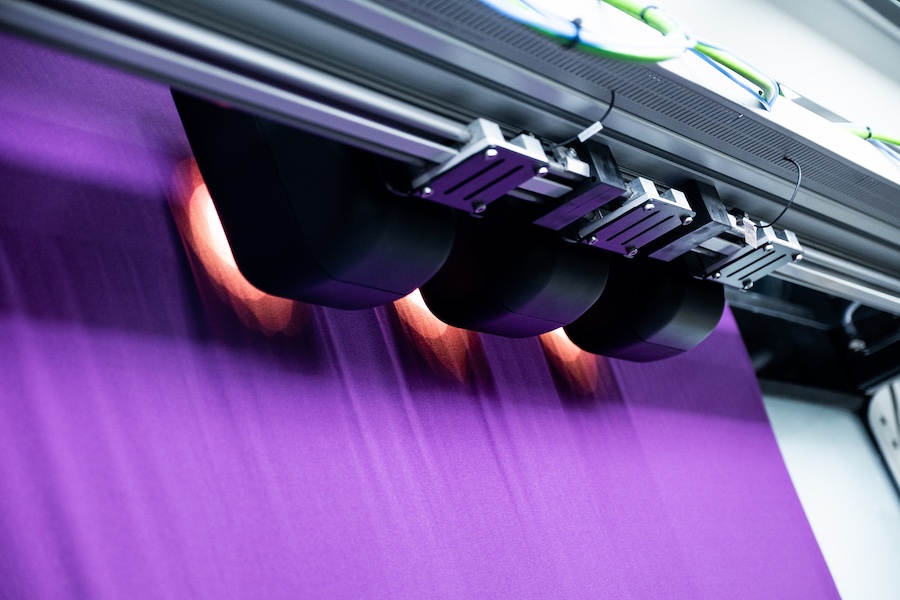
Smartex.ai has appointed Tony Fadell as chairman and will present its new fabric inspection hardware and software at SmartCollab Hong Kong on 27 November. Fadell co-designed Inspect, the hardware at the centre of the system, which Smartex developed with a supplier in H&M Group’s network.

#Nonwovens

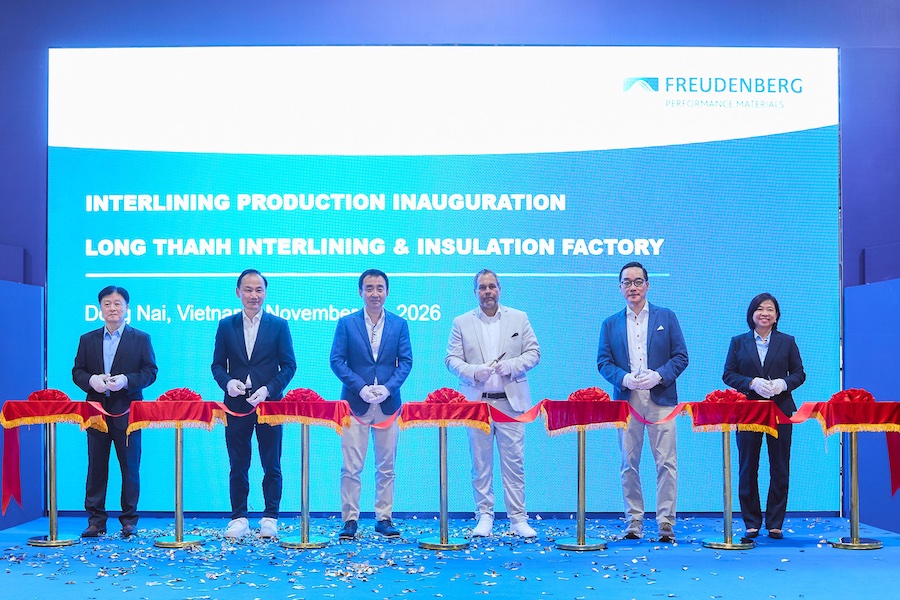
Freudenberg Performance Materials brings interlining production to Vietnam for faster regional supply

Freudenberg Performance Materials Apparel (Freudenberg Apparel) has expanded its manufacturing capabilities in Vietnam with local apparel interlining production at its factory in Long Thanh, Dong Nai. Apparel brands and manufacturers in Southeast Asia can now source both interlinings and comfortemp® thermal insulation from Vietnam, benefiting from shorter lead times, improved supply responsiveness, and consistent quality standards across Freudenberg Apparel’s regional manufacturing network.

#EU Textile Strategy

EURATEX and Egyptian industry groups sign textile cooperation agreement

The European Apparel and Textile Confederation (EURATEX) has signed a memorandum of understanding with the Apparel Export Council of Egypt (AEC), the Textile Export Council of Egypt (TEC) and the Egyptian Exporters Association (EXPOLINK). The agreement sets out plans to help Egyptian manufacturers prepare for EU sustainability requirements, promote investment and strengthen ties between European and Egyptian textile and clothing companies.

#Textile processing

Jeanologia and Sue Barrett explore new interpretations of camouflage in COMMON GROUND

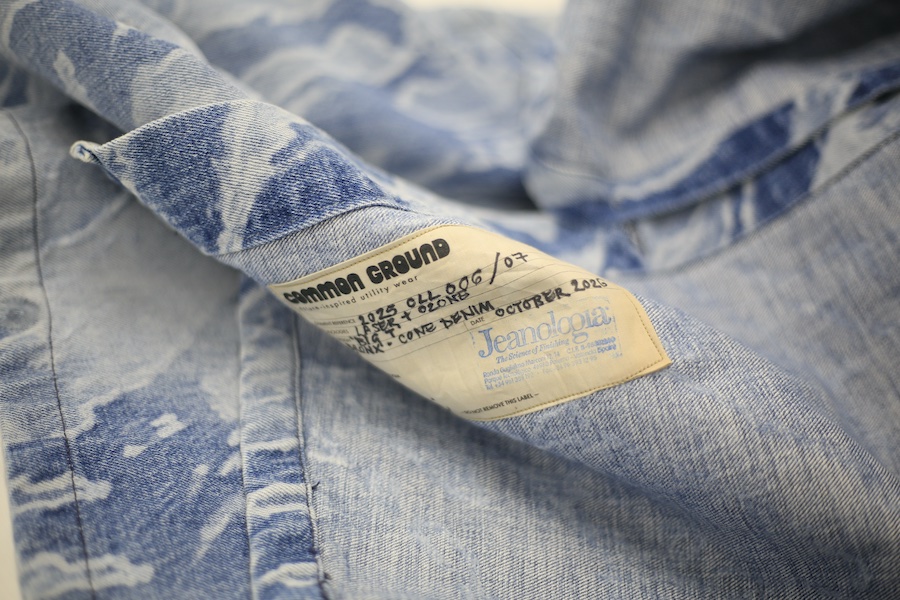
Jeanologia has collaborated with Sue Barrett, founder of Denim Forum, to create COMMON GROUND, a new denim collection that reinterprets camouflage through nature-inspired patterns, vintage garments and modern finishing technologies. Developed as part of Jeanologia’s Denim Métiers initiative, the project combines archival references and creative experimentation with laser and ozone technologies to explore new possibilities in contemporary denim design.

Latest News

#Raw Materials

Sourcing of traceable BCI cotton rises 43.5% to 33,000 tonnes

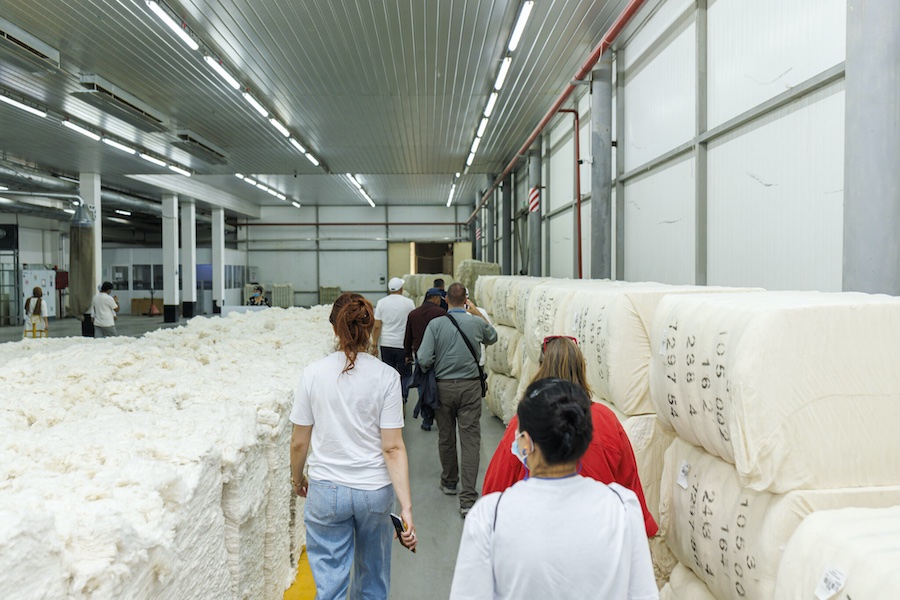
Retailers and brands sourced a record 33,000 metric tonnes of Traceable BCI Cotton over the past year, up 43.5% from 23,000 tonnes in 2024–2025, the Better Cotton Initiative (BCI) reported on 17 November 2026.

#Recycled Fibers

Recover and SUPIMA partner to develop recycled Pima cotton fibers and yarns

Recover and SUPIMA have partnered to turn waste from SUPIMA cotton production into a new line of recycled fibers and yarns. The collaboration will explore how recycled American-grown Pima cotton can be used in a wider range of yarns and garments for the premium market.

#Textile processing

YKK to demonstrate self-propelled zipper at CES 2027

YKK will demonstrate Zippilot™, a self-propelled zipper with a motorized slider that opens and closes the fastener, at CES 2027 in Las Vegas. The live demonstration will headline YKK’s exhibit, “The Future of Connection,” at the Venetian Expo, Halls A–D, Booth 56545.

#Technical Textiles

Textile ETP sets out strategy to protect Europe’s technical textile capabilities

Textile ETP’s SmartX Innovation Hub has published a strategy to safeguard Europe’s ability to develop, test and manufacture advanced technical textiles for defence, personal protection and aerospace. The strategy calls for EU research funding that extends through qualification and initial industrial production, and for public procurement to give greater weight to quality and security of supply.

TOP