[pageLogInLogOut]

#Textile chemistry

BASF South East Asia joins ZDHC Foundation to scale up sustainability in the leather, textile, and footwear industry
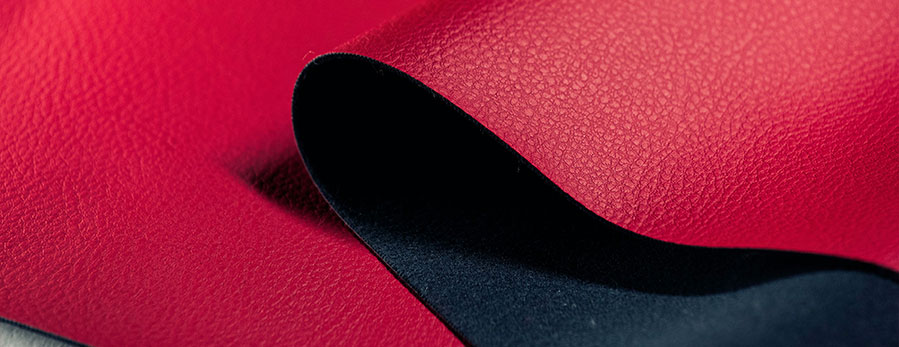
Haptex, BASFs innovative polyurethane solution for synthetic leather now certified ECO PASSPORT by OEKO-TEX (c) 2020 BASF
BASF South East Asia has joined the ZDHC Foundation as a “Contributor” in its Chemical Industry category. The partnership with the Foundation and its extensive pool of experts from organizations in the textile, apparel, leather and footwear industry underlines BASF’s commitment to being an industry leader in driving sustainable chemistry, innovation and best practices. Additionally, Haptex® is the first BASF material solution that has received the ECO PASSPORT by OEKO-TEX® certification for the production of synthetic leather.
  • BASF South East Asia now a “Contributor” in the Chemical Industry category of the ZDHC Foundation to help develop and implement chemical guidelines and solutions
  • Haptex, BASF’s innovative polyurethane solution for synthetic leather, now certified ECO PASSPORT by OEKO-TEX®

    Haptex, BASF’s innovative polyurethane (PU) solution, now ECO PASSPORT OEKO-TEX® certified

    Haptex, BASF’s first PU solution made without the use of organic solvents, has been certified ECO PASSPORT by OEKO-TEX, an independent certification system for chemicals in the apparel, textile and leather industries. During a multi-stage process, ECO PASSPORT analyzes whether each ingredient in a chemical product meets international statutory requirements and is not harmful to human health. On-site inspections will also validate claims that suppliers are using safer and better chemistry according to industry best practices.


“The partnership with ZDHC represents BASF’s leadership in driving sustainability in chemicals and leather manufacturing. Through collaboration with partners, standard-setting and implementation, we are helping to protect the environment by reducing the industry’s chemical footprint across the textile, leather and footwear value chain,” said Andy Postlethwaite, Senior Vice President, BASF Performance Materials Asia Pacific. “We are pleased to know that Haptex meets the green standard of ZDHC Manufacturing Restricted Substances List (ZDHC MRSL) Level 3 conformance, which is the highest level in the Roadmap to Zero program.”

ZDHC MRSL Conformance indicates that ECO PASSPORT certified chemical substances conform to ZDHC standards. The ZDHC MRSL covers chemical substances that are limited or banned from intentional use in the production of apparel and footwear materials to protect workers, consumers, and the environment.


More News from BASF Aktiengesellschaft
Performance Chemicals for Textiles Europe

#Nonwovens

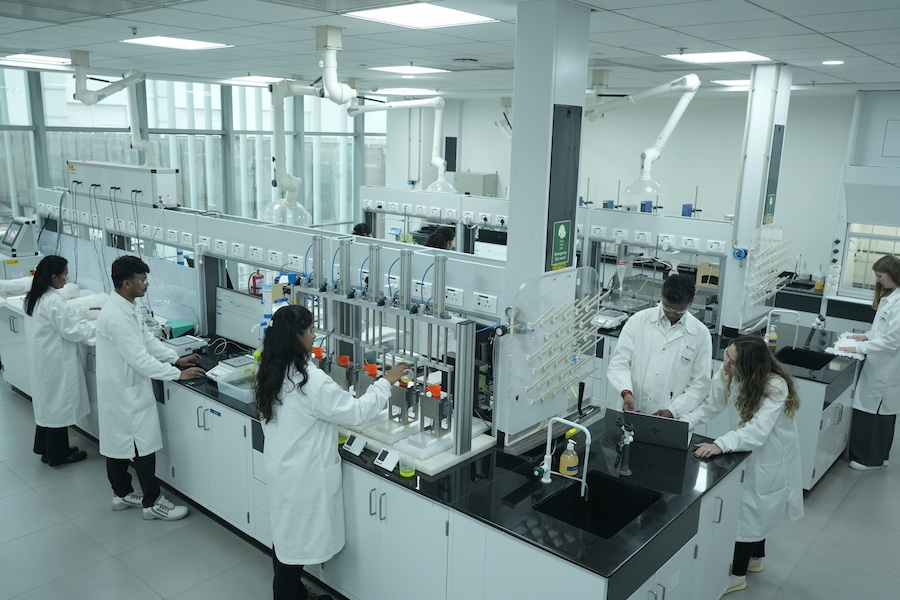
BASF opens global diaper and superabsorbents performance lab in Mumbai

BASF has officially inaugurated its new Performance Lab for diapers and superabsorbents (SAP) in Mumbai on August 18, 2026, which will provide technical and application services to superabsorbent customers globally. The new lab of BASF’s Hygiene Solutions business has been established in less than a year and is part of BASF’s Innovation Campus Asia Pacific in Mumbai, BASF’s second largest R&D site in Asia Pacific established in 2017 under BASF Chemicals India Private Limited.

#Recycling / Circular Economy

Pirelli, Pyrum, Synthos and BASF partner to transform end‑of‑life and scrap tyres into recycled materials for new products

Pirelli, Pyrum, Synthos and BASF are jointly advancing a tyre-to-tyre circular economy initiative in Europe, driving the development of an industrial ecosystem designed to increase the use of recycled materials derived from end-of-life and scrap tyres.

#Recycled Fibers

Lindex and BASF partner to bring textile-­to­-textile recycled polyamide to lingerie sector

Lindex has partnered with BASF’s loopamid® to accelerate textile-­to-­textile recycling and advance the shift towards more circular material solutions in the fashion industry. Together they introduce loopamid to the lingerie sector.

#Textile processing

trinamiX mobile NIR spectroscopy: New applications for the footwear and textile industry

trinamiX GmbH expands its solution portfolio for the circular economy, now enabling the identification of materials used in the footwear and textile industries. With its mobile near-infrared (NIR) spectroscopy solutions, trinamiX supports manufacturers, sorters, recyclers, and brand owners in reliably identifying materials and improving transparency across increasingly complex value chains.

More News on Textile chemistry

#Textile chemistry

Archroma and Lameirinho partner in pioneering deployment of InOneGO single-step dyeing

Archroma, a global leader in specialty chemicals, and Lameirinho, a leading home textiles manufacturer based in Portugal, are collaborating to bring InOneGO by Archroma, a new single-step dyeing process, into commercial production. Lameirinho’s first InOneGo bedlinens collection is now available worldwide.

#Textile chemistry

Archroma wins ICIS Innovation Award for sulfur dye breakthrough

Archroma, a global leader in specialty chemicals, has won a coveted 2026 ICIS Innovation Award for Best Product Innovation from a Large Company for FiberColors®. These high-performance sulfur dyes are synthesized from pre-consumer wool waste, reducing industry reliance on petroleum-based inputs while contributing to the circular economy by upcycling unwanted wool that farmers would otherwise pay to dispose of.

#Textile chemistry

ZymoChem secures $4 million in renewed federal funding to advance U.S. biomanufacturing of critical materials and their supply chains

ZymoChem, the specialty chemicals company dedicated to bringing decarbonization, sustainability, and supply chain resiliency to the chemical industry through innovative biological manufacturing, today announced the resumption and expansion of its federal research portfolio. The company has been notified that previously paused work under a $5 million U.S. Department of Energy (DOE) program is officially back on, to be joined by continuing collaborations with three of the nation's premier national laboratories.

#Textile chemistry

bluesign updates chemical reference lists with stronger PFAS restrictions

bluesign has published the 2026 editions of its three core chemical reference lists, introducing updated substance limits and testing requirements in line with the latest scientific findings and regulatory developments.

Latest News

#Associations

Automation, digitalization and new business models are shaping the future of footwear and leather technology

The European footwear and leather machinery industry is facing profound transformations. Global competitive dynamics, technological innovation, automation and digitalization are fundamentally reshaping markets, production processes and business models. This is one of the key findings of the new study “Threads of the Future – Footwear and Leather Technology Edition”, which was presented today by VDMA Textile Care, Fabric and Leather Technologies (VDMA TFL) during a press conference at SIMAC Tanning Tech in Milan.

#Knitting & Hosiery

SHIMA SEIKI to showcase flat knitting and digital design solutions at Egypt Stitch & Tex

Leading Japanese computerized flat knitting technologist SHIMA SEIKI MFG., LTD. of Wakayama, Japan, together with its sales representative in Egypt, TTS (EL MASRIA FOR TRADE & TECHNICAL SERVICES), will participate in the upcoming 24th International Exhibition for Textile & Carpet Machineries, Printing Technologies and Accessories (Egypt Stitch & Tex) to be held in Cairo, Egypt this month.

#Associations

EURATEX calls for urgent action on industrial competitiveness

EURATEX, the European Apparel and Textile Confederation, welcomes today’s State of the Union Address by European Commission President, Ursula von der Leyen, and in particular her recognition of Europe’s need to rebalance unfair trade, cut red tape, and strengthen its industrial and strategic autonomy.

#Raw Materials

Cotton made in Africa puts farmer dialogue at the heart of agricultural training

A new manual created by the Aid by Trade Foundation and African People & Wildlife shows how Cotton made in Africa aims to transform cotton cultivation through dialogue rather than directives.

TOP