[pageLogInLogOut]

#Techtextil 2024

The DITF will be present in Frankfurt with a booth and five presentations

The German Institutes of Textile and Fiber Research (DITF) will be providing information on new developments along the entire textile value chain.

This year's focus is on smart cycles, pneumatic textiles, fabrics with integrated light guides and textile pressure sensors, ceramic fibers, self-cooling surfaces, lignin coatings for geotextiles and protective gloves, sensor work gloves, bio-based and biodegradable nonwovens and sound insulation.

Lectures by the DITF:

Self-cooling textiles – energy-free method using radiative cooling technology

Lea Zimmermann, Cigdem Kaya, Thomas Stegmaier, Götz Gresser

Wed, 24 April 2024 from 3:50 pm to 4:10 pm


Meltblown-processing of polyhydroxyalkanoates: 100% bio-based and 100% biodegradable nonwovens

Tim Höhnemann

Thu, 25 April, from 9:30 am to 9:50 am


Lignin: waste becomes a promising raw material for textile coating

Cigdem Kaya, Thomas Stegmaier, Götz Gresser

Thu, 25 April 2024 from 10:10 am to 10:30 am


Gloves coated with Lignin in 3D printing process

Andreas Scherrieble

Thu, 25 April 2024, from 12:50 pm to 1:10 pm


Holistic Calculation of the Product Carbon Footprint along the Textile Supply Chain

Thomas Fischer

Thu, 25 April 2024 , from 2:50 pm to 3:10 pm


More News from Deutsche Institute für Textil- und Faserforschung Denkendorf

#Recycling / Circular Economy

DITF establishes CYCLOTEXUM recycling center to advance mechanical and solvent-based textile recycling

As part of the CYCLOTEXUM research project, the German Institutes of Textile and Fiber Research Denkendorf (DITF) established the CYCLOTEXUM recycling center. There, in collaboration with industry partners, the center develops application-oriented solutions for mechanical and solvent-based recycling processes. The technologies developed make a significant contribution along the textile value chain toward the efficient use of textile resources in the future and the transition of production in the German textile sector to a circular economy. The project was funded by the Ministry for the Environment, Climate and Energy Sector of the State of Baden-Württemberg.

#Research & Development

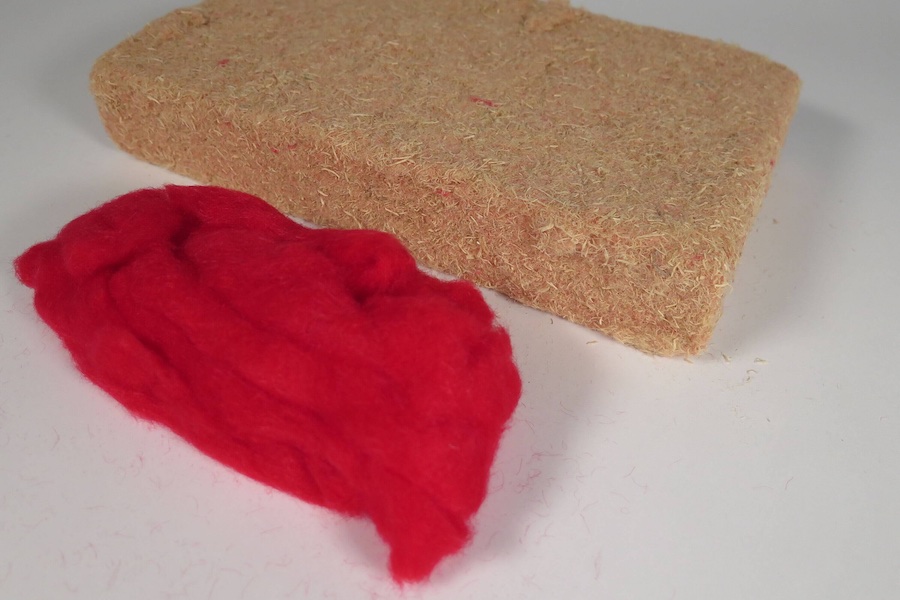
DITF develops bio-based binding fibers for wood-fiber insulation materials

As part of the CelluWoodFlex project, the German Institutes of Textile- and Fiber-Research in Denkendorf (DITF) are developing bio-based cellulose ester fibers as alternative binding fibers for flexible wood fiber insulation materials. In addition to the spinning process and the production of suitable staple fibers, the institute is also investigating how wood and cellulose fibers can be separated and recycled at the end of their useful life.

#Research & Development

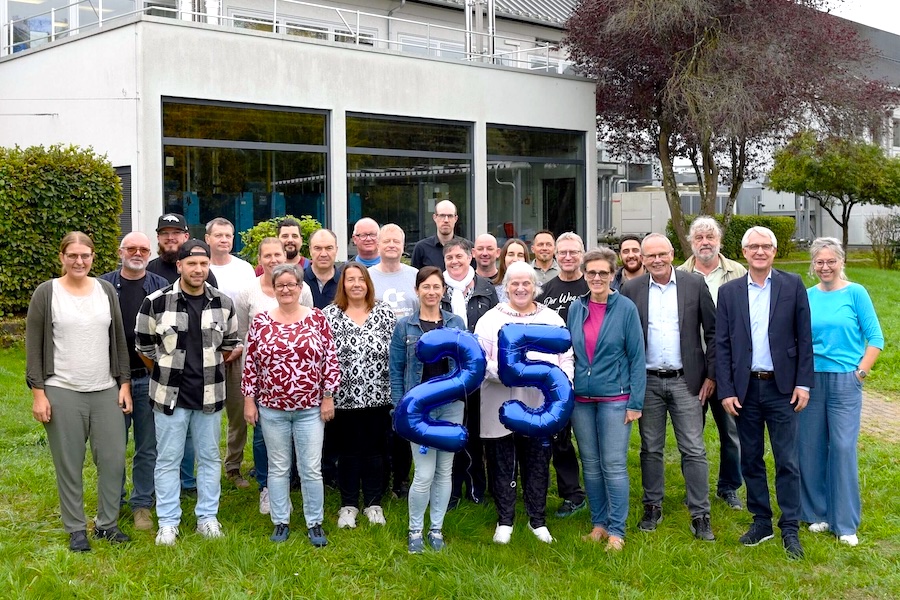
25 years of medical devices: ITVP combines experience with innovation

ITV Denkendorf Produktservice GmbH (ITVP) is celebrating its 25th anniversary. On October 1, 2001, ITVP was founded as a subsidiary of the German Institutes of Textile and Fiber Research Denkendorf (DITF), Europe’s largest textile research center. This spin-off company made it possible to consolidate expertise in medical technology and significantly expand production, which had previously been initiated mostly in the DITF’s cleanrooms.

#Research & Development

Reducing development times for technical textiles by accelerated thermo-oxidative aging in a high-pressure autoclave

Synthetic polymers used in technical textiles can be effectively protected against degradation caused by heat, oxygen, and water through the use of stabilizer systems. This enables service lives of several decades, extending to more than 50 years. As the use of durable technical textiles continues to grow, so does the demand for reliable methods to predict their service life within economically feasible testing periods. For the first time the German Institutes of Textile and Fiber Research Denkendorf (DITF) developed methods for robust service life prediction for textiles in an IGF research project.

More News on Techtextil 2024

Latest News

#Textile processing

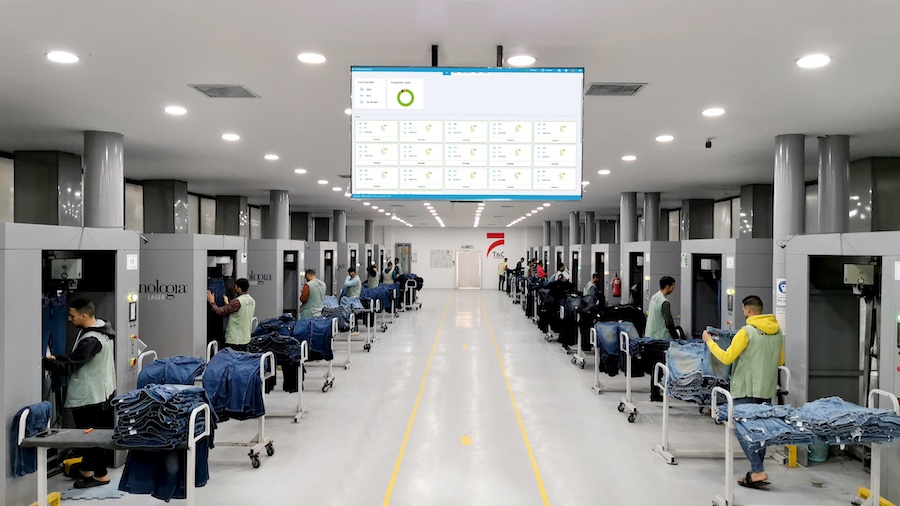
Jeanologia combines digitalisation, laser and ozone technology to strengthen China’s textile competitiveness

At ITMA Asia + CITME 2026 in Shanghai, Jeanologia showcased how the combination of digitalisation, laser technology and G2 Ozone can help China’s textile industry improve productivity, speed, quality and efficiency. With its Compact Super Flash laser system and integrated production concepts, the Spanish technology specialist demonstrated how connecting product development and industrial production can enable faster, more automated and sustainable manufacturing processes.

#Textile chemistry

Flame protection and OEKO-TEX® certification: Gulec Chemicals clears an important hurdle

Three halogen-free flame retardants from German specialist Gulec Chemicals have been included in the OEKO-TEX® list of accepted Active Chemical Products (ACP). The listing opens up additional opportunities for textile finishers, coaters and manufacturers of technical textiles seeking to combine demanding fire protection requirements with certification according to OEKO-TEX® STANDARD 100.

#Dyeing, Drying, Finishing

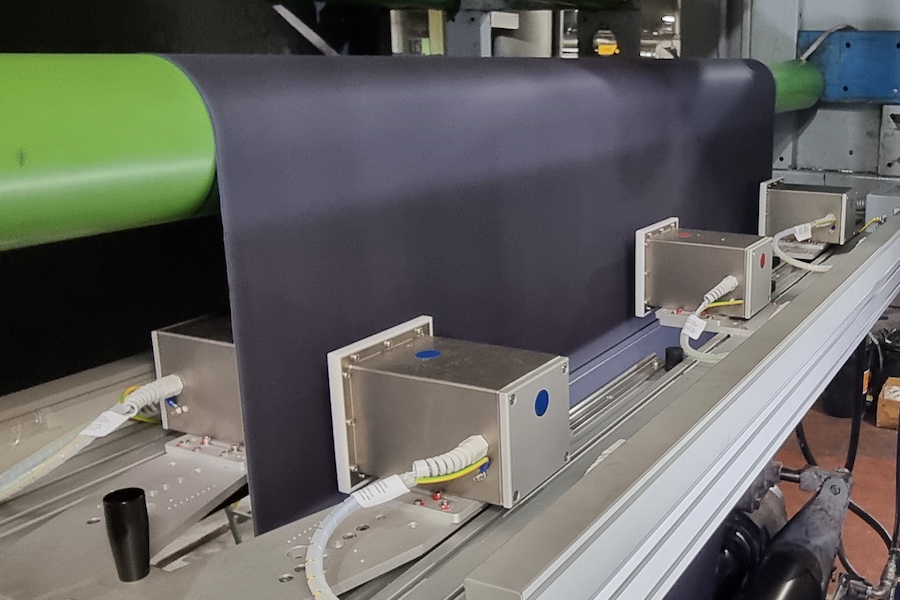
PLEVA improves dyeing consistency with inline microwave measurement of liquor pick-up

Consistent shades are essential in continuous textile dyeing. Yet variations in fabric absorbency or uneven padder pressure can go unnoticed until the end of the line. By then, hundreds of metres of fabric may already be affected and may become second-choice or rejected.

#ITMA 2027

CEMATEX outlines future exhibition strategy for ITMA 2027 and ITMA ASIA Singapore 2029 at ITMA NEXT

At the ITMA NEXT | Industry Networking event on 22 November in Shanghai, CEMATEX unveiled its plan for ITMA ASIA Singapore 2029, marking a new chapter under its sole organisation and management. CEMATEX also highlighted exciting initiatives for ITMA 2027, inviting the global textile and garment technology community to convene in Hanover to discover breakthrough innovations, exchange insights and forge partnerships that will shape the future of textiles.

TOP