[pageLogInLogOut]

#Techtextil 2019

Follmann presents innovations in coatings and adhesives

Under the slogan „Coatings and Adhesives for Technical Textiles“ Follmann will be presenting its wide range of products for technical textiles at this year's Techtextil from 14 to 17 May 2019 in Frankfurt at the booth D73 in Hall 3.0. The products range from water-based polymer dispersions, PVC plastisols, pigment preparations and coatings for digital printing to polyurethane hot melts for textile lamination.

The leading international trade fair for technical textiles and nonwovens is an important platform for Follmann to present its range of functional coatings to an interested audience. For the first time at Techtextil, the family-owned company from Minden will also be presenting its water-based coatings for digital printing media as well as the polyurethane hot melts for textile lamination.
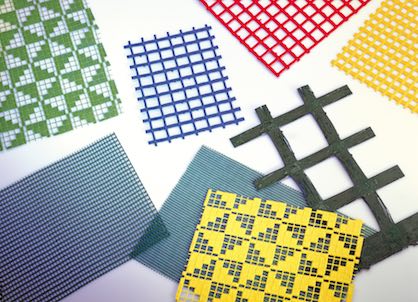
Follmann PVC Plastisole (c) 2019 Follmann


PVC plastisols und water-based polymer dispersionen for rigid and flexible substrates

Functional coatings are used almost everywhere today. They should be able to reliably perform their various tasks both in everyday life, such as in the operating room, and under extreme conditions, such as on the high seas. With PVC plastisols and water-based polymer dispersions from Follmann, a wide variety of substrates, such as roofing membranes, geotextiles, transport or conveyor belts, are optimally equipped and adapted to almost any desired requirement. Depending on the conditions of the application, the properties a product should have, such as UV stability, flame retardancy, seawater resistance or slip resistance, can be combined almost unlimitedly. With Follmann's tailor-made solutions, a wide variety of ideas and wishes can be realised.

Pigment preparations for coatings

Whether it's for PVC plastisols for floorings, cable sheathings, films, synthetic leather, toys or PUR systems – Follmann's solvent-free pigment preparations are excellently suited for colouring liquid plastics and polyurethanes. They provide optimum pigment dispersions, high colour brilliance and intensity, and excellent light fastness and thermal stability. These low-fogging and low-migration, VOC-free pigment preparations also excel with broad compatibility and very good storage stability. The pigment preparations specially developed for industrial applications are particularly suitable for PUR systems, coating systems and typical CASE applications. They also impress with perfect pigment dispersions, brilliant and pure colour shades, broad compatibility and excellent storage stability, and they are VOC- and solvent-free. In addition to a standard range, Follmann naturally also offers custom solutions, i.e. solutions adapted to individual customer requirements.


Water-based coatings for digital printing media

For the first time at Techtextil, Follmann is presenting its water-based, ready-to-use coatings for digital printing media, which have enriched the company's portfolio since March 2018. They can be used to digitally print on numerous substrates such as paper, textiles, foils, nonwovens, wallpaper and canvas in further processing. The environmentally friendly received coatings are suitable for various ink and colour systems - be it water-based pigment or dye inks, latex inks, solvent inks or UV-curing inks. The functional surface coatings enable high-quality printing results and guarantee outstanding colour brilliance. Thanks to the high drying speeds, the printed media can be processed quickly.

Polyurethane hot melts for textile lamination

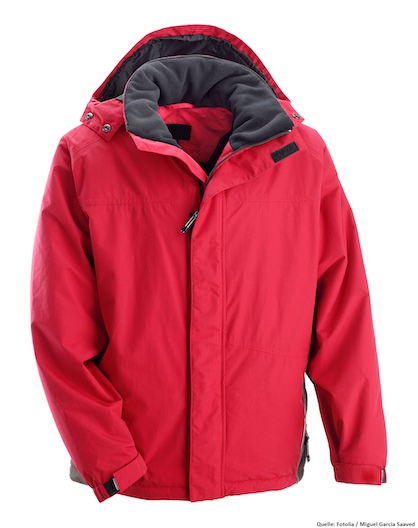
As the latest addition to its portfolio for textile applications, Follmann will be showing its new polyurethane hot melt adhesives for industrial lamination of high-performance technical textiles at the trade fair. The hot melts are tailor-made for various applications such as the manufacture of safety and work clothing, breathable sports articles, filter media, automotive interior decors, medical textiles or abrasive carriers. The reactive, moisture-curing products offer excellent adhesion properties on a wide variety of substrates and high initial strengths compared to water- or solvent-based systems. In addition, the polyurethane hotmelt adhesives have excellent temperature resistance, a soft and highly flexible adhesive joint, high hydrolysis and wash stability and, last but not least, high process efficiency in a wide variety of production layouts.

(c) 2019 Follmann
(c) 2019 Follmann


More News from TEXDATA International

#Texprocess 2026

Texprocess 2026: Automation, digitalisation and AI redefine textile processing

Making investment decisions in textile processing has become significantly more demanding. Increasing energy costs, a shortage of skilled labour and ongoing geopolitical uncertainties are compelling companies to focus on technologies that deliver clear gains in efficiency and process reliability. This applies equally to apparel manufacturing and to the processing of technical textiles and high-performance materials. As a result, modernisation initiatives are assessed more carefully – even as the need to upgrade production systems continues to intensify.

#Techtextil 2026

Techtextil 2026: Between innovation pressure & market reality

From 21 to 24 April 2026, Techtextil in Frankfurt am Main will once again become the central meeting point for the international technical textiles and nonwovens industry. Running in parallel, Texprocess will focus on the industrial implementation of textile processing technologies as the leading platform in this field. Together, the two trade fairs form a closely integrated presentation and working platform along the entire textile value chain – from material development to finished applications.

#Techtextil 2026

Between geopolitical pressure and industrial resilience

In this interview, Dr. Janpeter Horn (VDMA) discusses the current challenges facing textile machinery manufacturers, shaped by geopolitical tensions, regulatory developments and subdued investment. He also outlines why innovation strength, integrated solutions and strategic positioning remain key to global competitiveness.

#Texprocess 2026

Between investment restraint and modernization pressure

Texprocess 2026 takes place in a complex market environment shaped by uncertainty and innovation pressure. In this interview, Elgar Straub (VDMA) explains why the trade fair is particularly relevant this year and which technologies are driving efficiency and competitiveness.

More News on Techtextil 2019

Latest News

#Associations

BTMA backs global growth while investing in future UK leaders

As one of a number of new initiatives launched this year, the British Textile Machinery Association (BTMA) is launching the UK-India Textile Machinery Coalition. The UK-India Free Trade Agreement, signed in July 2025, has implications that extend across sourcing, competitiveness and long-term trade dynamics, believes BTMA CEO Jason Kent.

#Raw Materials

China projected to increase cotton production, yields, and imports in 2026/27

World cotton production in the 2026/27 season is projected at 25.9 million tonnes, exceeding global consumption of 25.2 million tonnes, according to the May 2026 issue of Cotton This Month. That means both production and consumption are expected to remain close to current season levels, while global cotton trade is projected to decline by 2.7% to approximately 9.6-9.7 million tonnes.

#Raw Materials

ICAC launches Carbon Credits Initiative to deliver new income streams to cotton farmers

The International Cotton Advisory Committee (ICAC) has announced a new initiative designed to unlock additional income streams for cotton farmers through participation in carbon credit markets, linking sustainable production practices directly to financial returns.

#Sustainability

Number of GOTS-certified facilities grow 15% globally as demand for credible sustainability standards continues to strengthen

Global Organic Textile Standard (GOTS) certification continued to grow in 2025, with nearly 18,000 certified facilities worldwide, despite ongoing geopolitical uncertainty and rapidly evolving regulatory requirements across global textile supply chains.

TOP






