[pageLogInLogOut]

#Technical Textiles

Flexi-Light PET: Outstanding, sustainable sound insulation for vehicles
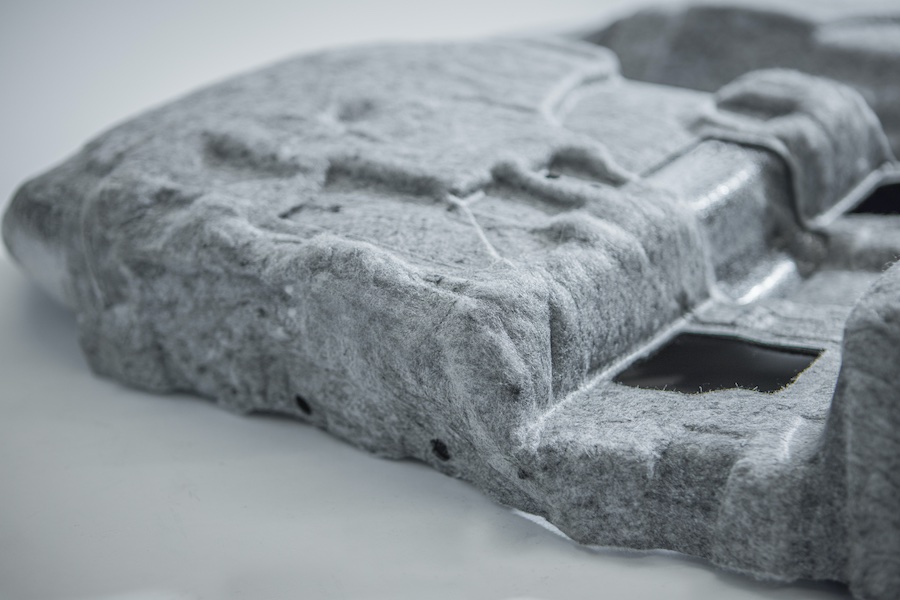
Polyurethane foam has traditionally been used to reduce noise, vibration and harshness (NVH) in vehicles, contributing to passenger comfort. At the Automotive Acoustics Conference in Constance, Germany, Autoneum presented a polyester felt-based sound insulation system that is lightweight, resilient and shapeable, thus combining best-in-class acoustic performance and precise contours with enhanced recyclability.
Flexi-Light PET © 2025 Autoneum


Flexi-Light PET is manufactured from a novel blend of polyester fibers that is primarily sourced from recycled PET. Through a state-of-the-art production process, Autoneum can adjust the fibers’ orientation to produce a proprietary felt with mechanical and acoustic properties comparable to polyurethane foam. The material is flexible and can be molded into 3D shapes, making it an ideal insulation material for interior components with complex contours, such as carpets and inner dashes.

Composed entirely of PET — up to 90% of which is recycled content — Flexi-Light PET can be used as a decoupler in conjunction with other PET-based technologies within Autoneum’s product portfolio to support full circularity, allowing for the reuse of production waste and end-of-life recycling of the product. Flexi-Light PET is the latest addition to Autoneum’s Pure technologies, which are intended to offer an excellent environmental performance throughout the entire product life cycle.

This innovation builds on the Flexi-Loft technology, which is made from a blend of recycled cotton and polyester fibers and was initially introduced by Autoneum in 2021.

Flexi-Light PET is currently available worldwide as insulation for automotive carpets.


More News from

#Recycling / Circular Economy

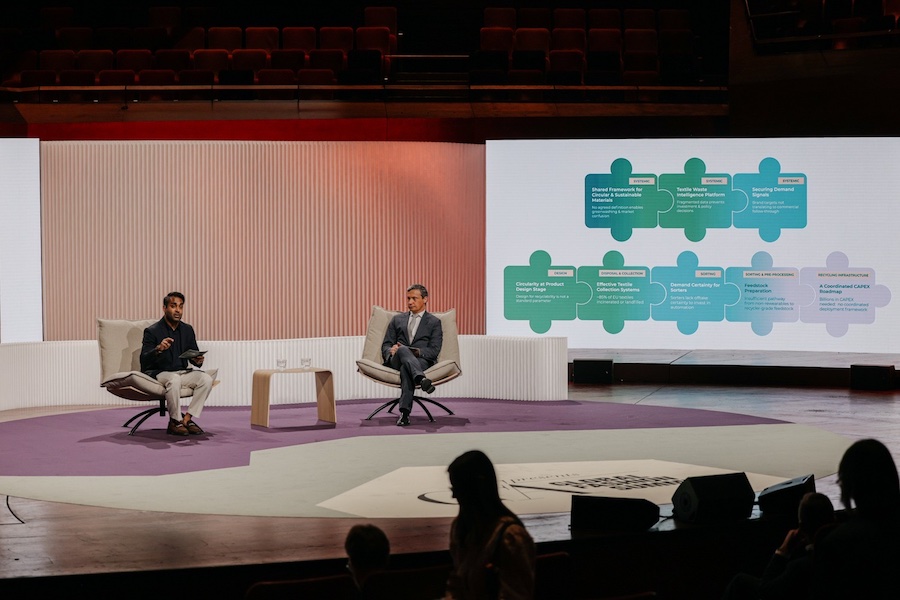
Europe’s textile future at a turning point: New 2030 Circularity Blueprint aims to scale recycling and unlock investment opportunities

The EU textile system is at a critical crossroads. Today, less than 1% of discarded garments are recycled into new garments, despite EU-wide obligations for separate collection. In response, Global Fashion Agenda (GFA) is launching the 2030 Circularity Blueprint, in partnership with ReHubs. This ambitious initiative is designed to support the transformation of the EU textile ecosystem to advance textile-to-textile recycling and drive the transition to a circular economy.

#Research & Development

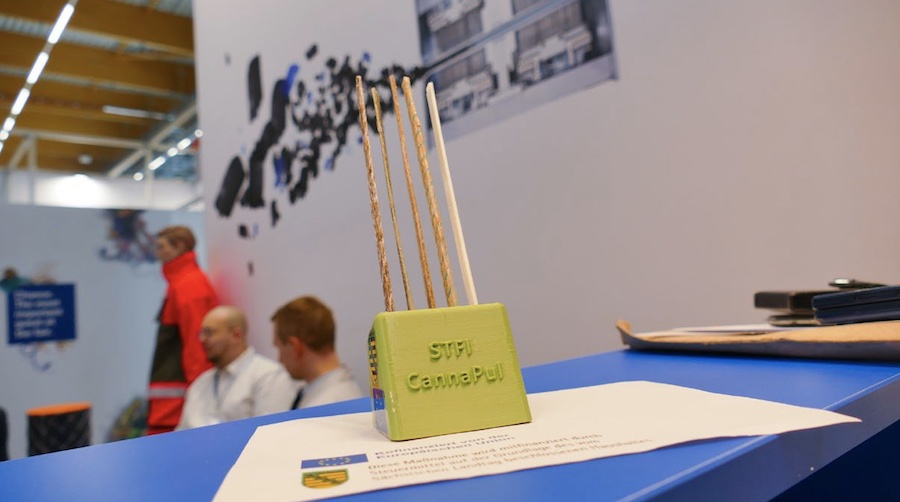
Regional hemp bast for lightweight construction profiles

The cultivation of fibre hemp for the production of ropes and clothing has a long tradition in Saxony. Due to its excellent fibre properties, it is also suitable as a renewable raw material for reinforcement in fibre composites. At the STFI and IWU in Chemnitz, the CannaPul project is cur- rently investigating how a regional value chain for hemp-based lightweight construction profiles can be established. To this end, the technical processing of hemp fibres into continuous fibre strands and their embedding in a suitable bio-based matrix are being investigated.

#Digital Printing

Kornit Digital launches Konnections 365

Kornit Digital (NASDAQ: KRNT) (“Kornit” or the “Company”), a global pioneer in sustainable, on-demand digital fashion and textile production today announced the launch of Konnections 365 - a year-round movement designed for the people moving the apparel, print, and retail industries forward. The strategy is built on the overwhelming success of Konnections 2026 held in Hollywood, Florida, featuring more than 500 customers, partners, and collaborators who together are driving the future of apparel and textiles.

#Techtextil 2026

Techtextil 2026: KARL MAYER impresses as an innovative sector partner

KARL MAYER looks back with satisfaction on its participation in Techtextil 2026. From April 21 to 24, the international industry leader used the trade show in Frankfurt to meet with numerous key customers at its booth and, at the same time, establish many new contacts. Most visitors came from Germany, followed by major markets such as Poland, the United Kingdom, Turkey, France, and Portugal.

More News on Technical Textiles

#Knitting & Hosiery

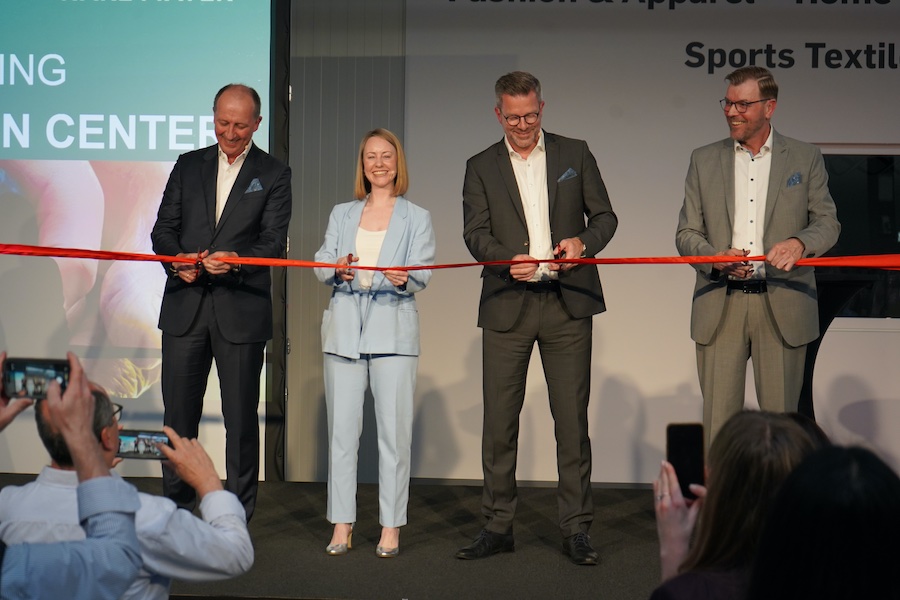
“We Believe in the Value of Textiles”: Successful Opening of the KARL MAYER TEXTILE INNOVATION CENTER

KARL MAYER inaugurated its new, state-of-the-art TEXTILE INNOVATION CENTER (TIC) with a four-day opening week from April 21 to 24. The highlight of the week was the grand opening on Thursday, which drew a strong turnout from the international textile industry: around 220 customers, brands, and partners from across the textile value chain came to the company’s headquarters in Obertshausen for a first-hand look at the new high-tech development environment and lively exchange with industry peers.

#Techtextil 2026

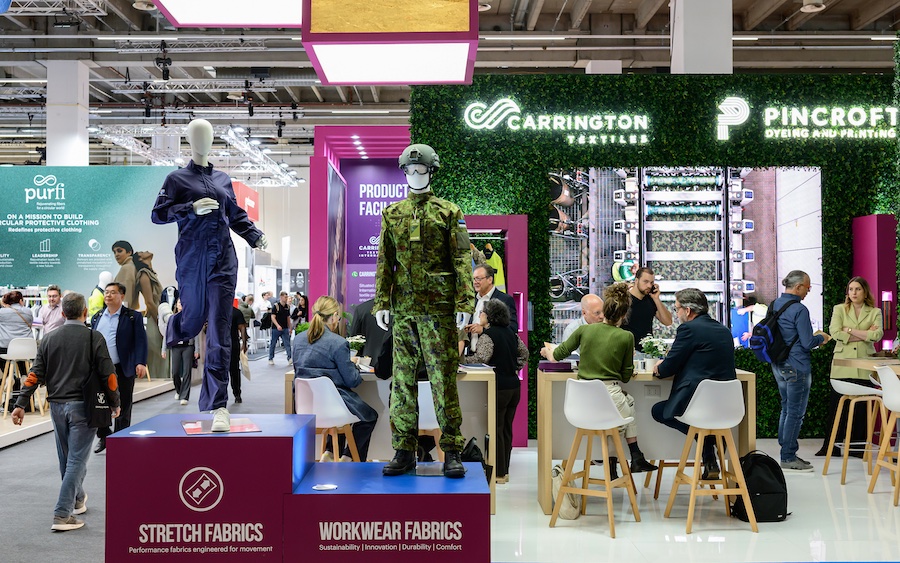
Speed and connectivity: Techtextil and Texprocess provided market-ready solutions for industries under pressure

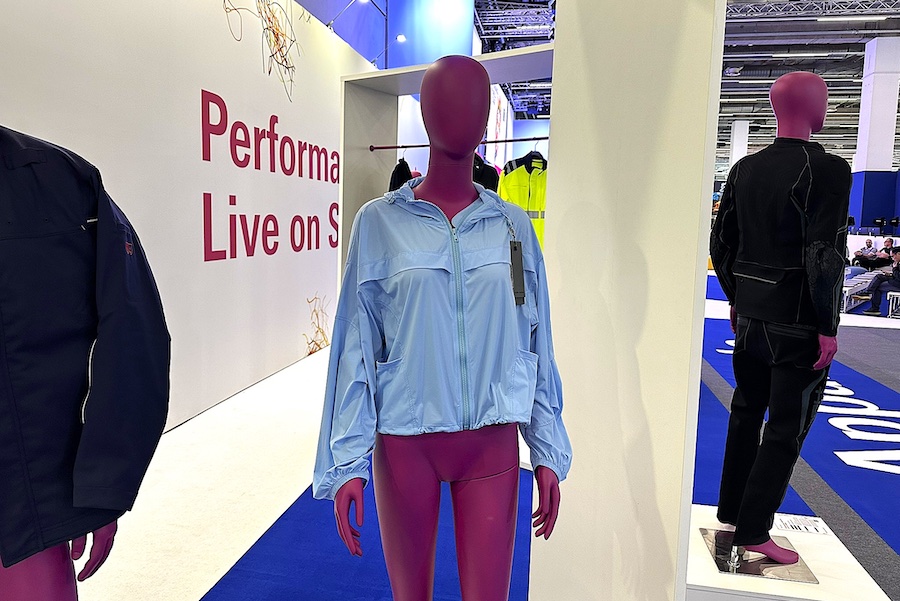
With more than 36,000 visitors and 1,700 exhibitors from a total of 112 countries, Techtextil and Texprocess 2026 demonstrated how innovation comes into industrial use. The convergence of research, industry and application proved to be a breeding ground for new material solutions, manufacturing and processing technologies. Natural fibres, performance apparel, connected systems and AI-driven processing technologies emerged as key growth and future markets.

#Techtextil 2026

Aditya Birla Group showcases integrated technical textile capabilities at Techtextil 2026

As global industries rethink supply chains and accelerate the adoption of advanced materials, the Aditya Birla Group, a US$67‑billion global conglomerate, headquartered in Mumbai, India, showcased the full strength of its technical textiles portfolio at Techtextil 2026 in Frankfurt today. The Group’s presence underscored India’s transformation into a hub for high-value, performance-driven textile solutions within the global ecosystem.

#Texprocess 2026

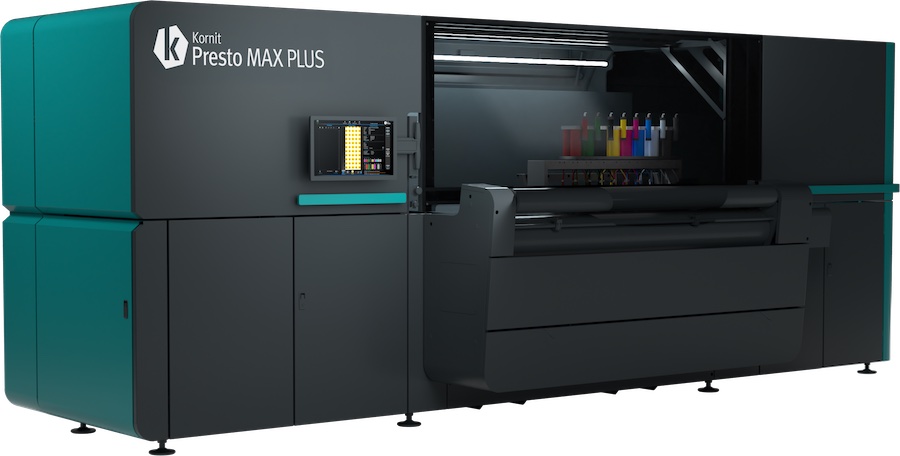
Kornit Digital expands digital production into footwear and technical textiles with Presto MAX PLUS

Kornit Digital (NASDAQ: KRNT) (“Kornit” or the “Company”), a global pioneer in sustainable, on-demand digital fashion and textile production, today unveiled the Kornit Presto MAX PLUS, a new roll-to-roll system expanding digital manufacturing into footwear, automotive interiors, military camouflage, high-performance sportswear, and high-end furnishings. Debuting at Texprocess 2026 in Frankfurt, Presto MAX PLUS enables entirely new applications for on-demand textile production.

Latest News

#Associations

BTMA backs global growth while investing in future UK leaders

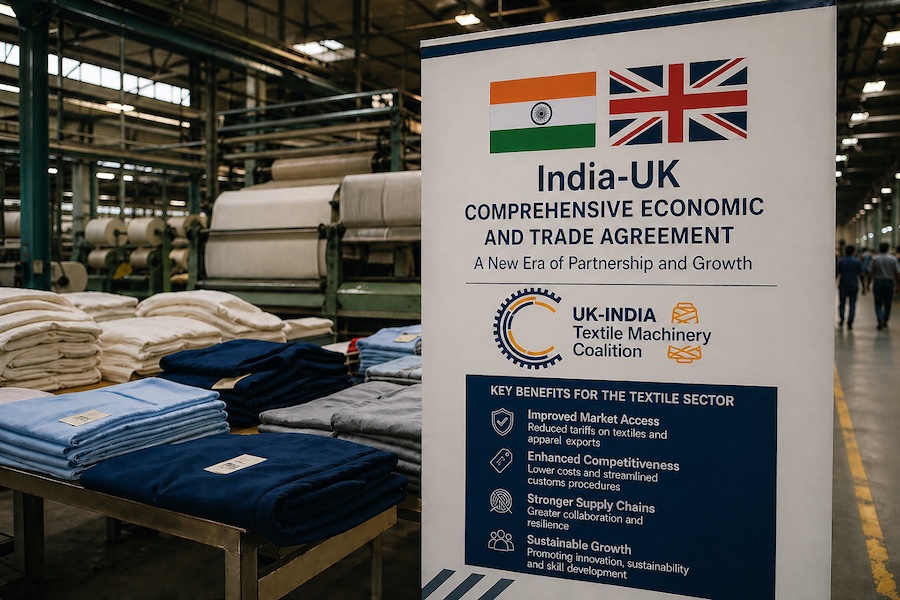
As one of a number of new initiatives launched this year, the British Textile Machinery Association (BTMA) is launching the UK-India Textile Machinery Coalition. The UK-India Free Trade Agreement, signed in July 2025, has implications that extend across sourcing, competitiveness and long-term trade dynamics, believes BTMA CEO Jason Kent.

#Raw Materials

China projected to increase cotton production, yields, and imports in 2026/27

World cotton production in the 2026/27 season is projected at 25.9 million tonnes, exceeding global consumption of 25.2 million tonnes, according to the May 2026 issue of Cotton This Month. That means both production and consumption are expected to remain close to current season levels, while global cotton trade is projected to decline by 2.7% to approximately 9.6-9.7 million tonnes.

#Raw Materials

ICAC launches Carbon Credits Initiative to deliver new income streams to cotton farmers

The International Cotton Advisory Committee (ICAC) has announced a new initiative designed to unlock additional income streams for cotton farmers through participation in carbon credit markets, linking sustainable production practices directly to financial returns.

#Sustainability

Number of GOTS-certified facilities grow 15% globally as demand for credible sustainability standards continues to strengthen

Global Organic Textile Standard (GOTS) certification continued to grow in 2025, with nearly 18,000 certified facilities worldwide, despite ongoing geopolitical uncertainty and rapidly evolving regulatory requirements across global textile supply chains.

TOP