[pageLogInLogOut]

#Sustainability

The first widely accessible Life Cycle Assessment study for cashmere production published by Textile Exchange.

Crucial new data to better understand, measure, and address the impacts of cashmere production has been made available to the fashion, textile, and apparel industry through a new Life Cycle Assessment (LCA) published by Textile Exchange.

The first widely accessible cashmere LCA study delivers robust, harmonized datasets from the world’s top two cashmere production countries, with data collected directly from 170 herders and farmers for both farmed and nomadic grazing systems.

Like the other LCA studies released by Textile Exchange, the cashmere LCA study takes an LCA+ approach, including additional impact areas relevant to a specific material or fiber. For the cashmere LCA study, soil health was investigated and a separate social assessment examined community, livelihood, and human rights impacts.

The study’s publication marks a significant step in closing longstanding data gaps for cashmere in the industry, with previous benchmarking and modeling often depending on proxy data from other animal fibers.

By identifying major impact hotspots, the study also helps organizations prioritize investment and interventions where they are likely to have the greatest impact.

Beth Jensen, Chief Impact Officer at Textile Exchange, said: “The fashion, apparel, and textile industry’s need for high-quality data has never been greater. We believe the release of this study is a pivotal moment in helping to enable a clearer understanding of the impacts and opportunities related to cashmere production, supporting informed decision-making and targeted, coordinated action among brands, suppliers, and producers.”

Anna Heaton, Lead, Animal Materials at Textile Exchange, said: “Previous analysis of the impacts of cashmere production often relied on proxy data from other animal fibers. These proxies failed to capture key differences in cashmere production, such as variations in fiber-to-meat and milk ratios, which significantly influence environmental impact.

This LCA study changes that, providing up to date harmonized datasets specific to cashmere for the first time. Through industry databases, the data will be made widely available and accessible to help establish a much clearer picture of the impacts of cashmere production.”

Read the summary of the Textile Exchange cashmere LCA study

Summary of the Textile Exchange cashmere LCA study



More News from Textile Exchange

#Sustainability

Updated supply chain taxonomy advances apparel alignment

The apparel alliance (Apparel Impact Institute, Cascale, Textile Exchange, and ZDHC Foundation) today announced the launch of Version 2 of the Supply Chain Taxonomy, an updated harmonized framework designed to improve consistency, transparency, and collaboration across the textile, clothing, leather, and footwear (TCLF) sectors of the broader apparel industry.

#Sustainability

Textile Exchange unveils agenda for 2026 conference in Vancouver

Textile Exchange has released the agenda for its 2026 Conference, which will take place from October 12–16 in Vancouver, Canada. Under the theme “The Implementation Era,” the event will focus on translating sustainability commitments into practical action and scaling solutions across businesses, supply systems, and landscapes.

#Man-Made Fibers

Textile Exchange publishes comprehensive polyester LCA study

Textile Exchange has released a new Life Cycle Assessment (LCA) study on polyester, providing detailed data on the environmental impacts of both virgin and recycled polyester production. The study aims to strengthen understanding across the fashion, textile and apparel industries and support more informed decision-making regarding polyester sourcing and production.

#Raw Materials

Textile Exchange publishes cotton Life Cycle Assessment study to strengthen impact data

Textile Exchange has published the first in a series of seven Life Cycle Assessment (LCA) studies designed to improve the quality and robustness of environmental impact data for raw material production across the fashion, textile, and apparel industry. The first LCA study focuses on cotton and addresses critical data gaps and methodology variability through new high-quality data across key producing countries. The study includes organic, regenerative, recycled, and country averages for conventional cotton production systems, providing a clearer picture of the associated environmental impact.

More News on Sustainability

#Sustainability

GOTS releases Version 8.1 with clarifications and editorial updates

Global Standard has released Version 8.1 of the Global Organic Textile Standard (GOTS), following the publication of Version 8.0 in March 2026.

#Sustainability

bluesign appoints Hanane Taidi as CEO to lead next phase of global impact

bluesign, which partners with the textile industry to reduce adverse impact across the value chain, appoints Hanane Taidi as Chief Executive Officer, marking a pivotal moment as the company builds on its leadership amid rapid industry change.

#Sustainability

Indovinya advances sustainable solutions with agreement for the supply of renewable Oxygen from Air Liquide

Indovinya, the specialty chemicals and surfactants division of Indorama Ventures, has entered into an agreement with Air Liquide — a world leader in gases, technologies, and services for industry and healthcare — for the supply of renewable oxygen. The agreement represents a strategic advancement in Indovinya’s commitment to sustainability, as it increases the share of renewable raw materials in the production of ethylene oxide, one of its key products.

#Sustainability

Global Standards establishes new non-profit foundation to strengthen governance

Global Standards gGmbH, the nonprofit organisation behind the globally recognised Global Organic Textile Standard (GOTS), announced a new governance structure designed to support its long-term mission and reinforce organisational autonomy of its Voluntary Sustainability Standards and programmes.

Latest News

#Knitting & Hosiery

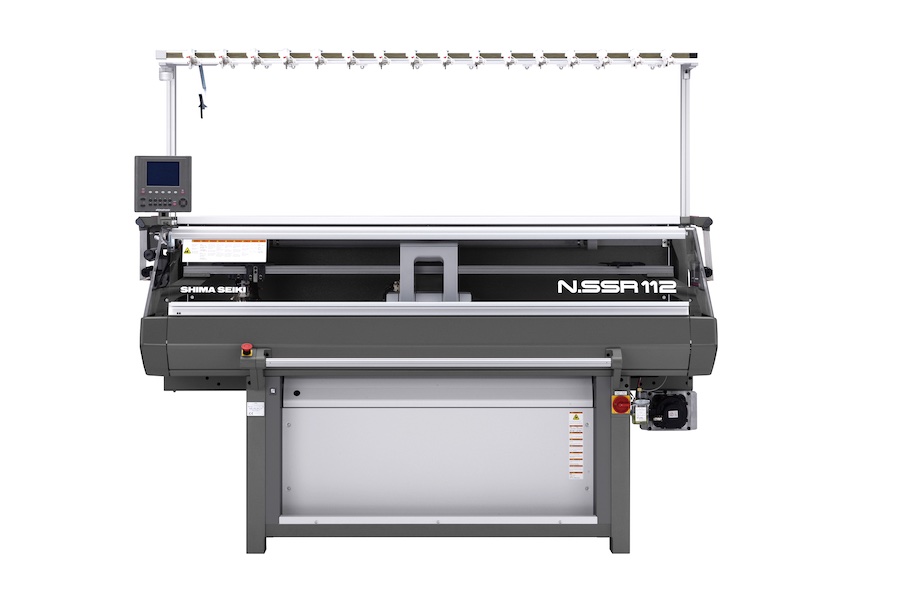
SHIMA SEIKI brings new flat knitting technologies to FEBRATEX 2026

Leading flat knitting solutions provider SHIMA SEIKI MFG., LTD. of Wakayama, Japan, together with its Brazilian representative BRASTEMA TECNOLOGIA TEXTIL LTDA., will exhibit at the Brazilian Textile Industry Fair (FEBRATEX 2026) this month. On display will be a roundup of SHIMA SEIKI computerized flat knitting technology, represented by WHOLEGARMENT® knitting machines, computerized flat knitting machines featuring a brand-new model with high productivity and excellent cost performance, a glove knitting machine and the latest digital solutions.

#Man-Made Fibers

Lenzing reports improved half-year results and advances strategic transformation

Despite a persistently challenging market environment in the first half of 2026, characterized by volatile energy and raw material prices, subdued global consumer demand and intensified competition from Asia, the Lenzing Group significantly improved its financial performance. Net result after tax more than doubled to EUR 35.6 million, compared with EUR 15.2 million in the first half of 2025. Free cash flow increased to EUR 45.8 million, while EBITDA amounted to EUR 239.2 million. Revenue totaled EUR 1.27 billion, compared with EUR 1.34 billion in the previous year.

#Recycling / Circular Economy

German 'ZOLL' turns end-of-life uniforms into valuable raw materials

Together with CWS Workwear, the German Customs Administration is extending the life cycle of service uniforms through reuse, recycling and material recovery, demonstrating how circular economy principles can be successfully implemented in the public sector while delivering significant savings.

#Spinning

Trützschler’s latest spinning and card clothing innovations at CAITME 2026

From September 8 to 10, 2026, Trützschler will present its latest innovations in spinning and card clothing for state-of-the-art fiber processing at CAITME in Tashkent, Uzbekistan. Visitors are invited to meet the experts at Pavilion 2, Booth D50 and explore solutions designed to increase productivity, streamline processes, and ensure consistently high yarn quality. Key topics include the next-generation card TC 30i, the integrated draw frame IDF 3, the high-performance comber TCO 21XL as well as Trützschler Card Clothing’s new flat top series STEELTOP®.

TOP