[pageLogInLogOut]

#Sustainability

Global Standard’s GOTS joins the MAKE THE LABEL COUNT coalition

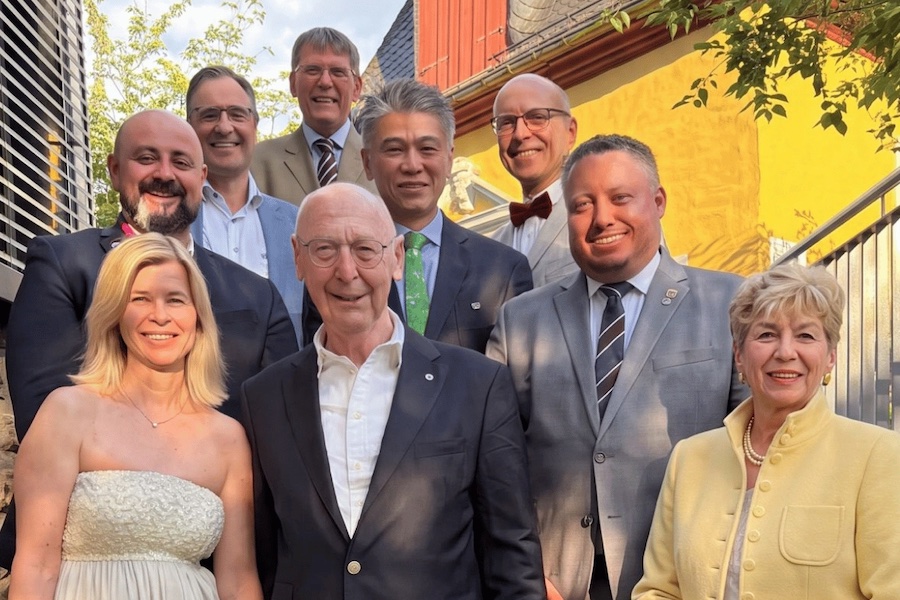
Global Standard, the nonprofit that owns and operates the Global Organic Textile Standard (GOTS), has joined the Make the Label Count coalition of international natural fibre producers, manufacturers, brands, standards and environmental groups. As a recognised authority in the organic textile industry, Global Standard will contribute its extensive expertise and leadership, while ensuring that voices from every segment of the value chain are heard.

In its endeavour to prevent greenwashing and empower consumers to make informed decisions about the clothes and textiles they wear, Global Standard joined the coalition to help ensure that textile sustainability claims in the EU are credible and substantiated in a transparent and fair way. 

“GOTS, with more than 16,000 certified facilities, shows that businesses want to prove their sustainability efforts, and that people want to buy more environmentally friendly textiles, provided that the labels and claims are accurate and credible” said Marie-Luise Pörtner, Global Regulations Specialist at Global Standard. “Consumers can trust the GOTS label because of robust, verifiable ecological and human rights criteria throughout the textile production value chain, a strong due diligence commitment and sustainability claims backed by independent third-party certification bodies.” 

Launched in 2021, Make the Label Count specifically advocates for a revision of the Product Environmental Footprint (PEF) methodology for textiles which is currently being developed to assess a product’s environmental impact and provide consumers with information on that impact. Although PEF has the potential to direct the textile sector towards a sustainable system of production and consumption, it still has significant limitations, such as different system boundaries for textiles made from natural and synthetic fibres, or the non-inclusion of microplastics and plastic waste. Its application thus risks legitimising unsustainable consumption with an EU-backed green claim.

More News from Global Standard (GOTS)

#Sustainability

GOTS publishes update: Approval procedure & requirements for certification bodies – Version 4.0

The updated Version 4.0 has been aligned with the requirements of ISO 17065 and incorporates revised conformity assessment procedures and methodologies for Certification Bodies. These updates reflect best practices in evaluating management systems, thereby strengthening quality assurance, and safeguarding the integrity of certified products.

#Sustainability

Global Standard to launch new Global Responsible Textile Standard (GRTS), calls for public consultation

Global Standard, the non-profit organisation behind the internationally recognised Global Organic Textile Standard (GOTS), today announces the launch of the public consultation period for its new voluntary sustainability standard: the Global Responsible Textile Standard (GRTS).

#Sustainability

OECD assessment of GOTS indicates strong alignment with international due diligence frameworks

Global Standard, the non-profit organisation behind the Global Organic Textile Standard (GOTS), announces today the conclusion of an OECD Alignment Assessment of GOTS Version 7.0. The OECD evaluated the standard against its Due Diligence Guidance for Responsible Supply Chains in the Garment and Footwear Sector and found GOTS to demonstrate strong alignment across all six steps of the due diligence framework.

#Sustainability

Global Standard expands scope, leverages AI innovation, and amplifies global engagement

Global Standard, the nonprofit that owns and operates the Global Organic Textile Standard (GOTS), today released its 2024 Annual Report highlighting its global mark on the organic textile industry.

More News on Sustainability

#Sustainability

Ying McGuire becomes new CEO of Cascale

Cascale today announced the appointment of Ying McGuire as Chief Executive Officer, effective June 1, 2026.

#Sustainability

VAUDE eliminates PFAS from all products

PFAS (per- and polyfluoroalkyl substances) are now detectable worldwide – in drinking water, soil and the human body. These so-called “forever chemicals” are considered hazardous to health and potentially carcinogenic, as they do not break down and remain in the environment permanently. Despite these risks, PFAS are still used in a wide range of products. More than 15 years ago, VAUDE made a strategic decision to gradually eliminate PFAS from all product categories.

#Sustainability

OEKO-TEX® chooses TextileGenesis to advance digital traceability for organic cotton

OEKO-TEX® today announced a full collaboration with TextileGenesis, a Lectra company, to digitally trace and authenticate organic cotton, strengthening fraud prevention across the supply chain. This announcement follows a successful pilot and brings together OEKO-TEX®’s certification expertise and closed testing system with TextileGenesis’ digital traceability platform to deliver a secure, end-to-end solution for managing certified organic cotton flows.

#Europe

ICAC to support European Commission on pending PEF legislation

The International Cotton Advisory Committee (ICAC) is proud to announce that it has been included as a member of the European Commission’s Technical Advisory Board (TAB) on the Product Environmental Footprint methodology. The Commission developed the Product Environmental Footprint (PEF) to assess and communicate the life cycle environmental performance of products and organizations.

Latest News

#Technical Textiles

Sustainable, lightweight, and sound absorbing: Polyester-based front trunk solution for BEVs

As car manufacturers look to further reduce their carbon footprint, Autoneum has developed an innovative front trunk solution for battery electric vehicles (BEVs), made entirely from polyester-based textile. The Ultra-Silent Frunk offers significant weight reduction, improved acoustic and thermal insulation, and uses up to 70 percent recycled material, supporting sustainable and efficient vehicle design. Autoneum, global technology leader in acoustic and thermal management for vehicles, has already received orders for the new frunk from three major OEMs in Asia and Europe to be built in three BEV models. Series production for two BEVs has been underway in China and Germany since last year.

#Raw Materials

Modern testing methods for raw cotton

The 38th International Cotton Conference Bremen will take place from 25 to 27 March 2026 at the Bremen Parliament. This conference has traditionally stood for in-depth expertise and international exchange. The program will focus on technical innovations, market trends, and regulatory frameworks across the entire value chain – from agriculture to the circular economy. With high-profile speakers, the conference is regarded as the key meeting point for the global cotton industry. Today’s focus: Cotton quality and testing methods.

#Spinning

Rieter responds to higher raw material prices

Global political and economic developments have been leading to rising raw material and energy costs for some time. The textile machinery industry is also affected by this trend. Rieter machines and components consist to a large extent of steel, copper, aluminum and electronics. These materials in particular have seen higher demand and higher prices in recent months.

#Weaving

Stäubli demonstrates how innovation translates into real benefits for weaving mills at SITEX 2026

One of India’s most prominent textile industry events, SITEX 2026, is held from February 21 to 23 in Surat. Committed to empowering Indian weaving mills with state‑of‑the‑art solutions tailored to regional needs, Stäubli will present a selection of solutions designed for performance, reliability, and power efficiency. Through its weaving preparation, cam and dobby shedding solutions and Jacquard technologies, Stäubli highlights its global expertise tailored to the specific needs of the local market.

TOP