[pageLogInLogOut]

#Sustainability

RadiciGroup at Phygital Sustainability Expo in Rome

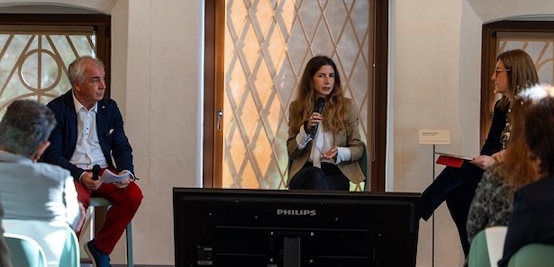
RadiciGroup participated in the third edition of PHYGITAL SUSTAINABILITY EXPO, which took place on 11 and 12 July in Rome. The event was focused on the ecological transition of fashion and design brands through technological innovation.

Commitment for a sustainable fashion industry 

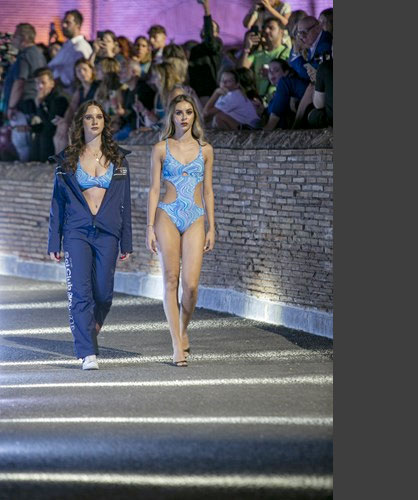
During the “narrated fashion show”, at the archaeological site of the Museo Dei Fori Imperiali, two sustainable garments by RadiciGroup were shown: the first completely recyclable ski suit made with recycled nylon and the Yamamay swimsuit made with polyester yarn obtained from recycling of plastic bottles.

© 2022 Radici Group
© 2022 Radici Group


The circular ski suit is the result of the collaboration between two Bergamo-based, best-in class companies such as RadiciGroup and DKB (a company specializing in technical sportswear). It is made of Renycle®, a yarn produced by RadiciGroup derived from the recycling of polyamide (nylon), which allows significant savings in terms of energy use, CO2 emissions and water consumption. The padding and the numerous accessories of the ski suit are also made of polyamide: the end result is an almost mono-material garment that significantly facilitates end-of-life recycling. It can be more easily converted into polymers for use in the manufacture of ski boot components and bindings, in addition to applications in the automotive and furnishing industries, or in any other sector requiring the characteristics of high performance polyamides. The suit, consisting of jacket and trousers, is thus an all-round application of eco-design and circular economy principles to fashion and garment making.

Currently the suit is used by the athletes of RadiciGroup Ski Club, but the model will be part of the new DKB collection, available starting from winter 2022 in sports shops.

Yamamay chose the sustainable polyester yarn Repetable® by RadiciGroup, for its new green beachwear proposal, with the aim of combining beauty and sustainability. Repetable is an innovative polyester yarn obtained through a process of recycling plastic bottles. Compared to virgin polyester, Repetable allows lower CO2 emissions (-45%), lower water consumption (-90%) and lower energy consumption (-60%), while guaranteeing high performance. The new line “Edit” by Yamamay, which includes the swimsuit made with Repetable, has already been on the market since the end of last May.


The participation of RadiciGroup in the PHYGITAL SUSTAINABILITY EXPO represents further confirmation of the Group commitment to creating a fashion industry that is increasingly respectful of the environment, thanks to the involvement of all the players in the supply chain, which are most sensitive to sustainability.
© 2022 Radici Group
© 2022 Radici Group


More News from Radici Partecipazioni SpA

#Recycled_Fibers

Recycling mixed-fibre garments becomes a reality: RadiciGroup, The LYCRA Company and Triumph take circular fashion a step forward

The process, which is both economically and environmentally sustainable, has enabled the production of an underwear set made from 100% recycled nylon and LYCRA® fibre in a closed-loop system.

#Sustainability

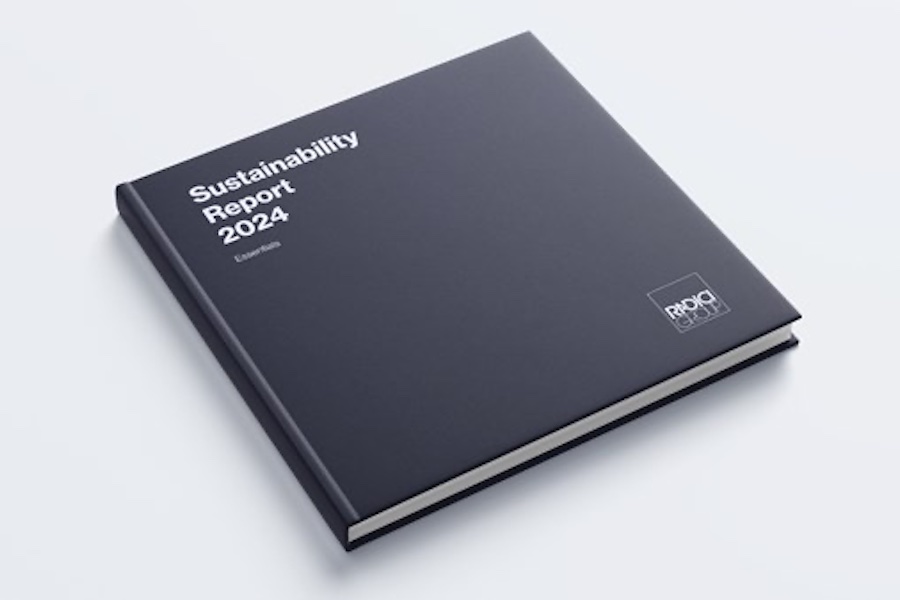
RadiciGroup: 21st Sustainability Report published

RadiciGroup has published its 21st Sustainability Report, covering the year 2024, confirming more than two decades of transparency and measurement in the economic, environmental, and social dimensions. From its first Social Report in 2004 to the current reporting aligned with the GRI Universal Standards, the Group is now preparing for its next challenge: the adoption of the criteria that will be set out by the Corporate Sustainability Reporting Directive (CSRD).

#Recycling / Circular Economy

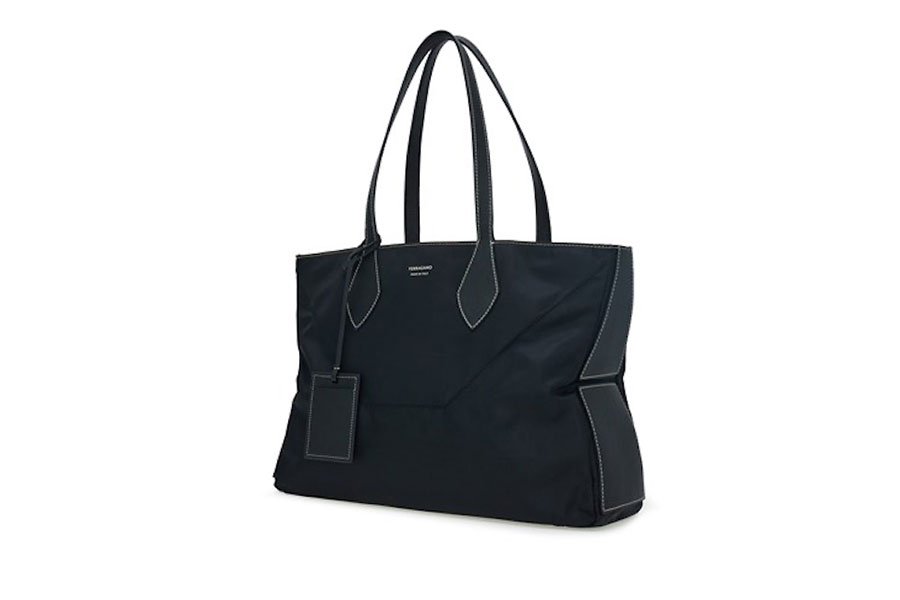
RadiciGroup and Ferragamo team up for an eco-design project under the Monitor for Circular Fashion initiative

RadiciGroup, a leading player in sustainable textile solutions, has partnered with Ferragamo to develop “Nova – The evolution of a Star”, an eco-design project that reimagines one of the Maison’s iconic handbags through the lens of circularity.

#Yarn & Fiber

Twenty years of Sustainability Report for RadiciGroup

The RadiciGroup Sustainability Report reaches an important milestone this year: twenty years have in fact passed since the Group published its first Social Report in 2004, qualifying it as one of the pioneering companies in the realisation of voluntary non-financial reporting. The document measures the Group’s achievements and the actions it has taken to reduce its environmental impact, respect social values, and implement good business management practices.

More News on Sustainability

#Sustainability

GOTS version 8.0 released: advanced supply chain accountability, from fibre to finished product

Global Standard is pleased to announce the release of GOTS Version 8.0, the latest update to the world's leading processing standard for organic textiles. The updated Standard strengthens requirements for air emissions and waste management, as well as criteria for product safety. It introduces new provisions on circularity, microfibre management and updates in residue testing. Version 8.0 also elevates due diligence obligations and formalises governance requirements, including ESG disclosure, anti-corruption policies and conflict-of-interest safeguards, to support credible, responsible business conduct.

#Sustainability

The nova-Institute establishes new Renewable Feedstock Department to lay the groundwork for industrial defossilisation

The transition from fossil-based to renewable carbon – sourced from biomass, CO₂ utilisation and recycling – is the cornerstone of a climate-neutral chemical industry. The nova-Institute’s new department is dedicated to providing the essential data, analyses and strategic roadmaps required to secure a reliable future feedstock supply and make this transition a commercial and ecological reality.

#Sustainability

Textile Exchange unveils commitment-based pathway for members to accelerate responsible raw material production

Textile Exchange has unveiled further details about its new membership structure, designed to guide the fashion, textile, and apparel industry in a collective course of action toward preferred production systems for raw materials and fibers.

#Textile chemistry

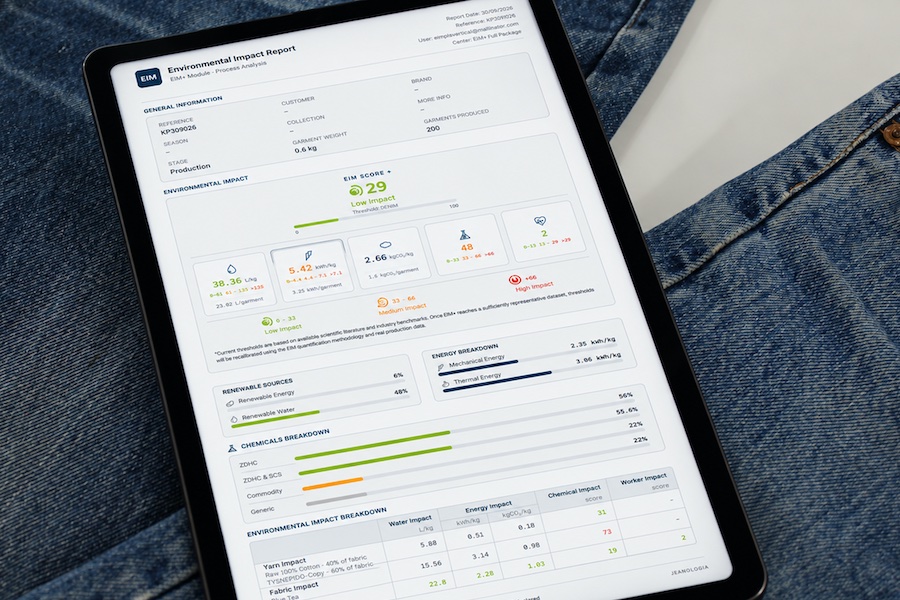
Jeanologia urges industry to accelerate PP Spray phase-out following ZDHC Watchlist update

Potassium permanganate has officially entered the Chemical Watchlist of the ZDHC Foundation, signaling increased scrutiny and potential phase-out of one of the most hazardous chemicals still used in denim finishing. The inclusion confirms an industry shift that Jeanologia anticipated more than a decade ago.

Latest News

#INDEX 2026

EDANA unveils nominees for INDEX™26 Awards: Highlighting the next generation of nonwoven excellence

EDANA is proud to unveil the highly anticipated nominees for the INDEX™26 Awards, the nonwoven industry’s highest accolade for technical and sustainable excellence. Out of a record-breaking field of entries, these finalists represent the cutting edge of material science—from bio-based hygiene fibers and PFAS-free protective textiles to revolutionary water-filtration machinery. Each nominee has been selected by a jury of industry experts for their ability to solve critical global challenges, including the transition to a circular economy and the pursuit of enhanced consumer performance.

#Raw Materials

Lenzing Group positions bio‑based materials as a strategic asset for Europe’s economic security

The Lenzing Group, a leading supplier of regenerated cellulose fibers for the textile and nonwovens industries, hosted a high‑level roundtable in Brussels to discuss how bio‑based materials can strengthen Europe’s economic security and support the shift toward a fossil‑free future. Organized in cooperation with Euractiv, the event brought together representatives of the European Commission, the UK Mission to the EU, academia, civil society, and industry.

#Natural Fibers

Beyond Cotton: Natural Fibres in the Spotlight at the Bremen Cotton Conference - Branded by DNFI

Climate targets, fragile supply chains, and rising regulatory requirements are fundamentally changing the perspective of the textile industry - the focus is increasingly shifting toward the base material. Not only cotton, but natural fibres are gaining significant importance: they stand out not only because of their outstanding functional properties, but also because they make a valuable contribution to the bioeconomy and responsible product development.

#Textiles & Apparel / Garment

Coats to showcase innovative reinforcement and filler materials for leather goods and accessories at APLF 2026

Coats, a world-class Tier 2 manufacturer and trusted partner for the apparel and footwear industries, will be promoting four advanced materials from its ‘Lifestyle Solutions’ portfolio at APLF 2026 in Hong Kong in March. Each innovation has been specifically engineered to help luxury and premium brands elevate the craft, durability, sustainability and creative expression required in the manufacturing of handbags, purses, and other high-end designer accessories.

TOP