#Spinning
TEMAFA on the ATME-I 2004
On the ATME-I 2004, you will find TEMAFA in hall D, booth no. 2335, directly opposite to Dilo System Group. This will be the first time for the company to present the Baltromix system at a trade fair in the USA...


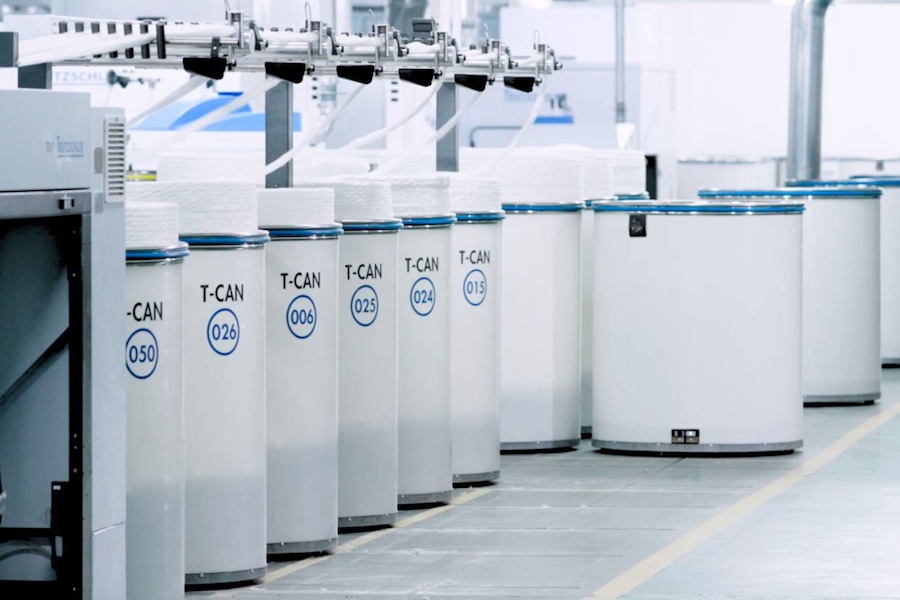
From November 20 to 24, 2026, the Trützschler Group will present its latest fiber processing technologies at ITMA Asia in Shanghai, China. At Hall 5.1, Booth D20, the company will showcase solutions designed to increase productivity, simplify operations and improve efficiency across spinning preparation and nonwoven production. Key highlights include the automated can transport system T-CAN, the next-generation card TC 30, innovative card clothing solutions such as STEELTOP and SUPERFLOW, as well as advanced nonwoven technologies for hygiene, wipes and filtration applications.
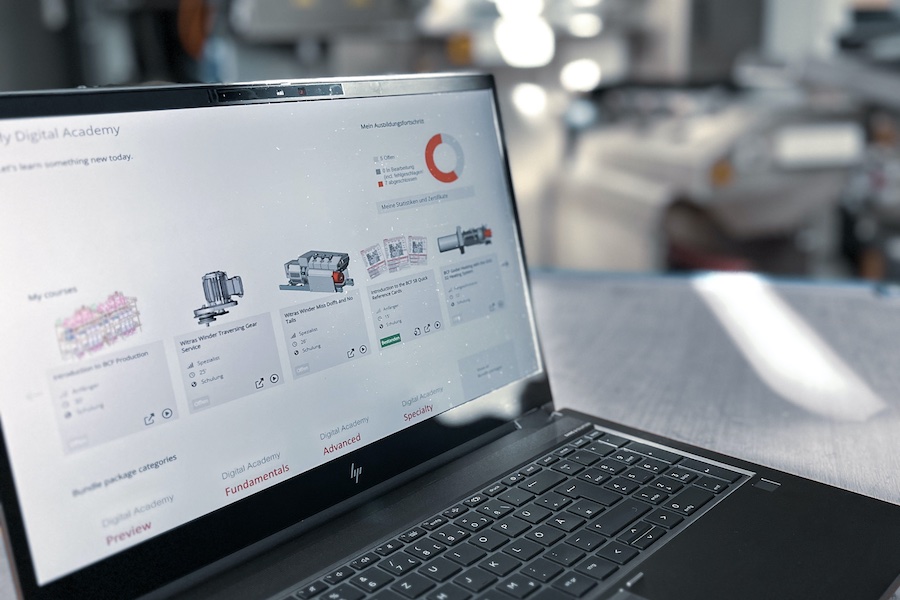
Three years after its launch in English, Spanish, French and Turkish, Barmag’s Digital Academy online training center for the BCF process is now also available in Chinese.
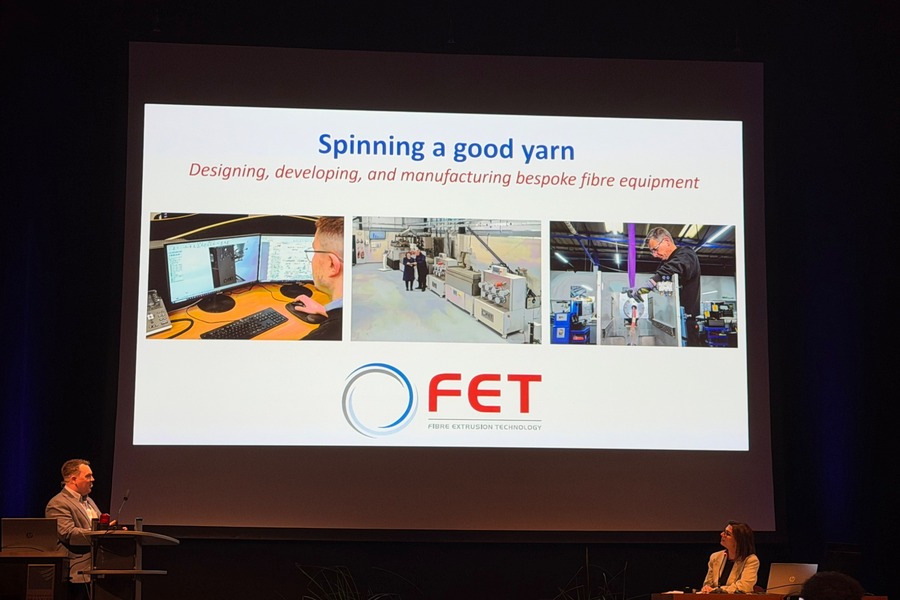
Fibre Extrusion Technology Limited (FET) presented its latest developments in fibre spinning technology at the Dornbirn Global Fiber Congress in Austria in September 2026. In a presentation entitled “Spinning a good yarn”, Dr Jonny Hunter examined recent technological developments and challenges facing the fibre industry, highlighting the company's expanding range of specialised fibre extrusion and spinning systems.
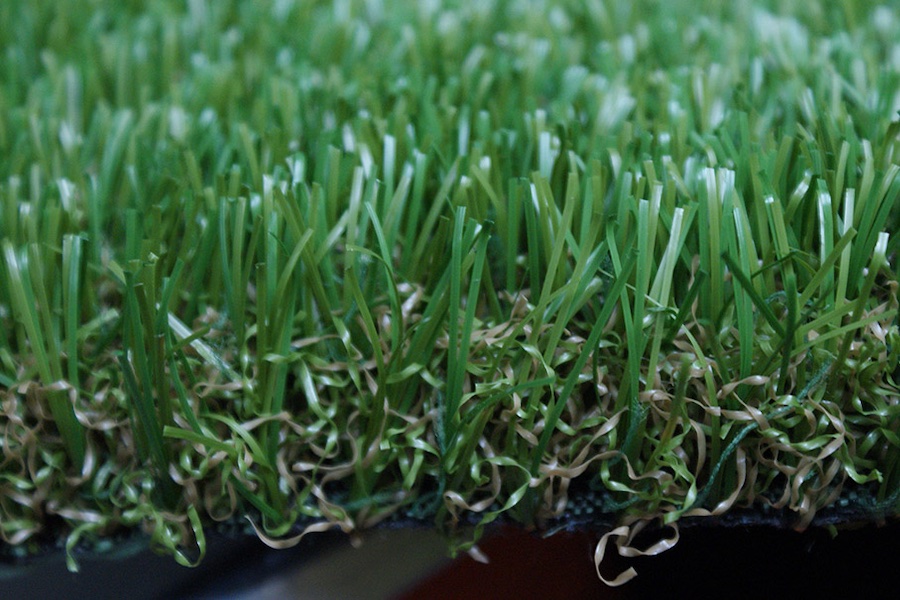
With the foundation of STC Extrusion GmbH, headquartered in Chemnitz, Germany, a technical competence and know-how hub for the production of artificial turf and technical monofilaments has been established within the Starlinger Group.

The intelligent automation solution for the ISEC evo recycling machine automatically adjusts operating parameters to changing input materials, improving throughput, melt quality and process stability while reducing operator workload.

The patent-pending fabric technology prevents hay, straw, mulch and grass from clinging to high-pile fleece. The development received a category award in Fast Company's 2026 Innovation by Design Awards.

The collaboration combines Merino wool with regen™ BIO Spandex and recycled functional fibres to develop fabrics offering comfort, breathability, stretch and shape retention. Future development will focus on recovery wear applications.

The new industry initiative uses FibreTrace® technology to physically verify the origin of polyester filament yarn, supporting compliance with regional trade agreements and strengthening transparency across textile supply chains.


